
 Mexico
Whale Sanctuary of El Vizcaino
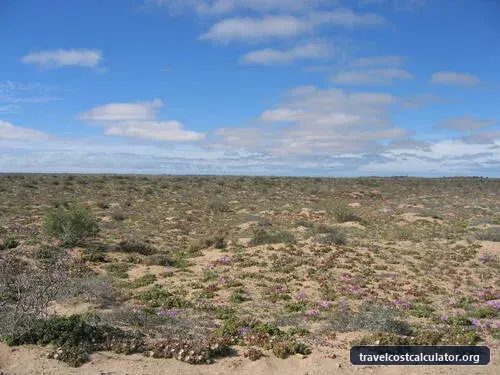
Located in the central part of the peninsula of Baja California, the sanctuary contains some exceptionally interesting ecosystems.
Whale Sanctuary of El Vizcaino
🏛️ Overview & Historical Significance
Spanning over 2.5 million hectares across the middle of the Baja California Peninsula, the Whale Sanctuary of El Vizcaino is Latin America's largest protected wildlife refuge and one of the world's most extraordinary marine ecosystems. Inscribed as a UNESCO World Heritage site in 1993, this extraordinary biosphere reserve encompasses two major coastal lagoons—Laguna San Ignacio and Laguna Ojo de Liebre (Scammon's Lagoon)—alongside desert wetlands, mangroves, and pristine dune landscapes.
The core historical and ecological reason for its UNESCO designation is its role as the primary wintering, birthing, and nursing sanctuary for the Eastern Pacific Grey Whale (Eschrichtius robustus). Every autumn, these gentle giants complete a 6,000-mile (9,600 km) migration from their Arctic feeding grounds in the Bering and Chukchi Seas to the shallow, hyper-saline, warm waters of El Vizcaíno. Having faced near-extinction twice during the 19th and 20th centuries due to commercial whaling, gray whales made one of history's greatest conservation comebacks here, protected by strict international decrees and local Mexican guardianship.
Beyond gray whales, El Vizcaíno shelters a vast tapestry of biodiversity. The reserve provides critical habitat for California sea lions, harbor seals, northern elephant seals, blue whales, and green sea turtles. It also serves as a vital winter stopover along the Pacific Flyway for hundreds of thousands of migratory seabirds, including ospreys, brown pelicans, and peregrine falcons. The dramatic contrast where hyper-arid Sonoran-Baja desert terrain crashes into rich marine lagoons makes El Vizcaíno a world-class wonder of natural heritage.
🎟️ Entrance Fees, Opening Hours & Ticket Booking Tips
Visiting the sanctuary requires navigating two costs: the government natural park permit and the licensed boat excursion fee. Because El Vizcaíno is a heavily regulated Marine Protected Area, access to the whale zones is strictly controlled to prevent habitat disruption.
2026 Estimated Entrance & Tour Pricing
-
✦
CONANP Park Access Wristband (Daily Conservation Fee): 135 MXN (~$7.50 USD) per person, per day. Purchased at local lagoon entry control points or through authorized tour operators.
-
✦
Standard Shared Panga Whale Tour (2 to 2.5 Hours): 1,350 to 1,900 MXN ($75 to $105 USD) per person. Includes licensed captain (pangero), certified naturalist guide, life jackets, and park entry.
-
✦
Private Panga Charter (Up to 6-8 Passengers): 6,500 to 9,000 MXN ($360 to $500 USD) per boat session. Ideal for professional photographers and families.
-
✦
Multi-Day All-Inclusive Lagoon Eco-Camp Packages: $350 to $700 USD per night per person (includes beachfront safari tents, all meals, and 2 whale-watching excursions per day).
Operating Hours & Seasonal Window
The official gray whale season runs strictly from mid-December through mid-April, with peak activity occurring between late January and late March. Boat departures typically run daily from 8:00 AM to 4:00 PM, though operations are subject to daily wind conditions monitored by the Harbor Master (Capitanía de Puerto).
Insider Booking Tips for 2026
-
✦
Book Peak Weeks 4–6 Months Ahead: Late February to mid-March sees peak mother-and-calf interaction. Eco-lodges in Laguna San Ignacio fill up fast; reserve by September of the preceding year.
-
✦
Carry Local Cash (MXN): Credit card terminals in remote lagoon camps rely on satellite networks and frequently drop offline. Bring plenty of Mexican Pesos or USD cash for tips, park permits, and local dining.
-
✦
Choose Licensed Cooperatives: Ensure your tour operator is certified by CONANP (Comisión Nacional de Áreas Naturales Protegidas). Approved boats sport clear permit decals and strictly limit lagoon boat density.
🚌 How to Get There & Local Transit Costs
The Whale Sanctuary of El Vizcaino is located in a remote part of Baja California Sur Travel Budget. Reaching the site requires careful transport planning across Federal Highway 1 (Mex-1).
Option 1: Fly to Loreto & Drive North (Recommended Route)
The most convenient gateway is Loreto International Airport (LTO), served by flights from Los Angeles, Phoenix, Dallas, and Mexico City.
-
✦
Rental Car from Loreto: Renting an SUV or high-clearance sedan in Loreto costs approximately $55 to $90 USD per day (including insurance). From Loreto, drive north along Mex-1 for 4 hours (approx. 270 km) to reach San Ignacio town, then follow the unpaved dirt road (approx. 1 hour) to Laguna San Ignacio.
-
✦
Intercity Bus (Autobuses Águila): Catch an express bus from Loreto main terminal to San Ignacio or Guerrero Negro. Ticket prices run 550 to 750 MXN ($30 to $42 USD) one-way (4.5-hour duration).
Option 2: Fly to Tijuana / San Diego & Drive South (Overland Road Trip)
For adventurous road-trippers, crossing at Tijuana or San Ysidro and driving Mex-1 south spans roughly 800 km (10 to 12 hours) to Guerrero Negro (gateway to Laguna Ojo de Liebre).
-
✦
Long-Distance Bus (ABC / Águila): Buses from Tijuana to Guerrero Negro cost around 1,500 to 1,850 MXN ($82 to $102 USD) one-way (approx. 12 hours).
Option 3: Charter Flights directly to San Ignacio Airstrip
Private air charters operate seasonal hops from Cabo San Lucas (CSL) or La Paz Travel Budget (LAP) directly to the San Ignacio dirt airstrip (approx. 1 hour flight time), costing $450 to $750 USD round-trip per person.
Local Transit from Gateway Towns to the Lagoons
-
✦
Local Taxi / Dirt Road Shuttle: Transport from San Ignacio town square to the lagoon eco-camps costs approximately 600 to 900 MXN ($33 to $50 USD) each way. High-clearance vehicles are recommended, especially after winter rains.
📸 Best Photography Spots & Insider Visit Hacks
Capturing the gray whales of El Vizcaíno requires a mix of marine photography techniques, proper timing, and an understanding of whale behavior.
Top Photography Locations
-
✦
Onboard the Panga (Eye-Level Water Shots): Sitting at the bow of a small panga places you just inches above the waterline. This angle yields dramatic portraits of giant mother whales pushing their calves to the surface.
-
✦
Guerrero Negro Salt Flats & Dunes: The stark white salt pans near Laguna Ojo de Liebre offer surreal desert landscapes framed by dark blue waters and coastal birdlife.
-
✦
San Ignacio Lagoon Estuary Outlets: Perfect for capturing surface breaches, tail flukes against mountain backdrops, and diving pelicans.
Lighting & Seasonal Timing Hacks
-
✦
Prioritize the 8:00 AM Morning Outing: Morning light across the lagoon is soft and warm, but more importantly, winds are usually calmest early in the day. By 1:00 PM, thermal winds (el viento) create heavy chop, making sharp photography difficult and boat rides bumpy.
-
✦
Visit Late Season for "Friendly Whales": In February and March, newborn calves grow curious and bold. Mothers often push their calves toward the boats, allowing visitors to gently touch the whales' rough skin.
Camera Gear & Protection Checklist
-
✦
Lenses: A versatile 70-200mm f/2.8 or 100-400mm lens is ideal. Fast autofocus is essential as whales surface unpredictably. Bring a 24-70mm lens for close encounters right beside the boat.
-
✦
Action Cameras on Extension Poles: An action camera (GoPro) on a short pole can capture stunning Split Travel Budget-level surface shots as whales approach the hull.
-
✦
Dry Bags & Lens Protection: Salt spray is constant. Use silicone camera covers, UV/Protective filters, and keep your primary camera gear inside a heavy-duty waterproof dry bag when moving across open water.
-
✦
Clothing: Dress in layers. Morning wind chill on open water drops temperatures to 12°C–15°C (53°F–59°F), though desert sun warms the afternoon quickly. Pack windproof shells, polarized sunglasses, and reef-safe sunscreen.
🏨 Nearby Accommodation & Daily Budget Allocation
Accommodations near El Vizcaíno range from rustic desert campgrounds and charming oasis hotels to remote luxury eco-glamping resorts located directly on the lagoon shorelines.
Accommodation Options
-
✦
Budget Eco-Camps & San Ignacio Hotels: Motel Ignacio or Posada Oasis (San Ignacio Town). Clean, modest rooms with Wi-Fi and hot water. Price: $45 to $75 USD per night. Basic campsite pads on the lagoon shore: $15 to $25 USD per night.
-
✦
Mid-Range Lagoon Eco-Lodges: Kuyimá Eco-Lodge, Campo Cortez, or Laguna San Ignacio Whale Park. Solar-powered wooden cabins or sturdy tent cabins right on the lagoon shoreline. Includes hot showers and fresh seafood dining rooms. Price: $140 to $260 USD per night.
-
✦
High-End Eco-Glamping: Ignacio Lagoon Luxury Tents or Baja Camp. High-end safari tents featuring king beds, ensuite bathrooms, gourmet dining, and private daily panga excursions. Price: $450 to $800 USD per night (All-Inclusive).
Daily Budget Allocation (2026 Estimates)
To help you structure your expedition financial plans, here are realistic estimated daily budgets per person based on travel style:
-
✦
Backpacker / Low-Cost Budget: $95 – $140 USD per day
- Camping or basic town hotel: $25 - $40
-
✦
Shared bus transit & basic food: $25 - $35
-
✦
One shared panga whale tour: $45 - $65 (averaged across multi-day stay)
- Lagoon-side cabin / mid-range hotel: $80 - $140
- All-inclusive glamping resort: $450 - $750
Whether you stand on the edge of the desert dunes gazing out over Ojo de Liebre or feel the spray of a 30-ton gray whale exhaling inches from your hand in Laguna San Ignacio, the UNESCO Whale Sanctuary of El Vizcaino delivers one of planet Earth's most powerful wildlife encounters.
Frequently Asked Questions
Essential visitor FAQs for Whale Sanctuary of El Vizcaino
What is the entrance fee for Whale Sanctuary of El Vizcaino?
How much time do you need to explore Whale Sanctuary of El Vizcaino?
How do I get to Whale Sanctuary of El Vizcaino from the nearest city?
📊 Heritage Quick Specs
Visiting Mexico on a Budget?
Calculate your full daily travel budget for Mexico — including hotel costs, local transport, food, and sightseeing expenses.
View Mexico Daily Travel Costs →Explore more UNESCO World Heritage Sites
🏛️ All 1,200+ Heritage Sites →