
 Greece
Temple of Apollo Epicurius at Bassae
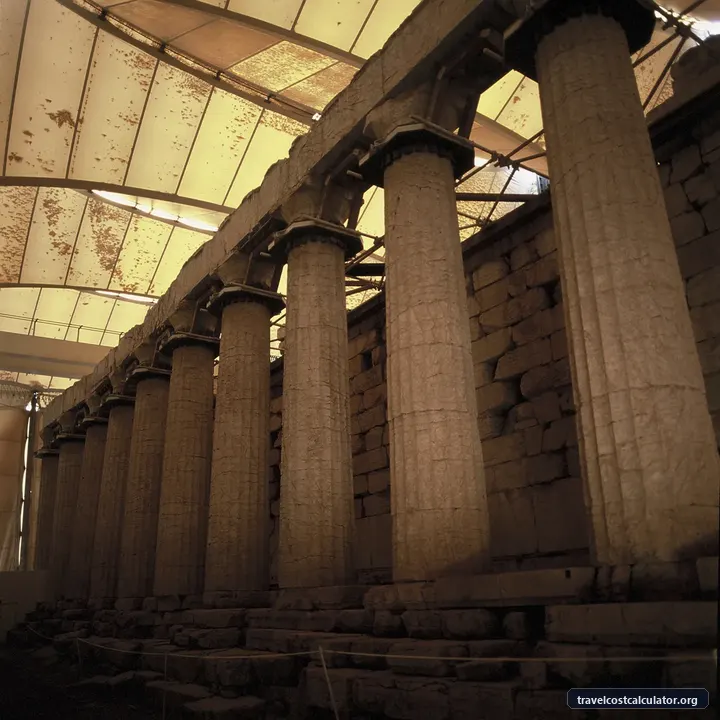
This famous temple to the god of healing and the sun was built towards the middle of the 5th century B.C.
Temple of Apollo Epicurius at Bassae
🏛️ Overview & Historical Significance
Perched dramatically on the wind-swept slopes of Mount Kotylion in the remote Peloponnese at an altitude of 1,130 meters, the Temple of Apollo Epicurius at Bassae stands as one of the most enigmatic and impeccably preserved monuments of Classical antiquity. In 1986, it earned the distinction of becoming Greece's very first site inscribed on the UNESCO World Heritage list. Recognized under UNESCO criteria (i), (ii), and (iii), this mid-5th century BCE masterpiece offers an unparalleled testament to ancient Greek architectural innovation and spiritual devotion.
Designed around 420–400 BCE by Iktinos—the legendary architect responsible for the Parthenon in Athens Travel Budget—the temple was commissioned by the citizens of nearby Phigaleia. They dedicated the sanctuary to Apollo Epicurius ("Apollo the Helper" or "Succorer") in gratitude for preserving their community from a devastating plague and military conflicts. What elevates Bassae to top-tier historical importance is its extraordinary blend of architectural elements:
-
✦
The Architectural Triad: Bassae is the only surviving ancient Greek building that incorporates all three classical orders of architecture in a single design. The exterior peristyle features austere Doric columns; the interior cella contains elegant Ionic engagement columns; and deep within the sanctuary once stood the world's earliest known Corinthian capital (the original design motif that would dominate Hellenistic and Roman architecture).
-
✦
Unusual Alignment: Unlike the vast majority of Greek temples, which are aligned East-West to catch the rising sun, the Temple of Apollo Epicurius is oriented North-South. This spatial adjustment was necessitated by the steep, narrow topography of the ridge on Mount Kotylion. To compensate, Iktinos crafted an opening on the eastern side of the cella to allow dawn sunlight to illuminate the cult statue of Apollo.
-
✦
The Bassae Frieze: The interior featured a continuous 31-meter sculptured marble frieze depicting the Amazonarchy (battles between Greeks and Amazons) and Lapiths versus Centaurs. Discovered in 1811, the original relief slabs were purchased at auction by the British Crown and are displayed today in the British Museum, though detailed contextual displays remain on-site.
Since 1987, the temple has been enclosed beneath a heavy-duty, climate-controlled protective white canopy designed by architect Takis Koufopoulos. While this massive tent alters the landscape aesthetic, it plays a vital 2026 conservation role in safeguarding the grey limestone from severe alpine frost, acid deposition, and seismic stress while ongoing restoration continues.
🎟️ Entrance Fees, Opening Hours & Ticket Booking Tips
Visiting the Temple of Apollo Epicurius in 2026 requires minimal advance planning compared to coastal hotspots, but understanding seasonal fee structures and operational hours guarantees a smooth visit.
2026 Ticket Pricing
-
✦
Full Adult Standard Ticket (Summer Season: April 1 – October 31): €10.00 (~$11.00 USD)
-
✦
Reduced Ticket (Off-Peak / Winter Season: November 1 – March 31): €5.00 (~$5.50 USD)
-
✦
Senior Discount (EU Citizens 65+ with valid ID): €5.00 (~$5.50 USD) year-round
-
✦
Free Admission: Children and youth up to 25 years old from EU member states, non-EU youth under 18 years old, university students with valid ID, and visitors with registered disabilities (plus one escort).
2026 Free Admission Days
If your travel schedule allows flexibility, you can access the site free of charge on the following official dates in 2026:
-
✦
March 6 (Melina Mercouri Memorial Day)
-
✦
April 18 (International Monuments Day)
-
✦
May 18 (International Museum Day)
-
✦
The last weekend of September (European Heritage Days)
-
✦
October 28 (OXI National Day)
-
✦
Every first Sunday of the month between November 1 and March 31
Opening Hours & Logistics
The site is open daily throughout the year, maintained by the Ephorate of Antiquities of Elis:
-
✦
Summer Hours (April – October): 08:00 AM – 8:00 PM (Last entry at 7:30 PM).
-
✦
Winter Hours (November – March): 08:30 AM – 3:30 PM (Last entry at 3:00 PM).
Booking Tip: Unlike Athens or Santorini Travel Budget, queues at Bassae are practically non-existent. You can purchase tickets directly at the entrance kiosk using credit/debit cards or cash. Alternatively, tickets can be booked digitally via the official Hellenic Heritage e-ticketing platform (hhticket.gr). Always bring a physical copy of your ID or passport if you qualify for reduced or free admission.
🚌 How to Get There & Local Transit Costs
Due to its remote mountain location in the western Peloponnese, public transit options to Bassae are limited. Renting a car or hiring private transport is strongly recommended for speed and flexibility.
Option 1: Rental Car (Recommended)
Driving gives you full freedom to combine Bassae with nearby attractions like Andritsaina, Ancient Olympia, or the Neda Waterfalls.
-
✦
From Athens (225 km / ~3.5 hours): Take the A8 highway west past Corinth, transition onto the A7 toward Tripoli Travel Budget/Kalamata, take the exit for Megalopolis, and follow the scenic mountain roads up to Andritsaina and Bassae.
- Highway Tolls (Round-trip): ~€28 – €34 (~$30 – $37 USD).
-
✦
Fuel Cost (Estimated 2026 rates at €1.88/L): ~€50 – €65 (~$55 – $71 USD) round-trip.
- Average Car Rental Rate (2026): €35 – €65 (~$38 – $71 USD) per day for a standard compact vehicle.
Option 2: KTEL Bus + Local Taxi
For independent budget travelers relying on public transit:
-
✦
Take an intercity KTEL Arkadias or KTEL Ilias bus from Athens (Kifissos Bus Station) to either Megalopolis or Pyrgos (~€21.50 – €26.00 / ~$23 – $28 USD one-way).
-
✦
From Megalopolis or Pyrgos, take a regional connection bus to the mountain village of Andritsaina (€4.50 – €7.00 / ~$5 – $8 USD, running 1-2 times daily).
-
✦
From Andritsaina (14 km from the temple), hire a local taxi to Bassae. Expect to pay €25 – €35 (~$27 – $38 USD) round-trip, which includes 45-60 minutes of waiting time while you explore the site. Be sure to negotiate the return wait time with the driver prior to departure.
📸 Best Photography Spots & Insider Visit Hacks
Photographing the Temple of Apollo Epicurius requires a unique approach because of the protective translucent tent that covers the structure.
Top Photography Angles
-
✦
The Northern Exterior Facade: Stand near the visitor path at the north entry of the tent. Shooting south highlights the classic Doric columns framing the interior cella, with diffuse light streaming from above.
-
✦
Interior Hypostyle Detail: Focus your lens on the intricate bases of the Ionic columns along the internal walls. The translucent canopy softens harsh sunlight, eliminating deep shadows and producing studio-like lighting on the ancient stone.
-
✦
Panoramas from Mount Kotylion Ridge: Walk up the marked walking path outside the tent shelter. From the surrounding hillside, photograph the sweeping alpine backdrop of Arcadic and Messenian mountains with the stark white geometric tent sitting prominently on the ridge.
Insider Visit Hacks for 2026
-
✦
Prepare for Mountain Altitude: At over 1,100 meters elevation, Bassae is significantly colder and windier than coastal Peloponnese towns. Temperatures can be 6–10°C (10–18°F) cooler than Kalamata or Athens. Always carry a windbreaker layer, even during summer months.
-
✦
Optimal Time of Day: Visit between 08:30 AM – 10:30 AM or late afternoon around 5:00 PM. Morning visits offer pristine silence before occasional small tour buses arrive, along with the crispest alpine light filtering through the canopy edges.
-
✦
Explore the Surrounding Wonders: Make the most of your travel time into the mountains by combining Bassae with a trip to the historic mountain town of Andritsaina (home to the historic Nikolopouleios Library) or a hike to the stunning Neda River Gorge & Waterfalls (18 km south).
🏨 Nearby Accommodation & Daily Budget Allocation
Because Bassae sits in a high-altitude rural sanctuary, most visitors base themselves in the charming historic village of Andritsaina (14 km away) or nearby heritage villages like Stemnitsa, Dimitsana, or the coastal hub of Kalamata.
Accommodation Recommendations
-
✦
Budget / Guesthouse Option: Local Stone Guesthouses in Andritsaina – Traditional family-run rooms featuring mountain views and homemade Greek breakfast. Average rate: €45 – €65 / night (~$49 – $71 USD).
-
✦
Mid-Range Option: Boutique Mountain Hotels in Dimitsana / Stemnitsa – Restored 19th-century stone mansions offering cozy fireplaces, artisanal amenities, and panoramic Arcadian valley views. Average rate: €85 – €140 / night (~$93 – $153 USD).
-
✦
Luxury / Coastal Base Option: Kalamata Beach Resorts – Full-service 4-star and 5-star beachfront hotels located 1.5 hours south, perfect for combining alpine culture with sea relaxation. Average rate: €160 – €280+ / night (~$175 – $306+ USD).
Estimated Daily Travel Budgets (2026 Rates)
Here is what you can expect to spend per day when visiting the Temple of Apollo Epicurius and the surrounding Arcadia/Messenia region:
-
✦
Backpacker Budget Planner: €55 – €75 / day (~$60 – $82 USD)
- Transit: €15 (Shared car fuel or regional KTEL bus proportion)
-
✦
Food: €20 (Souvlaki, bakeries, street food, budget taverna lunch)
-
✦
Attraction Entry: €5 – €10 (Standard ticket)
-
✦
Lodging: €25 – €30 (Shared twin room/budget host home)
- Transit: €40 (Rental car daily share + gas/tolls)
- Transit: €100 (SUV car rental or private chauffeur service)
Frequently Asked Questions
Essential visitor FAQs for Temple of Apollo Epicurius at Bassae
What is the entrance fee for Temple of Apollo Epicurius at Bassae?
How much time do you need to explore Temple of Apollo Epicurius at Bassae?
How do I get to Temple of Apollo Epicurius at Bassae from the nearest city?
📊 Heritage Quick Specs
Visiting Greece on a Budget?
Calculate your full daily travel budget for Greece — including hotel costs, local transport, food, and sightseeing expenses.
View Greece Daily Travel Costs →Explore more UNESCO World Heritage Sites
🏛️ All 1,200+ Heritage Sites →