
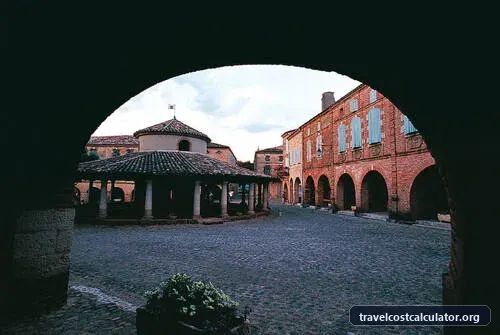
 France
Routes of Santiago de Compostela in France
Santiago de Compostela was the supreme goal for countless thousands of pious pilgrims who converged there from all over Europe throughout the Middle Ages.
Routes of Santiago de Compostela in France
🏛️ Overview & Historical Significance
Inscribed as a UNESCO World Heritage site in 1998, the Routes of Santiago Travel Budget de Compostela in France (known locally as the Chemins de Saint-Jacques-de-Compostelle) represent one of the most culturally significant network listings in Europe. Rather than a single continuous monument, this World Heritage designation encompasses 71 key historic monuments and 7 distinct sections of trail scattered across 10 French regions. These paths served as the primary arterial routes for millions of medieval Christian pilgrims traveling from across Northern and Eastern Europe toward the sanctuary of Santiago de Compostela in Galicia, northwestern Spain.
During the Middle Ages, four main trunk routes crossed France, converging at the Pyrenean border before entering Spain:
-
✦
Via Podiensis: Departing from the dramatic volcanic landscape of Le Puy-en-Velay.
-
✦
Via Turonensis: Beginning in Paris Travel Budget and passing through Tours.
-
✦
Via Lemovicensis: Starting from the hilltop basilica of Vézelay.
-
✦
Via Tolosana: Setting off from Arles and threading through Toulouse.
UNESCO selected these routes due to their extraordinary role in medieval spiritual life, architectural exchange, and artistic innovation. Along these paths, regional Romanesque and early Gothic styles flourished. Master stonecutters, sculptors, and architects built magnificent basilicas, abbey churches, fortified bridges, and pilgrim hospices (*hôtels-dieu*) to service the vast influx of travelers. Key UNESCO-listed architectural masterpieces along the routes include the Abbatiale Sainte-Foy in Conques, the Basilique Saint-Sernin in Toulouse, the Abbaye Saint-Pierre in Moissac, and the 14th-century Pont Valentré in Cahors. Walking or visiting these paths today offers an intimate look at the tangible heritage of Western Europe's medieval pilgrimage phenomenon.
🎟️ Entrance Fees, Opening Hours & Ticket Booking Tips
Walking the open trails and footpaths of the Routes of Santiago de Compostela across the French countryside is 100% free of charge. However, entering specific UNESCO-designated churches, cloisters, cathedral towers, and museum treasure rooms along the routes involves small admission fees. Below are estimated 2026 entry prices and logistics for the major UNESCO monuments along the path:
-
✦
Abbaye Saint-Pierre & Cloister (Moissac): Adult ticket: €8.50 (~$9.25 USD); Reduced/Pilgrim credential rate: €6.00 (~$6.50 USD). Open daily 9:00 AM – 7:00 PM (July–August), 9:00 AM – 6:00 PM (April–June & Sept–Oct), and 10:00 AM – 5:00 PM (Winter).
-
✦
Rocher & Chapelle Saint-Michel d'Aiguilhe (Le Puy-en-Velay): Adult ticket: €7.00 (~$7.60 USD); Children (6–17): €4.00 (~$4.35 USD). Open daily 9:00 AM – 7:00 PM during peak season.
-
✦
Abbatiale Sainte-Foy Cloister & Treasury (Conques): Sanctuary entry is free; Treasury & Upper Gallery access: €7.50 (~$8.15 USD). Open 9:30 AM – 12:30 PM and 2:00 PM – 6:30 PM.
-
✦
Basilique Saint-Sernin Crypt & Treasury (Toulouse): Main nave is free; Crypt entry: €3.50 (~$3.80 USD). Open Tuesday–Sunday 10:00 AM – 6:00 PM.
-
✦
The Credencial (Pilgrim Passport): €4.00 – €5.00 (~$4.35 – $5.45 USD). Purchased at major cathedrals (e.g., Le Puy Cathedral) or via French pilgrim associations (*Société des Amis de Saint-Jacques*).
Booking & Practical Tips for 2026:
-
✦
Get the Credencial: Even if you are only hiking a 3-day section, carry a Credencial. It provides discounted entry at dozens of UNESCO monuments and allows access to traditional pilgrim accommodation (*gîtes d'étape*).
-
✦
Pre-book Peak Summer Visits: For major cathedral towers (such as Le Puy Cathedral complex or Saint-Bertrand-de-Comminges), reserve entry slots online via official municipal tourism sites during July and August 2026 to skip queue bottlenecks.
-
✦
Off-Peak Hours: Many rural abbey churches close between 12:00 PM and 2:00 PM for lunch; plan your visits for mid-morning or late afternoon.
🚌 How to Get There & Local Transit Costs
Because the routes span hundreds of kilometers, your transit strategy depends on which section or UNESCO hub you plan to explore. The primary gateway cities serving as entry points are **Toulouse**, **Bordeaux**, **Lyon**, and **Paris**.
1. Reaching the Key Trail Hubs via Train (SNCF)
France’s national rail network (SNCF) operates high-speed TGV and regional TER trains directly to major stops on the pilgrimage paths:
-
✦
Paris to Le Puy-en-Velay (Via Podiensis starting point): Take the TGV/Intercités train from Paris Gare d'Austerlitz or Gare de Lyon via Saint-Étienne. Travel time: ~4.5 hours. Estimated fare in 2026: €45 – €90 ($49 – $98 USD) one-way.
-
✦
Paris to Bordeaux (Via Turonensis hub): Take the TGV InOui from Paris Gare Montparnasse. Travel time: ~2 hours. Estimated fare in 2026: €35 – €95 ($38 – $103 USD) one-way.
-
✦
Toulouse to Cahors or Moissac (Via Tolosana / Via Podiensis connection): Regional TER trains depart hourly from Toulouse-Matabiau station. Travel time: 50 minutes to Moissac, 1 hour 15 minutes to Cahors. Estimated fare: €10 – €18 ($11 – $19.50 USD).
2. Local Buses & Trailhead Shuttles
For remote villages like Conques (which lacks a direct train station), regional buses and dedicated pilgrim shuttles connect key points:
-
✦
Rodez or St-Christophe Station to Conques: Regional Bus Line 201 operates during peak months for €2.00 – €4.00 ($2.15 – $4.35 USD) per single ride.
-
✦
Luggage Transport Services (La Malle Postale / Transbagage): If walking between towns without a heavy pack, professional transfer services deliver your bags stage-to-stage for approximately €9.50 – €12.00 ($10.30 – $13.00 USD) per bag per daily stage in 2026.
📸 Best Photography Spots & Insider Visit Hacks
Capturing the atmospheric beauty of medieval stone bridges, isolated abbeys, and ancient trail paths requires precise timing and location awareness.
Top Photography Locations
-
✦
Pont Valentré (Cahors): This imposing 14th-century, three-towered fortified bridge spanning the Lot River is an iconic image of the route. Shoot from the riverbank at sunset when the warm stone glows against the water reflections.
-
✦
Saint-Michel d'Aiguilhe (Le Puy-en-Velay): Position yourself at the base of the 85-meter volcanic rock pinnacle during early morning light to capture the dramatic chapel perched atop the spire.
-
✦
Sainte-Foy Abbey Tympanum (Conques): The Romanesque carving of the Last Judgment above the main portal is best photographed in late afternoon when directional sunlight illuminates the intricate sculpted figures.
-
✦
Abbaye de Moissac Cloister: Capture the morning sun filtering through the 76 finely carved Romanesque marble capitals surrounding the central courtyard garden.
Insider Visit Hacks
-
✦
Optimal Seasons: The best window to explore the routes is May through June and September through October 2026. Spring brings vibrant wildflower meadows across the Aubrac plateau, while autumn offers crisp 18°C–22°C (64°F–72°F) daytime temperatures, golden foliage, and far smaller trail crowds than mid-summer.
-
✦
Beat the Heat & Crowds: Summer temperatures in southern France often exceed 35°C (95°F) in July and August. Start walking or sightseeing early by 7:00 AM to finish trail segments before the heat spikes and to arrive at major sights before tour buses arrive at 11:00 AM.
-
✦
Eveningorgan Recitals: In villages like Conques, attend the nightly summer organ recitals inside the Abbey at 8:30 PM, accompanied by illuminated explanations of the historic stained-glass windows designed by Pierre Soulages.
🏨 Nearby Accommodation & Daily Budget Allocation
Planning your trip budget for the Routes of Santiago de Compostela in France depends heavily on whether you choose to walk as a traditional pilgrim or tour key UNESCO monuments via train and car. Below is an estimated 2026 daily cost breakdown across three travel tiers:
1. Budget / Pilgrim Tier (€40 – €70 / $43 – $76 USD per day)
-
✦
Stay: Municipal or private gîtes d'étape (pilgrim hostels/dorm beds): €18 – €28 ($20 – $30 USD) per night (Credencial usually required).
-
✦
Meals: Bakery breakfast (croissant & espresso) for €4.50 ($4.90 USD); supermarket trail lunches (baguette, cheese, fruit) for €6.00 ($6.50 USD); communal pilgrim dinner (*repas pèlerin* - 3 courses with wine) for €16 – €20 ($17.50 – $21.75 USD).
-
✦
Activities & Transit: Walking footpaths (Free) plus occasional monument entrance fees: €5 – €10 ($5.45 – $10.85 USD).
2. Mid-Range Tier (€120 – €195 / $130 – $212 USD per day)
-
✦
Stay: Cozy 3-star boutique hotels, historic inns, or charming Chambres d'hôtes (B&Bs): €85 – €135 ($92 – $147 USD) per night double occupancy.
-
✦
Meals: Traditional French bistro lunches and dinners featuring regional specialties (such as *Aligot*, *Duck Confit*, or *Cassoulet*): €40 – €65 ($43 – $70 USD) per person daily.
-
✦
Activities & Transit: TER regional train tickets, daily luggage transfer services, and guided monument access: €20 – €35 ($21.75 – $38 USD).
3. Luxury Tier (€310 – €580+ / $335 – $630+ USD per day)
-
✦
Stay: Restored heritage châteaux, 4-star luxury boutique stays, or historic manors (e.g., Grand Hôtel d'Orléans in Toulouse or luxury estates near Cahors): €220 – €400 ($239 – $435 USD) per night.
-
✦
Meals: Multi-course fine dining at Michelin-selected regional restaurants with local wine pairings (Cahors Malbec, Gaillac wines): €85 – €150 ($92 – $163 USD) per person.
-
✦
Activities & Transit: Private transfers, private historical walking guides, and full-access passes to all heritage monuments: €65 – €130 ($70 – $141 USD).
Frequently Asked Questions
Essential visitor FAQs for Routes of Santiago de Compostela in France
What is the entrance fee for Routes of Santiago de Compostela in France?
How much time do you need to explore Routes of Santiago de Compostela in France?
How do I get to Routes of Santiago de Compostela in France from the nearest city?
📊 Heritage Quick Specs
Visiting France on a Budget?
Calculate your full daily travel budget for France — including hotel costs, local transport, food, and sightseeing expenses.
View France Daily Travel Costs →Explore more UNESCO World Heritage Sites
🏛️ All 1,200+ Heritage Sites →