
 Spain
Paseo del Prado and Buen Retiro, a landscape of Arts and Sciences
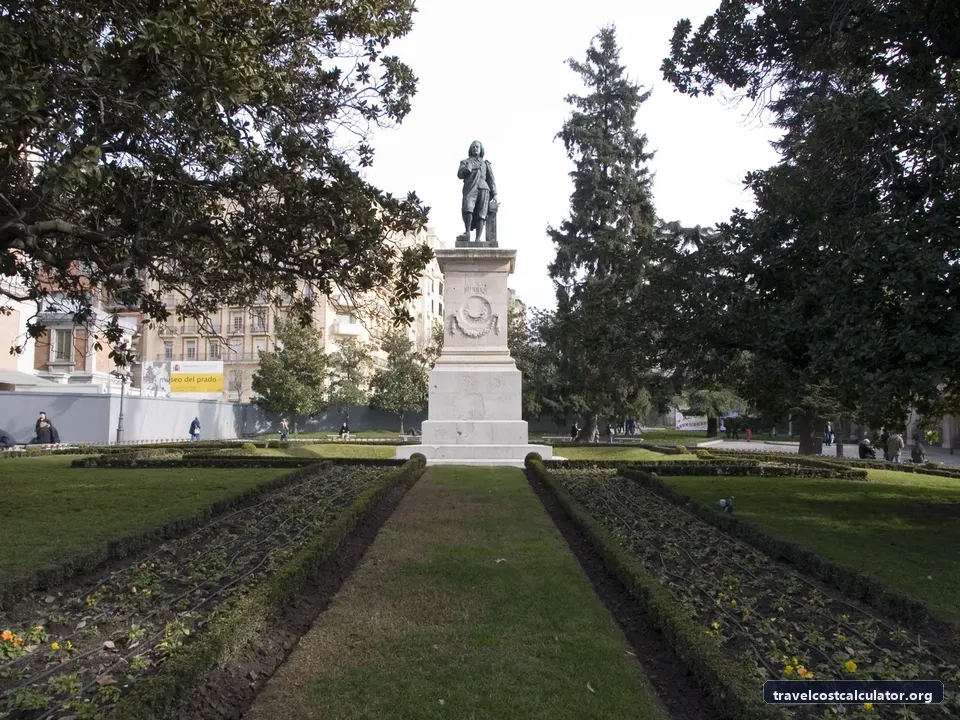
Located at the urban heart of Madrid, this cultural landscape evolved since the creation of the tree-lined Paseo del Prado avenue, a prototype of the Hispanic alameda, in the 16th century.
Paseo del Prado and Buen Retiro, a landscape of Arts and Sciences
🏛️ Overview & Historical Significance
In July 2021, UNESCO officially inscribed Madrid Travel Budget’s "Paseo del Prado and Buen Retiro, a landscape of Arts and Sciences" (famously known in Spain as the Paisaje de la Luz or "Landscape of Light") onto the World Heritage list. Spanning over 200 hectares in the heart of the Spanish capital, this urban cultural site represents an extraordinary synthesis between modeled nature and human intellectual ambition. It was the first tree-lined urban avenue in Europe designed for all citizens regardless of social class, laying the blueprint for Hispanic-American urban planning in subsequent centuries.
The genesis of this landmark dates back to the 16th century with the creation of the Alameda del Prado, but its definitive transformation occurred during the 18th-century Enlightenment under King Carlos III. Carlos III envisioned an "Axis of Knowledge"—an urban corridor where science, art, and public welfare converged harmoniously. The landscape incorporates major institutions created to educate and enlighten the public, including the Royal Botanical Garden (Real Jardín Botánico), the Cabinet of Natural History (now the Prado Museum), and the Royal Observatory (Real Observatorio de Madrid).
Directly adjacent lies El Retiro Park (Parque del Buen Retiro), originally created in the 17th century as a private sanctuary for King Philip IV. Over time, the palace grounds were transformed into a vast public park featuring manicured gardens, serene water basins, architectural monuments, and iron-and-glass exhibition halls. UNESCO recognized this complex not merely as a collection of buildings and trees, but as an evolved cultural landscape where the democratization of science, culture, and nature created an enduring model for public urban space that continues to flourish in 2026.
🎟️ Entrance Fees, Opening Hours & Ticket Booking Tips
Accessing the Paseo del Prado and Buen Retiro UNESCO site involves a combination of free public grounds and ticketed cultural attractions. Accessing the historic boulevard, public squares (such as Plaza de Cibeles and Plaza de Cánovas del Castillo), and the entirety of El Retiro Park is completely free of charge year-round.
2026 Pricing & Admission Costs for Key Sites
-
✦
El Retiro Park & Public Boulevards: Free entry.
-
✦
Prado Museum (Museo del Prado): €15.00 – €18.00 approx. ($16.50 – $20.00 USD) general admission. Free Access Hours: Monday to Saturday from 6:00 PM to 8:00 PM; Sundays and holidays from 5:00 PM to 7:00 PM (expect long queues).
-
✦
Reina Sofía National Art Museum (Museo Reina Sofía): €12.00 – €15.00 approx. ($13.00 – $16.50 USD) general entry. Free Access Hours: Monday, Wednesday through Saturday from 7:00 PM to 9:00 PM; Sundays from 12:30 PM to 2:30 PM.
-
✦
Thyssen-Bornemisza National Museum: €13.00 – €15.00 approx. ($14.00 – $16.50 USD). Free Access Hours: Mondays from 12:00 PM to 4:00 PM (permanent collection only).
-
✦
Real Jardín Botánico: €4.00 – €6.00 approx. ($4.50 – $6.50 USD) general entry.
-
✦
Palacio de Cristal & Palacio de Velázquez (inside Retiro Park): Free entry (art exhibitions managed by Museo Reina Sofía).
Opening Hours (2026 Schedule)
-
✦
El Retiro Park: Open daily. Spring/Summer (April–September): 6:00 AM – 12:00 AM midnight. Autumn/Winter (October–March): 6:00 AM – 10:00 PM.
-
✦
Prado Museum: Monday to Saturday: 10:00 AM – 8:00 PM; Sundays & Holidays: 10:00 AM – 7:00 PM.
-
✦
Thyssen & Reina Sofía Museums: Generally open 10:00 AM – 8:00 PM (Reina Sofía closed on Tuesdays).
Pro Booking Hacks for 2026 Visitors
To maximize your time and budget while exploring the Landscape of Light, consider these insider strategies:
-
✦
Paseo del Arte Card (Art Walk Pass): If you plan to visit the Prado, Reina Sofía, and Thyssen-Bornemisza, purchase the combined Paseo del Arte Card for approximately €32.00 – €36.00 ($35.00 – $40.00 USD). This ticket offers a 20% discount compared to purchasing separate tickets and remains valid for one year.
-
✦
Book Timed Entry Online: The Prado and Reina Sofía enforce strict capacity limits. Reserve your timed-entry ticket online at least 2 to 3 weeks in advance to avoid waiting in non-ticketed lines that can exceed two hours during peak season.
-
✦
Skip the Free Hours Queue: While the daily free hours sound attractive, queues form up to 90 minutes before entry. If your time in Madrid is limited, spending €15 for a quiet morning slot yields a far superior cultural experience.
🚌 How to Get There & Local Transit Costs
The UNESCO landscape occupies a prime central position in eastern Madrid, running roughly parallel between the Atocha Train Station (Estación de Atocha) to the south and the Puerta de Alcalá / Plaza de Cibeles to the north. It is exceptionally well connected by public transit.
From Adolfo Suárez Madrid-Barajas Airport (MAD)
-
✦
Express Bus (203 Line - Linea Aeropuerto): The yellow 203 bus runs 24/7 from Terminals T1, T2, and T4 directly to Plaza de Cibeles and Atocha Station. The ride takes approximately 30–40 minutes. Fare: €5.00 ($5.50 USD) single journey (payable via contactless card on board).
-
✦
Cercanías Suburban Train (Line C1 or C10): Departs from Terminal T4 directly to Atocha Station. Travel time is around 25 minutes. Fare: €2.60 – €3.00 ($2.85 – $3.30 USD). Free if you hold a connecting AVE high-speed train ticket.
-
✦
Metro: Take Line 8 (Pink) from any terminal to Nuevos Ministerios, transfer to Line 10 (Dark Blue) toward Tribunal, and switch to Line 1 (Blue) down to Estación del Arte. Fare: Approx. €4.50 – €6.00 ($5.00 – $6.50 USD) including the airport supplement.
-
✦
Taxi / Rideshare: Taxis operate on a flat rate of €33.00 ($36.00 USD) from Barajas Airport to any location inside Madrid's M-30 ring road (which includes the entire UNESCO zone). Rideshare services like Uber and Cabify cost between €28.00 and €40.00 depending on real-time surge pricing.
Navigating Central Madrid to the Site
Inside the city, Madrid's public transit network (EMT Buses and Metro Madrid) offers efficient access to the zone's primary entry points:
-
✦
Metro Stations:
- Estación del Arte (Line 1): Ideal for the Reina Sofía Museum, Prado South entrance, and Royal Botanical Garden.
-
✦
Banco de España (Line 2): Serves the northern end (Plaza de Cibeles, Thyssen Museum, and Retiro North).
-
✦
Retiro / Ibiza (Line 2 / Line 9): Direct access to the eastern perimeter of El Retiro Park.
📸 Best Photography Spots & Insider Visit Hacks
The Landscape of Light offers a blend of neoclassical architecture, manicured botanical installations, and romantic 19th-century park scenery. Capturing its beauty requires timing your visits around Madrid’s distinct light quality.
Top 5 Photography Locations
-
✦
Palacio de Cristal (Glass Palace) at El Retiro: Designed by Ricardo Velázquez Bosco in 1887, this conservatory of iron and glass reflects across a small lake filled with cypress trees. Best Time: Late afternoon during the "Golden Hour" when sunlight glints through the glass structure.
-
✦
Plaza de Cibeles & Cybele Palace: Frame the neoclassical marble fountain with the dramatic white facade of the Palacio de Cibeles behind it. Best Vantage: From the pedestrian island on Calle de Alcalá or from the Terraza del Cibeles rooftop bar at sunset.
-
✦
Estanque Grande & Monument to Alfonso XII: The large central lake of Retiro flanked by colonnades. Best Time: Early morning, capturing rowboats glinting on still waters before the crowds arrive.
-
✦
Puerta de Alcalá: Located at the northwestern entrance of Retiro Park, this imposing 18th-century triumphal arch looks stunning when framed by the seasonal flowerbeds lining Plaza de la Independencia.
-
✦
Fallen Angel Statue (Fuente del Ángel Caído): Renowned for being one of the world's few public monuments dedicated to Lucifer, situated at an altitude of exactly 666 meters above sea level.
Seasonal Weather & Crowd Avoidance Strategies
-
✦
Optimal Seasons: Spring (April to May) and Autumn (October to November) are peak visiting windows. Temperatures hover between 18°C and 24°C (64°F–75°F), and chestnut trees lining the Paseo del Prado burst into rich greenery or brilliant amber hues.
-
✦
Avoiding Summer Heat: July and August bring extreme dry heat (frequently exceeding 38°C / 100°F). If visiting in summer, conduct outdoor walking tours of Retiro between 8:00 AM and 11:00 AM, reserving heat-heavy afternoon hours for air-conditioned museum halls.
-
✦
Morning Light Strategy: Park gates open at 6:00 AM. Photographers seeking clear shots of the Glass Palace or empty tree-lined avenues of the Paseo del Prado should shoot between 7:30 AM and 9:00 AM before pedestrian activity peaks.
🏨 Nearby Accommodation & Daily Budget Allocation
Staying near the Paseo del Prado puts you within walking distance of Madrid's cultural golden triangle, historic Barrio de las Letras (Literary Quarter), and vibrant dining options.
Recommended Accommodations Near the Site
-
✦
Budget ($40 – $90 / €37 – €83 per night): 2060 Newton Hostel or Cats Hostel Madrid Sol. Located short walks from Estación del Arte, offering modern dormitory beds, clean private rooms, social events, and rooftop terraces.
-
✦
Mid-Range ($140 – $260 / €130 – €240 per night): Hotel Paseo del Arte or One Shot Prado 23. Stylish boutique hotels situated directly on or adjacent to the UNESCO corridor, offering comfortable rooms, rainfall showers, and excellent breakfast options.
-
✦
Luxury ($450 – $1,100+ / €415 – €1,000+ per night): Mandarin Oriental Ritz, Madrid or The Westin Palace, Madrid. Historic 5-star grand hotels commissioned by King Alfonso XIII himself, positioned directly on the Paseo del Prado offering world-class service and fine dining.
Daily Travel Budget Allocations (Estimated 2026 Costs)
Below is a breakdown of projected daily travel expenses while exploring the Paseo del Prado and Buen Retiro landscape, scaled to your travel style:
-
✦
Backpacker / Low-Budget: $60 – $85 (€55 – €78) per day
- Accommodation: Dorm bed in a nearby hostel ($35–$45).
-
✦
Food: Supermarket meals, traditional bakery breakfasts, and a lunchtime Menu del Día ($20–$25).
-
✦
Attractions: Free museum entry windows + walking in Retiro ($0–$5).
-
✦
Transit: Single metro ticket / walking ($3–$5).
- Accommodation: 3-star boutique hotel room (shared cost, $80–$130/person).
- Accommodation: 5-star luxury hotel ($400–$800/person).
Dining Highlights near the Landscape
Avoid expensive tourist traps directly facing major plazas by ducking one or two blocks into neighboring streets:
-
✦
Authentic Budget Tapas: El Sur Travel Budget (Calle Torrecilla del Leal) or La Sanabresa (Calle del Amor de Dios) offer classic Spanish comfort dishes like patatas bravas, tortilla española, and slow-cooked oxtail at fair prices.
-
✦
Park View Dining: Murillo Café (located right next to the Prado Museum's side entrance) offers high-quality Mediterranean fare, artisanal coffees, and light meals on a quiet terrace.
-
✦
Splurge: Deessa by Quique Dacosta inside the Mandarin Oriental Ritz offers a sensory fine-dining experience housed within a gilded salon overlooking the UNESCO landscape.
Frequently Asked Questions
Essential visitor FAQs for Paseo del Prado and Buen Retiro, a landscape of Arts and Sciences
What is the entrance fee for Paseo del Prado and Buen Retiro, a landscape of Arts and Sciences?
How much time do you need to explore Paseo del Prado and Buen Retiro, a landscape of Arts and Sciences?
How do I get to Paseo del Prado and Buen Retiro, a landscape of Arts and Sciences from the nearest city?
📊 Heritage Quick Specs
Visiting Spain on a Budget?
Calculate your full daily travel budget for Spain — including hotel costs, local transport, food, and sightseeing expenses.
View Spain Daily Travel Costs →Explore more UNESCO World Heritage Sites
🏛️ All 1,200+ Heritage Sites →