
 France
Nord-Pas de Calais Mining Basin
Remarkable as a landscape shaped over three centuries of coal extraction from the 1700s to the 1900s, the site consists of 109 separate components over 120,000 ha.
Nord-Pas de Calais Mining Basin
🏛️ Overview & Historical Significance
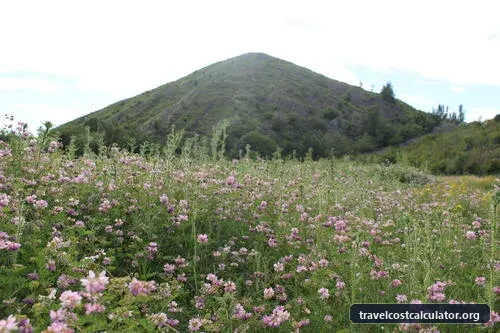
Stretching over 120 kilometers across northern France, the Nord-Pas de Calais Mining Basin represents one of the most remarkable industrial-to-ecological transformations in European history. Recognized by UNESCO in 2012 as a "living, evolving cultural landscape," this vast heritage site encompasses 353 individual elements spread across 87 municipalities. Far from being a single static monument, the basin is a vast patchwork of rewilded black slag heaps (terrils), pithead frames, worker housing estates (corons), railway lines, and grand administrative headquarters built over three centuries of intensive coal extraction.
Coal was first discovered in the region in 1720 at Fresnes-Sur Travel Budget-Escaut, igniting an industrial boom that fueled France’s Industrial Revolution through the 18th, 19th, and 20th centuries. At its peak in the mid-20th century, the basin employed over 200,000 miners working deep underground in treacherous conditions. The last pit, Pit 9-9bis in Oignies, officially closed its shafts in December 1990, ending a long era of heavy industry.
Rather than demolishing this industrial legacy, the region transformed it. Today, the monumental twin slag heaps of Loos-en-Gohelle—the highest in Europe—have turned into biodiversity havens and hiking destinations. The Centre Historique Minier de Lewarde stands as France’s largest mining museum, while world-class cultural institutions like the Louvre-Lens now sit atop former mining pits. UNESCO designated the site under criteria (ii), (iv), and (vi), acknowledging it as an exceptional illustration of human labor, urban planning for working-class communities, and the global industrial heritage that shaped modern Western society.
🎟️ Entrance Fees, Opening Hours & Ticket Booking Tips
Because the Nord-Pas de Calais Mining Basin is a wide geographic landscape, exploring the open-air heritage—such as climbing the slag heaps, walking through historical mining hamlets, and viewing pithead frames—is 100% free. However, entering individual museums, guided mine tours, and cultural centers within the basin requires ticket admission. Below are the updated estimated prices and schedules for 2026.
1. Centre Historique Minier de Lewarde (Historic Mining Center)
This is the centerpiece museum of the basin, offering deep underground shaft tours led by former miners or expert guides, alongside expansive permanent exhibits on coal geology, mining technology, and workers' daily lives.
-
✦
Adult Admission (Self-guided + Guided Mine Tour): €15.50 – €17.00 (~$17.00 – $18.50 USD)
-
✦
Child Admission (Ages 5–17): €9.50 – €11.00 (~$10.50 – $12.00 USD)
-
✦
Family Pass (2 Adults + 2+ Children): €46.00 (~$50.00 USD)
-
✦
Opening Hours (2026): Open daily from 9:00 AM to 7:30 PM (May to October); 1:00 PM to 7:00 PM (Monday to Saturday) and 9:00 AM to 7:00 PM (Sundays/Holidays) during low season. Closed December 25 and January 1 to 31.
-
✦
Booking Tip: Reserve underground guided tour slots at least 5–7 days in advance online during summer peak travel, as hourly group sizes inside the mine shafts are strictly capped for safety.
2. Louvre-Lens Museum
Built on top of former Pit 9 of the Lens Mining Company, this ultra-modern branch of the Paris Travel Budget Louvre features the famous Galerie des Temps (Gallery of Time), exhibiting masterpieces spanning 5,000 years of art history.
-
✦
Galerie des Temps (Permanent Collection): FREE entry for all visitors year-round.
-
✦
Temporary Exhibitions: €11.00 – €13.00 (~$12.00 – $14.00 USD) for adults; free for under-18s.
-
✦
Opening Hours: Wednesday through Monday, 10:00 AM to 6:00 PM (Closed Tuesdays).
3. Cité des Électriciens (Bruay-la-Buissière)
The oldest remaining coron (miners' housing estate) in the region, restored into an artistic, architectural, and educational center.
-
✦
Adult Entry: €7.00 (~$7.60 USD)
-
✦
Reduced / Youth Entry: €4.00 (~$4.35 USD)
-
✦
Opening Hours: Wednesday to Sunday, 1:00 PM to 6:00 PM (Extended morning hours on weekends during summer).
4. Terrils 11/19 (Loos-en-Gohelle)
The famous twin slag heaps offer free, unrestricted public walking access sunrise to sunset. Guided nature and heritage hikes organised by the local eco-museum cost approximately €6.00 – €8.00 (~$6.50 – $8.70 USD).
🚌 How to Get There & Local Transit Costs
The Mining Basin is centrally located in the Hauts-de-France region. The principal transport hubs serving the area are Lille (the regional capital) and Paris.
From Paris to the Basin
-
✦
TGV High-Speed Train: Departs from Paris Gare du Nord to Lens or Douai. Travel time is approximately 1 hour and 05 minutes to 1 hour and 20 minutes.
- Cost (2026 estimates): €18.00 – €55.00 (~$20.00 – $60.00 USD) one-way when booked 3–4 weeks in advance via SNCF Connect.
From Lille to the Basin (Best Base for Day Trips)
-
✦
TER Regional Train: Frequent direct trains run from Lille Flandres station to Lens (30 mins) or Douai (25 mins).
- Cost: €7.20 – €11.50 (~$7.80 – $12.50 USD) one-way.
Local Public Transit Options
-
✦
Tadao Bus Network (Lens/Liévin/Béthune area):
- Bus Line 41 or the dedicated "Bulle 1" bus connects Lens Station directly to the Louvre-Lens and Terrils 11/19 in Loos-en-Gohelle.
-
✦
Single Ticket: €1.40 (~$1.50 USD). 24-Hour Pass: €3.80 (~$4.15 USD).
- Take Bus Line A or Line 5 from Douai Train Station directly to the Centre Historique Minier de Lewarde.
- 2026 Daily Rental Rates: €38.00 – €65.00 (~$41.00 – $70.00 USD) per day including basic insurance.
📸 Best Photography Spots & Insider Visit Hacks
Capturing the stark contrast between northern France's industrial heritage and modern ecological renewal makes the Mining Basin a dream for travel photographers and urban explorers alike.
Top Photography Spots
-
✦
Summit of Terril 11/19 (Loos-en-Gohelle): Hike to the top of the highest twin slag heap in Europe (186 meters above sea level) for 360-degree panoramic views over the surrounding green plains, historic pithead frames, and brick towns.
-
✦
Lewarde Pithead Gear Frame (Chevalement): Frame the massive red steel extraction tower against a vibrant sunset sky. The architectural detail of the surrounding red-brick engine rooms provides striking texture.
-
✦
Cité des Électriciens: Photograph the charming, uniform brick terraced cottages with brightly painted window shutters, flower garden plots, and cobblestone lanes that highlight worker life in the 19th century.
-
✦
Louvre-Lens Exterior: Capture the sleek modern glass and polished aluminum facade of the SANAA-designed museum as it reflects the surrounding landscaped parkland and repurposed mining grounds.
Insider Visit Hacks
-
✦
Timing Your Hike: Visit the Terrils de Loos-en-Gohelle during early morning or early evening (Golden Hour). Mid-day sun can cause heat haze on the dark shale paths, while golden light illuminates the contrast between dark earth and green vegetation.
-
✦
Layer Up & Wear Sturdy Footwear: Slag heaps consist of loose dark shale rock. Hiking boots or sturdy trail sneakers are mandatory. Additionally, the summits of the terrils can be exceptionally windy, even on warm days.
-
✦
Combine Art & History in Lens: Walk the 1.5-km green corridor trail direct from the Louvre-Lens museum parking area to the base of Terrils 11/19, saving on local parking fees and combining two top UNESCO landmarks on foot.
-
✦
Avoid Mondays & Tuesdays: Several smaller museums and visitor centers across the mining basin close on Mondays or Tuesdays (Louvre-Lens is closed Tuesdays; Lewarde low-season schedule varies). Mid-week (Wednesday or Thursday) offers minimal crowds.
🏨 Nearby Accommodation & Daily Budget Allocation
To fully experience the UNESCO landscape, visitors can choose between staying in historical Lens, the quiet regional city of Douai, or the vibrant hub of Lille.
Accommodation Options (2026 Estimated Rates)
-
✦
Budget Eco-Stays & Hostels (Lens/Douai): Simple budget hotel chains (e.g., B&B Hotel Lens Musée Louvre, Hotel ibis budget Lens) or local gîtes.
- Rates: €48.00 – €75.00 (~$52.00 – $81.00 USD) per night.
- Rates: €115.00 – €175.00 (~$125.00 – $190.00 USD) per night.
- Rates: €210.00 – €360.00 (~$228.00 – $390.00 USD) per night.
Dining & Regional Cuisine
No trip to northern France is complete without dining in a traditional Estaminet (rustic Flemish-style tavern). Local specialties are comforting and hearty:
-
✦
Carbonnade Flamande: Tender beef stew cooked slowly in local dark brown beer and gingerbread spices.
-
✦
Le Welch (Welsh Rarebit): Thick slice of bread soaked in beer, topped with ham and smothered in melted pungent Maroilles cheese.
-
✦
Friteries: Northern French chip shops serving double-fried crispy potatoes alongside savory sausages.
-
✦
Average Estaminet Meal Cost: €16.00 – €26.00 (~$17.50 – $28.00 USD) per person including a local craft beer.
Estimated Daily Budget Breakdowns (Per Person)
-
✦
Backpacker / Low-Budget: €55.00 – €75.00 (~$60.00 – $81.00 USD) per day
- Includes: Public transit/bus, street-side Friterie lunch, budget hotel share, free terril hikes, and free Louvre-Lens permanent collection.
- Includes: TER train fare or rental car share, 3-star hotel or converted heritage accommodation, full Lewarde entry + guided mine tour, temporary exhibition entry, and an authentic Estaminet dinner.
- Includes: Private rental car, stay at 4-star Hôtel Louvre-Lens or 5-star Lille boutique hotel, private guided architectural tours, and fine dining.
Frequently Asked Questions
Essential visitor FAQs for Nord-Pas de Calais Mining Basin
What is the entrance fee for Nord-Pas de Calais Mining Basin?
How much time do you need to explore Nord-Pas de Calais Mining Basin?
How do I get to Nord-Pas de Calais Mining Basin from the nearest city?
📊 Heritage Quick Specs
Visiting France on a Budget?
Calculate your full daily travel budget for France — including hotel costs, local transport, food, and sightseeing expenses.
View France Daily Travel Costs →Explore more UNESCO World Heritage Sites
🏛️ All 1,200+ Heritage Sites →