
 India
India
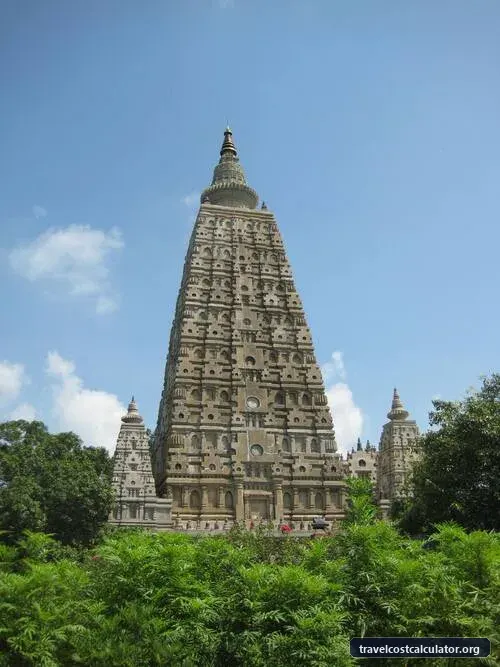
Mahabodhi Temple Complex at Bodh Gaya
The Mahabodhi Temple Complex is one of the four holy sites related to the life of the Lord Buddha, and particularly to the attainment of Enlightenment.
Mahabodhi Temple Complex at Bodh Gaya
🏛️ Overview & Historical Significance
Standing majestically on the banks of the Niranjana (Lilajan) River in the Gaya district of Bihar, India, the Mahabodhi Temple Complex at Bodh Gaya is recognized as the ultimate spiritual heart of Buddhism. It was under the sacred Ficus religiosa (Bodhi Tree) at this precise site that Prince Siddhartha Gautama achieved supreme Enlightenment (Bodh) around 589 BCE, transforming into the Buddha. In recognition of its unparalleled cultural impact, architectural evolution, and ongoing global spiritual legacy, UNESCO inscribed the complex as a World Heritage Site in 2002 under criteria (i), (ii), (iii), (iv), and (vi).
The architectural journey of Mahabodhi spans over two millennia:
-
✦
The Ashokan Era (c. 260 BCE): Emperor Ashoka the Great made a pilgrimage to Bodh Gaya to establish a shrine and monastery. He erected a polished sandstone throne, the Vajrasana (Diamond Throne), directly at the spot where the Buddha sat in meditation.
-
✦
The Gupta & Late Temple Construction (5th–6th Century CE): The current 50-meter (164-foot) grand pyramidal brick temple—one of the oldest surviving brick structures in eastern India—dates primarily to the late Gupta period. Its soaring shikhara spire influenced Buddhist and Hindu temple architecture across Asia, from Myanmar to Thailand and Tibet.
-
✦
Restoration & Survival (19th Century to Present): After centuries of decline following medieval invasions, the temple underwent extensive restoration in the 1880s led by the Archaeological Survey of India (ASI) and Burmese Buddhist scholars. Today, the direct descendant of the original Bodhi Tree stands proudly on the western side of the central tower.
For modern visitors in 2026, entering the Mahabodhi complex offers an intense sensory experience: the soft rustle of Bodhi leaves, the low hum of chanting monks dressed in crimson and saffron robes, and the warm glow of thousands of oil lamps illuminating ancient carved stone railings (vedika).
🎟️ Entrance Fees, Opening Hours & Ticket Booking Tips
Visiting the Mahabodhi Temple Complex remains remarkably accessible, preserving its tradition as a place of open pilgrimage. While general admission is completely free, strict security measures dictate permit fees for recording devices and camera equipment.
2026 Estimated Visitor Fees
| Category | Fee in INR (₹) | Estimated Fee in USD ($) |
|---|---|---|
Opening Hours & Security Protocol
layout standard operations run daily from 5:00 AM to 9:00 PM. Morning chanting generally starts around 5:30 AM, and the evening prayer gathering takes place around 6:00 PM.
Crucial Electronic Rules: Following security directives, mobile phones, smartwatches, power banks, and electronic car keys are STRICTLY PROHIBITED inside the inner sacred compound. You must store all electronics and large bags in the official free/nominal locker facility located at the main security check point near the gate before queuing for metal detectors and physical pat-downs. If you intend to take photographs, you must carry a standalone camera and purchase a physical camera ticket at the ticket counter adjacent to the main security entrance.
🚌 How to Get There & Local Transit Costs
Bodh Gaya is situated in the state of Bihar, approximately 16 kilometers (10 miles) south of Gaya city and 115 kilometers (71 miles) south of Patna, the state capital.
1. Arriving by Air
-
✦
Gaya Airport (GAP): Located just 12 km from Bodh Gaya. It handles domestic connections (Delhi, Kolkata) and seasonal international charter/direct flights from Bangkok, Paro Travel Budget, and Yangon Travel Budget (typically November through March). A prepaid taxi from Gaya Airport to the temple costs between ₹600 and ₹900 ($7 – $11 USD).
-
✦
Patna Jay Prakash Narayan Airport (PAT): The nearest major year-round airport hub (115 km away). A private AC taxi from Patna Airport to Bodh Gaya takes about 3 to 3.5 hours via the upgraded NH-83 highway and costs between ₹2,800 and ₹4,000 ($33 – $48 USD).
2. Arriving by Train
Gaya Junction (GYN) is a major rail head connected to major cities across India via express trains (including Rajdhani and Vande Bharat routes from New Delhi Travel Budget, Kolkata, and Varanasi).
| Route / Transit Type | Estimated Cost (INR) | Estimated Cost (USD) | Travel Duration |
|---|---|---|---|
📸 Best Photography Spots & Insider Visit Hacks
Capturing the serene beauty of the Mahabodhi Temple requires planning, especially considering the strict mobile phone restrictions inside the main gates.
Top Photography Angles
-
✦
The Central Tower from the East Gate Reflection Path: Capture the symmetrical 50-meter stone spire framing the early morning sunlight as butter lamps flicker in the foreground.
-
✦
The Bodhi Tree & Vajrasana: Located behind the main temple. Focus on capturing the golden Buddha statues nestled beneath the spreading canopy of green leaves (ensure non-disruptive, respectful framing).
-
✦
Muchalinda Lake: Situated in the southeastern corner of the temple grounds, featuring a striking statue of the Buddha sheltered by the hood of the serpent king Muchalinda amidst lotus flowers.
-
✦
The 80-Foot Giant Buddha Statue (Daibutsu): Located 1 km west of the main complex along Japanese Temple Road. Frame this massive outdoor stone sculpture against clear blue skies.
Insider Travel Hacks
-
✦
Beat the Heat & Pilgrimage Crowds: The ideal period to visit is between October and March when temperatures average 15°C to 26°C (59°F–79°F). Visit at dawn (5:15 AM) to witness morning chanting with minimal foot traffic.
-
✦
Barefoot Footwear Strategy: Shoes must be removed before entering the inner stone courtyard. During summer months (April–June), the stone flagstones get scorching hot; bring thick clean socks to wear while walking around the walkways.
-
✦
Monastery Hopping: Bodh Gaya is home to dozens of international Buddhist monasteries built by nations like Thailand, Japan, Bhutan, Sri Lanka, Tibet, and Myanmar. Take an auto-rickshaw (around ₹500 / $6 USD for a half-day tour) to explore their distinct regional architecture.
🏨 Nearby Accommodation & Daily Budget Allocation
Bodh Gaya offers diverse lodging options ranging from peaceful monastic guesthouses to international luxury brand hotels catering to global pilgrims.
Where to Stay in 2026
-
✦
Budget / Spiritual Monastic Stays ($12 – $30 / night | ₹1,000 – ₹2,500): Places like the Mahabodhi Society Guest House or local Tibetan monasteries offer clean, basic rooms with peaceful gardens.
-
✦
Mid-Range Hotels ($45 – $90 / night | ₹3,700 – ₹7,500): Options like Hotel Osaka Bodhgaya, Hotel Tokyo Vihar, or Bodhgaya Regency provide modern amenities, AC, complimentary breakfast, and close proximity to the temple compound.
-
✦
Upscale & Heritage Luxury ($130 – $240 / night | ₹10,800 – ₹20,000): Hyatt Place Bodh Gaya and Marasa Sarovar Premiere offer fine dining, spa facilities, swimming pools, and tranquility away from the main streets.
Dining & Food Costs
Bodh Gaya features a rich fusion of Indian, Tibetan, and Southeast Asian cuisine. Try local Tibetan cafes like Be Happy Cafe for brick-oven pizzas, fresh bakery items, and organic coffees, or visit seasonal monk-run stalls for hot momos and thukpa noodle soup (meals average ₹150 – ₹450 / $1.80 – $5.40 USD).
Estimated Daily Budget Breakdowns
| Traveler Style | Daily Accommodation | Meals & Drinks | Local Transport & Fees | Total Daily Budget (USD) |
|---|---|---|---|---|
Frequently Asked Questions
Essential visitor FAQs for Mahabodhi Temple Complex at Bodh Gaya
What is the entrance fee for Mahabodhi Temple Complex at Bodh Gaya?
How much time do you need to explore Mahabodhi Temple Complex at Bodh Gaya?
How do I get to Mahabodhi Temple Complex at Bodh Gaya from the nearest city?
📊 Heritage Quick Specs
Visiting India on a Budget?
Calculate your full daily travel budget for India — including hotel costs, local transport, food, and sightseeing expenses.
View India Daily Travel Costs →Explore more UNESCO World Heritage Sites
🏛️ All 1,200+ Heritage Sites →