
 Spain
Spain
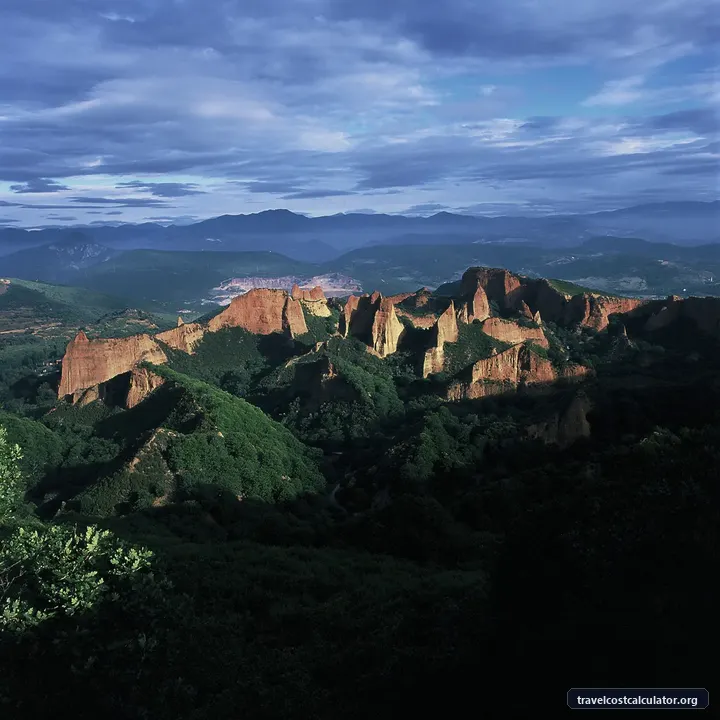
Las Médulas
In the 1st century A.D. the Roman Imperial authorities began to exploit the gold deposits of this region in north-west Spain, using a technique based on hydraulic power. After two centuries of working the depos...
Las Médulas
1. 🏛️ Overview & Historical Significance
Rising dramatically above the verdant valleys of El Bierzo in northwestern Spain, Las Médulas presents one of the world's most surreal human-altered landscapes. What at first glance appears to be a majestic work of natural erosion—lofty rust-red pinnacles jutting out of lush, centuries-old chestnut groves—is actually the monumental scar left by the Roman Empire’s greatest open-pit gold mine. In 1997, UNESCO designated Las Médulas a World Heritage site, citing it as an outstanding example of innovative Roman engineering and a profound testament to how ancient civilizations reshaped the Earth’s topography.
The story of Las Médulas began in the 1st century AD under Emperor Augustus, following the Roman conquest of the indigenous Astures and Canta-bri tribes. Roman engineers quickly identified the rich alluvial gold deposits trapped beneath layers of clay and gravel. To extract the precious metal on an industrial scale, they deployed an extraordinary, destructive technique known as ruina montium ("wrecking of mountains"). Described in vivid detail by Pliny the Elder—who served as a procurator in the region around 74 AD—this method relied on hydraulic power to collapse entire hillsides from the inside out.
Roman surveyors constructed an intricate system of aqueducts and canals spanning over 300 kilometers (186 miles) across the Aquilianos Mountains. Snowmelt and river water were routed into massive storage reservoirs high above the mining site. Simultaneously, enslaved laborers carved deep, narrow subterranean shafts into the soft clay and gravel cliffs. When the reservoir gates were opened, immense torrents of water rushed down into the enclosed tunnels. The trapped air and immense water pressure caused violent underground explosions of compressed air and water, instantly shattering the mountainsides and washing millions of tons of gold-bearing sediment down into sluice gates below.
Over two centuries of operation, the Romans removed an estimated 500 million cubic meters of earth, yielding over 1,600,000 kilograms (approx. 5 million Roman pounds) of gold that financed the grandeur and military campaigns of imperial Rome Travel Budget. By the 3rd century AD, the deposits were exhausted, and the Romans abandoned the site. Nature gradually reclaimed the fractured red clay towers (picos) and deep ravines, filling the valley floor with wild vegetation, aromatic herbs, and sweet chestnut trees (Castanea sativa). Today, Las Médulas stands as a haunting, beautiful monument to ancient human ambition and environmental transformation.
2. 🎟️ Entrance Fees, Opening Hours & Ticket Booking Tips
Visiting Las Médulas offers great financial flexibility. The public trails, scenic walking paths, and major outdoor panoramas are located within an open-access Natural Park, meaning general admission to the site itself is completely free 24/7. However, entering interpretation centers, accessing restricted subterranean galleries, or joining expert-led walking tours requires small entry fees.
2026 Ticket Pricing & Tour Options
-
✦
Natural Park & Viewpoints Access: Free (€0 / $0 USD).
-
✦
Centro de Recepción de Visitantes (Las Médulas Village Visitor Center): Free entry for map collection and basic exhibits.
-
✦
Galería de Orellana (Underground Tunnel Experience): €3.50 – €5.00 ($3.85 – $5.50 USD) per adult. Entry includes hard hat and headlight hire to walk through an authentic Roman water gallery out to a precipitous lookout ledge.
-
✦
Aula Arqueológica (Carucedo Interpretation Center): €3.00 – €4.50 ($3.30 – $5.00 USD). Features scale models, interactive displays, and video reconstructions of the Roman hydraulic mining process.
-
✦
Official Guided Walking Tour (2 to 2.5 Hours): €8.00 – €12.00 ($8.80 – $13.20 USD) per person. Led by regional heritage experts, departing from the primary visitor center in Las Médulas village.
Opening Hours & Logistics
While the outdoor trails remain open from dawn to dusk year-round, official visitor services operate on seasonal schedules:
-
✦
Spring & Summer (April – September): Visitor centers and guided tours run from 10:00 to 14:00 and 16:00 to 20:00 daily.
-
✦
Autumn & Winter (October – March): Open 10:00 to 14:00 and 16:00 to 18:00 (closed on select Mondays in low season).
Insider Booking Tips
To get the most out of your 2026 visit, keep these financial and logistical tips in mind:
-
✦
Book Guided Tours Ahead in Peak Season: Capacity for guided walks and access into the Galería de Orellana is strictly capped to protect the micro-environment. During Holy Week (Semana Santa), summer weekends (July–August), and October chestnut harvest season, reserve tour slots at least 5–7 days in advance through the official El Bierzo tourism portal.
-
✦
Cash vs. Card: While ticket counters accept contactless credit cards, mobile data coverage can be spotty in the mountain ravines. Carry around €15–€20 in cash for small parking fees, rural cafes, or local chestnut vendors.
3. 🚌 How to Get There & Local Transit Costs
Las Médulas is situated in the western corner of the Province of León, near the regional hub of Ponferrada. While remote, it is accessible via rental car, regional buses, or organized excursions.
Step 1: Reaching the Regional Hub (Ponferrada)
Most travelers approach Las Médulas by first traveling to Ponferrada, located roughly 25 kilometers (15.5 miles) northeast of the ruins.
-
✦
From Madrid Travel Budget: High-speed Renfe Alvia trains travel daily from Madrid Chamartín station to Ponferrada in roughly 3 hours and 15 minutes (€35 – €65 / $38 – $71 USD one-way). Express buses operated by ALSA depart Madrid South Bus Station (Méndez Álvaro) taking roughly 4.5 hours (€24 – €38 / $26 – $42 USD).
-
✦
From León City: Regional trains or ALSA buses take approximately 1.5 hours (€8 – €16 / $8.80 – $17.60 USD).
Step 2: Transit from Ponferrada to Las Médulas
-
✦
Car Rental (Recommended Choice): Renting a car from Ponferrada train station or airport hubs in León/Santiago Travel Budget is by far the most flexible option. Driving takes 25 to 30 minutes via the N-536 highway toward Carucedo, following signs for Las Médulas. Car rental rates in 2026 average €30 – €55 ($33 – $60 USD) per day, plus fuel.
-
✦
Local Bus Services: Local public bus lines (operated by regional carriers like Linecar/AUPSA) connect Ponferrada to the village of Las Médulas. However, schedules are limited—typically departing Ponferrada morning around 09:00 or 12:00 and returning late afternoon. Tickets cost between €2.50 and €4.00 ($2.75 – $4.40 USD) each way.
-
✦
Taxi / Private Ride: A standard taxi ride from Ponferrada train station to Las Médulas village costs approximately €35 – €45 ($38.50 – $49.50 USD) one way. It is crucial to schedule your return pickup with the driver in advance, as hailing a taxi in the rural park is difficult.
Parking Costs at the Park
Parking in the village of Las Médulas and near the Mirador de Orellana is managed to control traffic flow. Designated parking lots charge a flat fee of approximately €3.00 – €5.00 ($3.30 – $5.50 USD) per day during peak weekends and summer months, which goes directly toward park conservation.
4. 📸 Best Photography Spots & Insider Visit Hacks
Las Médulas offers striking photographic opportunities, particularly when the red clay formations contrast against green summer leaves or golden autumn foliage.
Top Photography Vantage Points
-
✦
Mirador de Orellana (The Iconic Vista): Situated high above the valley floor, this panoramic overlook provides the classic postcard shot of Las Médulas. You look straight down onto the jagged red clay towers framed by ancient chestnut canopy. Pro Photography Tip: Shoot during late afternoon or the "golden hour" right before sunset. The low west sun illuminates the orange and red clay face, making the mountain spires appear as if they are glowing from within.
-
✦
La Cuevona & La Encantada Caverns: Located along the main lower hiking loop (Senda de las Valiñas). These massive open subterranean cavities showcase the sheer scale of Roman excavations. Stand inside the cavern looking outward to capture dramatic silhouettes framed by massive tree trunks.
-
✦
Lago de Carucedo: A scenic lake formed as a direct result of Roman wastewater and sediment damming the natural water flow. Visit early in the morning when the water is mirror-still for reflection photos of the surrounding mountains and pine forests.
Insider Visit Hacks for 2026
-
✦
Best Seasons to Visit:
- Autumn (October – November): Peak season for visuals and culture. The chestnut trees turn fiery shades of gold and amber, while local villages celebrate Magosto (roasted chestnut festivals). Temperatures average 12°C – 18°C (53°F – 64°F).
-
✦
Spring (April – May): Crisp mountain air, vibrant blooming wildflowers, and rushing streams along the ancient Roman aqueduct routes.
5. 🏨 Nearby Accommodation & Daily Budget Allocation
Visitors to Las Médulas can choose between staying directly inside the natural park in charming rural guesthouses (casas rurales) or basing themselves in the historical city of Ponferrada near the famous Templar Castle (Castillo de los Templarios).
Where to Stay: Accommodation Tiers (2026 Prices)
-
✦
Budget (Hostels & Guesthouses): Cozy local pensions and rural private rooms in Carucedo or Ponferrada range from €35 – €55 ($38 – $60 USD) per night. Ideal for backpackers and Pilgrim hikers along the Camino de Santiago.
-
✦
Mid-Range (Rural Hotels & Posadas): Authentic stone-and-timber boutique hotels in Las Médulas village or nearby Borrenes cost between €70 – €120 ($77 – $132 USD) per night. Many include traditional breakfasts and wood-burning fireplaces.
-
✦
Luxury / Historical Lodging: High-end boutique properties or historical stays in Ponferrada and Villafranca del Bierzo (such as the Parador de Villafranca del Bierzo) range from €130 – €210 ($143 – $231 USD) per night.
Local Gastronomy & Dining Costs
The El Bierzo region is legendary across Spain for its hearty mountain cuisine and outstanding local wines. Expect generous portions at very reasonable prices:
-
✦
Must-Try Dish – Botillo del Bierzo: A protected traditional dish made of spiced, cured, and smoked pork sausage, slow-boiled with potatoes, cabbage, and garbanzo beans (€14 – €22 / $15.40 – $24.20 USD per platter).
-
✦
Bierzo Wines: Sample full-bodied red wines produced from the native Mencía grape or crisp whites made from Godello. A high-quality local glass costs just €2.50 – €4.00 ($2.75 – $4.40 USD) at regional taverns.
-
✦
Daily Menu (Menú del Día): Local taverns offer 3-course lunch menus including bread, wine, and dessert for €12 – €18 ($13.20 – $19.80 USD).
Estimated Daily Budget Breakdowns (2026)
To help you plan your finances effectively, here are estimated daily expenses per person when visiting Las Médulas:
-
✦
Budget Backpacker: €50 – €75 ($55 – $82 USD) / day
- Accommodation: Bed in a shared guesthouse or budget rural room (€25–€35)
-
✦
Meals: Picnic lunch from local markets + budget fixed dinner menu (€18–€25)
-
✦
Transport & Activities: Local bus/shared ride + free park access (€7–€15)
- Accommodation: Private room in a charming rural hotel/posada (€40–€60 per person sharing)
- Accommodation: Superior room in a luxury Parador or high-end estate (€80–€130 per person sharing)
Frequently Asked Questions
Essential visitor FAQs for Las Médulas
What is the entrance fee for Las Médulas?
How much time do you need to explore Las Médulas?
How do I get to Las Médulas from the nearest city?
📊 Heritage Quick Specs
Visiting Spain on a Budget?
Calculate your full daily travel budget for Spain — including hotel costs, local transport, food, and sightseeing expenses.
View Spain Daily Travel Costs →Explore more UNESCO World Heritage Sites
🏛️ All 1,200+ Heritage Sites →