
 Spain
Spain
Historic Walled Town of Cuenca
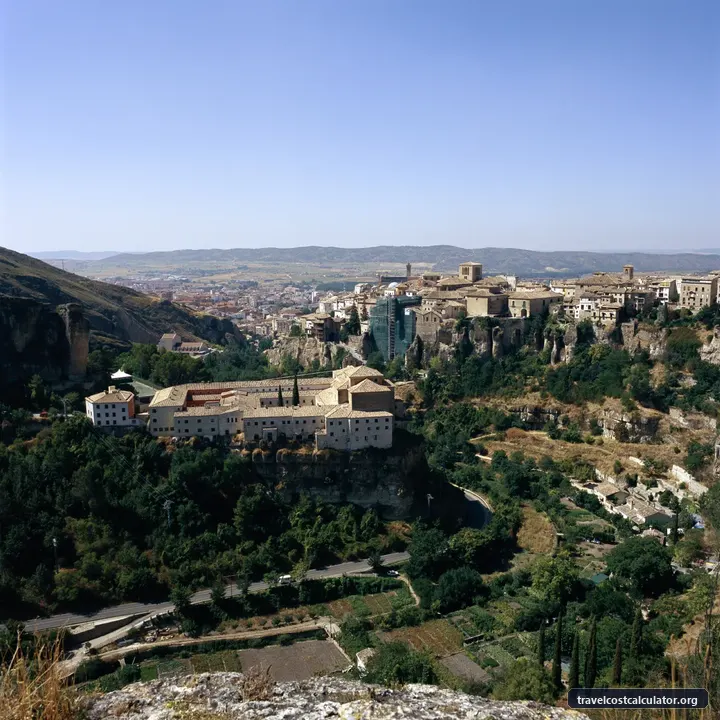
Built by the Moors in a defensive position at the heart of the Caliphate of Cordoba, Cuenca is an unusually well-preserved medieval fortified city.
Historic Walled Town of Cuenca
1. 🏛️ Overview & Historical Significance
Perched dramatically atop a narrow limestone ridge between the sheer gorges of the Júcar and Huécar rivers, the Historic Walled Town of Cuenca Travel Budget is one of Spain’s most visually breathtaking and historically intact medieval strongholds. In 1996, UNESCO designated Cuenca a World Heritage site, citing its exceptional preservation of a medieval fortified city, its seamless integration into the rugged natural cliff landscape, and its remarkable architectural evolution from an Islamic fortress into a pivotal Christian royal town and bishopric.
Originally built by the Moors in the 8th century as an impregnable fortress called Kunka, the town was strategically positioned to command the central Iberian plateau. In 1177, King Alfonso VIII of Castile conquered the citadel after a nine-month siege, transforming Cuenca into a crown city and an administrative center of religion and textile wealth. The urban planning of Cuenca stands out because it adapted to extreme topography rather than flattening it: buildings were engineered straight into the cliff walls, giving birth to the famous Casas Colgadas (Hanging Houses) which cling precariously over the 100-meter-deep Huécar gorge.
Today, walking through Cuenca’s cobblestone labyrinth feels like stepping into a living museum of Castilian history. Key heritage highlights include:
-
✦
Catedral de Santa María y San Julián: Commenced in the late 12th century, this structure is renowned as Spain’s very first Norman-Gothic cathedral, reflecting Anglo-Norman influences imported by Alfonso VIII’s queen, Eleanor of England.
-
✦
Casas Colgadas (Hanging Houses): The iconic symbol of the city, dating back to the 15th century. Featuring cantilevered wooden balconies, these structures house the prestigious Spanish Abstract Art Museum (Museo de Arte Abstracto Español).
-
✦
The Medieval Ramparts & Barrio del Castillo: The original defensive system that kept centuries of invaders at bay, offering sweeping panoramic vistas across the La Mancha wilderness.
2. 🎟️ Entrance Fees, Opening Hours & Ticket Booking Tips
Access to the historic center of Cuenca, its public plazas, atmospheric alleyways, and cliffside lookouts is completely free 24/7. However, entering individual historical monuments, towers, and museums requires individual admission tickets or a combined city pass. Below are the estimated updated pricing and scheduling guidelines for 2026.
Key Attraction Prices & Schedules (Estimated 2026 Rates)
-
✦
Cuenca Cathedral & Cloister:
- General Admission: €8.50 (~$9.30 USD) including audio guide.
-
✦
Reduced (Seniors, Students, Youth 7–18): €7.00 (~$7.60 USD).
-
✦
Combined Ticket (Cathedral + Triforium Climb + Diocesan Museum): €12.50 (~$13.70 USD).
-
✦
Hours: Open daily 10:00 AM – 7:30 PM (Closes at 6:00 PM in winter).
- General Admission: €5.00 (~$5.50 USD).
- Admission: Free for outdoor square access; Tower climb €3.00 (~$3.30 USD).
- Price: €16.00 (~$17.50 USD).
Pro Tips for Ticket Booking & Savings in 2026
To avoid queues during peak Castilian holiday weekends (such as Semana Santa/Easter or October’s Hispanic Day), reserve your entry tickets for the Cathedral and Abstract Art Museum online at least 3 to 5 days in advance via their official portals. If traveling on a budget, take advantage of the free entry window for the Abstract Art Museum on Wednesday afternoons, and note that entering the Cathedral during religious services (morning mass) is free for worshipers, though sightseeing during services is restricted.
3. 🚌 How to Get There & Local Transit Costs
Cuenca is located roughly 170 kilometers (105 miles) east of Madrid in the region of Castile-La Mancha. Thanks to Spain’s high-speed rail network, it is one of the easiest day trips or overnight escapes from the capital.
Option 1: High-Speed Train (AVE / Avlo / Iryo) — Fastest & Most Convenient
High-speed trains depart regularly from Madrid Chamartín or Madrid Atocha stations arriving at Cuenca Fernando Zóbel Station (located 5 km outside the historic town center).
-
✦
Travel Time: 50 to 60 minutes.
-
✦
Ticket Cost (2026 Rates): €15.00 – €45.00 ($16.50 – $49.00 USD) each way depending on operator (Avlo budget options start around €15, while AVE/Iryo peak fares run around €35–€45). Booking 2–4 weeks in advance yields the lowest rates.
-
✦
Connecting to Old Town: From Fernando Zóbel station, hop on Urban Bus Line 1 (L1) directly to the historic upper town (Plaza Mayor). The bus runs every 15–20 minutes, takes 20 minutes, and costs €1.30 (~$1.40 USD) cash or contactless pay on board. Alternatively, a taxi to Plaza Mayor costs approximately €12.00–€16.00 (~$13.00–$17.50 USD).
Option 2: Regional Bus (Avanza Bus) — Budget Alternative
Intercity buses operated by Avanza run from Madrid’s Estación Sur Travel Budget de Autobuses (Méndez Álvaro) directly to the central Cuenca Bus Station (located in the lower town, closer to the historic center than the high-speed rail station).
-
✦
Travel Time: 2 hours 15 minutes to 2 hours 30 minutes.
-
✦
Ticket Cost: €14.00 – €18.00 (~$15.20 – $19.60 USD) one-way.
-
✦
Connecting to Old Town: Walk 10 minutes from the bus station to Calle Colón and board Urban Bus Line 1 or 2 (L1 / L2) uphill to Plaza Mayor (€1.30 / $1.40 USD).
Option 3: Driving & Parking Logistics
If driving from Madrid via the A-40 motorway, expect a journey time of about 1 hour and 45 minutes. Warning: Driving inside the upper historic town of Cuenca is heavily restricted to residents, extremely narrow, and steep. Park your vehicle in the large underground public parking lot at Parking Plaza de España in the lower city (~€18.00/$19.50 USD per 24 hours) or the parking lot near Barrio del Castillo at the top of the cliff, then explore entirely on foot.
4. 📸 Best Photography Spots & Insider Visit Hacks
Cuenca is a visual paradise where dramatic cliff geography meets antique Castilian architecture. Capturing the perfect photo requires understanding the unique light angles created by the deep river canyons.
Top 4 Photography Viewpoints
-
✦
Puente de San Pablo (San Pablo Iron Bridge): Spanning the Huécar gorge at a dizzying height of 40 meters, this pedestrian bridge offers the definitive iconic shot of the Casas Colgadas clinging to the sheer rock wall. Best time: Late afternoon to Sunset, when the warm golden hour light illuminates the facade of the hanging houses.
-
✦
Mirador del Castillo: Located at the highest point of the old town near the old fortress ruins. This vantage point delivers a jaw-dropping aerial panorama overlooking both river gorges and the sea of red-tiled roofs below.
-
✦
Calle Alfonso VIII: Famous for its ultra-narrow, multi-story medieval buildings painted in vibrant shades of terracotta, ochre, cobalt, and mustard. Best time: Mid-morning, when sunlight pierces down the narrow street corridor.
-
✦
Cerro del Socorro: Located across the valley on the opposite cliff (marked by a large Christ statue). This lookout provides a distant, sweeping landscape photo of the entire fortified town perched on its rocky peninsula.
Insider Hacks to Avoid Crowds & Optimize Your Visit
-
✦
Seasonal Timing: The absolute best months to visit are April–May and September–October. Temperatures are ideal for steep uphill walking (18°C–24°C / 64°F–75°F). Mid-summer (July–August) can exceed 35°C (95°F) with intense sun, while winter (December–February) can be biting cold and foggy.
-
✦
Footwear Essential: Wear high-traction walking shoes. The historic core consists entirely of cobblestones, steep ramps, and long stairways. Avoid heels or smooth-soled sandals.
-
✦
Night Lights Magic: Do not miss walking across the Puente de San Pablo after dark. The lit-up Casas Colgadas and illuminated Cathedral create an eerie, romantic atmosphere with zero day-trip crowds.
5. 🏨 Nearby Accommodation & Daily Budget Allocation
Staying overnight in Cuenca allows you to experience the peaceful atmosphere of the Old Town after day-trippers return to Madrid. Accommodations range from historic convents to charming boutique guest houses.
Recommended Accommodation Options (2026 Pricing)
-
✦
Budget: Hostal Posada Huécar or Green River Hostel
Clean, comfortable accommodations located near the lower entrance of the old town or along the river gorge. Rooms start at €35 – €60 / night ($38 – $65 USD) for private rooms or €20 ($22 USD) for dorm beds.
-
✦
Mid-Range: Hotel Convento del Giraldo or Posada de San José
Restored 16th-to-17th-century buildings nestled right in the heart of the historic center, featuring exposed timber beams and canyon views. Rates range from €85 – €145 / night ($93 – $158 USD).
-
✦
Luxury / Unique Heritage: Parador de Cuenca
A converted 16th-century Dominican monastery located directly across the canyon on the cliffside opposite the Casas Colgadas. Features a pool, cloister courtyard, and unbeatable views of the illuminated town. Rates range from €170 – €290 / night ($185 – $316 USD).
Local Gastronomy & Dining Costs
Cuenca’s cuisine is rustic, hearty, and unique to the mountainous region of La Mancha. Expect to try Morteruelo (a warm, spiced meat paste served with crusty bread), Zarajos (marinated and grilled lamb intestines wrapped around hazel branches), Ajoarriero (a delicate cod and garlic dip), and finish with Resoli (a sweet local coffee-and-citrus liqueur).
-
✦
Tapas & Casual Lunch: €12 – €18 ($13 – $20 USD) per person at local taverns around Plaza Mayor.
-
✦
Traditional 3-Course Dinner (Sit-Down): €30 – €50 ($33 – $55 USD) per person including local D.O. Uclés or La Mancha wine.
Estimated Daily Travel Budgets for 2026
-
✦
Backpacker Budget Planner: €65 / ~$71 USD per day (Hostel bed, street food/tapas, bus transit, free viewpoints & 1 paid monument).
-
✦
Mid-Range Explorer: €165 / ~$180 USD per day (3-star boutique hotel, high-speed train ticket amortized, full lunch menu + evening dinner, combined museum pass).
-
✦
Luxury Traveler: €380+ / ~$415+ USD per day (Parador stay, fine dining at Michelin-recommended establishments, private taxi transfers, full attraction access).
Frequently Asked Questions
Essential visitor FAQs for Historic Walled Town of Cuenca
What is the entrance fee for Historic Walled Town of Cuenca?
How much time do you need to explore Historic Walled Town of Cuenca?
How do I get to Historic Walled Town of Cuenca from Madrid?
📊 Heritage Quick Specs
Visiting Spain on a Budget?
Calculate your full daily travel budget for Spain — including hotel costs, local transport, food, and sightseeing expenses.
View Spain Daily Travel Costs →Explore more UNESCO World Heritage Sites
🏛️ All 1,200+ Heritage Sites →