
 Ethiopia
Harar Jugol, the Fortified Historic Town
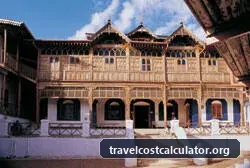
The fortified historic town of Harar is located in the eastern part of the country on a plateau with deep gorges surrounded by deserts and savannah.
Harar Jugol, the Fortified Historic Town
🏛️ Overview & Historical Significance
Encased within ancient, sun-baked limestone walls in eastern Ethiopia lies Harar Jugol, the Fortified Historic Town. Inscribed as a UNESCO World Heritage site in 2006, Harar Jugol is widely revered as the fourth holiest city in Islam, standing shoulder-to-shoulder with Mecca, Medina, and Jerusalem Travel Budget in spiritual heritage. For centuries, this fortified city operated as a vibrant cross-continental trading hub connecting the Horn of Africa to the Arabian Peninsula and the Indian Ocean trade routes.
The city's historic core is encircled by a massive 4-meter-high protective wall (the Jugol), constructed between the 13th and 16th centuries. Within its 48-hectare perimeter, Harar Jugol features a mind-boggling maze of 368 narrow alleyways packed with 82 historic mosques—three of which date back to the 10th century—and 102 sacred shrines (tomb monuments). What makes Harar Jugol globally unique is its architectural synthesis: indigenous Harari townhouses (known as Gefat) showcase a distinct interior structure with multi-tiered seating platforms and wall niches dedicated to displaying imported Chinese porcelain and traditional woven crafts.
Harar is equally famous for its centuries-old cultural tolerance, where Islamic traditions seamlessly intersect with local Oromo, Amhara, and Somalian cultures. Adding to its mystique is its association with French symbolist poet Arthur Rimbaud, who spent his final years living within these walls, and the world-renowned Hyena Men of Harar, who maintain a wild, symbiotic relationship feeding spotted hyenas by hand (and mouth) outside the city gates every night.
🎟️ Entrance Fees, Opening Hours & Ticket Booking Tips
Exploring the historic streetscapes of Harar Jugol is completely free, as the old town remains a living, breathing residential community. However, specific museums, historic home tours, and nighttime events within and around the walls charge localized entry fees. As of 2026, most transactions in Harar are strictly cash-based in Ethiopian Birr (ETB).
Key Sightseeing Ticket Pricing (Estimated 2026 Rates)
-
✦
Arthur Rimbaud Cultural Center & Museum: 350 ETB (~$2.70 USD) per person. Open daily: 8:00 AM – 12:00 PM & 2:00 PM – 5:30 PM.
-
✦
Sheriff Harar City Museum (Cultural Heritage Collection): 300 ETB (~$2.30 USD). Open daily: 8:30 AM – 5:00 PM (Closed during midday Friday prayers).
-
✦
Traditional Harari Cultural House Tours (Gefat): 250 ETB (~$1.90 USD). Private home entry, flexible hours arranged with guides.
-
✦
Ras Makonnen Palace: 200 ETB (~$1.50 USD). Open daily: 8:30 AM – 5:00 PM.
-
✦
Nightly Hyena Feeding Ritual (Lugman / Fallana Gate Sites): 700 – 1,000 ETB (~$5.40 – $7.70 USD) spectator fee, plus an optional 300 ETB tip if you feed the hyenas yourself. Starts around dusk (6:30 PM – 7:30 PM daily).
Guide Fees & Money Tips
Navigating Harar’s 368 confusing alleys without a guide is nearly impossible for first-time visitors. Hiring a licensed, English-speaking Harari guide is essential and costs between 2,000 ETB and 3,000 ETB (~$15.00 – $23.00 USD) per day. Guides manage entry permissions into active private homes and traditional shrines that independent tourists cannot access.
Crucial Financial Tip for 2026: Carry sufficient physical cash. ATMs inside the old town are unreliable and frequently out of service or cash. Withdraw your anticipated Birr funds in Addis Ababa Travel Budget or Dire Dawa prior to arriving in Harar.
🚌 How to Get There & Local Transit Costs
Harar is located in eastern Ethiopia, roughly 525 km from Addis Ababa. Because there is no commercial airport directly in Harar, travelers travel via the neighboring hub city of Dire Dawa, situated approximately 55 km (1 to 1.5 hours drive) to the northwest.
Step 1: Traveling from Addis Ababa to Dire Dawa
-
✦
By Air (Fastest & Most Reliable): Ethiopian Airlines operates multiple daily domestic flights from Addis Ababa Bole International Airport (ADD) to Dire Dawa Aba Tenna Dejazmach Yilma International Airport (DIR). One-way flights in 2026 cost between $70 USD and $115 USD (1 hour duration).
-
✦
By Express Passenger Train: The Ethio-Djibouti Travel Budget Railway operates daily passenger services connecting Addis Ababa (Furi-Labu Station) to Dire Dawa Station. Standard seating costs approx. 1,800 to 2,500 ETB (~$14 – $19 USD) and takes 8 to 10 hours.
Step 2: Traveling from Dire Dawa to Harar
-
✦
Shared Minibus (Budget Option): Departs regularly from the main Dire Dawa bus terminal once full. Fares cost roughly 200 ETB (~$1.50 USD) per seat.
-
✦
Private Taxi / Ride-Hailing Transfer: A private vehicle arranged from Dire Dawa Airport directly to Harar Jugol's main entrance costs between 3,000 ETB and 4,000 ETB (~$23 – $30 USD) per car.
Getting Around Harar
Motorized vehicles are barred from entering inside the narrow historic alleyways of Jugol. Navigation inside the walls is strictly on foot. Outside the historic city gates, blue-and-white Bajajs (three-wheeled motorized rickshaws/tuk-tuks) are the standard transit method. Short rides around the city perimeter cost 50 to 100 ETB (~$0.40 – $0.80 USD).
📸 Best Photography Spots & Insider Visit Hacks
Top Photography Hotspots
-
✦
Arthur Rimbaud Cultural Center Upper Balcony: Features vibrant Indian-influenced stained glass windows framing panoramic rooftop views of the historic minarets and colorful Jugol rooftops.
-
✦
Makina Girgir (Tailor Street): Known as "the street of sewing machines," where dozens of outdoor tailors operate antique treadle machines against wall backdrops of brightly colored textiles.
-
✦
The Five Historic Gates: Particularly Shoa Gate (Asmadin Bari) and Erer Gate. Visit early in the morning when morning light hits the historic whitewashed outer walls as spice merchants set up shop.
-
✦
Traditional Harari Home Interiors: Intricate displays of handwoven baskets (Garantoor) and enamel bowls arranged symmetrically on clean plaster walls offer incredible detail shots.
-
✦
The Nightly Hyena Feeding Site: Capture iconic low-light photos of the famous Hyena Man feeding wild hyenas meat from a short wooden stick held in his mouth. Ensure your camera handles high ISO settings well; avoid harsh direct camera flashes that disturb the animals.
Insider Visit Hacks & Etiquette
-
✦
Best Time of Year: The optimal travel window is during Ethiopia’s dry winter season from October to February, featuring sunny days, cool evenings, and pleasant temperatures averaging 20°C – 25°C (68°F – 77°F).
-
✦
Dress Code & Religious Cultural Sensitivity: Harar Jugol is a deeply traditional Islamic community. Both men and women should dress conservatively (covering shoulders, chest, and knees). Women should carry a light headscarf to wear when passing active mosques or entering sacred shrines.
-
✦
Khat Culture Awareness: Khat (a natural mild stimulant leaf) is central to Harari social life. Life moves at a slower pace in the afternoon as locals gather for chewing sessions. Schedule your active guided walks for the morning hours (8:30 AM – 12:00 PM) when markets are liveliest and heat is manageable.
🏨 Nearby Accommodation & Daily Budget Allocation
Recommended Accommodation Options (2026 Rates)
-
✦
Authentic Cultural Stay (Inside Jugol): Rewda Cultural Guesthouse or Zumra Harari Traditional House. Experience staying inside a real historic Harari home sleeping on traditional multi-tiered platforms. $20 – $35 USD / night (Includes breakfast).
-
✦
Mid-Range Modern Hotel (Outside Jugol Walls): Wonderland Hotel Harar or Grand Gato Hotel. Offers modern rooms, Wi-Fi, hot showers, and private parking within a short Bajaj ride of Shoa Gate. $50 – $85 USD / night.
-
✦
Historic Mid-Range: Ras Hotel Harar. A government-built historic property located just outside the old city walls offering basic amenities and classic gardens. $40 – $65 USD / night.
Daily Budget Allocation (Per Person, 2026 Estimates)
Backpacker / Low-Budget Traveler: $30 – $45 USD / day
-
✦
Accommodation: $15 (Shared traditional guesthouse room)
-
✦
Food & Drink: $8 (Local street food, traditional Injera dishes, coffee)
-
✦
Transit: $2 (Shared minibus & Bajaj rides)
-
✦
Activities & Entry: $10 (Hyena feeding entry, self-guided exploration)
Mid-Range Comfort Traveler: $90 – $140 USD / day
-
✦
Accommodation: $60 (Mid-range hotel or upgraded traditional stay)
-
✦
Food & Drink: $20 (Restaurant dining, Harari stews, local fresh juices)
-
✦
Private Licensed Guide: $20 (Full-day immersive tour)
-
✦
Transit & Tickets: $25 (Private taxis, museum entrance fees, hyena feeding tip)
Frequently Asked Questions
Essential visitor FAQs for Harar Jugol, the Fortified Historic Town
What is the entrance fee for Harar Jugol, the Fortified Historic Town?
How much time do you need to explore Harar Jugol, the Fortified Historic Town?
How do I get to Harar Jugol, the Fortified Historic Town from the nearest city?
📊 Heritage Quick Specs
Visiting Ethiopia on a Budget?
Calculate your full daily travel budget for Ethiopia — including hotel costs, local transport, food, and sightseeing expenses.
View Ethiopia Daily Travel Costs →Explore more UNESCO World Heritage Sites
🏛️ All 1,200+ Heritage Sites →