
 Mexico
Earliest 16th-Century Monasteries on the Slopes of Popocatepetl
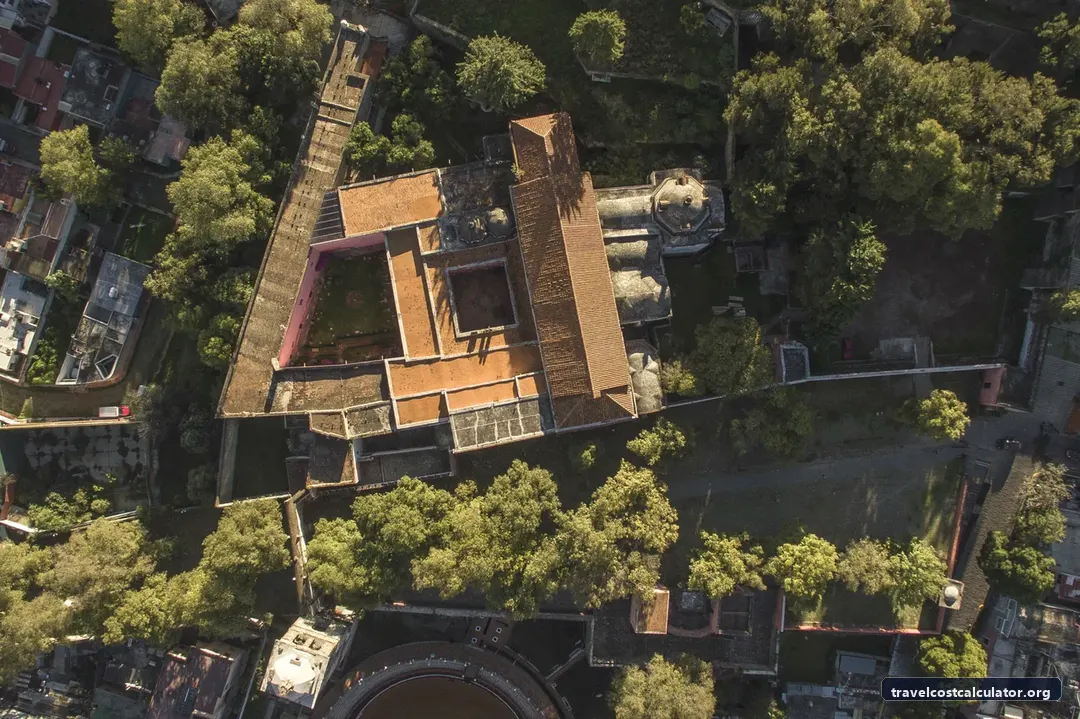
The Earliest 16th-Century Monasteries on the Slopes of Popocatepetl is a serial property with 15 component parts located in the states of Morelos, Puebla and Tlaxcala in Mexico, built as part of the evangelisat...
Earliest 16th-Century Monasteries on the Slopes of Popocatepetl
🏛️ Overview & Historical Significance
Inscribed as a UNESCO World Heritage site in 1994—and expanded in 2021 to include the iconic Franciscan Monastery and Cathedral of Tlaxcala—the Earliest 16th-Century Monasteries on the Slopes of Popocatepetl represent a pivotal moment in global architectural and religious history. Located on the eastern and southern flanks of Mexico's famous active volcano, Popocatépetl, this network of 15 monastic settlements spans three Mexican states: Morelos, Puebla, and Tlaxcala.
Following the Spanish conquest of Tenochtitlan in 1521, early Mendicant friars—primarily from the Franciscan, Dominican, and Augustinian orders—embarked on an aggressive campaign of spiritual transformation. Faced with evangelizing millions of Indigenous Nahua people across vast mountainous terrains, these religious orders devised an innovative architectural model designed specifically for mass open-air conversion.
The UNESCO designation recognizes these complexes for several extraordinary architectural and cultural breakthroughs:
-
✦
The Open Chapel (Capilla Abierta): Indigenous Mesoamericans were unaccustomed to worshipping inside enclosed, dark spaces. To bridge this cultural divide, friars created large exterior altars where thousands could gather in open plazas while mass was performed.
-
✦
The Massive Atrium (Atrio): Expansive walled courtyards functioned as central gathering hubs, schools, and outdoor ceremonial spaces.
-
✦
Processional Corner Chapels (Capillas Posas): Situated at the four corners of the atrium, these unique stone structures hosted station stops during elaborate religious processions.
-
✦
Fortress Architecture: High battlements, merlons, and thick stone masonry gave these early monasteries a fortified look, reflecting both defensive security needs and symbolic fortress-of-faith design.
-
✦
Tequitqui Artistry: The stone carvings showcase European Gothic, Renaissance, and Mudéjar elements executed by native Nahua artisans, giving birth to a unique hybrid Indo-Christian aesthetic.
Visiting these complexes in 2026 offers an authentic travel experience far removed from standard tourist traps, allowing visitors to stand in the exact footprint where two worlds collided nearly five centuries ago.
🎟️ Entrance Fees, Opening Hours & Ticket Booking Tips
Navigating entrance logistics across 15 separate monastic sites requires clear, updated information for 2026 travelers. Because ownership is Split Travel Budget between Mexico’s National Institute of Anthropology and History (INAH) and active local Catholic parishes, admission procedures vary by location.
2026 Standard Admission Prices
-
✦
INAH Monasteries & Museums (e.g., Huejotzingo, Tepoztlán Ex-Convento): Official INAH Category entrance fees range from 95 MXN to 110 MXN ($5.25 – $6.00 USD) per adult.
-
✦
Active Parish Monasteries (e.g., Tochimilco, Atlatlahucan, Yecapixtla): Free entry. A modest contribution of 20 MXN to 50 MXN ($1.10 – $2.75 USD) toward local parish preservation boxes is recommended.
-
✦
Tlaxcala Cathedral Complex: Free entry to the main sanctuary and atrium; access to the ex-convent museum costs 95 MXN ($5.25 USD).
-
✦
Child & Senior Discounts: Children under 13, seniors with valid INAPAM credentials, and visitors with disabilities enter INAH sites for free.
Opening Hours & Visit Logistics
-
✦
INAH Monasteries: Tuesday through Sunday, 9:00 AM – 5:00 PM (Strictly closed on Mondays for maintenance).
-
✦
Active Parish Churches: Open daily, roughly 7:00 AM – 7:00 PM. Respect mass services (usually around 8:00 AM and 6:00 PM) by keeping photography quiet and non-disruptive.
Pro Tips for 2026 Travelers
Cash is Essential: Credit cards are rarely accepted at rural monastery ticket counters or local souvenir stalls. Bring small bills in Mexican Pesos (20, 50, and 100 MXN notes). Additionally, while INAH allows standard smartphone photography for free, commercial video equipment or tripods require an INAH permit fee of approximately 55 MXN ($3.00 USD).
🚌 How to Get There & Local Transit Costs
The monasteries are distributed around Popocatépetl. The three primary launching points are Mexico City Travel Budget (CDMX), Puebla City, and Cuernavaca.
Route A: From Mexico City or Puebla to the Northern Loop (Huejotzingo & Calpan)
This is the easiest itinerary for day-trippers focusing on the state of Puebla.
-
✦
Step 1 (Bus to Huejotzingo): From Mexico City’s TAPO terminal or Puebla’s CAPU terminal, take an Estrella Roja or AU bus to Huejotzingo. Fare: 75 MXN to 130 MXN ($4.00 – $7.25 USD) each way (1 to 1.5 hours).
-
✦
Step 2 (Local Combi to Calpan): From Huejotzingo’s central square, board a local passenger minivan (combi) marked "San Andrés Calpan." Fare: 18 MXN to 25 MXN ($1.00 – $1.40 USD) (20 minutes).
Route B: From Mexico City to the Morelos Circuit (Tepoztlán, Atlatlahucan, Yecapixtla)
Ideal for exploring the lush southern slopes near Cuernavaca.
-
✦
Step 1 (Express Bus): Take an OCC or Pullman de Morelos bus from Mexico City’s Terminal del Sur Travel Budget (Tasqueña) directly to Tepoztlán. Fare: 180 MXN to 220 MXN ($10.00 – $12.25 USD) (1.5 hours).
-
✦
Step 2 (Connecting Rural Monasteries): From Tepoztlán or nearby Cuautla, regional combis link towns like Atlatlahucan and Yecapixtla for 20 MXN to 40 MXN ($1.10 – $2.20 USD) per leg.
Rental Car & Private Driver Estimates (2026 Rates)
Self-driving offers maximum efficiency if you wish to see 3 to 5 monasteries in a single day. Highway tolls (casetas) between Mexico City, Puebla, and Morelos run roughly 250 MXN to 450 MXN ($14.00 – $25.00 USD) round trip. Rental cars in Puebla or CDMX cost $35 – $60 USD per day including basic insurance. Hiring a local private driver for a full 8-hour monastery loop costs between 2,000 MXN and 2,800 MXN ($110 – $155 USD).
📸 Best Photography Spots & Insider Visit Hacks
Unmissable Photographic Locations
-
✦
San Andrés Calpan (Puebla): Home to the most exquisite stone-carved Capillas Posas in North America. Frame the relief carvings of angels and the Apocalypse in the foreground with the snow-capped peak of Popocatépetl rising behind the church walls.
-
✦
Ex-Convento de San Miguel Arcángel (Huejotzingo): Photograph the dramatic Plateresque main facade during early morning light, capturing the intricate rope-style Franciscan carvings (cordón franciscano).
-
✦
Ex-Convento de la Natividad (Tepoztlán): Climb up toward the upper floor loggia for sweeping, cinematic views of the red-tiled monastery roofs backed by the towering emerald cliffs of Tepozteco Mountain.
-
✦
Cathedral of the Assumption (Tlaxcala): Shoot the distinctive freestanding bell tower (detached from the church body) and the stunning interior Mudéjar wooden ceiling, which remains one of the finest surviving examples in the Americas.
Insider Hacks & Volcano Safety Guidelines
1. Golden Hour vs. Afternoon Clouds: The volcano slopes gather heavy cloud cover by mid-afternoon, especially between May and October. Start your photography tour by 8:00 AM to secure clear skies with Popocatépetl in the background.
2. Volcanic Activity Check (CENAPRED Alerts): Popocatépetl is an active stratovolcano. Before traveling to close-proximity sites like Tochimilco, Tetela del Volcán, or Hueyapan, check the official CENAPRED Volcanic Traffic Light Warning System. If the alert is at Amarillo Fase 2 or 3, safety exclusion zones (typically 12 km from the crater) are enforced. Dustings of fine volcanic ash (ceniza) can occur; carry a face mask (N95) and protective eyewear in your daypack.
3. Culinary Pairing Hack: When visiting the Yecapixtla monastery, sample its world-famous regional culinary staple: authentic Cecina de Yecapixtla (salted, sun-cured beef served with fresh cream, artisanal cheese, and handmade tortillas).
🏨 Nearby Accommodation & Daily Budget Allocation
To experience the monasteries comfortably without rushing, base yourself in one of three surrounding cities: Tepoztlán (for atmosphere and boutique stay), Puebla City (for history and high-end dining), or Cuernavaca (for central transit accessibility).
Recommended Lodging Options (2026 Rates)
-
✦
Budget Traveler ($20 – $40 USD / night): Friendly hostels and modest family-run posadas in central Puebla or Tepoztlán (e.g., Posada del Tepozteco economy rooms or Hostel Villa Catedral in Puebla).
-
✦
Mid-Range Traveler ($75 – $140 USD / night): Restored colonial boutique hotels featuring lush courtyards and heated pools (e.g., Hotel Posada Cuernavaca, Hotel Mesón de San Sebastián in Puebla, or Hotel La Posada del Tepozteco).
-
✦
Luxury Traveler ($220 – $450+ USD / night): World-class luxury resorts and eco-wellness sanctuaries (e.g., Hostal de la Luz Spa Resort near Tepoztlán or Banyan Tree Puebla).
Estimated Daily Budget Breakdowns
Below is a realistic projection of travel costs per person per day when exploring the Popocatépetl UNESCO monastery trail in 2026:
-
✦
Backpacker Budget Planner: ~$45 USD (800 MXN) per day
- Dorm bed or budget guesthouse: $22 USD
-
✦
Public transit (combis & local buses): $6 USD
-
✦
Street food, tacos, cecina & market meals: $12 USD
-
✦
Monastery entry fees & tips: $5 USD
- 3-Star boutique hotel (shared double): $65 USD
- 5-Star luxury resort stay: $240 USD
Frequently Asked Questions
Essential visitor FAQs for Earliest 16th-Century Monasteries on the Slopes of Popocatepetl
What is the entrance fee for Earliest 16th-Century Monasteries on the Slopes of Popocatepetl?
How much time do you need to explore Earliest 16th-Century Monasteries on the Slopes of Popocatepetl?
How do I get to Earliest 16th-Century Monasteries on the Slopes of Popocatepetl from the nearest city?
📊 Heritage Quick Specs
Visiting Mexico on a Budget?
Calculate your full daily travel budget for Mexico — including hotel costs, local transport, food, and sightseeing expenses.
View Mexico Daily Travel Costs →Explore more UNESCO World Heritage Sites
🏛️ All 1,200+ Heritage Sites →