
 Chile
Churches of Chiloé
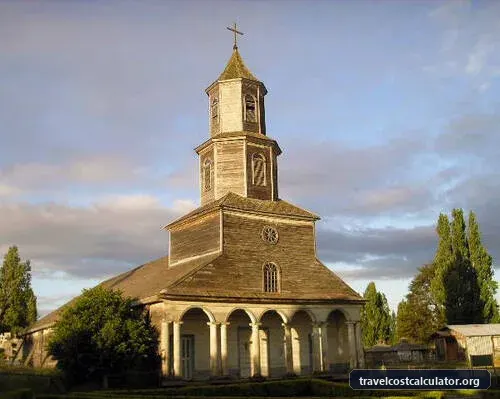
The Churches of Chiloé represent a unique example in Latin America of an outstanding form of ecclesiastical wooden architecture.
Churches of Chiloé
🏛️ Overview & Historical Significance
In the misty, rain-swept Chiloé Archipelago of southern Chile stands one of South America's most unique architectural legacies: the Churches of Chiloé. Inscribed as a UNESCO World Heritage site in 2000, this extraordinary collection of 16 timber churches represents a rare synthesis of European Jesuit and Franciscan ecclesiastical design with the indigenous Huilliche culture’s legendary woodworking and shipbuilding traditions.
Beginning in the early 17th century, Catholic missionaries traveled between the remote islands of the archipelago in open wooden canoes (*dalcas*). Rather than imposing European masonry techniques—which were impractical due to Chiloé's seismic activity, damp climate, and lack of quarried stone—the missionaries collaborated with master native boatbuilders. The result was the Escuela Chilota de Arquitectura en Madera (Chilote School of Wooden Architecture).
These structure-of-wonder sanctuaries were constructed entirely of indigenous hardwoods—such as native larch (*alerce*), cypress, tepú, and coigüe—using intricate timber joinery, mortise-and-tenon joints, and wooden pegs (*tarugos*) instead of iron nails. Their vaulted ceilings mimic upside-down ship hulls, and their exteriors are clad in decorative shingle patterns (*tejuelas*) that weather into shimmering silver and deep amber over time.
Out of more than 150 wooden churches across the archipelago, UNESCO designated 16 representative churches as World Heritage monuments. These include famous landmarks like the towering Iglesia San Francisco in Castro, the ancient Iglesia de Santa María de Loreto in Achao, and the striking blue-starred Iglesia de Tenaún. Visiting these sacred wooden temples provides an unparalleled look into a living culture where myth, ocean trade, and spiritual craftsmanship remain deeply intertwined.
🎟️ Entrance Fees, Opening Hours & Ticket Booking Tips
Visiting the Churches of Chiloé remains one of the best value cultural experiences in Patagonia. As of 2026, entrance rules and suggested contributions across the 16 UNESCO sites are as follows:
-
✦
Standard Ticket / Admission Fee: The vast majority of the churches are free to enter. However, local parish committees maintain these wooden treasures through small voluntary donations. A contribution of 1,000 CLP to 3,000 CLP ($1.10 – $3.30 USD) per visitor is strongly encouraged at each site.
-
✦
Specialized Church Museums (e.g., Castro, Achao, Dalcahue): Major churches featuring attached interpretation centers or bell-tower climbs may charge a formal maintenance entry fee of approximately 3,000 CLP to 5,000 CLP ($3.30 – $5.50 USD).
-
✦
Opening Hours: Typical visiting hours run from 10:00 AM to 1:00 PM and 3:00 PM to 6:30 PM, Tuesday through Sunday. Most churches close for 2 hours midday for lunch/siesta. Opening hours can be unpredictable in smaller villages on Mondays or during heavy rainfall.
-
✦
Mass & Services: Active worship takes priority. Visitors are welcome during Mass (usually Sunday mornings), but tourist photography and roaming around the altar are strictly forbidden during services.
-
✦
Booking Tips: There are no advance online ticketing portals for the churches. Entry is strictly on a walk-in basis. Always carry cash in small Chilean Peso bills (1,000 CLP and 2,000 CLP notes), as credit card readers are rarely available in rural island chapels.
🚌 How to Get There & Local Transit Costs
Navigating the Chiloé Archipelago requires traveling through the regional hub city of Castro (or Puerto Montt on the Chilean mainland). Below are step-by-step transport options updated for 2026 travel logistics:
Step 1: Reaching Chiloé Island
-
✦
By Air: LATAM operates seasonal direct flights from Santiago Travel Budget (SCL) to Mocopulli Airport in Castro (MHC). Alternatively, fly into El Tepual Airport in Puerto Montt (PMC), located 100 km north of the island.
-
✦
By Bus from Puerto Montt to Castro: Long-distance buses (operated by ETM or Cruz del Sur Travel Budget) depart Puerto Montt’s central bus terminal every 30 minutes. The bus drives aboard a car ferry to cross the Chacao Channel from Pargua to Chacao. Total travel time is 3.5 hours. Single fare: 10,000 CLP to 14,000 CLP ($11 – $15 USD) (ferry ticket included in bus fare).
Step 2: Traveling Between the Churches
-
✦
Rental Car (Recommended): Renting a vehicle at Puerto Montt Airport or in Castro gives you maximum flexibility to visit remote island locations like Tenaún, Colo, or Vilupulli. 2026 car rental rates range from 45,000 CLP to 70,000 CLP ($50 – $77 USD) per day.
-
✦
Local Microbuses (Colectivos / Buses): Rural buses run regularly from the Terminal de Buses Rurales in Castro to Dalcahue, Chonchi, and Achao. One-way fares cost between 1,500 CLP and 3,500 CLP ($1.65 – $3.85 USD).
-
✦
Local Ferries to Quinchao & Lemuy Islands: To reach churches in Achao or Aldachildo, take local car ferries (e.g., Dalcahue to Quinchao Island). Passengers on foot cross for under 1,000 CLP ($1.10 USD), while vehicles cost around 4,000 CLP – 6,000 CLP ($4.40 – $6.60 USD) round-trip.
📸 Best Photography Spots & Insider Visit Hacks
Capturing the architectural texture and ethereal lighting of Chiloé's wooden churches requires timing and strategic positioning. Here are top photography locations and insider tips:
Prime Photography Spots
-
✦
Iglesia San Francisco de Castro: Photograph the iconic bright-yellow and lavender facade from the center of Plaza de Armas during late afternoon golden hour when warm sunlight hits the twin towers.
-
✦
Iglesia de Santa María de Loreto (Achao): Built around 1730, this is the oldest church in the archipelago. Capture the weathered alerce wood shingles from the square, then head inside to frame the ceiling vaulted like an inverted wooden ship hull.
-
✦
Iglesia de Tenaún: Instantly recognizable by its striking blue star motifs painted on the facade flanked by three slender bell towers. Frame your shot from across the coastal road with the Pacific ocean backdrop.
-
✦
Iglesia de Nuestra Señora de los Dolores (Dalcahue): Photograph the 9 grand front arches overlooking the busy Dalcahue channel, especially during the bustling Sunday artisanal market.
Insider Visit Hacks
-
✦
Golden Weather Window: The Best Time to Visit Planner Chiloé is during the austral summer from December to March, when rainfall drops slightly and temperatures average 15°C – 20°C (59°F – 68°F). Pack high-quality waterproof jackets year-round, as rain squalls appear suddenly.
-
✦
Atmospheric Shoulder Months: Visit in late spring (October–November) or autumn (April) to shoot foggy, atmospheric mornings. Early morning mist rising around rural churches like Iglesia de Colo produces mystical, world-class photographs.
-
✦
Self-Guided Church Hopping Circuit: Group your visits geographically. Spend Day 1 exploring Castro, Nercón, and Chonchi. Spend Day 2 taking the ferry through Dalcahue to reach Quinchao Island (visiting Curaco de Vélez, Achao, and Quinchao churches).
🏨 Nearby Accommodation & Daily Budget Allocation
Base your stay in Castro for central access, nightlife, and unique stay options like historic palafitos (stilt houses), or choose Dalcahue for a quieter coastal village vibe.
Recommended Accommodations (2026 Rates)
-
✦
Budget (Hostels & Guesthouses): Cozy local family homestays (*hospedajes*) or boutique hostels in Castro’s Palafito Gamboa neighborhood. Expect 23,000 CLP – 38,000 CLP ($25 – $42 USD) per night including home-baked Chilote bread breakfast.
-
✦
Mid-Range (Boutique Hotels & Palafito Hotels): Restored wooden stilt hotels like Palafito 1326 or Hotel Parque Quilquico. Expect 80,000 CLP – 150,000 CLP ($88 – $165 USD) per night.
-
✦
Luxury Eco-Lodges: High-end immersive luxury lodges such as Tierra Chiloé. All-inclusive luxury rates range from 350,000 CLP – 650,000 CLP ($385 – $715 USD) per night.
Dining Costs & Regional Culinary Highlights
Chiloé is famous across South America for its rustic culinary heritage. Budget around 25,000 CLP to 45,000 CLP ($27 – $50 USD) per day for meals:
-
✦
Curanto en Olla / Pulmay: The classic Chilote seafood stew featuring clams, mussels, smoked pork, chicken, longaniza sausage, and potato breads (*milcao* and *chapalele*). Cost: 12,000 CLP – 18,000 CLP ($13 – $20 USD).
-
✦
Empanadas de Mariscos: Fried pastry pockets filled with fresh local shellfish. Cost: 2,500 CLP – 4,000 CLP ($2.75 – $4.40 USD) each at municipal market food stalls.
Sample Daily Budget (Per Person)
-
✦
Backpacker / Low-Budget Travel: ~$45 – $60 USD / day (dorm/hospedaje, microbuses, church donations, market meals).
-
✦
Mid-Range Comfort Travel: ~$130 – $210 USD / day (palafito hotel, rental car Split Travel Budget between 2, church visits, sit-down seafood dining).
Frequently Asked Questions
Essential visitor FAQs for Churches of Chiloé
What is the entrance fee for Churches of Chiloé?
How much time do you need to explore Churches of Chiloé?
How do I get to Churches of Chiloé from the nearest city?
📊 Heritage Quick Specs
Visiting Chile on a Budget?
Calculate your full daily travel budget for Chile — including hotel costs, local transport, food, and sightseeing expenses.
View Chile Daily Travel Costs →Explore more UNESCO World Heritage Sites
🏛️ All 1,200+ Heritage Sites →