
 Spain
Spain
Archaeological Site of Atapuerca
The caves of the Sierra de Atapuerca contain a rich fossil record of the earliest human beings in Europe, from nearly one million years ago and extending up to the Common Era.
Archaeological Site of Atapuerca
🏛️ Overview & Historical Significance
Nestled in the rolling limestone hills of northern Spain, just 15 kilometers east of Burgos, lies the Archaeological Site of Atapuerca (Yacimientos de la Sierra de Atapuerca). In human paleontology, few locations on Earth hold such immense significance. Inscribed as a UNESCO World Heritage Site in 2000, Atapuerca represents an unparalleled chronological tape-measure of human evolution, housing the oldest, best-preserved, and most abundant fossil record of early hominins in Europe—spanning over 1.2 million years of history.
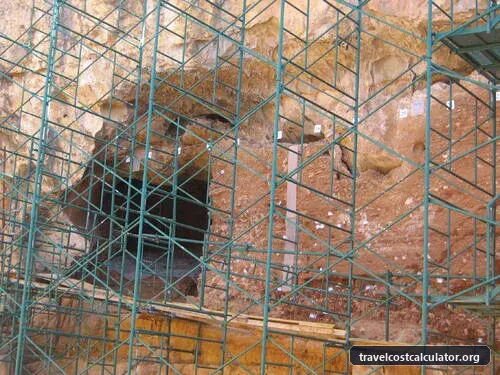
The site's discovery was a twist of industrial fate. In the late 19th century, a British mining company carved a massive open railway trench (Trinchera del Ferrocarril) through the Sierra de Atapuerca limestone to transport iron and coal. This deep cut sliced directly through a subterranean network of ancient, sediment-filled caves, inadvertently exposing a jackpot of prehistoric fossils and stone tools that had lain buried for millennia.
UNESCO awarded Atapuerca World Heritage status due to several monumental discoveries that reshaped science's understanding of human ancestry:
-
✦
Homo antecessor (Gran Dolina): In 1994, researchers unearthed fossil remains dated to roughly 860,000 to 900,000 years ago, establishing a brand-new hominin species, Homo antecessor ("Pioneer Man"). This discovery pushed back the timeline of early human settlement in Western Europe by hundreds of thousands of years.
-
✦
Sima de los Huesos ("Pit of Bones"): Located deep inside the Cueva Mayor cave system, this 13-meter vertical shaft yielded thousands of fossil bones belonging to at least 28 individuals of Homo heidelbergensis (direct ancestors of Neanderthals), dated to around 430,000 years ago. It represents the world's largest collection of Middle Pleistocene hominin fossils ever discovered in a single location.
-
✦
Sima del Elefante: Excavations here pushed human presence in Europe back even further, revealing hominin bone fragments and stone tools dated to between 1.2 million and 1.4 million years ago.
-
✦
Symbolic Behavior & Early Culture: Discoveries like "Excalibur"—a finely crafted red quartzite hand axe found buried alongside the hominins at Sima de los Huesos—offer some of the world's earliest potential evidence of funerary practices and symbolic human thought.
As active excavations continue, Atapuerca remains a living laboratory, yielding groundbreaking physical evidence of early human migration, tool manufacture, diets, and survival strategies in Europe.
🎟️ Entrance Fees, Opening Hours & Ticket Booking Tips
Visiting Atapuerca requires careful planning. Because the archaeological dig zones are fragile, active research environments, independent wandering inside the sites is strictly prohibited. You must join an official guided tour organized by the Museum of Human Evolution (MEH) in Burgos.
Estimated 2026 Ticket Pricing
Ticket options range from single site access to comprehensive combined passes that cover the dig sites, the experimental archaeology center, and the state-of-the-art museum in Burgos.
-
✦
Single Access Ticket (Yacimientos / Dig Sites): ~€6.50 – €7.50 EUR ($7.00 – $8.00 USD)
-
✦
Single Access Ticket (CAREX - Experimental Archaeology Center): ~€5.50 – €6.50 EUR ($6.00 – $7.00 USD)
-
✦
Single Access Ticket (Museum of Human Evolution - MEH, Burgos): ~€6.00 – €7.00 EUR ($6.50 – $7.50 USD)
-
✦
Combined Pass (Yacimientos + CAREX + MEH): ~€14.00 – €16.00 EUR ($15.00 – $17.50 USD)
-
✦
Full Pass + Official MEH Bus Shuttle (Roundtrip from Burgos): ~€18.00 – €22.00 EUR ($19.50 – $24.00 USD)
-
✦
Discounted Tickets: Under-8s travel free. Students, seniors (65+), and large families receive a ~30–50% discount upon presenting valid ID.
Opening Hours & Tour Schedules (2026 Context)
The visitor experience operates on seasonal schedules. The sites are open year-round, but access varies significantly between the excavation season and winter months.
-
✦
Spring & Summer (April – October): Tuesday through Sunday, 9:30 AM to 7:00 PM. Guided tours run throughout the morning and late afternoon. Closed Mondays.
-
✦
Fall & Winter (November – March): Tuesday through Sunday, 10:00 AM to 3:00 PM. Reduced tour frequencies. Closed Mondays.
-
✦
Active Excavation Season (Late June to July): Scientific teams actively excavate the sites during this window. Guided tours operate along elevated boardwalks above active dig sites, providing a real-time view of archaeological field science in action.
Crucial Ticket Booking Tips
-
✦
Book Several Weeks in Advance: Daily visitor quotas are strictly capped to protect the micro-climate of the geological trenches. Weekend and summer slots sell out weeks prior. Book directly through the official MEH portal (museoevolucionhumana.com).
-
✦
Request English Tours Early: Most standard walking tours are conducted in Spanish. If you require an English-speaking guide, contact the museum's booking desk via email at least 2–3 weeks ahead of your intended visit date.
-
✦
Pair the Sites with MEH: Always visit the dig site (Yacimientos) and the Museum of Human Evolution (MEH) on the same day or consecutive days. The actual fossils, reconstructions, and context are housed inside the museum in downtown Burgos, whereas the dig site gives you the geological scale and field context.
🚌 How to Get There & Local Transit Costs
The city of Burgos serves as the primary gateway for visits to Atapuerca. Located in northern Spain's Castile and León region, Burgos is well-connected to Madrid Travel Budget and other major Spanish hubs.
Step 1: Traveling to Burgos
-
✦
By High-Speed Train (RENFE / AVE / Alvia): From Madrid (Chamartín Station) to Burgos (Rosa Manzano Station). Travel time is approximately 1 hour 30 minutes to 2 hours. One-way fares range between €25.00 and €55.00 EUR ($27.00 – $60.00 USD) when booked in advance.
-
✦
By Long-Distance Bus (ALSA): Regular buses run daily from Madrid (Avenida de América station) to Burgos. Travel time is around 2 hours 45 minutes. One-way fares average €18.00 – €24.00 EUR ($19.50 – $26.00 USD).
-
✦
By Rental Car: Take the A-1 highway north from Madrid straight to Burgos (approx. 240 km / 2.5 hours drive). Tolled sections are minimal. Rental car prices in Spain start around €25.00 – €45.00 EUR ($27.00 – $49.00 USD) per day.
Step 2: Getting from Burgos to the Atapuerca Sites (15 km)
Once in Burgos, you have three primary ways to cover the 15 km distance to the site visitor centers in Ibeas de Juarros or Atapuerca village:
-
✦
Official MEH Shuttle Bus (Bus Lanzadera) [Recommended]: The most convenient, eco-friendly option. Official shuttle buses depart directly from the rear of the Museum of Human Evolution in central Burgos and drop visitors at the dig site entrance. Roundtrip shuttle fares cost approximately €5.00 – €7.00 EUR ($5.50 – $7.50 USD). Transport booking can be bundled during your web ticket purchase.
-
✦
By Car / Navigation: Drive east from Burgos on the N-120 toward Logroño, taking the exit for Ibeas de Juarros or Atapuerca. Ample free parking is available at the Reception Center (Centro de Recepción de Visitantes) in Ibeas de Juarros or the CAREX center.
-
✦
By Taxi / Rideshare: A standard taxi from Burgos city center or the Rosa Manzano train station to the Atapuerca Visitor Center costs around €25.00 – €35.00 EUR ($27.00 – $38.00 USD) one-way. Make sure to pre-arrange a return pickup time with your driver, as catching an unbooked taxi at the site can be difficult.
📸 Best Photography Spots & Insider Visit Hacks
Top Photography Spots
-
✦
Trinchera del Ferrocarril (The Railway Cut): Photographing the dramatic, towering walls of limestone where layers of earth and millennia of ancient history are clearly visible in the stratigraphy. The natural light filtering down into the canyon creates striking contrast photography.
-
✦
Gran Dolina Boardwalk: Capture wide-angle images looking down into the massive, multi-layered excavation pit where the first Homo antecessor fossils were unearthed.
-
✦
CAREX (Experimental Archaeology Center): Great for action and educational shots. Capture demonstrations of prehistoric flint knapping, spear throwing (using an atlatl), and primitive fire-making set against replica Paleolithic shelters.
-
✦
The Hominid Gallery inside MEH (Burgos): Capture hyper-realistic 1:1 scale life models of ancient human species (including Homo antecessor, Neanderthals, and Lucy the Australopithecus) created by world-renowned paleo-artist Elisabeth Daynès. (Note: Flash photography is strictly prohibited inside the museum).
-
✦
Mirador de la Sierra de Atapuerca: A scenic vantage point outside Atapuerca village offering sweeping 360-degree views across the Castilian plains and the plateau where prehistoric humans once hunted megafauna.
Insider Visit Hacks for Travelers
-
✦
Dressing for the Micro-Climate: Burgos and the Sierra de Atapuerca are famous throughout Spain for cold winds and sudden temperature drops, even during spring and autumn. Wear layerable clothing, a windproof jacket, and sturdy, closed-toe walking shoes or light hiking boots for walking along gravel pathways inside the trench.
-
✦
Timing Your Visit: Plan your dig site tour for early morning (around 9:30 AM or 10:00 AM) when light in the railway trench is soft and temperatures are mild. Reserve late afternoon for exploring the climate-controlled Museum of Human Evolution back in downtown Burgos.
-
✦
Camino de Santiago Travel Budget Connection: The famous Camino Francés pilgrimage route passes directly through the village of Atapuerca. If you are walking the Camino, consider taking an extended rest stop here to tour the CAREX and dig sites before continuing toward Burgos.
🏨 Nearby Accommodation & Daily Budget Allocation
Most travelers choose to base themselves in historic Burgos due to its rich culinary scene, accommodation variety, and direct connection to the sites. However, staying in the charming rural village of Atapuerca offers a peaceful countryside retreat.
Accommodation Options
-
✦
Budget / Pilgrim Lodging (€20 – €45 EUR / $22 – $49 USD per night):
- Albergue El Pajar de Atapuerca (Atapuerca Village): A popular hostel catering to Camino de Santiago pilgrims and budget travelers right in the village (~€20 - €25/bed).
-
✦
Hostal Lar Burgos (Burgos City Center): Clean, basic private rooms near the historic quarter (~€35 - €45/night).
- Hotel Silken Gran Teatro (Burgos): Situated along the Arlanzón River, right across from the Museum of Human Evolution (~€85 - €120/night).
- NH Collection Palacio de Burgos: A converted 16th-century Gothic building offering upscale amenities, located a short walk from the famous Gothic Cathedral of Burgos (~€140 - €210/night).
Dining & Culinary Highlights in Burgos
Burgos is a recognized gastronomic city, famous for hearty, authentic Castilian comfort food. Do not leave without trying:
-
✦
Morcilla de Burgos: A famous spiced blood sausage made with rice, onions, and paprika.
-
✦
Lechazo Asado: Tender slow-roasted unweaned lamb cooked in traditional wood-fired brick ovens.
-
✦
Queso de Burgos: A soft, fresh, creamy sheep's milk cheese, typically served with walnuts and honey (Postre del Abuelo).
-
✦
Daily Fixed-Price Lunch (Menu del Día): ~€14.00 – €18.00 EUR ($15.00 – $19.50 USD) including two courses, bread, dessert, and a bottle of local Ribera del Duero red wine.
-
✦
Tapas Crawl (Calle San Lorenzo / Calle Sombrerería): Tapas range from €3.00 to €5.00 EUR ($3.25 – $5.50 USD) per small plate accompanied by a glass of local wine (copa de vino).
Sample Estimated Daily Budget (Per Person - 2026 Prices)
-
✦
Budget Backpacker / Pilgrim:
- Lodging (Hostel/Albergue): €22 / $24 USD
-
✦
Food & Tapas: €25 / $27 USD
-
✦
Transport (Bus/Local): €7 / $7.50 USD
-
✦
Combined Site & Museum Ticket: €15 / $16.50 USD
-
✦
Total Daily Budget: ~€69 EUR / $75 USD
- Lodging (3-Star Boutique Hotel - double occupancy Split Travel Budget): €50 / $54 USD
Frequently Asked Questions
Essential visitor FAQs for Archaeological Site of Atapuerca
What is the entrance fee for Archaeological Site of Atapuerca?
How much time do you need to explore Archaeological Site of Atapuerca?
How do I get to Archaeological Site of Atapuerca from the nearest city?
📊 Heritage Quick Specs
Visiting Spain on a Budget?
Calculate your full daily travel budget for Spain — including hotel costs, local transport, food, and sightseeing expenses.
View Spain Daily Travel Costs →Explore more UNESCO World Heritage Sites
🏛️ All 1,200+ Heritage Sites →