
 Cuba
Archaeological Landscape of the First Coffee Plantations in the South-East of Cuba
The remains of the 19th-century coffee plantations in the foothills of the Sierra Maestra are unique evidence of a pioneer form of agriculture in a difficult terrain.
Archaeological Landscape of the First Coffee Plantations in the South-East of Cuba
🏛️ Overview & Historical Significance
Inscribed as a UNESCO World Heritage Site in 2000, the Archaeological Landscape of the First Coffee Plantations in the South-East of Cuba is an extraordinary testament to 19th-century agricultural engineering, colonial economics, and complex human history. Spanning over 81,400 hectares across the rugged slopes of the Sierra Maestra and Gran Piedra mountain ranges in Santiago Travel Budget de Cuba and Guantánamo provinces, this site encompasses the remnants of 171 historic coffee plantations (cafetales) built between the late 18th and early 19th centuries.
The genesis of this unique cultural landscape lies in the turmoil of the Haitian Revolution (1791–1804). Fleeing violence, French-Haitian planters migrated across the Windward Passage to eastern Cuba. They brought sophisticated agricultural techniques, French neoclassicism, and a wealthy plantation culture into what was then dense, virgin rainforest. However, this architectural and economic flourish was built entirely on the brutal exploitation of thousands of enslaved African workers, whose forced labor carved out terraces, roads, and stone complexes high in the cloud-forested mountains.
Visitors today encounter an extraordinary network of preserved ruins. Key architectural highlights include:
-
✦
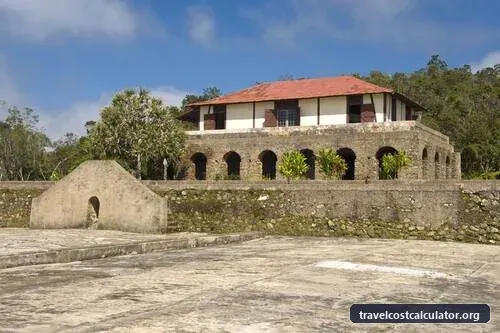
La Isabelica (Museo La Isabelica): The best-preserved cafetal in Cuba, featuring a fully restored two-story stone manor house, domestic quarters, and intact drying floors.
-
✦
Secarderos (Drying Platforms): Expansive, multi-terraced stone and masonry floors designed to dry coffee cherries uniformly under the tropical sun.
-
✦
Hydraulic Systems: Ingenious aqueducts, stone cisterns, water wheels, and gravity-fed channels engineered to process coffee beans in mountainous terrain where water was scarce.
-
✦
Industrial Ruins: Stone crushing mills (molinos de pilón), storage vaults, and heavy machinery imported from North America and Europe during the Industrial Revolution.
-
✦
Barracones (Slave Quarters) & Execution Grounds: Somber remnants illustrating the harsh living conditions, structural control, and confinement endured by the enslaved workforce.
Beyond individual structures, UNESCO recognized the site because it illustrates a unique form of land-use that adapted European engineering to tropical mountain topographies, permanently altering the agricultural trajectory of the Caribbean.
🎟️ Entrance Fees, Opening Hours & Ticket Booking Tips
Visiting Cuba’s historic coffee landscape requires careful planning due to local currency dynamics and remote mountain locations. As of 2026, admission fees across the primary heritage sites are standardized, though cash in hard currency (USD or EUR) remains the preferred method of payment for guides and private transit drivers.
2026 Estimated Entrance Fees & Tour Rates
-
✦
Museo Cafetal La Isabelica Admission: $5.00 – $8.00 USD per person (approx. 1,200 – 1,900 CUP).
-
✦
Cafetal Fraternidad & Circuit Pass: $10.00 USD (includes entry to active restoration zones and archaeological trail access).
-
✦
Local Site Guide Fee (Mandatory at La Isabelica): $5.00 – $10.00 USD tip/fee per group (guides provide essential historical context on slave life and French architectural design).
-
✦
Gran Piedra & Coffee Landscape Combo Day Ticket: $15.00 USD (covers entry to La Isabelica, the Gran Piedra botanical gardens, and the mountain summit observation deck).
Opening Hours & Logistics
-
✦
Operating Days: Tuesday through Sunday (Closed Mondays for conservation and maintenance).
-
✦
Operating Hours: 08:30 AM – 04:30 PM (Last entry to La Isabelica museum at 03:45 PM).
Pro Booking & Payment Tips for 2026
There is no functioning online ticketing system for the cafetales. Tickets are purchased on-site at the entrance gates of individual plantations. Keep the following financial and logistical tips in mind:
-
✦
Carry Physical Cash: Bring small bills ($1, $5, $10 USD or Euros). International credit cards (non-US issued) are accepted at state-run hotel desks nearby, but local site ticketing kiosks operated by the Oficina del Conservador de la Ciudad de Santiago de Cuba Travel Budget frequently rely on cash.
-
✦
Hire an Official Guide: Independent wandering is restricted in certain archaeological ruins to protect fragile masonry. English- and French-speaking guides are available at the entrance of La Isabelica.
-
✦
Book Excursions in Santiago de Cuba: If traveling without a private rental car, book a day pass via state travel agencies like Ecotur or Cubanacan in Santiago de Cuba (located around Parque Céspedes), which includes transport, admissions, and lunch.
🚌 How to Get There & Local Transit Costs
The principal gateway to the coffee plantations is Santiago de Cuba, located approximately 28 to 35 kilometers (17 to 22 miles) southwest of the primary sites around the La Gran Piedra biosphere reserve.
1. Private 4x4 Jeep or Classic Car Taxi (Recommended)
The road ascending to the Gran Piedra region climbs sharply over 14 kilometers of steep, winding switchbacks (reaching an elevation over 1,200 meters). Standard rental cars and low-clearance sedans frequently overheat or struggle on these gradients.
-
✦
Cost (2026 Estimate): $60.00 – $90.00 USD round-trip for a private 4x4 driver from downtown Santiago de Cuba.
-
✦
Travel Time: 1 hour to 1 hour 15 minutes each way.
-
✦
Tip: Ensure your driver agrees to wait at La Isabelica while you explore for 3 to 4 hours before descending.
2. Organized Ecotur / Cubanacan Tour Bus
Group excursions depart daily from major hotels in Santiago de Cuba (such as Hotel Melia Santiago or Hotel Casa Granda).
-
✦
Cost: $35.00 – $55.00 USD per person.
-
✦
Includes: Round-trip air-conditioned minibus transport, professional multilingual guide, entrance tickets to La Isabelica, and a traditional Creole lunch at Villa La Gran Piedra.
3. Local Shared Transit (Budget / Adventurer Option)
For budget travelers, reaching the plantations via local transport requires patience and physical stamina:
-
✦
Take a local camión (converted passenger truck) or colectivo taxi from Santiago’s Calle 4 depot toward the village of Sevilla (~300 – 500 CUP / ~$1.50 USD).
-
✦
From the Sevilla junction at the base of the mountain, you must arrange a ride with a local mountain jeep or trek 14 km uphill. Private local mountain taxis up the slope charge roughly $10.00 – $15.00 USD.
📸 Best Photography Spots & Insider Visit Hacks
Top Photography Locations
-
✦
La Isabelica Drying Terrace (Secardero): Position yourself at the upper edge of the stone drying floor during late morning. Capture the sweeping stone architecture framed by the lush Sierra Maestra peaks and the turquoise Caribbean Sea in the far distance.
-
✦
The Gran Piedra Summit Overlook: Located 2 km from La Isabelica, scale the 452 concrete steps to the top of this massive 60,000-ton monolith for breathtaking panoramic shots of the entire World Heritage landscape.
-
✦
Cafetal Fraternidad Archways: The impressive aqueduct ruins and stone arches of Fraternidad offer dramatic framing for architectural and heritage photography.
-
✦
Inside the Manor Kitchen: Shoot the restored 19th-century French cooking hearth, copper pots, and original coffee roasting implements inside Museo La Isabelica under natural light filtering through wooden shutters.
Insider Hacks for an Optimal Visit
-
✦
Beat the Mountain Fog: High-altitude mist and cloud cover (la neblina) often roll over the mountains around 01:30 PM, obscuring landscape vistas. Arrive by 09:00 AM to secure clear sky photography.
-
✦
Seasonal Timing: Visit during Cuba’s dry season (November through April). Rain in the wet season (May to October) turns mountain hiking trails into slippery mud and makes driving steep curves hazardous.
-
✦
Wear Sturdy Footwear: The plantation ruins involve uneven stone steps, loose gravel, and unpaved forest paths. Leave sandals at your hotel; wear broken-in trail shoes or hiking boots.
-
✦
Pack Essential Supplies: Bring high-DEET insect repellent (mosquitoes are dense in the humid mountain undergrowth), sun protection, a reusable water bottle, and snacks, as local vendors near the ruins are minimal.
-
✦
Offline Digital Maps: Mobile data coverage (ETECSA 4G) can be spotty in the Sierra Maestra mountains. Download offline mapping apps like Maps.me or Organic Maps before leaving Santiago de Cuba.
🏨 Nearby Accommodation & Daily Budget Allocation
While most visitors visit the coffee plantations as a day trip from Santiago de Cuba, staying overnight in the mountain biosphere allows for early access to the ruins and cooler evening temperatures.
Where to Stay
-
✦
Hotel Villa La Gran Piedra (Mid-Range / Mountain Resort): Located just 2 km from Cafetal La Isabelica, this eco-hotel offers rustic wood cabins perched on the mountain ridge. Rooms range from $65.00 to $110.00 USD per night (includes breakfast).
-
✦
Casas Particulares in Santiago de Cuba (Budget to Mid-Range): Staying in Santiago’s historic center or the leafy Vista Alegre neighborhood gives you access to excellent dining and transportation hubs. Private rooms in licensed guesthouses run $25.00 to $45.00 USD per night.
Where to Eat Near the Site
-
✦
Restaurante Villa La Gran Piedra: Serves traditional Cuban mountain fare (roast pork, black beans, fried plantains, and strong local espresso). Expect to pay $10.00 – $18.00 USD per meal.
-
✦
Paladares in Santiago de Cuba: Highly recommended private restaurants in the city include St. Pauli, Compay Ramón, and Restaurante El Morro (average dinner costs: $12.00 – $25.00 USD per person).
Estimated Daily Budget Breakdowns (2026)
Budget Backpacker ($40 – $60 USD / day)
-
✦
Accommodation: Shared room or low-cost casa particular ($15 – $20 USD/night).
-
✦
Transport: Shared truck/colectivo to Sevilla + walk/hike up ($5 – $10 USD).
-
✦
Food: Local street food and small paladares ($10 – $15 USD).
-
✦
Attractions: Basic ticket to La Isabelica ($5 USD).
Mid-Range Traveler ($110 – $180 USD / day)
-
✦
Accommodation: Boutique casa particular or Villa La Gran Piedra ($40 – $80 USD/night).
-
✦
Transport: Split Travel Budget cost of private 4x4 taxi driver ($30 – $45 USD per person).
-
✦
Food: Sit-down meals at top paladares and mountain cafes ($25 – $40 USD).
-
✦
Attractions: Combo ticket + private guide tip ($15 USD).
Luxury / Private Tour Traveler ($250+ USD / day)
-
✦
Accommodation: Premium suite in Santiago or high-end villa ($100 – $160 USD/night).
-
✦
Transport: Dedicated private 4x4 vehicle and chauffeur for full day ($90 USD).
-
✦
Food: High-end dining, private coffee tastings ($50+ USD).
-
✦
Attractions: Private guided tour across multiple plantation ruins (Fraternidad, Isabelica, Santa Sofía) ($30 USD).
Frequently Asked Questions
Essential visitor FAQs for Archaeological Landscape of the First Coffee Plantations in the South-East of Cuba
What is the entrance fee for Archaeological Landscape of the First Coffee Plantations in the South-East of Cuba?
How much time do you need to explore Archaeological Landscape of the First Coffee Plantations in the South-East of Cuba?
How do I get to Archaeological Landscape of the First Coffee Plantations in the South-East of Cuba from the nearest city?
📊 Heritage Quick Specs
Visiting Cuba on a Budget?
Calculate your full daily travel budget for Cuba — including hotel costs, local transport, food, and sightseeing expenses.
View Cuba Daily Travel Costs →Explore more UNESCO World Heritage Sites
🏛️ All 1,200+ Heritage Sites →