
 Greece
Zagori Cultural Landscape
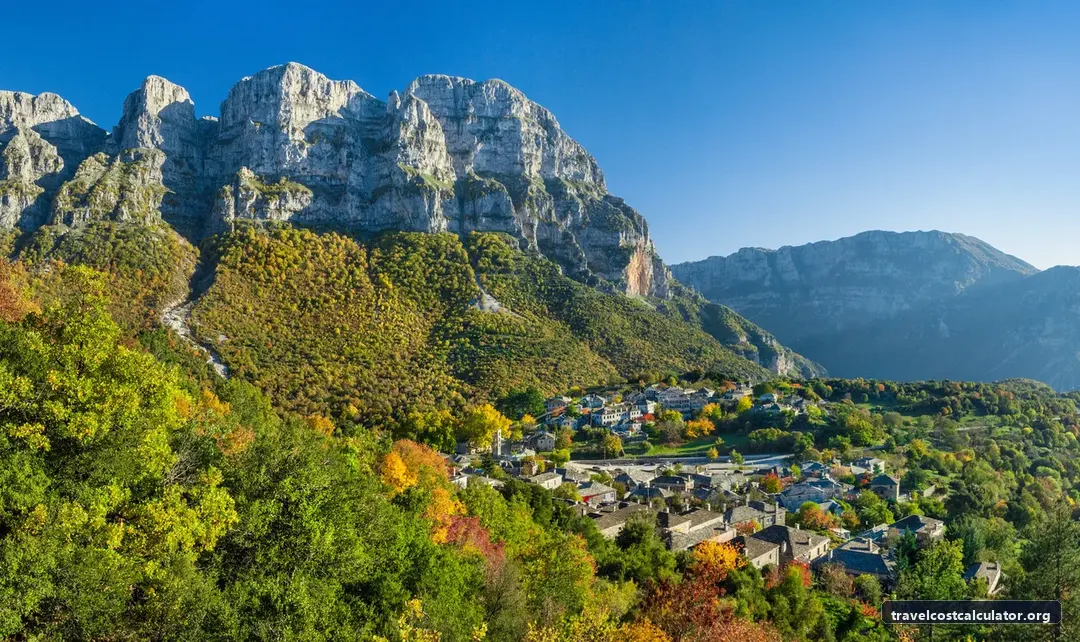
Located in a remote rural landscape in northwestern Greece, small stone villages known as Zagorochoria extend along the western slopes of the northern part of the Pindus mountain range.
Zagori Cultural Landscape
🏛️ Overview & Historical Significance
Inscribed as a UNESCO World Heritage site during the extended 45th session of the World Heritage Committee, the Zagori Cultural Landscape in northwestern Greece stands as an extraordinary testament to human adaptability, mountain architecture, and harmonious living with rugged alpine nature. Located in the Pindus Mountain range within the region of Epirus, Zagori encompasses 46 stone-built villages—collectively known as the Zagorochoria—spanning over 1,000 square kilometers of dramatic limestone peaks, pristine rivers, and deep canyons.
The historical significance of Zagori lies in its unique socio-economic organization and architectural coherence. Derived from the Slavic phrase meaning "land beyond the mountains," Zagori maintained semi-autonomous status during the Ottoman period (17th–19th centuries). In exchange for guarding strategic mountain passes, local Zagorisians were granted special tax privileges and administrative self-governance. Merchant elites traveled across Europe and Russia, amassing wealth that was funneled back home to build elegant stone mansions (archontika), schools, churches, and public fountains.
To navigate the formidable terrain, local master masons (known as Kouparaioi) designed a sophisticated network of cobbled stone paths (kalderimia) and iconic stone arched bridges spanning torrents and gorges. Highlights of the UNESCO-designated landscape include:
-
✦
Vikos Gorge: Recognized by the Guinness Book of World Records as the world's deepest gorge relative to its width, dropping over 900 meters deep in sections.
-
✦
Vernacular Architecture: Uniform stone masonry utilizing local grey slate and limestone, designed without modern mortar to withstand seismic activity and freezing mountain winters.
-
✦
Traditional Transhumance: Historic routes used by Sarakatsani and Vlach pastoral communities to migrate herds between summer mountain pastures and winter lowland plains.
🎟️ Entrance Fees, Opening Hours & Ticket Booking Tips
Because the Zagori Cultural Landscape is a vast regional UNESCO cultural designation, there is no overall entry fee or checkpoint ticket required to enter the region, visit the villages, or hike the trails. Access to Vikos-Aoös National Park, the stone bridges, public hiking paths, and village plazas is entirely free of charge 24/7 year-round.
However, specific indoor cultural institutions, heritage museums, and organized outdoor activities carry small admission fees or operational costs. Below are the estimated 2026 prices for key attractions within Zagori:
-
✦
Regional Access & National Park Trails: FREE
-
✦
Lazaridis Botanical Museum (Koukouli): €4.00 (~$4.35 USD) per adult. Open Wednesday–Sunday, 09:00 – 15:30.
-
✦
Rizarios Exhibition Center (Monodendri): €5.00 (~$5.45 USD) per adult. Open daily during peak season, 09:00 – 17:00.
-
✦
Agia Paraskevi Monastery Viewpoint (Monodendri): FREE (Donations welcomed for monastery maintenance).
-
✦
Guided Voidomatis River Rafting (Class 1-2 easy rapids): €35.00 – €50.00 (~$38.00 – $54.50 USD) per person depending on seasonal water levels.
-
✦
Guided Hiking Tours of Vikos Gorge: €55.00 – €85.00 (~$60.00 – $92.50 USD) per person (includes return shuttle transport back to starting village).
Booking Tips for 2026: Independent travelers do not need to book village access in advance. However, if traveling during peak autumn foliage (October–November) or Greek winter holidays (Christmas to Epiphany), book guided hiking or rafting excursions at least 3 to 4 weeks early. Most local museums only accept cash or local contact-less cards, so carry small Euro denominations when touring smaller villages.
🚌 How to Get There & Local Transit Costs
The primary entry gateway to Zagori is Ioannina, the capital city of the Epirus region. Ioannina is equipped with an intercity bus terminal (KTEL Ioanninon) and King Pyrros Airport (IOA), connecting to Athens Travel Budget and international charter routes.
Step 1: Reaching Ioannina
-
✦
From Athens: KTEL Intercity buses run several times daily from Athens (Kifisos Station) to Ioannina (~5.5 hours travel time via the Ionia Odos highway A5). One-way bus fare in 2026 costs approximately €42.00 (~$46.00 USD). Domestic flights from Athens (ATH) to Ioannina (IOA) take 50 minutes and average €65.00 – €130.00 (~$71.00 – $141.00 USD) one-way when booked in advance.
-
✦
From Thessaloniki: KTEL buses depart regularly via the Egnatia Odos highway A2 (~3 hours travel time). One-way ticket price is approximately €24.00 – €27.00 (~$26.00 – $29.50 USD).
Step 2: Traveling from Ioannina into Zagori
Public transit directly into the Zagori mountain region is extremely limited, making private transport highly recommended.
-
✦
Car Rental (Strongly Recommended): Renting a car at Ioannina Airport or city center gives you complete freedom to explore dispersed stone bridges and viewpoints. 2026 rental rates for a standard compact SUV or hatchback average €30.00 – €65.00 (~$33.00 – $71.00 USD) per day depending on seasonality. Toll costs along the A2 highway are approximately €3.00 – €6.00.
-
✦
Local KTEL Bus Services: KTEL Ioanninon operates limited rural routes connecting Ioannina to Central Zagori (Monodendri, Ano Pedina) and Northern Zagori (Papingo, Konitsa) typically 2 to 3 times per week (usually Monday, Wednesday, Friday). One-way bus tickets cost €4.50 – €7.50 (~$4.90 – $8.15 USD). *Note: Schedules are designed primarily for locals returning from city market trips and are not optimized for day-tripping tourists.*
-
✦
Taxi & Private Transfers: A private taxi transfer from Ioannina city center to Monodendri or Asprangeloi costs roughly €55.00 – €70.00 (~$60.00 – $76.00 USD) one-way. A taxi to Megalo Papingo runs €80.00 – €105.00 (~$87.00 – $114.00 USD) due to mountain winding roads.
📸 Best Photography Spots & Insider Visit Hacks
Zagori is a paradise for landscape and architecture photographers. The combination of dramatic karst topography, clear rivers, and ancient slate stonework provides world-class framing opportunities.
Top Photography Locations
-
✦
Beloi Viewpoint: Located near Vradeto village. A 25-minute gentle hike along a marked trail rewards you with the single most iconic, dizzying panoramic look straight down into the heart of Vikos Gorge. Best time: Early morning (07:30 – 09:30) to capture soft morning light before harsh overhead sun cast shadows across the canyon floor.
-
✦
Plakidas (Kalogeriko) Three-Arched Bridge: Situated near Koukouli and Kipi villages. Known for its unique triple-arched stone construction that resembles a wave in motion. Best time: Late afternoon golden hour, or during spring when water flow creates clear mirror reflections.
-
✦
Oxya Viewpoint: Accessible by car directly from Monodendri. Offers a cliff-edge balcony overlooking the narrowest drop of Vikos. Nearby lies the "Stone Forest" (Petrino Dasos), towering vertical limestone slabs. Best time: Sunset.
-
✦
Papingo Rock Pools (Kolymbithres): Natural limestone water basins carved by the Rogovo stream between Megalo and Mikro Papingo. Best time: Midday when direct overhead sun turns the clear mountain pools brilliant shades of emerald green and turquoise.
-
✦
Kokkori (Noutsos) Bridge: A striking single-arch stone bridge spanning a narrow gorge right next to the main road near Kipi. Easy access for quick photo setups.
Insider Visit Hacks
1. Seasonal Weather Dynamics: Spring (May–June) features lush green landscapes, rushing rivers, and wildflower blossoms perfect for photography and rafting. Autumn (October–November) transforms the oak and beech forests into vibrant red and gold backdrops—ideal for foliage photographers. Winter brings snow-capped peaks, though drivers should carry snow chains for high-altitude passes.
2. Footwear Safety: The traditional cobblestone paths (kalderimia) are paved with slick limestone rocks that become extremely slippery when wet or icy. Always wear high-traction trail runners or sturdy hiking boots, even when taking short village strolls.
3. Hydration Hack: Do not buy excessive plastic water bottles. The public stone fountains scattered in every village square tap into pristine, crystal-clear mountain spring water that is 100% safe, cold, and delicious to drink.
🏨 Nearby Accommodation & Daily Budget Allocation
Accommodation in Zagori primarily consists of sensitively restored historical stone mansions (archontika), cozy boutique guesthouses, and eco-lodges that maintain regional architectural traditions while providing modern comforts.
Accommodation Breakdown (2026 Price Estimates)
-
✦
Budget Guesthouses / Traditional Rooms: €45.00 – €75.00 (~$49.00 – $81.50 USD) per night. Clean, cozy rooms in villages like Ano Pedina, Monodendri, or Tsepelovo, often including a homemade local breakfast.
-
✦
Mid-Range Stone Boutique Hotels: €95.00 – €165.00 (~$103.00 – $179.00 USD) per night. Restored 18th-century mansions featuring wood-beamed ceilings, fireplaces, hydromassage showers, and panoramic gorge views in Papingo or Aristi.
-
✦
Luxury Eco-Resorts & Spa Hotels: €220.00 – €420.00 (~$239.00 – $457.00 USD) per night. Upscale mountain retreats offering wellness centers, fine dining, indoor pools, and personalized concierge services.
Dining & Culinary Costs
Epirus cuisine is famous across Greece for traditional wild mountain herb pies (pites), mountain mushrooms, slow-cooked goat in clay pots, local trout, and potent mountain spirits like tsipouro. A generous meal at a local family-run village taverna averages €16.00 – €28.00 (~$17.50 – $30.50 USD) per person including house wine or tsipouro.
Estimated Daily Budget Allocations (Per Person, 2026)
-
✦
Backpacker / Low-Budget Traveler (€55 – €85 / $60 – $92 USD per day):
- Accommodation: Shared room or budget guesthouse (€30 – €40/person)
-
✦
Food: Bakeries, local pies, and casual taverna dining (€20 – €30)
-
✦
Transport: Shared rental car fuel or public bus (€5 – €15)
-
✦
Activities: Self-guided hiking and stone bridge visits (FREE)
- Accommodation: Traditional boutique stone guesthouse (€55 – €85/person based on double occupancy)
- Accommodation: High-end luxury resort in Aristi or Papingo (€140 – €220+/person)
Frequently Asked Questions
Essential visitor FAQs for Zagori Cultural Landscape
What is the entrance fee for Zagori Cultural Landscape?
How much time do you need to explore Zagori Cultural Landscape?
How do I get to Zagori Cultural Landscape from the nearest city?
📊 Heritage Quick Specs
Visiting Greece on a Budget?
Calculate your full daily travel budget for Greece — including hotel costs, local transport, food, and sightseeing expenses.
View Greece Daily Travel Costs →Explore more UNESCO World Heritage Sites
🏛️ All 1,200+ Heritage Sites →