
 United States
Yosemite National Park
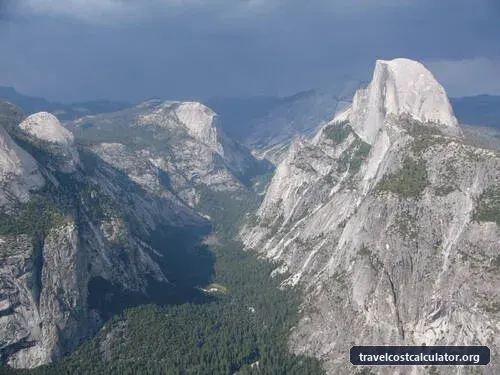
Yosemite National Park lies in the heart of California. With its 'hanging' valleys, many waterfalls, cirque lakes, polished domes, moraines and U-shaped valleys, it provides an excellent overview of all kinds o...
Yosemite National Park
🏛️ Overview & Historical Significance
Carved by ancient glaciers and anchored deep within California’s Sierra Nevada mountain range, Yosemite National Park stands as one of Earth’s most awe-inspiring natural masterpieces. Encompassing over 748,000 acres (nearly 1,200 square miles), this iconic landscape was officially inscribed as a UNESCO World Heritage Site in 1984. UNESCO recognized Yosemite for its exceptional natural beauty, spectacular granite cliffs, plunging waterfalls, crystal-clear streams, giant sequoia groves, and remarkably intact biological diversity.
Long before European settlement, the region was home to the Ahwahneechee people, a Native American tribe that lived in the valley for thousands of years. They named the valley Ahwahnee, meaning "place of the gaping mouth." In 1851, the Mariposa Battalion entered the valley during the California Gold Rush, marking the beginning of western encroachment and the eventual displacement of its indigenous inhabitants.
Yosemite plays a pivotal role in the very origins of global land conservation. In 1864, amid the turmoil of the American Civil War, President Abraham Lincoln signed the historic Yosemite Grant, setting aside Yosemite Valley and the Mariposa Grove of Giant Sequoias for public use, resort, and recreation. This marked the first time in human history that a central government declared land to be protected purely for preservation and public enjoyment—creating the ideological blueprint for the U.S. National Park System and global protected area networks. Early conservationists like John Muir spent decades exploring Yosemite's high country, campaigning tirelessly for its federal protection as a National Park, which was officially realized in 1890.
Geologically, Yosemite is a masterclass in glacial carving. Around 2 to 3 million years ago, rivers began cutting deep V-shaped canyons into a massive uplifted granite batholith. Subsequent Ice Age glaciers filled these canyons, scouring away weaker rock and polishing the vertical monoliths we see today—most notably El Capitan, a sheer 3,000-foot wall of granite that serves as the ultimate proving ground for rock climbers worldwide, and Half Dome, an iconic batholith sliced in half by tectonic forces and glacial erosion.
🎟️ Entrance Fees, Opening Hours & Ticket Booking Tips
Planning entry into Yosemite in 2026 requires understanding both park passes and peak-season reservation systems managed by the National Park Service (NPS).
2026 Entrance Fee Structure
-
✦
Standard Vehicle Pass: $35 USD (Valid for 7 consecutive days for one non-commercial vehicle and all occupants).
-
✦
Motorcycle Pass: $30 USD (Valid for 7 consecutive days for one motorcycle).
-
✦
Individual Pass (Foot / Bicycle / YARTS Passengers): $20 USD per person (Children 15 and under are free).
-
✦
America the Beautiful Interagency Pass: $80 USD (Annual pass giving unlimited access to over 2,000 federal recreation sites nationwide; highly recommended if visiting multiple U.S. parks).
Opening Hours & Seasonal Reservations
Yosemite National Park is open 24 hours a day, 365 days a year. However, specific roads, entrances, and facilities operate seasonally. Tioga Pass (Highway 120 East) and Glacier Point Road close during winter (typically November through May) due to heavy snow cover.
To combat severe traffic congestion inside Yosemite Valley, NPS utilizes a Peak Hours Reservation System during peak months (typically mid-April through October between 5:00 AM and 4:00 PM) as well as specific weekends in February for the Horsetail Fall event. Reservations cost a non-refundable $2 processing fee per vehicle.
Essential 2026 Ticket Booking Tips:
-
✦
Book Early on Recreation.gov: Advance peak-hours reservations launch on Recreation.gov up to 5 months in advance, with a secondary batch released 7 days prior at 8:00 AM PST. Set a reminder, as summer slots sell out within minutes.
-
✦
Bypass Reservations via Transit or Lodging: If you book overnight accommodations inside the park (hotels, canvas tents, or NPS campgrounds), hold an in-park wilderness permit, or arrive via YARTS bus, your park entry is automatically granted without needing a separate peak-hours vehicle reservation.
-
✦
Off-Peak Entry Strategy: If you do not have a reservation, enter the park before 5:00 AM or after 4:00 PM. Early morning entry is ideal for catching sunrise and securing prime parking in Yosemite Valley.
🚌 How to Get There & Local Transit Costs
Yosemite is located in Central Eastern California. The main gateways are Fresno, San Jose Travel Budget, and San Francisco. Choosing the right transit method depends on your budget, winter driving comfort, and flexibility.
Nearest Gateway Airports & Distances
-
✦
Fresno-Yosemite International Airport (FAT): 65 miles (1.5–2 hours drive south via Highway 41).
-
✦
Sacramento International Airport (SMF): 175 miles (3.5 hours drive northwest).
-
✦
San Jose International Airport (SJC): 185 miles (3.5 hours drive west).
-
✦
San Francisco International Airport (SFO): 195 miles (3.5–4 hours drive west).
Public Transit: Amtrak + YARTS Shuttle System
Navigating to Yosemite without a vehicle is remarkably efficient using public transportation:
-
✦
YARTS (Yosemite Area Regional Transportation System): YARTS buses connect regional cities directly to Yosemite Valley. Standard single-ride tickets cost between $10 and $18 USD one way, depending on the boarding zone. Bonus: Every YARTS ticket includes your Yosemite National Park entrance fee!
-
✦
From San Francisco / Bay Area: Take the Amtrak San Joaquins train from Oakland/Emeryville to Merced Amtrak Station (approx. $30–$45 USD one way), then transfer seamlessly to the YARTS Highway 140 Route into Yosemite Valley ($15 USD). Total travel time: ~5 to 6 hours.
-
✦
From Fresno: Catch the seasonal YARTS Highway 41 Route running directly from Fresno Airport or downtown to Yosemite Valley ($18 USD one way).
Driving & Rental Logistics
Renting a car provides total freedom to explore remote regions like Tuolumne Meadows or Mariposa Grove. Expect 2026 car rental rates around $50–$110 USD per day out of SFO or FAT. Gas prices in California average $4.50–$5.50 USD per gallon near park gateway towns; fuel up in Mariposa, Oakhurst, or Oakdale before entering, as inside-park fuel stations (Wawona and Crane Flat) carry high markups.
In-Park Transit: Once inside Yosemite Valley, park your car at the Day Use Parking lots immediately. Take advantage of the Free Yosemite Valley Shuttle (Valley Wide and East Valley loops), which runs every 12–22 minutes from 7:00 AM to 10:00 PM, servicing all major trailheads, lodges, and village points.
📸 Best Photography Spots & Insider Visit Hacks
Yosemite is one of the most photographed places on Earth. To capture postcard-perfect images without battling shoulder-to-shoulder crowds, follow these strategic insider recommendations.
Must-Capture Photography Locations
-
✦
Tunnel View: Located on Highway 41, this vantage point presents the ultimate classic vista framing El Capitan on the left, Half Dome in the center distance, and Bridalveil Fall on the right. Best time: Late afternoon for soft backlight, or immediately after a rainstorm when fog rolls through the valley floor.
-
✦
Glacier Point: Suspended 3,200 feet above Yosemite Valley floor, Glacier Point delivers an unmatched panorama of Half Dome, Vernal Fall, and Nevada Fall. Best time: Sunset. The setting sun casts a crimson red glow (alpenglow) directly onto the face of Half Dome.
-
✦
Valley View: Situated along Northside Drive near the park exit, this river-level location captures the Merced River reflecting El Capitan and the Cathedral Rocks. Best time: Early morning golden hour with calm waters creating crisp reflections.
-
✦
Mirror Lake: A meadow lake located at the base of Half Dome. Best time: Late spring (May–June) when winter snowmelt fills the basin, reflecting Mount Watkins perfectly in stillness.
-
✦
Horsetail Fall ("Firefall"): In mid-to-late February, if moisture and skies align, the setting sun hits Horsetail Fall on El Capitan's eastern edge at a specific angle, lighting the cascade so intensely it looks like molten lava. Requires advance February park reservations.
Insider Hacks to Avoid Crowds
-
✦
The 9:00 AM Rule: Traffic bottlenecks at entrance gates and central Valley parking lots spike between 9:00 AM and 2:00 PM. Cross the entrance gates before 7:30 AM to secure hassle-free parking and experience tranquil trails.
-
✦
Hike Beyond the First Mile: Popular paths like the Mist Trail to Vernal Fall are packed midday. Hiking beyond Vernal Fall to Nevada Fall or taking quieter alternatives like the Four Mile Trail or Cathedral Lakes Trail filters out 80% of casual tourists.
-
✦
Spring vs. Autumn Tradeoffs: Visit in May to early June for peak waterfall volume, as winter snowpack rapidly melts. Visit in September to October for crystal-clear autumn skies, warm hiking weather, zero risk of snow-closed roads, and significantly smaller crowds—though waterfall levels will be minimal or dry.
🏨 Nearby Accommodation & Daily Budget Allocation
Accommodation around Yosemite ranges from high-end historic hotels to rustic canvas tent cabins and free wilderness campsites. Due to immense demand, in-park accommodations open reservations up to 366 days in advance.
Accommodation Options
-
✦
Luxury In-Park: The Ahwahnee Hotel (Historic 4-star granite-and-timber lodge inside Yosemite Valley offering stunning views of Half Dome). $550 – $950 USD / night.
-
✦
Mid-Range In-Park: Yosemite Valley Lodge (Glass-and-wood architecture near the base of Yosemite Falls). $280 – $450 USD / night. Wawona Hotel (Victorian-era lodge near Mariposa Grove). $180 – $320 USD / night.
-
✦
Budget & Glamping In-Park: Curry Village Canvas Tent Cabins (Unheated or heated canvas tents with shared bathhouses). $140 – $240 USD / night. Housekeeping Camp (Three-sided concrete structure with canvas roof on the Merced River). $130 – $190 USD / night.
-
✦
Campgrounds (NPS): Upper Pines, Lower Pines, North Pines, Camp 4. $36 USD / night. (Requires instant booking via Recreation.gov 5 months ahead).
-
✦
Gateway Towns (Outside Park): El Portal (Closest town, 10 mins away: Cedar Lodge), Mariposa (45 mins away: historic motels & B&Bs), Oakhurst (30 mins south: chain hotels), Groveland (45 mins northwest: Rush Creek Lodge & historic inns). Rates range from $120 to $300 USD / night.
Daily Budget Allocation (2026 Estimates)
To help you financially plan your trip to Yosemite, here are estimated daily cost blueprints per traveler:
| Expense Category | Budget Backpacker | Mid-Range Explorer | Luxury Traveler |
|---|---|---|---|
| Lodging | $36 (NPS Campsite share) | $160 (Canvas Tent / Gateway Motel) | $650 (The Ahwahnee) |
| Food & Dining | $25 (Groceries / Self-cooked) | $65 (Deli lunches & casual dining) | $160 (Ahwahnee Dining Room / Fine Dining) |
| Transport & Passes | $15 (YARTS / Shared fuel) | $45 (Car rental share + Gas + Entry) | $120 (Private SUV Rental + Park Pass) |
| Activities & Gear | $0 (Self-guided hiking) | $30 (Bike rental / Shuttle) | $200 (Private guided climb or tour) |
| ESTIMATED DAILY TOTAL | $76 – $110 USD | $300 – $400 USD | $1,130+ USD |
Frequently Asked Questions
Essential visitor FAQs for Yosemite National Park
What is the entrance fee for Yosemite National Park in 2026?
How much time do you need to explore Yosemite National Park?
How do I get to Yosemite National Park from the nearest city?
📊 Heritage Quick Specs
Visiting United States on a Budget?
Calculate your full daily travel budget for United States — including hotel costs, local transport, food, and sightseeing expenses.
View United States Daily Travel Costs →Explore more UNESCO World Heritage Sites
🏛️ All 1,200+ Heritage Sites →