
 Mexico
Wixárika Route through Sacred Sites to Wirikuta (Tatehuarí Huajuyé)
The Wixárika Route is a serial property of 20 sites, spanning over 500 km across five states in north-central Mexico.
Wixárika Route through Sacred Sites to Wirikuta (Tatehuarí Huajuyé)
🏛️ Overview & Historical Significance (Why it was designated a UNESCO World Heritage site in 2025)
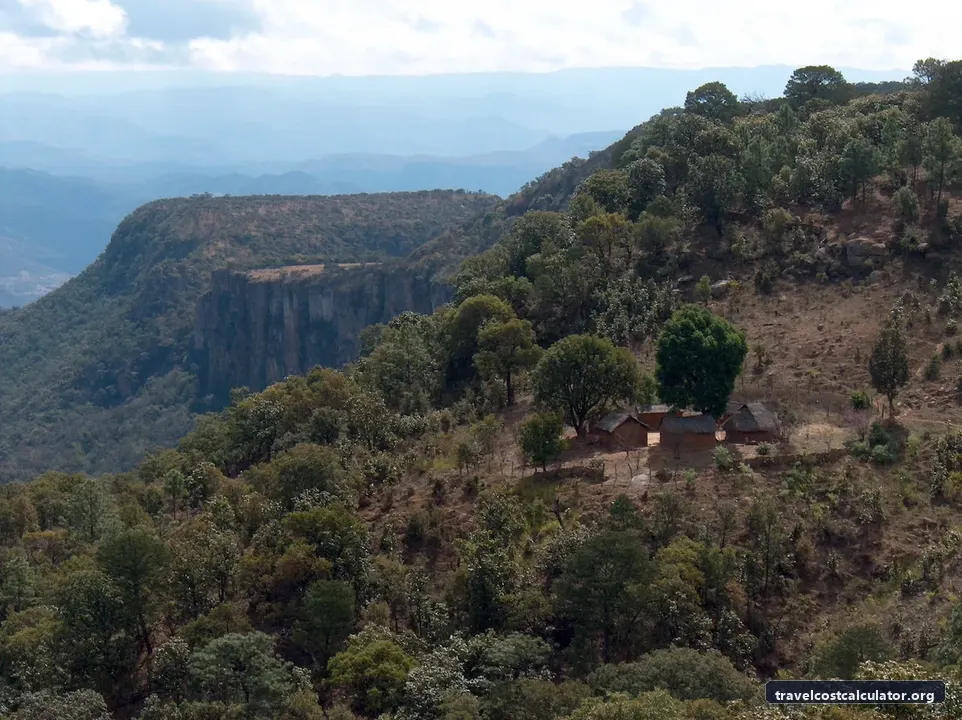
The Wixárika Route through Sacred Sites to Wirikuta (Tatehuarí Huajuyé) is one of the most culturally profound and spiritually charged landscapes in the Americas. Spanning over 500 kilometers across the Mexican states of Nayarit, Jalisco, Zacatecas, Durango, and San Luis Potosí, this ancient pilgrimage trail follows the cosmological creation journey of the indigenous Wixárika (Huichol) people. The route culminates at the sacred desert of Wirikuta and the holy peak of Cerro Quemado (Reunari), where the Wixárika believe the sun was born for the first time.
In 2025, UNESCO officially inscribed this sacred route onto the World Heritage list as an irreplaceable Cultural Landscape. The decision recognized the Wixárika’s millennia-old living heritage, their uninterrupted pilgrimage rituals dedicated to Tatehuarí (Grandfather Fire), Tamatsí Kauyumarí (the Sacred Blue Deer), and Hikuri (the sacred peyote cactus), as well as their intricate ecological guardianship over the hyper-biodiverse Chihuahuan Desert ecosystem.
For modern, conscious travelers visiting in 2026, traveling along or near this sacred route offers an extraordinary glimpse into an intact pre-Columbian worldview. However, visitors must understand that Wirikuta is not a theme park or an standard open-air museum—it is an active place of indigenous worship. Responsible tourism here requires profound respect, ethical engagement with local communities, and absolute protection of the natural environment.
🎟️ Entrance Fees, Opening Hours & Ticket Booking Tips
Because the Wixárika Route encompasses an expansive open cultural landscape across multiple municipalities and ejidos (communal lands), there is no centralized single ticket booth. Instead, costs are structured around local ejido conservation contributions, municipal access fees, and indigenous-led guiding services.
Estimated 2026 Pricing Breakdown
-
✦
Tunnel de Ogarrio Access Fee (Real de Catorce Entry): $35 MXN (~$1.95 USD) per person (payable upon arrival via local transit through the historical mining tunnel).
-
✦
Ejido San José de Coronado & Cerro Quemado Access Contribution: $100 – $150 MXN (~$5.50 – $8.30 USD) per hiker. Collected by local ejidatarios to maintain trail preservation and trash cleanup.
-
✦
Certified Local/Indigenous Guided Tour (Cerro Quemado / Wirikuta Plain): $500 – $1,100 MXN (~$28 – $60 USD) per group/day, depending on whether you travel on foot, horseback, or via a classic 4x4 Willys jeep.
-
✦
Wixárika Cultural Center / Local Community Museum Donations: $50 – $100 MXN (~$2.80 – $5.50 USD) suggested donation.
Opening Hours & Logistics
The natural landscape of Wirikuta and the village of Real de Catorce are physically open 24/7. However, practical visiting hours for sacred spots and guided excursions are strictly tied to daylight hours:
-
✦
Guided Hikes & Horseback Expeditions: 6:00 AM – 6:00 PM. Sunrise tours up Cerro Quemado typically depart at 5:00 AM.
-
✦
Ogarrio Tunnel Transit: 8:00 AM – 8:00 PM for regular shuttle services (vehicle traffic is strictly regulated).
Crucial 2026 Insider Booking Tips
1. Strict Ethical Protocol on Hikuri: Harvesting, purchasing, or consuming Hikuri (peyote) is strictly illegal under Mexican federal law for non-Wixárika individuals. The sacred plant is protected under UNESCO guidelines to prevent environmental poaching and cultural degradation. Enjoy the spiritual energy of the desert without disrupting indigenous practices.
2. Hire Local Wixárika or Ejido Guides: Book tours directly in Real de Catorce or through verified local ejido co-ops (such as the Willys Drivers Collective or local indigenous elders). Avoid unauthorized third-party operators selling "shamanic trips" online.
🚌 How to Get There & Local Transit Costs
The main gateway to exploring the Wirikuta section of the sacred route is the historic mountain town of Real de Catorce, located in the northern region of San Luis Potosí state. The nearest major transportation hubs with commercial airports are San Luis Potosí City (SLP) (approx. 240 km south) and Monterrey (MTY) (approx. 310 km northeast).
Step-by-Step Transit Route & 2026 Costs
Step 1: San Luis Potosí City to Matehuala
From the Central de Autobuses in San Luis Potosí City, take a first-class long-distance bus (operated by Autobuses Transpaís, Grupo Senda, or Futura) to the city of Matehuala.
-
✦
Duration: 2 hours 15 minutes
-
✦
Cost: $240 – $310 MXN (~$13.30 – $17.20 USD) one-way
Step 2: Matehuala to Real de Catorce / Estación Catorce
From the Matehuala bus terminal, local regional buses operated by Autobuses Transportes del Norte or regional minibuses run directly to the Ogarrio Tunnel entrance outside Real de Catorce.
-
✦
Duration: 1 hour 15 minutes
-
✦
Cost: $90 – $130 MXN (~$5.00 – $7.20 USD)
-
✦
Taxi Alternative: Private taxi from Matehuala to Real de Catorce costs approximately $500 – $700 MXN (~$27.50 – $38.80 USD).
Step 3: Crossing the Ogarrio Tunnel & Local Transport
Private cars are heavily restricted inside historic Real de Catorce. Travelers disembark at the entrance of the 2.3-kilometer Tunel de Ogarrio and take a designated transit minibus or walk across.
-
✦
Tunnel Transit Shuttle Fee: $35 MXN (~$1.95 USD) per seat.
-
✦
Getting down into the Wirikuta Desert Plain: To reach Estación Catorce or the desert floor from the town, hire an iconic vintage 1950s Willys 4x4 Jeep. A shared round-trip Willys ride to the low desert costs roughly $250 – $350 MXN (~$13.80 – $19.40 USD) per seat.
📸 Best Photography Spots & Insider Visit Hacks
Top Photography Locations
-
✦
Cerro Quemado (Reunari) Summit: Captures the vast, dramatic expanse of the High Plateau desert meeting the sacred stone altars (*Tukipa*). The golden hour light at sunrise (6:15 AM – 7:30 AM) reveals deep hues of magenta and amber across the valley.
-
✦
Estación Catorce Desert Plain: The open semi-arid plain framed by wild yucca trees (*Yucca filifera*), organ-pipe cacti, and distant jagged mountain ridges.
-
✦
The Entrance of Tunel de Ogarrio: A striking 19th-century stone archway cut straight into the mountain rock, contrasting sharp shadows against desert light.
-
✦
Real de Catorce Stone Alleyways: Cobblestone streets, rustic adobe facades, and dramatic mountain backdrops framing local Wixárika artisans selling traditional beaded *chaquira* artwork.
Insider Hacks & Cultural Etiquette
1. Cultural Photography Rules: Never take photographs of Wixárika pilgrims, ceremonial altars, or private offerings without explicit verbal permission. Photographing sacred rituals is considered disrespectful and prohibited by traditional authorities.
2. Cash is Essential: ATMs in Real de Catorce are notoriously out of service or out of cash. Carry sufficient Mexican Pesos (MXN) in cash for your entire trip to cover food, guides, tip fees, and souvenirs.
3. Layer Up for Extreme Temperatures: Wirikuta is a high-altitude desert (2,750 meters above sea level in town). Winter mornings (November–February) regularly drop near 0°C (32°F), while midday temperatures in the low desert can surge past 30°C (86°F).
4. Seasonality Matters: The absolute best weather window is during the dry, crisp months of October through April. Avoid July and August, which bring afternoon flash monsoons that make unpaved desert tracks impassable.
🏨 Nearby Accommodation & Daily Budget Allocation
Most visitors stay in the cobblestone village of Real de Catorce, which sits right above the sacred desert and provides comfortable lodging, vibrant local dining, and easy access to guides.
Recommended Accommodations in 2026
-
✦
Budget Hostels & Posadas ($20 – $40 USD / night): Simple rustic rooms with basic amenities, such as Posada Real del Potosí or small local guesthouses around the town square.
-
✦
Mid-Range Boutique Hotels ($70 – $130 USD / night): Beautifully restored 19th-century stone mansions offering cozy fireplaces and panoramic desert views, such as Hotel El Mesón del Refugio or Hotel Ruinas del Real.
-
✦
Luxury Eco-Lodges & Heritage Stays ($160 – $290 USD / night): Upscale heritage retreats featuring spa treatments, fine local gastronomy, and private guided desert excursions, such as Hotel Palacho or luxury boutique haciendas nearby.
Estimated Daily Budget breakdown (per person)
-
✦
Backpacker / Low-Budget Traveler: $40 – $60 USD / day (Local hostels, street gorditas, shared Willys transport, public buses).
-
✦
Mid-Range Comfort Traveler: $110 – $180 USD / day (Boutique hotel, private/semi-private tours, restaurant dining featuring Potosí cuisine).
-
✦
Luxury Traveler: $300 – $480 USD / day (High-end heritage stay, private 4x4 guided expeditions, gourmet meals, private transfers from San Luis Potosí).
Frequently Asked Questions
Essential visitor FAQs for Wixárika Route through Sacred Sites to Wirikuta (Tatehuarí Huajuyé)
What is the entrance fee for Wixárika Route through Sacred Sites to Wirikuta (Tatehuarí Huajuyé)?
How much time do you need to explore Wixárika Route through Sacred Sites to Wirikuta (Tatehuarí Huajuyé)?
How do I get to Wixárika Route through Sacred Sites to Wirikuta (Tatehuarí Huajuyé) from the nearest city?
📊 Heritage Quick Specs
Visiting Mexico on a Budget?
Calculate your full daily travel budget for Mexico — including hotel costs, local transport, food, and sightseeing expenses.
View Mexico Daily Travel Costs →Explore more UNESCO World Heritage Sites
🏛️ All 1,200+ Heritage Sites →