
 New Zealand
Tongariro National Park
In 1993 Tongariro became the first property to be inscribed on the World Heritage List under the revised criteria describing cultural landscapes.
Tongariro National Park
🏛️ Overview & Historical Significance
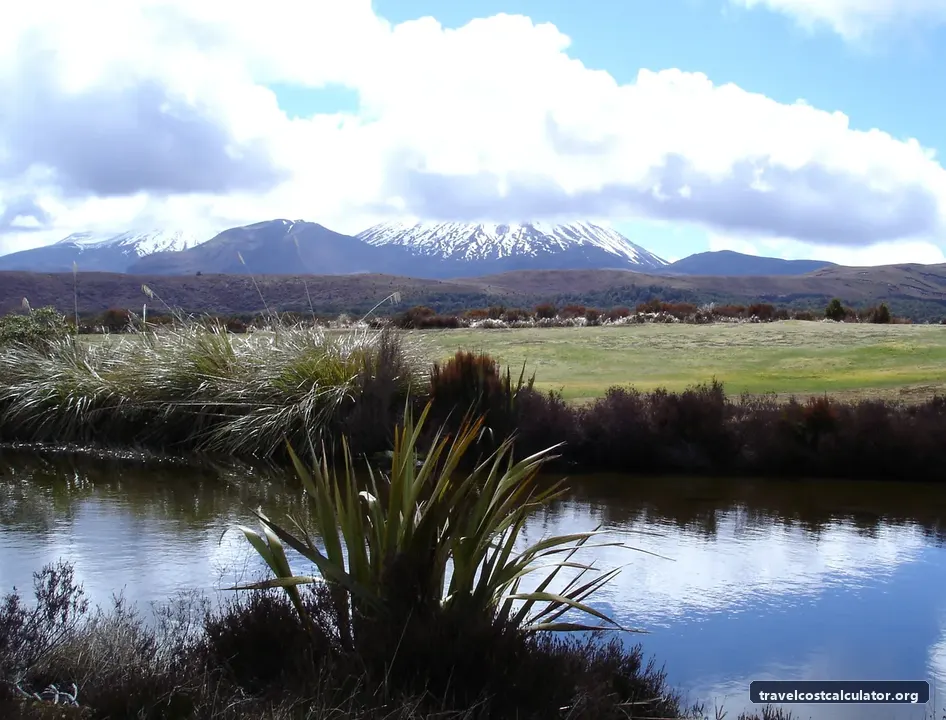
Rising dramatically from the volcanic high plateau of New Zealand’s North Island, Tongariro National Park is an awe-inspiring landscape of active stratovolcanoes, emerald crater lakes, glacial valleys, and wind-sculpted alpine meadows. Established in 1887, it holds the distinction of being New Zealand’s oldest national park and the fourth national park established anywhere in the world. Spanning over 796 square kilometers (307 square miles), the park encompasses three active volcanic peaks: Mount Ruapehu (2,797 m / 9,177 ft), Mount Ngauruhoe (2,291 m / 7,516 ft), and Mount Tongariro (1,968 m / 6,456 ft).
In 1990, UNESCO inscribed Tongariro National Park as a World Heritage site for its outstanding natural values, citing its rare geological features, active volcanism, and exceptional biotic diversity. Just three years later, in 1993, UNESCO expanded its designation to make Tongariro the very first site in the world inscribed under the revised cultural criteria for associative cultural landscapes.
This dual World Heritage status highlights the profound spiritual connection between the landscape and the indigenous Māori people, specifically the Ngāti Tūwharetoa and Ngāti Rangi iwi (tribes). In 1887, to protect the sacred mountain peaks (maunga) from European land division and exploitation, Paramount Chief Horonuku Te Heuheu Tukino IV executed a historic deed of gift, entrusting the heart of the mountains to the Crown as a protected sanctuary. To Māori, these peaks are ancestral figures (ancestors/tūpuna), imbued with tapu (sacred status) and mana (spiritual power). Visitors today step onto a landscape where geology and living spiritual heritage are inextricably intertwined.
Global film fans will also recognize the iconic, near-perfect conical form of Mount Ngauruhoe, which doubled as the ominous Mount Doom (Orodruin) in Peter Jackson’s acclaimed The Lord of the Rings film trilogy.
🎟️ Entrance Fees, Opening Hours & Ticket Booking Tips
Visiting Tongariro National Park offers remarkable access to alpine wilderness, but navigating the booking requirements and updated 2026 conservation logistics requires advance planning.
Park Entrance Fees & Visitor Passes (2026 Rates)
There is no general entrance fee to set foot inside Tongariro National Park; access to the park land remains free for all visitors. However, specific activities, visitor passes, shuttle logistics, and overnight track bookings incur costs:
-
✦
Park Access: FREE (0 NZD / $0 USD).
-
✦
Tongariro Alpine Crossing Trail Pass (DOC Slot System): Free, but mandatory pre-registration is required via the Department of Conservation (DOC) online portal during peak season (October to May) to manage trail capacity and preserve fragile alpine ecosystems.
-
✦
International Visitor Conservation and Tourism Levy (IVL): Included upon arrival in New Zealand for most international travelers — 100 NZD (approx. $61 USD) per adult.
-
✦
Great Walk Huts (Tongariro Northern Circuit): 75 NZD – 95 NZD (approx. $46 – $58 USD) per person, per night for international visitors; 40 NZD – 50 NZD (approx. $24 – $31 USD) for NZ residents.
-
✦
Great Walk Campsites: 20 NZD – 30 NZD (approx. $12 – $18 USD) per person, per night.
-
✦
Sky Waka Gondola (Mt. Ruapehu / Whakapapa): 55 NZD – 65 NZD (approx. $34 – $40 USD) adult return ticket for scenic rides.
Opening Hours & Visitor Centres
-
✦
Park Grounds & Trails: Accessible 24 hours a day, 365 days a year (subject to volcanic alerts and severe alpine weather closures).
-
✦
Whakapapa Visitor Centre: Open daily from 8:00 AM to 4:30 PM. Crucial for obtaining daily weather bulletins, volcanic hazard updates, topography maps, and expert ranger advice.
Essential Booking Tips for 2026
-
✦
Book Crossing Shuttles Months Ahead: Parking at the trackheads (Mangatepopo and Ketetahi) is strictly restricted to 4 hours during peak season to discourage unauthorized day parking. Booking a certified shuttle service (which provides round-trip drop-off and pick-up) is mandatory for completing the 19.4 km (12-mile) point-to-point day hike.
-
✦
Check Volcanic Alert Levels: Tongariro and Ruapehu are active volcanoes monitored by GeoNet. Always review the GeoNet Volcanic Alert Level (VAL) prior to setting out.
-
✦
Reserve Huts Early: Bookings for the 3- to 4-day Tongariro Northern Circuit open mid-year on the DOC website and regularly sell out within hours for the summer period (December through February).
🚌 How to Get There & Local Transit Costs
Tongariro National Park is positioned in the central volcanic plateau of the North Island. The primary gateway towns are National Park Village (west side), Whakapapa Village (inside the park boundary), Turangi (north-east), and the lakeside resort hub of Taupō (north).
Getting to the Region from Major Hubs
From Auckland Travel Budget (approx. 330 km / 205 miles north):
-
✦
By Rental Car: Driving takes roughly 4 to 4.5 hours via State Highway 1 and State Highway 4. Car rentals in 2026 range between 65 NZD and 130 NZD ($40 – $80 USD) per day, excluding fuel (~2.60 NZD/liter).
-
✦
By InterCity Bus: Daily long-distance buses connect Auckland Central to National Park Village or Taupō. One-way fares cost 45 NZD – 75 NZD ($28 – $46 USD) per person (3.5 to 5 hours).
-
✦
By Northern Explorer Train: Great Journeys New Zealand operates this iconic scenic rail service between Auckland and Wellington Travel Budget, stopping directly at the historic National Park Railway Station. One-way fares range from 190 NZD to 260 NZD ($116 – $159 USD) per adult.
From Wellington (approx. 320 km / 198 miles south):
-
✦
By Rental Car: A scenic 4-hour drive northbound along State Highway 1.
-
✦
By InterCity Bus: Daily departures to National Park Village or Turangi take ~4.5 hours, costing 40 NZD – 70 NZD ($25 – $43 USD).
Local Shuttles & Transport to the Tongariro Alpine Crossing
Because the Tongariro Alpine Crossing is a non-circuit hike starting at Mangatepopo Road end and finishing at Ketetahi Road end, point-to-point shuttle transport is required:
-
✦
From National Park Village / Whakapapa: Round-trip shuttle tickets cost 55 NZD – 70 NZD ($34 – $43 USD) per person. Shuttles drop off early morning (5:30 AM – 7:30 AM) and offer multiple pick-up windows from Ketetahi in the afternoon.
-
✦
From Turangi: Round-trip shuttle services cost approximately 60 NZD – 75 NZD ($37 – $46 USD).
-
✦
From Taupō: Long-distance day-hiker shuttles run directly from Taupō accommodations for 85 NZD – 110 NZD ($52 – $67 USD) return.
📸 Best Photography Spots & Insider Visit Hacks
With its lunar landscapes, vivid mineral lakes, and looming peaks, Tongariro National Park is a paradise for outdoor photographers and adventurers. Here is how to capture its beauty while staying safe and respectful.
Top Photography Locations
-
✦
The Emerald Lakes (Nga Rotopounamu): Located just past the Red Crater at the summit zone of the Alpine Crossing. The vibrant emerald-green and turquoise colors are caused by dissolved volcanic minerals. Best light: Late morning when the sun is directly overhead to showcase the vivid waters.
-
✦
Red Crater: The highest elevation on the Crossing (1,886 m / 6,187 ft). Offers a dramatic contrast of deep crimson red scoria cliffs set against black volcanic ash.
-
✦
Mount Ngauruhoe from Mangatepopo Valley: Frame the dark, symmetrical cone of "Mount Doom" from the tussock-lined boardwalks early in the walk. Best light: Golden hour at sunrise when soft pink light hits the summit.
-
✦
Taranaki Falls: A 2-hour loop walk starting from Whakapapa Village. The 15-meter waterfall plunges over the edge of a 15,000-year-old lava flow into a boulder-strewn pool.
-
✦
Tawhai Falls (Gollum’s Pool): A quick 20-minute return walk off SH48, featuring cascading waters over ancient bedrock.
Insider Visit & Safety Hacks
-
✦
Observe Cultural Tapu (Sacred Rules): Out of deep respect for Māori cultural traditions, do not step off designated trails to climb the summits of Mt. Ngauruhoe or Mt. Tongariro. Do not touch, swim in, or submerge food/drink in the Emerald Lakes or Blue Lake (Te Wai-whakaata-o-Te Rangihiroa), which are deeply sacred.
-
✦
Master the Microclimate: Alpine weather in Tongariro changes rapidly. Temperatures at the Red Crater can be 10°C to 15°C colder than at the base, with gale-force winds and sudden sub-zero blizzards occurring even in mid-summer (January/February). Always layer: thermal base layers, fleece mid-layer, and a windproof/waterproof hard-shell jacket. Cotton clothing is unsafe.
-
✦
Beat the Crowds: The Alpine Crossing can see up to 2,000 hikers per day in peak summer. Catch the earliest possible shuttle (5:30 AM) to stay ahead of the main hiking groups, or visit during the shoulder seasons of **April–May** or **October–November**.
-
✦
Winter & Spring Alpine Gear (June to October): Winter transforms the track into an ice-bound alpine route. Completing the crossing during these months requires crampons, an ice axe, alpine expertise, or an accredited mountain guide (guided day tours cost approx. 240 NZD – 310 NZD / $147 – $190 USD).
🏨 Nearby Accommodation & Daily Budget Allocation
Choosing where to stay depends on whether you prefer walking to trackheads from Whakapapa, staying in cozy backpacker hubs in National Park Village, or enjoying luxury resorts in Taupō.
Accommodation Options (2026 Rates)
-
✦
Budget (Hostels, Holiday Parks & Campsites):
- Whakapapa Holiday Park: Powered campsite sites from 30 NZD – 50 NZD ($18 – $31 USD); basic cabins from 90 NZD ($55 USD).
-
✦
National Park Backpackers / YHA National Park: Dorm beds from 38 NZD – 55 NZD ($23 – $34 USD) per night; private rooms from 100 NZD – 140 NZD ($61 – $86 USD).
- Skotel Alpine Resort (Whakapapa Village): New Zealand’s highest hotel, offering views of Mt. Ruapehu. Standard rooms range from 180 NZD to 280 NZD ($110 – $171 USD) per night.
- Chateau Tongariro Hotel Update: Note that the iconic neo-Georgian Chateau Tongariro building in Whakapapa Village remains closed for seismic strengthening and historic restoration work into late 2026.
Daily Budget Allocation Models (2026 Estimates)
| Traveler Profile | Accommodation | Food & Dining | Transport & Activities | Total Daily Budget |
|---|---|---|---|---|
| Backpacker / Budget | $25 – $35 USD (Dorm / Campsite) |
$20 – $30 USD (Self-catering / Supermarket) |
$35 – $45 USD (Shuttle fee Split Travel Budget + free walks) |
$80 – $110 USD (130 – 180 NZD) |
| Mid-Range Traveler | $75 – $120 USD (Shared double room/lodge) |
$45 – $70 USD (Cafes & pub dinners) |
$50 – $80 USD (Rental car share + shuttle) |
$170 – $270 USD (275 – 440 NZD) |
| Luxury Traveler | $300 – $600 USD (Luxury lodge / suite) |
$110 – $200 USD (Fine dining & wine) |
$150 – $300 USD (Private guided trek / heli-tour) |
$560 – $1,100+ USD (910 – 1,790+ NZD) |
Frequently Asked Questions
Essential visitor FAQs for Tongariro National Park
What is the entrance fee for Tongariro National Park?
How much time do you need to explore Tongariro National Park?
How do I get to Tongariro National Park from the nearest city?
📊 Heritage Quick Specs
Visiting New Zealand on a Budget?
Calculate your full daily travel budget for New Zealand — including hotel costs, local transport, food, and sightseeing expenses.
View New Zealand Daily Travel Costs →Explore more UNESCO World Heritage Sites
🏛️ All 1,200+ Heritage Sites →