
 Ethiopia
The Gedeo Cultural Landscape
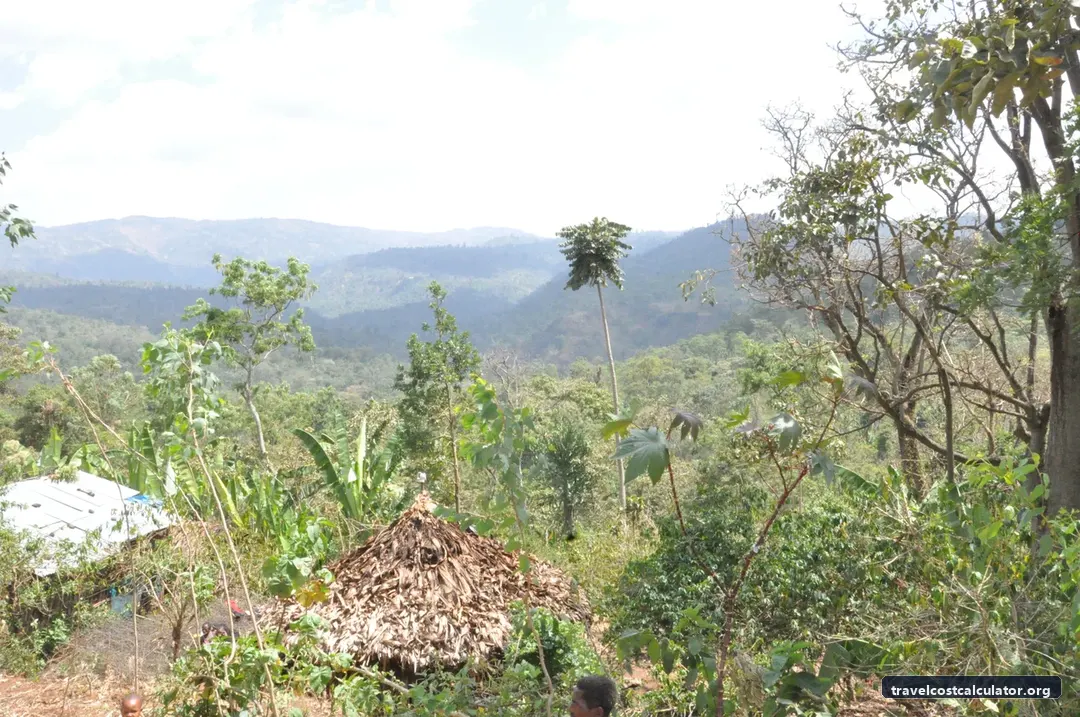
The property lies along the eastern edge of the Main Ethiopian Rift, on the steep escarpments of the Ethiopian highlands.
The Gedeo Cultural Landscape
1. 🏛️ Overview & Historical Significance
Inscribed as a UNESCO World Heritage site in late 2023, the Gedeo Cultural Landscape in southern Ethiopia stands as one of Africa's most extraordinary examples of human-environment synergy. Spanning the steep escarpments of the Main Ethiopian Rift, this living cultural landscape represents thousands of years of indigenous land management, complex agroforestry practices, and ancient spiritual traditions maintained by the Gedeo people.
What makes the region internationally significant is its dual identity: a thriving, highly sustainable agricultural system and a mysterious archeological open-air museum. For centuries, the Gedeo have practiced a multi-layered agroforestry system. Beneath a canopy of towering native forest trees grow shade-loving Arabica coffee plants and Enset (the "false banana"), an indigenous staple crop that provides food security for one of the highest rural population densities in Africa without causing soil degradation or deforestation.
Intermingled within these lush green forest gardens lies the densest concentration of megalithic stelae on the African continent. Thousands of carved stone monuments—some standing up to six meters tall—punctuate the ridge lines. Sites like Tutu Fela and Chelba Tutitti boast phallic, anthropomorphic, and geometric stelae dating from the 1st millennium BC to the middle ages, serving as ancient funerary markers, territorial boundary indicators, and ritual centers. Guided by their traditional governance system (the Baalle) and sacred forest conservation practices (Songoma), the Gedeo continue to protect these sacred sites, offering travelers an authentic glimpse into an ancient living heritage.
2. 🎟️ Entrance Fees, Opening Hours & Ticket Booking Tips
Visiting the Gedeo Cultural Landscape requires obtaining local site permits and registering at the regional tourism offices. There is no central digital ticketing system; all entry permits are issued in cash on-site or via the regional tourism headquarters in Dilla.
Estimated 2026 Visitor Pricing
-
✦
Foreign Visitor Site Entry Ticket: ~600 to 1,000 ETB ($5.00 – $9.00 USD) per person, per major site (e.g., Tutu Fela or Chelba Tutitti).
-
✦
Mandatory Local Community Guide Fee: ~1,200 to 2,500 ETB ($10.00 – $22.00 USD) per group. Hiring a local Gedeo guide is required to access primary stelae fields and ensures direct economic support to the host community.
-
✦
Camera/Drone Permit Fee: Standard photography is included with entry, but commercial photography or drone permits require clearance from the Gedeo Zone Culture and Tourism Department in Dilla (approx. 3,500 ETB / $30.00 USD).
Opening Hours & Practical Tips
-
✦
Operating Hours: 6:00 AM to 6:00 PM daily (daylight hours). Sites are open year-round.
-
✦
Payment Method: Cash only in Ethiopian Birr (ETB). Credit cards are not accepted anywhere in the rural sites, and local ATMs in smaller villages are frequently offline. Withdraw sufficient cash in Addis Ababa Travel Budget or Hawassa prior to heading south.
-
✦
Permit Registration: Stop first at the Gedeo Zone Culture and Tourism Bureau in Dilla if you plan to visit remote, non-standard stelae sites or sacred groves. For primary sites like Tutu Fela, tickets can be paid directly at the site entrance booth.
3. 🚌 How to Get There & Local Transit Costs
The Gedeo Cultural Landscape is located in the Gedeo Zone, roughly 360 kilometers south of Addis Ababa. The commercial and administrative center of the zone is Dilla, which serves as the primary base for exploring the area.
Option 1: Fly + Overland Drive (Fastest & Most Comfortable)
Fly from Addis Ababa (ADD) to Hawassa Airport (AWA) on Ethiopian Airlines (~45-minute flight, costing approx. $70 – $120 USD one-way for foreign travelers). From Hawassa, hire a private 4x4 vehicle with a driver or take a public minibus southward to Dilla (90 km; 1.5 to 2 hours drive).
-
✦
Private 4x4 Transfer (Hawassa to Dilla): ~$60 – $90 USD per day.
-
✦
Public Minibus (Hawassa to Dilla): ~150 to 200 ETB ($1.30 – $1.80 USD).
Option 2: Overland Public Bus from Addis Ababa
Long-distance public buses (such as Selam Bus or regional public coasters) depart early morning (6:00 AM) from Addis Ababa’s Kaliti Bus Station bound for Dilla. The trip takes between 6 to 8 hours along the paved Trans-African Highway (A2 route).
-
✦
Bus Fare: ~700 to 1,000 ETB ($6.00 – $9.00 USD) one-way.
Local Transit: Reaching the Stelae Fields from Dilla
The main stelae sites (Tutu Fela, Chelba Tutitti, Sakaro Sodo) are located off the main highway along unpaved mountain tracks.
-
✦
Bajaj (Three-Wheeler Rickshaw): Suitable only for short, dry-season trips to close sites like Wonago (~300 – 600 ETB / $2.50 – $5.00 USD round trip).
-
✦
Private 4WD Rental (Dilla to Megalithic Sites): Essential for reaching higher-altitude sites like Chelba Tutitti, especially during rainy windows (~$70 – $110 USD per day including driver and fuel).
-
✦
Motorbike Taxi: Popular for solo travelers navigating rough mountain trails (~400 – 800 ETB / $3.50 – $7.00 USD for a half-day hire).
4. 📸 Best Photography Spots & Insider Visit Hacks
Top Photography Locations
-
✦
Tutu Fela Stelae Field: Situated on a hillside near Wonago, this site features over 800 anthropomorphic and phallic stones set amid lush green coffee plants. The late afternoon sun creates dramatic shadows, bringing out the hand-carved facial features on the stones.
-
✦
Chelba Tutitti Megalithic Complex: Home to massive phallic monoliths standing up to 6 meters high. The sheer scale and density of the standing stones framed by giant Enset leaves yield exceptional wide-angle landscape shots.
-
✦
Michille Agroforestry Viewpoint: Panoramic views looking over the Gedeo escarpment showcase the dense, multi-tiered forest canopy with traditional thatched-roof Gedeo homesteads nestled beneath.
Insider Travel Hacks for 2026
-
✦
Best Time to Visit Planner: The ideal window is during the dry season from October to February. This period coincides with the vibrant coffee harvest season, when red coffee cherries dot the landscape, drying beds are full, and mountain roads are easily navigable.
-
✦
Cultural Protocol: Always ask permission before photographing local farmers, elders, or religious ceremonies. The Gedeo hold deep spiritual ties to their land and sacred groves (Songoma); entering sacred forest areas without a local elder or guide is strictly forbidden.
-
✦
Pack Proper Footwear: The terrain between stelae fields involves walking along narrow, slippery dirt footpaths through coffee farms. Sturdy, waterproof hiking boots are essential.
-
✦
Supplies & Hydration: Tap water in rural Gedeo is unsafe for unpurified consumption. Carry a reusable water bottle with a built-in UV/microfiltration purifier or purchase bottled water in Dilla.
5. 🏨 Nearby Accommodation & Daily Budget Allocation
While accommodation inside the UNESCO zone itself is limited to basic community homestays and eco-camps, comfortably equipped mid-range hotels are located in Dilla, Yirgalem, and Hawassa.
Where to Stay
-
✦
Budget / Local Base (Dilla): Local options such as Getu International Hotel or Dilla Green Hotel offer simple air-conditioned rooms, hot water, and secure parking (~$18 – $35 USD per night).
-
✦
Mid-Range / Nature Eco-Lodge (Yirgalem): Aregash Lodge (located 35 km north in Yirgalem) offers traditional bamboo tukul bungalows set in a tranquil forest home to colobus monkeys and birdlife (~$90 – $160 USD per night). It serves as an outstanding base for day trips into the Gedeo zone.
-
✦
Upscale Comfort (Hawassa): Haile Resort Hawassa or Lewi Resort offer full luxury amenities on the shores of Lake Hawassa, located roughly 1.5 to 2 hours north of the stelae sites (~$100 – $180 USD per night).
Estimated Daily Budget Allocations (2026 Estimates)
-
✦
Backpacker / Independent Budget: $25 – $40 USD / day
- Stay in basic Dilla guesthouses ($15/night).
-
✦
Eat local dishes like Injera with Shiro or fresh avocado salads ($2–$4 per meal).
-
✦
Use public minibuses and shared motorbikes for transit.
- Stay in comfortable Dilla hotels or Yirgalem lodges ($45–$90/night).
- Base stay at premium lodges in Yirgalem or Hawassa ($140+/night).
Frequently Asked Questions
Essential visitor FAQs for The Gedeo Cultural Landscape
What is the entrance fee for The Gedeo Cultural Landscape?
How much time do you need to explore The Gedeo Cultural Landscape?
How do I get to The Gedeo Cultural Landscape from the nearest city?
📊 Heritage Quick Specs
Visiting Ethiopia on a Budget?
Calculate your full daily travel budget for Ethiopia — including hotel costs, local transport, food, and sightseeing expenses.
View Ethiopia Daily Travel Costs →Explore more UNESCO World Heritage Sites
🏛️ All 1,200+ Heritage Sites →