
 South Africa
The Emergence of Modern Human Behaviour: The Pleistocene Occupation Sites of South Africa
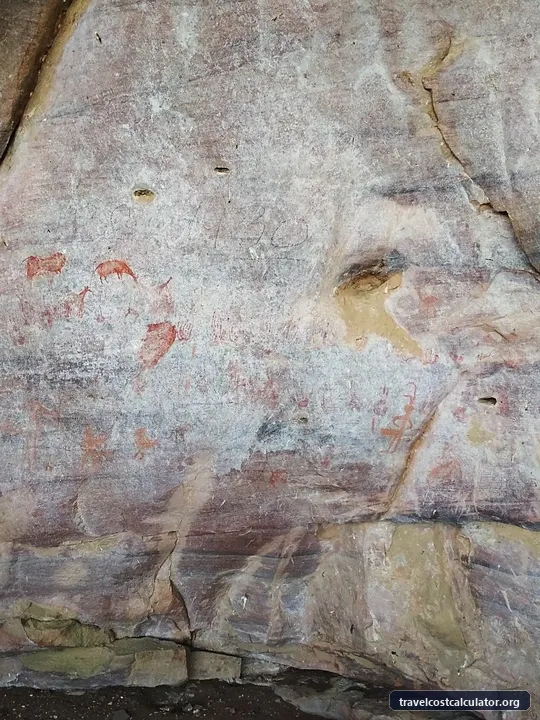
This serial property contributes to the understanding of the origin of behaviourally modern humans, their cognitive abilities and cultures, and the climatic transitions that they survived.
The Emergence of Modern Human Behaviour: The Pleistocene Occupation Sites of South Africa
🏛️ Overview & Historical Significance
Inscribed as a UNESCO World Heritage Site in July 2024, "The Emergence of Modern Human Behaviour: The Pleistocene Occupation Sites of South Africa" stands as one of the most profound archaeological landscapes on Earth. While East Africa is celebrated as the physical birthplace of the human species, South Africa’s southern and eastern coasts hold the definitive secrets to the birthplace of the modern human mind. Spanning the Middle Stone Age—specifically between 162,000 and 50,000 years ago—these sites record the crucial evolutionary leap where Homo sapiens transformed from anatomically modern humans into cognitive, symbolic, and technologically advanced beings.
The UNESCO serial designation comprises three iconic rock shelter and cave complexes located across two South African provinces:
-
✦
Pinnacle Point Site Complex (Mossel Bay, Western Cape): Famous for producing the earliest recorded evidence of coastal resource harvesting (shellfish processing ~164,000 years ago), complex heat-treatment of silcrete stone tools to improve blade production, and early pigment selection for body art and communication.
-
✦
Diepkloof Rock Shelter (Elands Bay, Western Cape): Perched above the Verlorenvlei river basin, this site revealed over 270 fragments of intentionally engraved ostrich eggshell containers dating back 60,000 years, offering undeniable proof of early graphic communication and symbolic storage systems.
-
✦
Sibhudu Cave (Tongaat/Ballito, KwaZulu-Natal): Located on a sandstone cliff overlooking the Tongati River, Sibhudu contains immaculate preservation of pioneering technology, including the world's oldest insect-repellent plant bedding (77,000 years ago), compound plant-glue adhesives for hafting arrowheads, and early bone arrow points.
Together, these sites redefine human history. Visiting them in 2026 offers an intimate encounter with the origins of art, technology, complex language, and social collaboration. Because these locations are extremely sensitive active scientific research zones, visiting logistics require careful advance planning.
🎟️ Entrance Fees, Opening Hours & Ticket Booking Tips
Because the UNESCO property consists of three distinct geographical sites managed by different heritage authorities and private landowners, access procedures and fees vary across each location. Below are the updated 2026 estimated pricing details and booking requirements.
1. Pinnacle Point Site Complex (Mossel Bay)
Access to the actual archaeological caves (specifically Cave 13B and Point 5-6) is strictly controlled to preserve organic deposits and ongoing excavation grids. Public visits are conducted exclusively through official heritage-guided tours (Point Human Origins Experience).
-
✦
Standard Guided Archaeological Tour: ZAR 1,100 – ZAR 1,300 per person (~$60 – $70 USD). Includes expert guide, safety equipment, and access pass.
-
✦
Opening Hours: Tours operate Monday through Saturday, starting promptly at 08:30 and 13:30 (weather and tide dependent). Closed Sundays and public holidays.
-
✦
Booking Tip: Group sizes are capped at 10 participants per session to prevent cave microclimate degradation. You must book online via official channels at least 4 to 6 weeks in advance, especially during the peak southern summer season (December–February).
2. Diepkloof Rock Shelter (Elands Bay)
Located on private property near the West Coast town of Elands Bay, access requires a regional heritage permit and a registered local eco-guide.
-
✦
Permit & Guided Hike Fee: ZAR 300 – ZAR 450 per person (~$16 – $25 USD).
-
✦
Opening Hours: Guided visits available daily from 08:00 to 16:00 (advance notification mandatory).
-
✦
Booking Tip: Contact the local West Coast Tourism office or Elands Bay Visitor Center at least 72 hours prior to arrival to assign a site guide and arrange gate access keyholders.
3. Sibhudu Cave (KwaZulu-Natal)
Situated on private forest land along the Tongati River, site development was enhanced following the 2024 UNESCO inscription. Guided community walks provide structured access.
-
✦
Community Heritage Tour Fee: ZAR 250 – ZAR 350 per person (~$14 – $19 USD).
-
✦
Opening Hours: Tuesday to Sunday, 09:00 to 15:00.
-
✦
Booking Tip: Always verify weather conditions beforehand; heavy rains along the Dolphin Coast can temporarily make the river trail slippery and impassable.
🚌 How to Get There & Local Transit Costs
Since the sites span two geographic clusters—the Western Cape (Pinnacle Point & Diepkloof) and KwaZulu-Natal (Sibhudu)—travelers typically Split Travel Budget their itinerary or focus on the Western Cape cluster first. Renting a vehicle is strongly recommended, as public transit directly to cave entrances is virtually non-existent.
Getting to Pinnacle Point (Mossel Bay)
Pinnacle Point sits on the scenic Garden Route, roughly 390 km east of Cape Town Travel Budget and 45 km west of George Airport (GRJ).
-
✦
By Car from Cape Town: Drive east along the paved N2 highway direct to Mossel Bay (approx. 4 hours). Car rentals in Cape Town cost roughly ZAR 550 – ZAR 850 per day (~$30 – $46 USD). Toll fees on the N2 cost around ZAR 70 (~$3.80 USD).
-
✦
By Air & Airport Taxi: Fly into George Airport (GRJ) from Johannesburg or Cape Town. From GRJ, hire a private airport shuttle or Uber to Mossel Bay for approximately ZAR 500 – ZAR 700 (~$27 – $38 USD) one-way (35-minute drive).
-
✦
Long-Distance Bus: Intercity buses (Intercape, Greyline) operate daily from Cape Town Central Station to Mossel Bay. Tickets cost ZAR 280 – ZAR 420 (~$15 – $23 USD).
Getting to Diepkloof Rock Shelter (Elands Bay)
Diepkloof lies along the wild West Coast, roughly 220 km north of Cape Town.
-
✦
By Car: Take the N7 highway north out of Cape Town toward Piketberg, then switch to the R365 toward Elands Bay (approx. 2.5 hours total). A standard 2WD hatchback is sufficient, though the final 3 km to the trail head consists of gravel roads.
Getting to Sibhudu Cave (KwaZulu-Natal)
Sibhudu Cave is situated near Tongaat, just 25 km north of King Shaka International Airport (DUR) in Durban.
-
✦
By Car: Drive north from Durban or King Shaka Airport along the N2 highway, take the Watson Highway exit to Tongaat, and follow site signage along the Tongati River valley (approx. 30 minutes drive). Renting a car from King Shaka Airport costs roughly ZAR 500 – ZAR 800 per day (~$27 – $43 USD).
📸 Best Photography Spots & Insider Visit Hacks
Capture breathtaking coastal archaeology while protecting these precious deposits with these strategic tips:
Prime Photography Spots
-
✦
Pinnacle Point Cave 13B Staging Deck: Looking out from inside the cave portal framing the turquoise Indian Ocean crashing against reddish quartzite cliffs offers a jaw-dropping juxtaposition of human evolution and natural beauty.
-
✦
Diepkloof Escarpment Vista: Position yourself at the mouth of Diepkloof Rock Shelter during late afternoon golden hour. The view captures the winding Verlorenvlei wetland system flowing toward the Atlantic Ocean.
-
✦
Sibhudu Cliff Canopy: Capture the towering sandstone overhang enveloped by lush coastal riverine forest. The scale of the natural shelter is best photographed using a wide-angle lens (16mm–24mm equivalent).
Insider Visit Hacks for 2026
-
✦
Prepare for Physical Elevation: The Pinnacle Point tour involves descending (and ascending back up!) over 330 steep boardwalk steps along the ocean cliff face. Ensure you possess moderate physical fitness and wear sturdy hiking boots with aggressive tread.
-
✦
Respect Strict Archaeological Protocols: Do not touch cave walls, sediment profiles, or ongoing excavation grids. Flash photography is prohibited inside delicate organic stratigraphy areas at Pinnacle Point and Sibhudu.
-
✦
Pack Smart Gear: Carry a hands-free headlamp or compact flashlight, minimum 1.5 liters of drinking water, a wide-brimmed hat, and reef-safe sunscreen. Strong ocean winds are common along Mossel Bay, so bring a lightweight windbreaker.
-
✦
Combine with Spring Wildflowers: If visiting the Western Cape cluster (Diepkloof and Pinnacle Point), schedule your trip between August and October. You will experience the world-famous West Coast wildflower blooms and seasonal southern right whale watching along the coast simultaneously.
🏨 Nearby Accommodation & Daily Budget Allocation
To maximize your UNESCO experience, base yourself in Mossel Bay for Pinnacle Point, Elands Bay/Lambert's Bay for Diepkloof, and Ballito for Sibhudu Cave. Below are typical 2026 nightly lodging and dining options to suit every budget style.
Where to Stay
-
✦
Budget: Santos Express Train Lodge (Mossel Bay) — Stay in converted train carriages parked directly on Santos Beach. Dorms and private cabins range from ZAR 350 – ZAR 650 (~$19 – $35 USD) per night.
-
✦
Mid-Range: Pinnacle Point Golf Estate Lodges (Mossel Bay) or Ballito Beachfront Guesthouses (KwaZulu-Natal) — Modern self-catering villas and boutique rooms with sweeping ocean views. Rates range from ZAR 1,400 – ZAR 2,600 (~$75 – $140 USD) per night.
-
✦
Luxury: The Ocean Sailing Club Manor (Mossel Bay) or Zimbali Coastal Resort (near Sibhudu) — Upscale coastal resorts featuring private pools, luxury spas, and fine dining. Rates range from ZAR 3,800 – ZAR 7,500 (~$205 – $405 USD) per night.
Daily Budget Allocations (2026 Estimates)
Plan your total daily expenditure based on the travel tier that best matches your travel style (excluding international flights):
-
✦
Backpacker / Low-Budget Tier: $45 – $65 USD (ZAR 800 – ZAR 1,200) per day.
- Hostel dorm bed/budget room: $20 – $30
-
✦
Self-catering & local eateries (fish & chips, braai packs): $15 – $20
-
✦
Shared transport & public permits: $10 – $15
- 3-star hotel / oceanfront guest house: $75 – $120
- 5-star resort / luxury lodge: $220 – $400
Frequently Asked Questions
Essential visitor FAQs for The Emergence of Modern Human Behaviour: The Pleistocene Occupation Sites of South Africa
What is the entrance fee for The Emergence of Modern Human Behaviour: The Pleistocene Occupation Sites of South Africa?
How much time do you need to explore The Emergence of Modern Human Behaviour: The Pleistocene Occupation Sites of South Africa?
How do I get to The Emergence of Modern Human Behaviour: The Pleistocene Occupation Sites of South Africa from the nearest city?
📊 Heritage Quick Specs
Visiting South Africa on a Budget?
Calculate your full daily travel budget for South Africa — including hotel costs, local transport, food, and sightseeing expenses.
View South Africa Daily Travel Costs →Explore more UNESCO World Heritage Sites
🏛️ All 1,200+ Heritage Sites →