
 Iraq
Iraq
The Ahwar of Southern Iraq: Refuge of Biodiversity and the Relict Landscape of the Mesopotamian Cities
The Ahwar is made up of seven components: three archaeological sites and four wetland marsh areas in southern Iraq.
The Ahwar of Southern Iraq: Refuge of Biodiversity and the Relict Landscape of the Mesopotamian Cities
🏛️ Overview & Historical Significance
Inscribed as a UNESCO World Heritage site in 2016, The Ahwar of Southern Iraq: Refuge of Biodiversity and the Relict Landscape of the Mesopotamian Cities is a rare mixed cultural and natural UNESCO property. Spanning the southern delta formed by the Tigris and Euphrates rivers, this extraordinary landscape comprises seven distinct components: three ecological marshland sectors (the Central Marshes, Huwaizah Marshes, and East and West Hammar Marshes) and four ancient Sumerian archaeological complexes (Ur, Uruk, Eridu, and Tell Eridu).
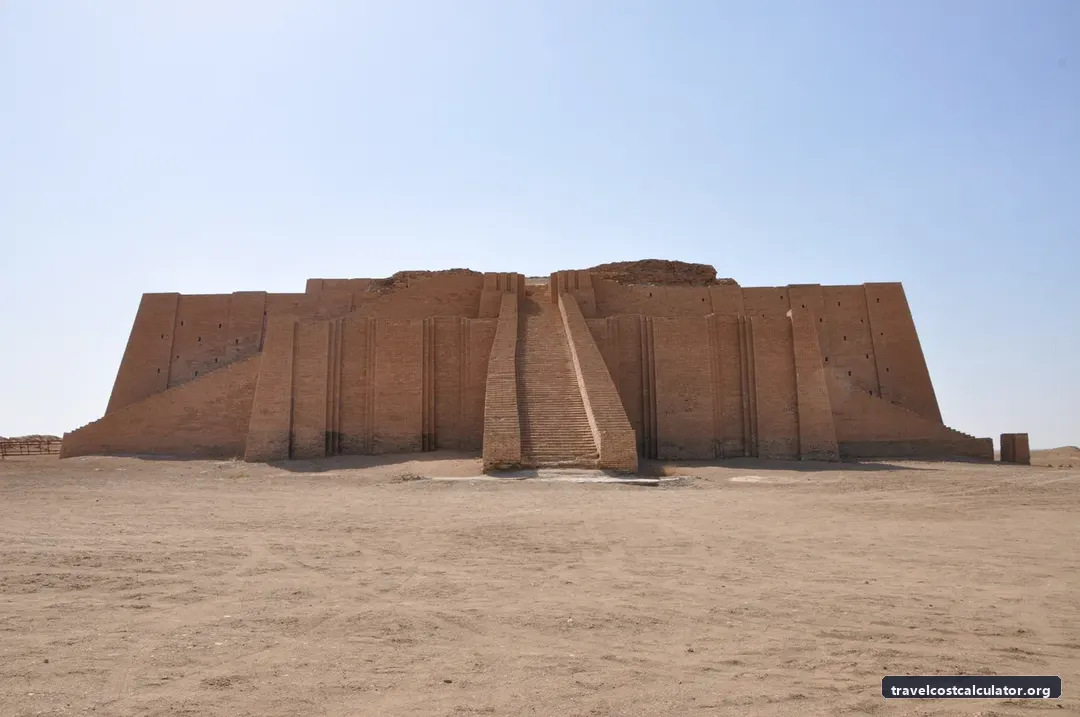
Historically recognized as the "Cradle of Civilization," the region represents the birthplace of urban planning, writing (cuneiform script), and large-scale architectural monuments like the Great Ziggurat of Ur. The ancient cities prospered between the 5th and 3rd millennia BCE alongside an intricate aquatic environment. For thousands of years, the endemic Ma'dan (Marsh Arabs) have maintained an extraordinary eco-cultural lifestyle here, constructing soaring, mortarless arched meeting halls called Mudhifs entirely out of giant reeds (Phragmites australis), fishing, and herding water buffaloes.
Following catastrophic drainage projects in the 1990s that decimated over 90% of the marshlands, international conservation efforts and community resilience have catalyzed a historic ecological revival. In 2026, traveling to The Ahwar offers an unmatched journey into human heritage, where ancient Sumerian city ruins meet one of Western Eurasia's largest and most crucial wetland biodiversity havens, protecting vulnerable species such as the Basra Travel Budget Reed Warbler, Marbled Teal, and Smooth-coated Otter.
🎟️ Entrance Fees, Opening Hours & Ticket Booking Tips
Visiting the Ahwar of Southern Iraq involves exploring both state-managed archaeological parks and open-access natural wetlands. Below are the estimated 2026 visitor costs and access guidelines:
-
✦
Archaeological Site Entry (Ur, Uruk, Eridu): 25,000 IQD (~$17.00 – $18.50 USD) per international visitor per site. Iraqi nationals pay 3,000 IQD. Tickets are purchased on-site at official visitor booths.
-
✦
Marshlands (Al-Chibayish / Central Marshes Access): Free general entry to the wetland regions. However, boat navigation requires chartering a traditional wooden Mashoof or a small motorized boat.
- 1.5-Hour Boat Charter: 45,000 – 65,000 IQD (~$30 – $45 USD) per boat (fits up to 5 people).
-
✦
Full-Day Eco-Tour & Deep Marsh Excursion: 90,000 – 140,000 IQD (~$60 – $95 USD) per boat including guide.
Opening Hours & Booking Protocols
The archaeological site of Ur is generally open daily from 8:00 AM to 5:00 PM (closing around 4:00 PM in winter). The marshes have no formal gates and can be visited from dawn until dusk; early morning (6:00 AM – 9:00 AM) is best for bird watching and boat trips.
Booking Tips: Iraq operates predominantly on cash. Credit card infrastructure outside major international hotels in Baghdad Travel Budget or Basra is virtually non-existent. Carry clean, unblemished USD bills (printed after 2013) or Iraqi Dinars (IQD). Visa on Arrival (VoA) is available at major Iraqi entry hubs for citizens of over 60 countries for $75 USD.
🚌 How to Get There & Local Transit Costs
The primary transit hub for accessing both the archaeological sites of Ur and Eridu, as well as the Central Marshes at Al-Chibayish, is the city of Nasiriyah (the capital of Dhi Qar Governorate). Alternatively, the southern port hub of Basra serves as a gateway to the East Hammar Marshes.
Step 1: Traveling to Nasiriyah
-
✦
From Baghdad:
- Shared Taxi (Garaaj Al-Nahda / Al-Bayaa): 20,000 – 25,000 IQD (~$14 – $17 USD) per seat. Takes about 4 to 5 hours along Highway 1.
-
✦
Overnight Train: The Iraqi Republic Railways operates a daily sleeper train from Baghdad Central Station to Basra via Nasiriyah. Standard seat tickets cost ~10,000 IQD (~$7 USD); private sleeper berths cost ~25,000 IQD (~$17 USD). Departs Baghdad around 7:00 PM.
-
✦
Private Hire Car: $100 – $140 USD one-way from Baghdad to Nasiriyah.
Step 2: Reaching the Sites from Nasiriyah
-
✦
To the Great Ziggurat of Ur (17 km southwest of Nasiriyah): A round-trip private taxi costs approximately 25,000 – 35,000 IQD (~$17 – $24 USD), which includes 2 hours of waiting time for your tour.
-
✦
To Al-Chibayish (Central Marshes, 95 km east of Nasiriyah): Shared minibuses depart regularly from Nasiriyah Main Garage to Chibayish for about 4,000 – 5,000 IQD (~$3 – $4 USD) per seat. A private return taxi with waiting time costs between $40 and $60 USD.
📸 Best Photography Spots & Insider Visit Hacks
Capturing the stark contrast between ancient burnt-brick ziggurats and lush, watery marsh vistas requires strategic timing and local awareness.
Top Photography Locations
-
✦
The Ziggurat of Ur at Golden Hour: Capture the towering 3rd-millennium BCE staircase illuminated by late afternoon sun. Stand on the northwestern approach for the iconic wide-angle shot.
-
✦
Al-Chibayish Waterways & Boat Routes: Photograph traditional Mashoof canoes gliding through narrow channels of tall reeds with herds of water buffalo swimming alongside.
-
✦
Interior of a Reed Mudhif: The incredible geometric patterns of woven reed mats, vaulted arches, and light filtering through the open doorway provide extraordinary architectural interior shots.
-
✦
The Confluence of the Tigris and Euphrates (Qurna): Capture the historic junction point locally associated with the legendary Garden of Eden.
Insider Visit Hacks & Etiquette
-
✦
Best Seasonal Window: Plan your trip between November and March. Winter brings comfortable daytime temperatures (16°C – 22°C / 60°F – 72°F) and thousands of migratory birds. Summers (May to October) are brutally hot, with temperatures frequently topping 50°C (122°F).
-
✦
Checkpoint Readiness: Iraq relies heavily on security checkpoints along highways. Always keep your physical passport, visa slip, and hotel confirmation documents easily accessible in your daypack.
-
✦
Respecting Marsh Arab Customs: Dress modestly (covered shoulders and knees for all genders). Always ask permission before photographing local residents, particularly women and families in rural villages. Accepting a glass of sweet tea (*Stikan Chai*) in a Mudhif is an essential sign of hospitality and respect.
🏨 Nearby Accommodation & Daily Budget Allocation
Most travelers base themselves in Nasiriyah for modern amenities, though staying overnight in an eco-lodge or traditional Mudhif in Al-Chibayish is becoming a popular option for immersive cultural stays.
Recommended Hotels & Stays
-
✦
Budget / Cultural Experience: Al-Chibayish Eco-Lodge / Mudhif Stay (Al-Chibayish). Basic bedding, home-cooked regional meals, and authentic hospitality. Costs approximately $30 – $50 USD (45,000 – 75,000 IQD) per night per person including breakfast.
-
✦
Mid-Range Hotel: Zaytoun Hotel or Al-Fadhel Hotel (Nasiriyah City Center). Offers clean rooms, air conditioning, reliable Wi-Fi, and private bathrooms. Rates range from $65 to $95 USD (95,000 – 140,000 IQD) per night.
-
✦
Upscale Option (Regional Base): Grand Millennium Hotel Basra (Basra). Located 2.5 hours away, offering 5-star luxury accommodations for travelers utilizing day-trip transport to the southern marshes. Rates start at $180 – $240 USD per night.
Dining & Local Culinary Highlights
Do not leave the Ahwar region without sampling Masgouf (freshwater carp Split Travel Budget open, seasoned with turmeric and tamarind, and slow-roasted vertically over an open fire of fruitwood), costing about 15,000 – 25,000 IQD (~$10 – $17 USD) for a multi-person fish. For breakfast, savor Gaimar (rich, clotted buffalo cream) served warm with local dates and hot flatbread (2,500 – 5,000 IQD / ~$2 – $4 USD).
Estimated Daily Budget Profiles (2026 Prices)
-
✦
Backpacker / Independent Budget: $50 – $70 USD / day (Shared transport, eco-lodge/budget hotel, local street food, independent marsh boat share).
-
✦
Mid-Range Traveler: $120 – $180 USD / day (Private taxi hires, 3-star hotel in Nasiriyah, full private marsh boat charter, guided site tours, restaurant meals).
-
✦
Luxury / Fully Escorted Tour: $280 – $450+ USD / day (Private 4x4 transport from Baghdad or Basra, top-tier accommodations, all-inclusive private English guide, all entry fees and premium meals).
Frequently Asked Questions
Essential visitor FAQs for The Ahwar of Southern Iraq: Refuge of Biodiversity and the Relict Landscape of the Mesopotamian Cities
What is the entrance fee for The Ahwar of Southern Iraq?
How much time do you need to explore The Ahwar of Southern Iraq?
How do I get to The Ahwar of Southern Iraq from the nearest city?
📊 Heritage Quick Specs
Visiting Iraq on a Budget?
Calculate your full daily travel budget for Iraq — including hotel costs, local transport, food, and sightseeing expenses.
View Iraq Daily Travel Costs →Explore more UNESCO World Heritage Sites
🏛️ All 1,200+ Heritage Sites →