
 Spain
Teide National Park
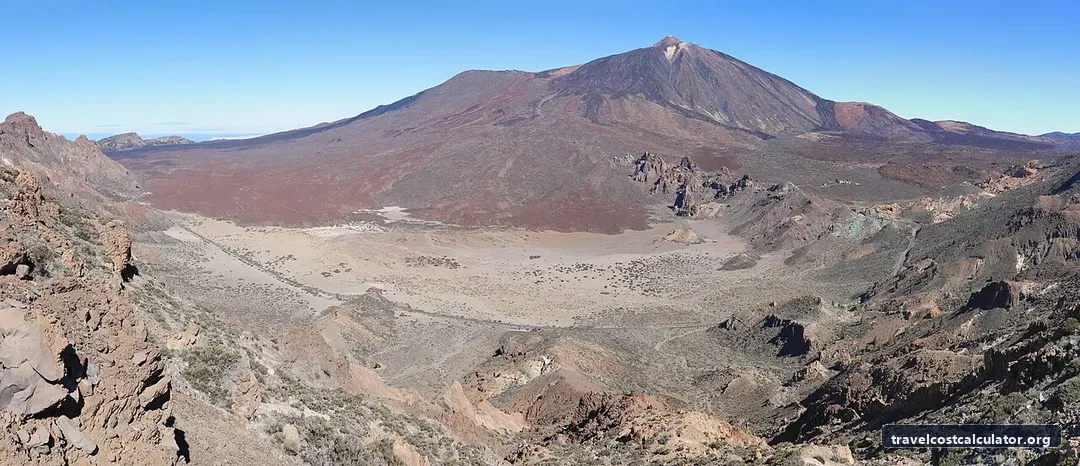
Situated on the island of Tenerife, Teide National Park features the Teide-Pico Viejo stratovolcano that, at 3,718 m, is the highest peak on Spanish soil.
Teide National Park
🏛️ Overview & Historical Significance
Dominating the center of Tenerife in Spain's Canary Islands, Teide National Park (Parque Nacional del Teide) is one of the world's most spectacular geological marvels. At its heart rises Mount Teide (Pico del Teide), a colossal stratovolcano reaching 3,715 meters (12,198 feet) above sea level and soaring over 7,500 meters from the ocean floor. This makes it the highest peak on Spanish territory and the third-tallest volcanic structure on Earth when measured from its submerged base.
In 2007, UNESCO inscribed Teide National Park as a World Heritage site under natural criteria (vii) and (viii). UNESCO recognized the park's exceptional natural beauty and its global importance as a visual indicator of volcanic geological processes. The park encompasses the vast Las Cañadas caldera—a collapsed 16-kilometer-wide volcanic depression formed millions of years ago—filled with contrasting lava flows, cinder cones, phone-lite domes, and colorful eroded rock towers.
Long before European explorers sailed the Atlantic, the indigenous Guanche people considered Teide sacred. In Guanche mythology, the volcano was named Echeyde (hell or place of terror), believed to be the home of the fiery demon Guayota. According to legend, Guayota imprisoned the sun god Magec inside the mountain, casting the island into darkness until the supreme deity Achamán trapped the demon back inside the volcano's fiery core.
Beyond its mythic origins and geology, Teide National Park boasts a fragile, hyper-adapted ecosystem. Because of its extreme altitude, high UV radiation, and intense temperature fluctuations, more than 50% of the plant species found here are endemic to Tenerife or the Canary Islands. The most famous is the spectacular Red Echium or Tower of Jewels (Echium wildpretii), a biennial plant that grows cone-shaped clusters of vibrant crimson blossoms up to three meters high during late spring.
🎟️ Entrance Fees, Opening Hours & Ticket Booking Tips
Visiting Teide National Park is one of the most accessible World Heritage experiences in Europe, but navigating the logistics for cable car tickets and peak summit permits requires planning. Below are the updated 2026 pricing structures and entry details:
-
✦
Park Entrance Fee: FREE (€0 / $0 USD). Access to the national park, visitor centers, public parking, and hiking trails is completely free 24/7.
-
✦
Teide Cable Car (Teleférico del Teide) Return Ticket: €42.00 – €45.00 ($46 – $49 USD) for non-resident adults; €21.00 – €23.00 ($23 – $25 USD) for children (ages 3–13).
-
✦
Teide Cable Car One-Way Ticket: €23.00 – €25.00 ($25 – $27 USD) for adults (popular for hikers walking up or down the steep trail).
-
✦
Pico del Teide Summit Access Permit (Telesforo Bravo Trail #10): FREE (€0 / $0 USD), but strictly required to hike the final 163 vertical meters from the upper cable car station (La Rambleta) to the true peak crater.
-
✦
Guided Sunset & Stargazing Tours: €75.00 – €145.00 ($82 – $158 USD) per person depending on whether transportation, champagne, and professional telescope access are included.
Opening Hours & Logistics
The park roads and viewpoints remain open 24 hours a day year-round. However, specific facilities operate on timed schedules:
-
✦
Teide Cable Car Operating Hours: Daily from 09:00 to 17:00 (last ascent at 16:00, last descent at 16:50). Summer hours are often extended to 19:00. Operations are strictly subject to wind and weather conditions.
-
✦
El Portillo Visitor Center: Open daily from 09:00 to 16:00. Offers interactive exhibits on volcanic formation and indigenous history.
-
✦
Cañada Blanca Visitor Center: Located near the Parador Hotel, open daily from 09:00 to 16:00.
Crucial Ticket Booking Hacks for 2026
To ensure a seamless visit, keep these financial and logistical tips in mind:
-
✦
Secure Summit Permits Months Ahead: Summit permits are capped at approximately 200 visitors per day to protect the crater environment. Book via the official Organismo Autónomo Parques Nacionales website 2 to 4 months in advance. Permits sell out fast for peak travel months.
-
✦
Pre-Book Cable Car Time Slots: Buying cable car tickets at the ticket window can result in 2+ hour wait times. Purchase online in advance to receive a designated boarding time slot.
-
✦
Monitor Cable Car Cancellations: Strong high-altitude winds can stop cable car operations without prior notice. If canceled, tickets are automatically refunded or rebooked online without fee penalties.
🚌 How to Get There & Local Transit Costs
Teide National Park occupies the high-altitude center of Tenerife. Access roads enter from all four compass directions, weaving up through pine forests before breaking through the clouds into the lunar caldera.
1. By Rental Car (Most Flexible & Cost-Effective)
Renting a vehicle is the recommended way to explore the park at your own pace, especially for sunset photography or night stargazing when public buses no longer run. Car rental rates at Tenerife South Airport (TFS) or Tenerife North Airport (TFN) in 2026 average €25.00 – €45.00 ($27 – $49 USD) per day for an economy car.
-
✦
From Puerto de la Cruz (North): Take the TF-21 highway south (approx. 45 km / 1 hour drive).
-
✦
From Costa Adeje / Los Cristianos (South): Take the TF-38 or TF-21 north through Vilaflor (approx. 50 km / 1 hour 10 minutes drive).
-
✦
From Santa Cruz Travel Budget / La Laguna (East): Take the scenic TF-24 along the mountain ridge through Esperanza Forest (approx. 60 km / 1 hour 15 minutes drive).
-
✦
Fuel Cost: Petrol in the Canary Islands benefits from lower local taxes, averaging roughly €1.30 – €1.40 per liter ($5.20 – $5.60 per US gallon).
2. By TITSA Public Bus
Tenerife's reliable public transit network (TITSA) operates direct mountain bus routes once per day to the Teide Cable Car station:
-
✦
Route 348 (From Puerto de la Cruz): Departs Puerto de la Cruz at 09:30 AM; returns from Teide Cable Car at 16:00 PM. Round-trip fare is approximately €11.50 – €13.00 ($12.50 – $14.00 USD).
-
✦
Route 342 (From Costa Adeje / Los Cristianos): Departs Costa Adeje at 09:15 AM; returns from Teide Cable Car at 15:30 PM. Round-trip fare is approximately €14.50 – €16.50 ($16.00 – $18.00 USD).
-
✦
Tip: Pay using a contactless credit card or purchase a Ten+ Transit Card for a 20% discount on standard bus fares across the island.
3. By Guided Excursion Tour
If you prefer not to drive, day tours by coach depart daily from major resort zones. Expect to pay between €38.00 and €65.00 ($41 – $71 USD) per person for basic round-trip hotel transit with an official park guide, excluding cable car tickets.
📸 Best Photography Spots & Insider Visit Hacks
With its otherworldly rock spires, vast sea of clouds (mar de nubes), and dark skies, Teide is a paradise for landscape photographers and astro-photographers.
Top Photography Locations
-
✦
Roques de García & La Cinchado: Located directly across from the Parador Hotel. The most iconic perspective features Rock Cinchado (a top-heavy rock formation carved by wind) standing in the foreground with Mount Teide towering behind it. Best photographed during early morning light.
-
✦
Llano de Ucanca: A flat, copper-colored sedimentary basin that looks like the surface of Mars. When winter rains fall, temporary shallow pools form, creating mirror reflections of the volcano.
-
✦
Mirador de Chío (TF-38): Positioned on the western edge of the park. It offers panoramic sunset views over dark basaltic lava fields from the 1798 Chahorra eruption, with the neighboring islands of La Gomera and La Palma floating above the sea of clouds.
-
✦
La Rambleta Overlook (3,555m): Accessible via the top cable car station. On clear days, lookouts Mirador de Pico Viejo and Mirador de La Fortaleza yield dramatic vistas across the entire Canarian archipelago.
Insider Visit Hacks for 2026
-
✦
Beat the Crowds & Altitude: Arrive at the cable car station by 08:30 AM before tourist buses arrive at 10:00 AM. At 3,555 meters altitude, atmospheric pressure drops significantly. Walk slowly, drink plenty of water, and wear layered thermal clothing—temperatures at the summit can be 15°C to 20°C cooler than at the coast.
-
✦
Spring Blooming Season (May–June): Plan your trip for late spring to witness the giant Tajinaste Rojo in bloom across the caldera floor. The contrast between bright red flowers and dark black lava yields unforgettable imagery.
-
✦
World-Class Stargazing (Starlight Reserve): Teide National Park is a certified Starlight Reserve due to its pristine, unpolluted dark skies and high altitude. Stay past dusk to view the Milky Way with the naked eye. Bring a tripod and wide-angle lens with a low f-stop for astro-photography.
-
✦
No Summit Permit? Do This: If summit permits are sold out, hike Trail #12 to Mirador de Pico Viejo instead. You will gaze down into a colorful 800-meter-wide volcanic crater without needing a restricted summit pass.
🏨 Nearby Accommodation & Daily Budget Allocation
While many visitors stay on Tenerife's coast and make a day trip to the summit, spending a night in or near the high-altitude park offers an unforgettable experience away from tourist crowds.
Accommodation Options
-
✦
Inside the National Park (Mid-Range to Luxury): Parador de Las Cañadas del Teide. The only hotel inside the park crater, offering traditional mountain lodge rooms, an indoor pool, and an onsite observatory. Rooms range from €140.00 to €240.00 ($153 – $262 USD) per night.
-
✦
High-Altitude Village (Budget to Mid-Range): Vilaflor. Situated 30 minutes south of the park at 1,400 meters elevation, this traditional Canarian village offers charming guesthouses and rural boutique hotels starting at €55.00 to €95.00 ($60 – $104 USD) per night.
-
✦
Coastal Hubs (All Budgets): Puerto de la Cruz (North) or Costa Adeje (South) offer thousands of options ranging from budget hostels at €25.00 ($27 USD)/night to 5-star luxury beach resorts at €300.00+ ($328 USD)/night.
Dining & Culinary Expenses
Dining inside the national park is limited to the Parador’s restaurant and cafeterias near the cable car station. For authentic and budget-friendly meals, stop at local Guachinches (rustic Canarian family eateries) located on the lower mountain slopes in towns like Vilaflor or La Orotava.
-
✦
Papas Arrugadas con Mojo: Salt-crusted wrinkled potatoes served with red and green chili sauce (€4.50 – €6.50 / $5 – $7 USD).
-
✦
Conejo al Salmorejo: Marinated garlic rabbit, a staple mountain dish (€10.00 – €14.00 / $11 – $15 USD).
-
✦
Average Lunch inside Park: €15.00 – €25.00 ($16 – $27 USD) per person.
Daily Budget Estimations (2026)
-
✦
Backpacker / Budget Daily Budget: ~€45.00 – €65.00 ($49 – $71 USD)
- Public TITSA bus round-trip (€13.00)
-
✦
Free park entry & free self-guided crater hikes
-
✦
Packed grocery lunch & water (€8.00)
-
✦
Shared hostel bed in Puerto de la Cruz or Vilaflor (€25.00 – €35.00)
- Share of economy rental car + fuel (€25.00)
- SUV rental car (€60.00)
Frequently Asked Questions
Essential visitor FAQs for Teide National Park
What is the entrance fee for Teide National Park?
How much time do you need to explore Teide National Park?
How do I get to Teide National Park from the nearest city?
📊 Heritage Quick Specs
Visiting Spain on a Budget?
Calculate your full daily travel budget for Spain — including hotel costs, local transport, food, and sightseeing expenses.
View Spain Daily Travel Costs →Explore more UNESCO World Heritage Sites
🏛️ All 1,200+ Heritage Sites →