
 India
India
Taj Mahal
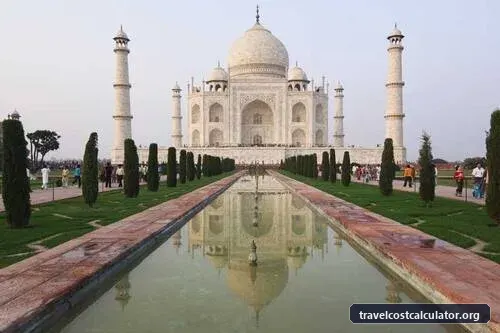
An immense mausoleum of white marble, built in Agra between 1631 and 1648 by order of the Mughal emperor Shah Jahan in memory of his favourite wife, the Taj Mahal is the jewel of Muslim art in India and one of ...
Taj Mahal
🏛️ Overview & Historical Significance
Standing on the southern bank of the Yamuna River in Agra, India, the Taj Mahal represents the absolute pinnacle of Mughal architecture and remains one of the world's most recognizable architectural masterpieces. Commissioned in 1631 by the fifth Mughal Emperor, Shah Jahan, the monument was built to house the tomb of his favorite wife, Mumtaz Mahal, who died giving birth to their fourteenth child. Construction spanned over two decades, utilizing an estimated 20,000 artisans, sculptors, calligraphers, and stonemasons from across Central Asia, Persia, and India, completing the full complex around 1653.
In 1983, UNESCO designated the Taj Mahal a World Heritage site, citing it under Criterion (i) as "the jewel of Muslim art in India and one of the universally admired masterpieces of the world's heritage." The complex is celebrated for its perfect architectural symmetry, sophisticated engineering, and harmonious blend of Islamic, Persian, Ottoman Turkish, and Indian artistic traditions.
The central monument is constructed entirely of translucent white marble sourced from Makrana in Rajasthan, which changes hue throughout the day—shifting from soft pink at dawn to blinding white under the noon sun and translucent gold under moonlight. Key architectural highlights include:
-
✦
Pietra Dura (Parchin Kari): Intricate marble inlay work featuring semi-precious stones such as lapis lazuli, jade, turquoise, agate, and mother-of-pearl arranged in delicate floral patterns.
-
✦
Symmetrical Charbagh Gardens: A traditional Persian "four-fold" garden divided by water channels, symbolizing the four rivers of Paradise described in Islamic theology.
-
✦
Optical Illusions & Scale: The main entrance gate (Darwaza-i-Rauza) creates a famous optical trick where the Taj Mahal appears to shrink as you approach it and enlarge as you step backward.
-
✦
Calligraphic Inscriptions: Beautiful Thuluth script Quranic verses inlaid in black marble bordering the arched doorways (iwans), scaled visually so they appear uniform in size from the ground looking upward.
🎟️ Entrance Fees, Opening Hours & Ticket Booking Tips (2026 Rates)
To preserve the delicate marble and manage visitor flow, entry to the Taj Mahal is strictly regulated through a tiered ticketing system administered by the Archaeological Survey of India (ASI). Pricing structure and visitor guidelines include:
2026 Estimated Entrance Fees
-
✦
International Tourists: ₹1,100 INR base entry + ₹200 INR optional main mausoleum ticket = ₹1,300 INR (~$15.50 - $16.50 USD). Note: International tickets include complimentary shoe covers, a 500ml water bottle, and a tourist map.
-
✦
SAARC & BIMSTEC Country Visitors: ₹540 INR base entry + ₹200 INR main mausoleum ticket = ₹740 INR (~$8.80 USD).
-
✦
Indian Citizens: ₹50 INR base entry + ₹200 INR main mausoleum ticket = ₹250 INR (~$3.00 USD).
-
✦
Children (Under 15 Years): FREE (Must hold a valid age-proof ID/passport for verification).
Opening Hours & Schedule
-
✦
Daytime Entry: Opens 30 minutes before sunrise and closes 30 minutes before sunset (approx. 6:00 AM – 6:30 PM). Exact timings shift slightly according to the season.
-
✦
FRIDAY CLOSURE: The Taj Mahal is CLOSED every Friday to the general public. Entry is restricted strictly to local residents attending afternoon prayers at the mosque inside the complex.
-
✦
Night Viewing: Permitted for 5 nights per month (on full moon night, two nights before, and two nights after). Night viewing tickets cost ₹750 INR (~$9.00 USD) for foreigners and ₹510 INR (~$6.10 USD) for Indian nationals. Tickets must be booked 24 hours in advance at the ASI Agra office.
Pro Tips for Buying Tickets in 2026
Always purchase tickets online through the official ASI Archaeological Survey Portal or official government ticketing apps to skip the long physical ticketing queue at the gates. Online ticket holders get a small discount (approx. ₹50 off foreign tickets) and direct access to dedicated security clearance lanes. Remember: base tickets only allow access to the exterior gardens and grounds; you must select the add-on option for the Main Mausoleum if you wish to step inside the central dome to see the cenotaphs.
🚌 How to Get There & Local Transit Costs
Agra is located approximately 200 kilometers (124 miles) south of India's capital, New Delhi Travel Budget. Traveling between Delhi and Agra is straightforward, with multiple train, highway, and bus options available.
1. Express Trains from Delhi (Fastest & Safest)
-
✦
Gatimaan Express (Train #12049 / 12050): Departs Hazrat Nizamuddin (Delhi) at 8:10 AM and arrives at Agra Cantt (AGC) at 9:50 AM (1 hour 40 minutes journey). Features air-conditioned Chair Car (CC) and Executive Chair Car (EC). Cost: ₹850 - ₹1,600 INR ($10 - $19 USD) one-way. Includes breakfast.
-
✦
Vande Bharat Express: Semi-high-speed express covering Delhi to Agra Cantt in roughly 1 hour 45 minutes. Cost: ₹950 - ₹1,800 INR ($11.50 - $21.50 USD) depending on seating class.
-
✦
Taj Express / Shatabdi Express: Reliable daily commuter trains operating morning and evening service. Cost: ₹400 - ₹1,100 INR ($5 - $13 USD).
2. Private Taxi via Yamuna Expressway
Driving via the 6-lane access-controlled Yamuna Expressway takes around 3 to 3.5 hours from central Delhi or Indira Gandhi International Airport (DEL). A private sedan taxi booking via major ride-hailing services or licensed tour vendors costs approximately ₹3,500 - ₹5,000 INR ($42 - $60 USD) for a one-way trip, or ₹6,500 - ₹8,500 INR ($78 - $102 USD) for a full-day round-trip day tour including driver allowance and highway tolls.
3. Local Transit within Agra
To reduce airborne pollutants that yellow the white marble, the Indian government enforces a strict 500-meter non-emissions zone around the Taj Mahal. Internal combustion engine vehicles (petrol/diesel) are strictly prohibited inside this perimeter.
-
✦
Getting from Agra Cantt Station to Taj Gates: Uber/Ola car cabs or auto-rickshaws will drop you at the parking checkpoints outside the non-pollution zone. Auto-rickshaw fare: ₹150 - ₹250 INR ($1.80 - $3.00 USD).
-
✦
Navigating the 500-Meter Eco Zone: From the parking areas/ticketing booths to the actual entry gates (East Gate or West Gate), you can either walk (10–15 minutes) or take official battery-operated e-rickshaws or electric golf carts for ₹20 - ₹50 INR ($0.25 - $0.60 USD) per seat.
📸 Best Photography Spots & Insider Visit Hacks
Capturing the perfect photograph of the Taj Mahal requires strategic timing and an understanding of security rules and light angles.
Top Photography Angles
-
✦
The Central Reflecting Pool (Classic View): Located just inside the main gate. Arrive right at sunrise when the water surface is still to capture a mirror image of the main dome.
-
✦
The Eastern/Western Mosque Arcades: Frame the white dome through the red sandstone arches of the western mosque or eastern assembly hall (Jawab) for dramatic contrast and natural lighting frames.
-
✦
Mehtab Bagh (The Moonlight Garden): Located directly across the Yamuna River. This site provides an unobstructed rear view of the monument. Visit around sunset for golden-hour lighting casting warm hues across the marble without the dense crowd inside the complex. Entry fee: ₹300 INR (~$3.60 USD) for foreigners.
-
✦
View from Taj Khema Mound: A grassy elevated hill located 200 meters from the East Gate offering panoramic vantage points over the surrounding tree canopy and the distant dome.
Essential Insider Visit Hacks & Security Restrictions
-
✦
Choose the East Gate for Sunrise: The East Gate generally experiences shorter security lines early in the morning compared to the West Gate, which handles major tour bus traffic.
-
✦
Strictly Prohibited Items: Security clearance is airport-grade. Do NOT bring: large backpacks, tripods, gimbals, drones, extra camera lenses/heavy gear, food items, chewing gum, cigarettes/lighters, sharp objects, or books/stationery. Small daypacks, smartphones, basic camera setups, money, and medical items are permitted. Free lockers are available at the entrance, but waiting in locker lines will delay entry.
-
✦
Seasonal Weather Tip: The ideal travel window is October through March. Be aware that December and January frequently experience dense morning fog/smog, which can completely obscure the monument until 10:00 AM or 11:00 AM. In winter, aim for mid-morning or mid-afternoon entry rather than dawn.
-
✦
Shoe Slip Cover Protocol: You must remove shoes or wear provided paper slip-covers when stepping onto the elevated marble platform of the main structure. Wear easy slip-on shoes to streamline this process.
🏨 Nearby Accommodation & Daily Budget Allocation
Agra offers a wide variety of accommodation options, ranging from backpacker hostels near the East Gate to five-star luxury resorts offering uninterrupted balcony views of the Taj Mahal.
Recommended Accommodations
-
✦
Budget (Hostels & Guesthouses): Zostel Agra or Joey's Hostel Agra. Located within a short walking distance of the East Gate. Offers clean dorm beds, vibrant rooftop cafes with direct views of the Taj dome, and communal tours. Cost: ₹600 - ₹1,500 INR ($7 - $18 USD) per night.
-
✦
Mid-Range (Boutique & 3/4-Star Hotels): Hotel Taj Resorts, Coral Court Homestay, or Howard Plaza The Fern. Clean, comfortable rooms with modern amenities, swimming pools, and fast Wi-Fi. Cost: ₹3,500 - ₹7,500 INR ($42 - $90 USD) per night.
-
✦
Luxury (5-Star Heritage & Resorts): The Oberoi Amarvilas (every room has an unobstructed view of the Taj Mahal, located 600m from the gate) or ITC Mughal Resort & Spa. Cost: ₹25,000 - ₹65,000+ INR ($300 - $780+ USD) per night.
Daily Budget Allocation Breakdown (2026 Estimates)
To help plan trip costs effectively, here is a practical daily budget breakdown for exploring Agra per person:
-
✦
Backpacker Budget Planner (~$30 - $45 USD / ₹2,500 - ₹3,700 INR per day):
- Hostel Bed: ₹800 ($9.50)
-
✦
Meals (Street food / Local dhabas / Rooftop cafes): ₹800 ($9.50)
-
✦
Entry Tickets (Taj Mahal foreign ticket + Mehtab Bagh): ₹1,600 ($19.00)
-
✦
Local E-Rickshaws & Transit: ₹300 ($3.60)
- 3/4-Star Hotel Room (shared rate): ₹3,500 ($42.00)
- Luxury Resort Stay (The Oberoi Amarvilas): ₹35,000 - ₹60,000 ($420 - $720)
Dining Tip: Avoid tap water under all circumstances; stick strictly to sealed mineral water (such as Bisleri or Kinley). Try local Mughlai specialties like Chicken/Mutton Mughlai, Paneer Tikka, and Agra’s famous local sweet delicacy made from ash gourd called Agra Petha at reputable sweet shops like Panchhi Petha.
Frequently Asked Questions
Essential visitor FAQs for Taj Mahal
What is the entrance fee for Taj Mahal in 2026?
How much time do you need to explore Taj Mahal?
How do I get to Taj Mahal from the nearest city?
📊 Heritage Quick Specs
Visiting India on a Budget?
Calculate your full daily travel budget for India — including hotel costs, local transport, food, and sightseeing expenses.
View India Daily Travel Costs →Explore more UNESCO World Heritage Sites
🏛️ All 1,200+ Heritage Sites →