
 Chile
Settlement and Artificial Mummification of the Chinchorro Culture in the Arica and Parinacota Region
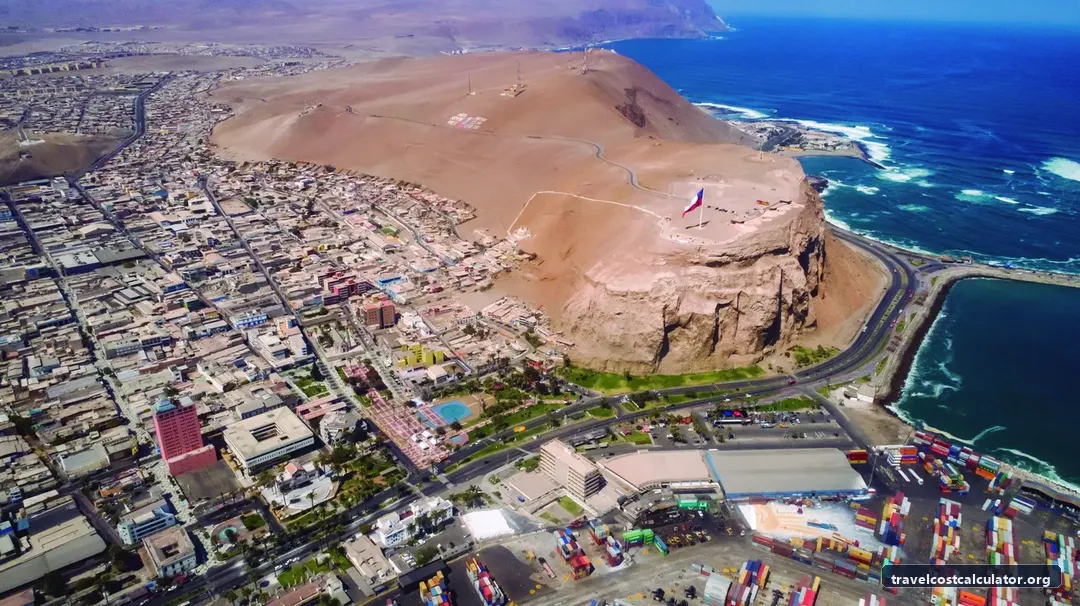
The property consists of three component parts: Faldeo Norte del Morro de Arica, Colón 10, both in the city of Arica, and Desembocadura de Camarones, in a rural environment some 100km further south.
Settlement and Artificial Mummification of the Chinchorro Culture in the Arica and Parinacota Region
🏛️ Overview & Historical Significance
Inscribed as a UNESCO World Heritage site in 2021, the Settlement and Artificial Mummification of the Chinchorro Culture in the Arica and Parinacota Region represents one of the most astonishing cultural achievements of ancient humanity. Nestled in the hyper-arid coastal environment of northern Chile's Atacama Desert, the Chinchorro were marine hunter-gatherers who inhabited the region between approximately 5450 BC and 890 BC. What makes this civilization internationally renowned is that they developed artificial human mummification at least 2,000 years before the ancient Egyptians.
Unlike the Egyptians, who reserved mummification primarily for pharaohs and the elite, the Chinchorro practiced an egalitarian form of mortuary preservation. Men, women, children, infants, and even fetuses were meticulously embalmed. The process involved complex anatomical knowledge: stripping skin, removing internal organs, reinforcing skeletal structures with wooden sticks and reeds, filling the cavities with clay, ash, and animal hair, and then replacing the skin or modeling clay face masks painted in distinct black (manganese) and red (ochre) pigments.
The UNESCO designation spans three primary property components in the Arica and Parinacota Region: Faldeos del Morro and Museo Sitio Colón 10 in downtown Arica, the lush agricultural Azapa Valley (San Miguel de Azapa), and the rugged coastal sanctuary of Caleta Camarones (~100 km south of Arica). Together, these sites preserve thousands of years of human adaptation, sacred mortuary rites, and remarkable organic artifacts preserved by the driest desert on Earth.
🎟️ Entrance Fees, Opening Hours & Ticket Booking Tips (2026 Estimates)
Visiting the Chinchorro culture sites requires visiting a combination of specialized university-managed museums and open-air archaeological landscapes. Below are the updated 2026 visitor logistics and admission prices in Chilean Pesos (CLP) and US Dollars (USD):
1. Museo Arqueológico San Miguel de Azapa (Universidad de Tarapacá)
This is the primary repository housing the world's largest collection of authentic Chinchorro mummies and artifacts.
-
✦
Adult Entrance Fee: 3,500 CLP (~$4.00 USD)
-
✦
Students & Seniors: 1,500 CLP (~$1.75 USD)
-
✦
Children under 6: Free
-
✦
Opening Hours: Tuesday through Sunday, 10:00 AM – 5:30 PM (Closed Mondays).
2. Museo Sitio Colón 10 (Downtown Arica)
An extraordinary underground "in-situ" museum built directly over an authentic Chinchorro burial site discovered in 2004 during building construction.
-
✦
Adult Entrance Fee: 3,000 CLP (~$3.50 USD)
-
✦
Students / Seniors: 1,500 CLP (~$1.75 USD)
-
✦
Opening Hours: Tuesday through Sunday, 10:00 AM – 5:00 PM (Closed Mondays).
3. Outdoor Sites (Morro de Arica & Caleta Camarones)
-
✦
Faldeos del Morro de Arica: Free public access for self-guided coastal walking trails.
-
✦
Caleta Camarones Heritage Zone: Free entry to view monuments and open coastal landscapes, though specialized guided tours from Arica cost around 35,000 to 55,000 CLP ($40 – $65 USD) per person.
Booking & Practical Tips for 2026: Advance online ticket reservation is recommended for the Azapa Museum during the peak Chilean summer holiday season (January and February). Always carry cash (Chilean Pesos) for local transportation and small vendors near the Azapa Valley, as credit card readers occasionally drop connection due to spotty desert cell service.
🚌 How to Get There & Local Transit Costs
The main hub for exploring the Chinchorro World Heritage site is the coastal city of Arica, located right near the Peruvian border in northern Chile.
Getting to Arica
Most travelers arrive via domestic flights landing at Chacalluta International Airport (ARI), located 18 km north of central Arica. Direct flights operating daily from Santiago Travel Budget (SCL) on LATAM, SKY Airline, or JetSMART take approximately 2 hours and 30 minutes, costing between $50 and $130 USD round-trip in 2026 when booked 4–6 weeks in advance. Official shared airport shuttles (transfers) from ARI to downtown Arica cost approximately 5,000 to 7,000 CLP ($5.75 – $8.00 USD) per passenger.
Transit from Downtown Arica to Museo San Miguel de Azapa
-
✦
Shared Taxi (Colectivo): Take Colectivo Line 103 or local Azapa shared cabs from the corner of Calle Maipú and Patricio Lynch in downtown Arica. Duration: 20 minutes. Cost: ~1,000 to 1,500 CLP ($1.15 – $1.70 USD) per seat.
-
✦
Local Microbus: Take green buses marked "Azapa / San Miguel" along Avenida Diego Portales. Cost: ~800 CLP ($0.90 USD).
-
✦
Private Taxi / Ride-Hailing: Uber and local taxis operate between downtown Arica and Azapa for around 7,000 to 10,000 CLP ($8.00 – $11.50 USD) one-way.
Transit to Sitio Colón 10
Sitio Colón 10 is located right in downtown Arica at Calle Cristóbal Colón #10, just a 3-minute walk from the main plaza (Plaza Colón) and the foot of Morro de Arica. No motorized transport is necessary if staying in the city center.
Transit to Caleta Camarones
Located 100 km south along Route 5 (Pan-American Highway). There is no direct public bus to the exact archaeological site. Options include renting a vehicle from Arica Airport ($35 – $55 USD/day) or booking an organized half-day day-tour from an operator along Calle 21 de Mayo in Arica.
📸 Best Photography Spots & Insider Visit Hacks
Documenting ancient heritage sites requires a mix of artistic framing and strict adherence to conservation ethics. Keep these tips in mind:
Prime Photography Locations
-
✦
Sitio Colón 10 Glass Floors: Photograph original mummies illuminated beneath the glass walkways directly below your feet. Rule: Flash photography is strictly prohibited inside all indoor exhibits to protect sensitive organic matter.
-
✦
Morro de Arica Overlook: Capture panoramic vistas of the Pacific coastline, the harbor, and the dramatic red-sand cliffs where Chinchorro populations camped thousands of years ago. Best light occurs during golden hour right before sunset.
-
✦
Azapa Valley Cactus Gardens & Olive Groves: Frame the crisp museum architecture against the backdrop of giant columnar cacti (*Eulychnia*) and centuries-old olive orchards contrast against barren desert hills.
Insider Travel Hacks
-
✦
Beat the Heat & Tour Groups: Visit Museo San Miguel de Azapa right at opening time (10:00 AM). School excursions and coastal cruise land-tours typically arrive between 11:30 AM and 2:00 PM.
-
✦
Combine Culture with Culinary Delights: Azapa Valley is famous across South America for its dark, savory olives (*Aceitunas de Azapa*). Pair your museum visit with lunch at an artisan farm restaurant in San Miguel to sample olive tapenades, fresh goat cheeses, and tumbo fruit juices.
-
✦
Seasonal Advice: Northern coastal Chile enjoys a mild desert climate year-round. However, winter months (June to August) often bring morning coastal fog known locally as camanchaca. For blue skies and warm afternoon ocean breezes, plan your travel between October and April.
🏨 Nearby Accommodation & Daily Budget Allocation
Arica offers options for all travel styles, from coastal backpacker hostels to modern beachside resort hotels. Most travelers base themselves in downtown Arica or along Chinchorro Beach (*Playa Chinchorro*).
Recommended Accommodations in Arica (2026 Rates)
-
✦
Budget Hostels ($18 – $32 USD / night): Hostal La Pachamama or Arica Surf House. Clean dorm rooms, communal kitchens, surf gear rentals, and friendly English/Spanish speaking staff.
-
✦
Mid-Range Hotels ($65 – $120 USD / night): Hotel Apacheta (an eco-conscious oceanfront design hotel near El Laucho beach) or Hotel Diego de Almagro Arica. Excellent breakfast spreads, sea views, and convenient taxi access.
-
✦
Luxury / Comfort ($140 – $220 USD / night): Hotel Antay & Spa Arica or Novotel Arica Playa Chinchorro. Full-service resort amenities, swimming pools, high-end dining, and concierge tour bookings.
Daily Travel Budget Allocations (Per Person, 2026)
| Travel Style | Daily Accommodation | Meals & Drinks | Transit & Admissions | Total Estimated Daily Cost |
|---|---|---|---|---|
| Backpacker | $22 USD (Dorm bed) | $15 USD (Street food / local markets) | $8 USD (Colectivos & entry) | $45 USD (~40,000 CLP) |
| Mid-Range | $85 USD (Private hotel room) | $40 USD (Seafood restaurants) | $25 USD (Taxis & guided tickets) | $150 USD (~135,000 CLP) |
| Luxury / Comfort | $180 USD (4-Star coastal resort) | $85 USD (Fine dining & wine) | $75 USD (Private tours / car rental) | $340 USD (~305,000 CLP) |
Frequently Asked Questions
Essential visitor FAQs for Settlement and Artificial Mummification of the Chinchorro Culture in the Arica and Parinacota Region
What is the entrance fee for Settlement and Artificial Mummification of the Chinchorro Culture in the Arica and Parinacota Region?
How much time do you need to explore Settlement and Artificial Mummification of the Chinchorro Culture in the Arica and Parinacota Region?
How do I get to Settlement and Artificial Mummification of the Chinchorro Culture in the Arica and Parinacota Region from the nearest city?
📊 Heritage Quick Specs
Visiting Chile on a Budget?
Calculate your full daily travel budget for Chile — including hotel costs, local transport, food, and sightseeing expenses.
View Chile Daily Travel Costs →Explore more UNESCO World Heritage Sites
🏛️ All 1,200+ Heritage Sites →