
 Ecuador
Sangay National Park
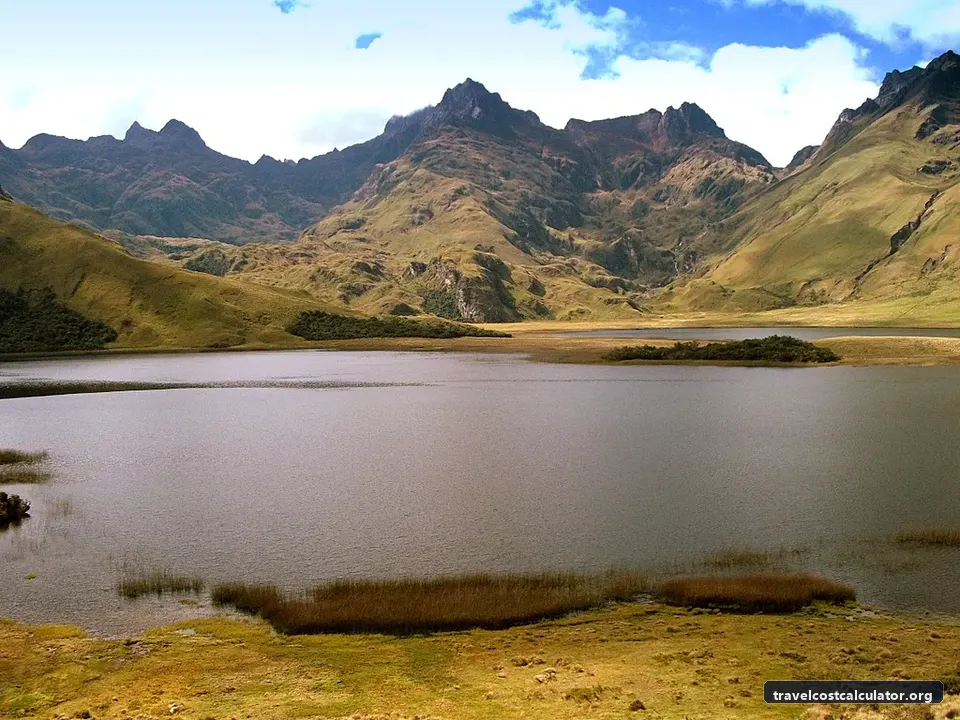
With its outstanding natural beauty and two active volcanoes, the park illustrates the entire spectrum of ecosystems, ranging from tropical rainforests to glaciers, with striking contrasts between the snowcapped peaks and the forests of the plains.
Sangay National Park
🏛️ Overview & Historical Significance
Inscribed as a UNESCO World Heritage Site in 1983, Sangay National Park (Parque Nacional Sangay) represents one of the most ecologically diverse and geologically dramatic landscapes on Earth. Spanning over 517,000 hectares across four Ecuadorian provinces (Chimborazo, Morona-Santiago Travel Budget, Tungurahua, and Azuay), the park boasts an extraordinary altitudinal range that ascends from tropical Amazonian rainforests at 900 meters to glacial high-Andean peaks exceeding 5,200 meters.
UNESCO recognized Sangay under natural criteria (vii), (viii), (ix), and (x) due to its outstanding physical features and unmatched isolation, which has preserved delicate ecosystems in their pristine state. The park is home to three towering stratovolcanoes:
-
✦
Volcán Sangay (5,230 m): One of the world's most continuously active volcanoes, famous for its steady eruptions and dramatic ash plumes.
-
✦
Volcán Tungurahua (5,023 m): A steep, dramatic peak whose historic activity has reshaped the northern valleys.
-
✦
Volcán El Altar (5,319 m): An extinct, collapsed megavolcano featuring an amphitheater of jagged, snow-capped crags encircling the turquoise glacial basin of Laguna Amarilla.
Because the park spans distinct ecological zones—ranging from alpine páramo grasslands and cloud forests to lowland tropical jungles—it serves as a critical refuge for rare and threatened fauna. Key species include the rare mountain tapir (Tapirus pinchaque), the elusive spectacled bear (Tremarctos ornatus), the Andean condor, and lower-elevation predators like the jaguar and puma. For seasoned trekkers and environmental enthusiasts, Sangay offers a raw, untouched wilderness experience unmatched in South America.
🎟️ Entrance Fees, Opening Hours & Ticket Booking Tips
As part of Ecuador’s national environmental conservation initiative, baseline entry to mainland national parks managed by the Ministry of the Environment, Water and Ecological Transition (MAATE) remains free. However, visiting Sangay National Park involves mandatory ranger registrations, community access fees, and guide requirements depending on the zone you explore.
2026 Estimated Cost Breakdown (in USD)
Note: Ecuador uses the United States Dollar (USD) as legal tender.
-
✦
Park Entrance Fee: $0.00 USD (General admission is free for foreign and domestic visitors).
-
✦
Ranger Station Registration: Free, but mandatory passport registration at control points (e.g., Candelaria, Recreo, or El Placer ranger stations).
-
✦
Community Trailhead Maintenance Fees: $3.00 – $5.00 USD per person. Local indigenous communities (such as those at La Candelaria or Penipe) collect this nominal cash toll for trail maintenance and bridge upkeep.
-
✦
Mandatory Mountain Guide (High-Altitude / Glacial Treks): $70.00 – $110.00 USD per group per day for licensed local guides (required for treks to El Altar's crater or Sangay volcano). Certified ASEGUIM high-altitude guides for summit attempts average $180.00 – $250.00 USD per day.
-
✦
Overnight Camping Permit: $5.00 USD per tent/night at designated campsites like the Collanes Valley base camp.
Opening Hours & Logistics
-
✦
Ranger Checkpoints: Daily from 06:00 to 17:00. Early morning departures (05:00–06:00) are highly recommended to clear checkpoints before peak cloud cover sets in.
-
✦
Booking Tips: You do not need to pre-book basic entry passes online, but you must register in person at the official ranger stations. If you intend to undertake multi-day treks (such as the 3-day El Altar circuit or Sangay volcano approach), you must register your itinerary with MAATE officials in Riobamba or Baños at least 48 hours in advance and hire a certified guide.
🚌 How to Get There & Local Transit Costs
The primary gateway for accessing the high-altitude, volcanic western sector of Sangay National Park (including El Altar and the Collanes Valley) is the city of Riobamba. For the northern cloud forests, Baños de Agua Santa serves as the main hub, while Macas opens up the eastern Amazonian slope.
Step-by-Step Route: Quito Travel Budget to El Altar Trailhead (via Riobamba)
-
✦
Step 1: Quito to Riobamba by Bus
From Quito’s Terminal Terrestre Quitumbe (South Bus Terminal), catch a direct interprovincial bus (operated by Cooperativa Patria or Transportes Baños) to Riobamba’s main terminal.
Duration: 3.5 to 4 hours. Cost: $7.00 – $9.00 USD. -
✦
Step 2: Riobamba to La Candelaria / Trailhead
From Riobamba, head to Terminal Oriente or catch a rural bus bound for Penipe and the village of La Candelaria (the starting point for the iconic El Altar trek).
Bus Duration: 1.5 hours. Cost: $2.00 – $2.50 USD per ticket.
Alternative (Private 4x4 Taxi): Hire a 4WD truck/taxi from central Riobamba directly to the Hacienda Recreo trailhead. Cost: $30.00 – $40.00 USD per vehicle (one-way). -
✦
Step 3: Trailhead to Collanes Valley
From La Candelaria, the hike into the park interior (Valle de los Collanes) takes approximately 5 to 7 hours through steep, often muddy terrain. Mule hires for heavy gear can be arranged at the trailhead for $15.00 – $20.00 USD per mule/day.
Transit Summary (2026 Prices)
-
✦
Quito to Riobamba (Intercity Bus): $7.00 – $9.00 USD
-
✦
Riobamba to La Candelaria (Local Bus): $2.00 – $2.50 USD
-
✦
Private 4x4 Truck Transfer (Riobamba to Trailhead): $30.00 – $40.00 USD
-
✦
Baños to Penipe/Northern Access (Local Bus): $2.00 USD
📸 Best Photography Spots & Insider Visit Hacks
Top Photography Locations
-
✦
Laguna Amarilla (El Altar Crater): The ultimate postcard location in Sangay. The electric yellow-green glacial lake is framed by towering jagged ice spikes named El Obispo, El Fraile, and La Monja. Photographers should shoot from the crater lip looking down into the caldera.
-
✦
Valle de los Collanes: A pristine high-alpine valley carpeted in yellow tussock grass and crisscrossed by meandering rivers, offering stunning wide-angle landscapes framed by snowy peaks.
-
✦
Volcán Sangay Viewpoint (Alao Sector): On rare, crisp early mornings, shoot distant panoramic views of Sangay’s symmetric volcanic cone venting steam above the cloud line.
-
✦
Laguna Pintada & El Placer: Located on the transition zone toward the eastern slopes, offering dramatic cloud forest mist, thermal hot springs, and vibrant highland flora.
Insider Visit Hacks & Weather Planning
-
✦
The Mud Factor (Critical Advice): The trail from La Candelaria to Collanes Valley is infamous for deep, knee-high clay mud. Do not wear standard hiking boots alone. Rent or buy tall rubber boots (botas de caucho, ~$10–$15 USD in Riobamba market) and pair them with waterproof high gaiters.
-
✦
The Early Morning Golden Window: Andean cloud cover moves rapidly in Sangay. By 10:30 AM, dense fog typically blankets the craters and valleys. Plan your hikes to arrive at major photography spots between 06:00 AM and 09:00 AM for crystal-clear skies.
-
✦
Best Season: The high Andes dry season runs from December to January and July to August. Avoid April–May and August–September when rains make the trails nearly impassable without specialized expedition gear.
-
✦
Altitude Acclimatization: Trailheads start above 3,000 meters, and crater viewpoints exceed 4,300 meters. Spend at least 2 full days acclimatizing in Quito (2,850 m) or Riobamba (2,754 m) prior to trekking to avoid Acute Mountain Sickness (AMS).
🏨 Nearby Accommodation & Daily Budget Allocation
Because Sangay National Park is a protected wilderness, there are no commercial luxury hotels inside park boundaries. Visitors base themselves in Riobamba, small rural haciendas in Penipe/La Candelaria, or camp within designated areas like the Collanes Valley.
Recommended Lodging Options
-
✦
Budget Camping / Refugios (Inside/Near Park):
Collanes Valley Refugio / Camp: Camping field and basic wooden shelter ($5.00 – $15.00 USD per night per person). Requires bringing full zero-degree sleeping bags and cooking stoves. -
✦
Mid-Range Country Inns (La Candelaria / Penipe Area):
Hacienda El Recreo or Local Guesthouses: Rustic rural lodging right at the trailhead. Rooms range from $25.00 – $45.00 USD per night, including home-cooked highland meals. -
✦
Mid-Range to Upscale (Riobamba Base):
Hotel Mansion Santa Isabella or Hotel Abraspungo: Colonial architecture, high-end comforts, and full tour coordination services. Rooms range from $60.00 to $160.00 USD per night.
Estimated Daily Budget Allocations (2026)
1. Backpacker / Self-Guided Camper Budget: $35 – $50 USD / day
-
✦
Lodging: Camping inside park or budget hostel bed in Riobamba ($10 – $15 USD)
-
✦
Food: Self-cooked camp meals or local market almuerzos ($10 – $15 USD)
-
✦
Transport: Local public buses ($4 – $6 USD)
-
✦
Fees/Tolls: Community park access toll ($3 – $5 USD)
2. Mid-Range Trekker Budget (Recommended): $110 – $180 USD / day
-
✦
Lodging: Cozy hacienda or 3-star hotel in Riobamba ($40 – $70 USD)
-
✦
Food: Restaurant dining with traditional Andean cuisine ($20 – $30 USD)
-
✦
Transport: Shared private 4x4 truck transfers ($15 – $25 USD per person)
-
✦
Guiding: Shared local licensed trek guide ($35 – $55 USD per person share)
3. High-Altitude Expedition / Luxury Budget: $300 – $480 USD / day
-
✦
Lodging: Premium boutique hacienda near Riobamba ($150 – $220 USD)
-
✦
Food: Full-board gourmet meals & trail catering ($40 – $60 USD)
-
✦
Transport: Private dedicated 4x4 transport with driver ($80 – $100 USD)
-
✦
Guiding: Private 1-on-1 certified ASEGUIM mountain guide & pack mules ($100 – $150 USD)
Frequently Asked Questions
Essential visitor FAQs for Sangay National Park
What is the entrance fee for Sangay National Park in 2026?
How much time do you need to explore Sangay National Park?
How do I get to Sangay National Park from Quito?
📊 Heritage Quick Specs
Visiting Ecuador on a Budget?
Calculate your full daily travel budget for Ecuador — including hotel costs, local transport, food, and sightseeing expenses.
View Ecuador Daily Travel Costs →Explore more UNESCO World Heritage Sites
🏛️ All 1,200+ Heritage Sites →