
 Japan
Sacred Sites and Pilgrimage Routes in the Kii Mountain Range
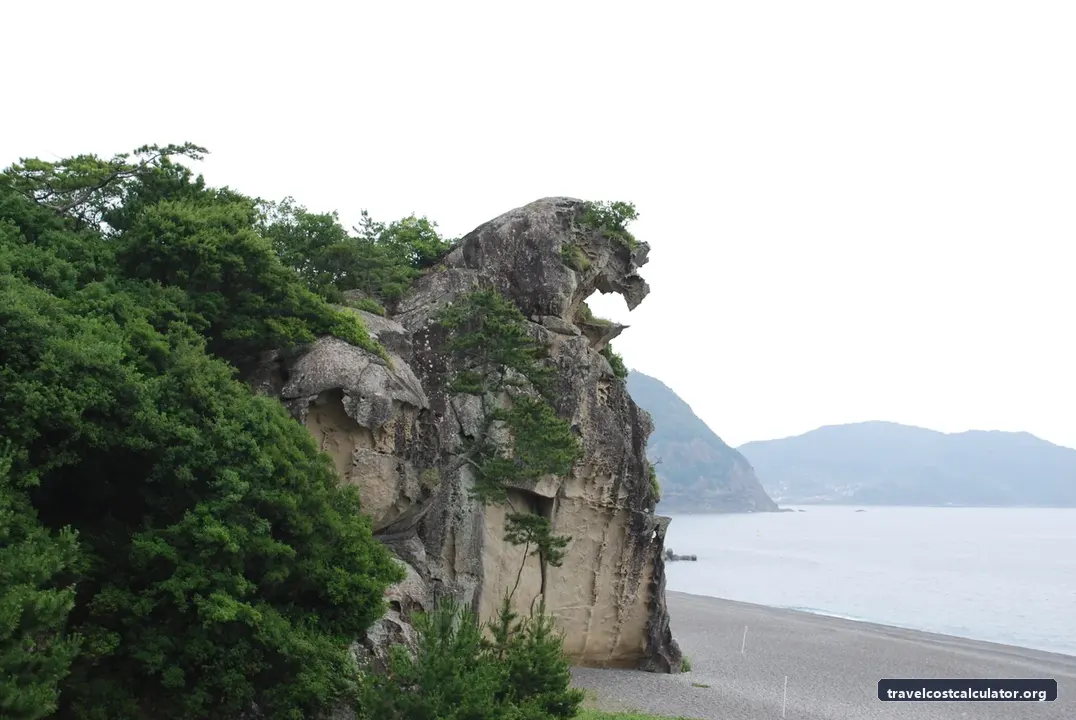
Set in the dense forests of the Kii Mountains overlooking the Pacific Ocean, three sacred sites – Yoshino and Omine, Kumano Sanzan, Koyasan – linked by pilgrimage routes to the ancient capital cities of Nara an...
Sacred Sites and Pilgrimage Routes in the Kii Mountain Range
🏛️ Overview & Historical Significance
Inscribed as a UNESCO World Heritage site in 2004, the Sacred Sites and Pilgrimage Routes in the Kii Mountain Range represent one of the most culturally profound and aesthetically breathtaking spiritual landscapes in East Asia. Nestled within the dense, mist-shrouded forests of the Kii Peninsula—spanning Wakayama, Nara, and Mie Prefectures—this site encompasses three ancient sacred complexes connected by an intricate network of pilgrimage trails known collectively as the Kumano Kodo and Choishi-michi.
The site's universal value lies in its extraordinary preservation of Shinbutsu-shūgō, the syncretic fusion of Japan’s indigenous Shinto nature worship and imported Mahayana/Esoteric Buddhism. For over a millennium, emperors, samurai, ascetics, and modern seekers have treaded these mountain paths. The UNESCO designation protects three primary sacred nodes:
-
✦
Yoshino and Omine: The northern mountainous sanctuary dedicated to Shugendō, an ascetic tradition centered on mountain worship, physical endurance, and spiritual rebirth.
-
✦
Koyasan (Mount Koya): Founded in 816 AD by the monk Kūkai (Kōbō Daishi), Koyasan serves as the headquarters of the Shingon sect of Esoteric Buddhism, home to over 100 active temples amidst giant ancient cryptomeria cedars.
-
✦
Kumano Sanzan: The southern tri-shrine complex comprising Kumano Hongu Taisha, Kumano Hayatama Taisha, and Kumano Nachi Taisha, reverence for which peaked during the Heian Period (794–1185).
Together with Spain’s Camino de Santiago Travel Budget, the Kumano Kodo is one of only two pilgrimage routes in the world designated as UNESCO World Heritage sites. In 2026, traveling these holy mountain paths continues to offer a rare window into living ancient spirituality, where ancient cedar roots, moss-covered stone paths, and thunderous waterfalls remain active objects of veneration.
🎟️ Entrance Fees, Opening Hours & Ticket Booking Tips
Unlike single-entry monuments, the Kii Pilgrimage routes span an entire mountain region. Access to the hiking trails, natural forests, and main shrine grounds is public and entirely free of charge. However, entry to specific temple halls, treasure houses, and historical garden precincts requires individual admission fees.
Key Site Entrance Fees (Estimated 2026 Rates)
-
✦
Okunoin Cemetery (Koyasan): Free entry (Open 24 hours).
-
✦
Danjo Garan Complex (Koyasan): Free ground entry; Kondo Main Hall: ¥500 (~$3.30 USD); Konpon Daito Pagoda: ¥500 (~$3.30 USD).
-
✦
Kongobuji Temple Headquarter (Koyasan): ¥1,000 (~$6.60 USD) per adult. Includes access to Banryutei, Japan's largest rock garden.
-
✦
Kumano Nachi Taisha & Seigantoji Temple: Free ground entry; Nachi Waterfall Viewing Platform (Taki-anrai): ¥300 (~$2.00 USD); Seigantoji 3-Story Pagoda interior: ¥300 (~$2.00 USD).
-
✦
Kumano Hongu Taisha & Oyunohara: Free shrine entry; Heritage Museum & Treasure Hall: ¥500 (~$3.30 USD).
-
✦
Kinpusen-ji Temple (Yoshino): Main Hall (Zao-do) special entry passes: ¥1,000 (~$6.60 USD).
Opening Hours & Insider Booking Advice
Main temple buildings and museums generally operate from 8:30 AM to 5:00 PM (last entry at 4:30 PM). Sacred grounds such as Okunoin Cemetery, Kumano Hongu Taisha, and Kumano Nachi Taisha grounds are accessible at sunrise or open 24 hours.
Booking Tip: No advance ticketing is required for individual shrine or temple walk-ins. However, if you plan to visit multiple sites on Mount Koya, purchase the Koyasan Combination Ticket (Koyasan Multi-Site Pass) at the Koyasan Tourist Information Center for ¥2,500 (~$16.50 USD), which grants discounted access to Kongobuji, Garan, Reihokan Museum, and Tokugawa Mausoleum. Always carry physical Japanese Yen (cash), as small remote ticket booths and rural trailside rest spots rarely accept digital payments or credit cards.
🚌 How to Get There & Local Transit Costs
The primary transport gateways to the Kii Peninsula are Osaka (Kansai International Airport - KIX or Namba Station) and Wakayama City. Transport options vary depending on whether your destination is Mount Koya (North) or the Kumano Sanzan area (South).
1. Getting to Koyasan (Mount Koya) from Osaka
Board the Nankai Koya Line Express train from Namba Station to Gokurakubashi Station (approx. 90–100 minutes; ¥930–¥1,680 / ~$6.20–$11.20 USD depending on Limited Express Koya booking). From Gokurakubashi, board the Nankai Koyasan Cable Car (5 minutes) up the mountain, followed by a short Nankai bus ride into Koyasan village center.
Cost Saver: The Nankai Koyasan World Heritage Pass costs approximately ¥3,400 (~$22.50 USD) and includes round-trip train, cable car, and unlimited 2-day local bus transport within Mount Koya.
2. Getting to Kumano Kodo (Nakahechi Route & Hongu)
Take the JR Kuroshio Limited Express from Shin-Osaka or Tennoji Station directly to Kii-Tanabe Station (approx. 2 hours 15 minutes; ¥4,800–¥5,500 / ~$32–$36 USD one-way, covered by Japan Rail Pass). From Kii-Tanabe, take the local Ryujin Bus along the Nakahechi trail route (e.g., to Takijiri-oji or Hosshinmon-oji; ¥970–¥1,500 / ~$6.50–$10 USD).
3. Getting to Nachi Falls & Kumano Nachi Taisha
Take the JR Kuroshio train south to Kii-Katsuura Station. From the station forecourt, transfer to the Kumano Gobo Nankai Bus bound for Nachisan (30 minutes; ¥630 / ~$4.20 USD one way or ¥1,000 / ~$6.60 USD round-trip pass).
📸 Best Photography Spots & Insider Visit Hacks
Top 4 Photography Locations
-
✦
Seigantoji Pagoda with Nachi Falls: The ultimate postcard view of Japan. Frame the vivid vermilion 3-story pagoda in the foreground with Japan's tallest single-drop waterfall (133m) cascading in the background. Best time: 7:30 AM – 9:00 AM to avoid mid-day sun glare and tour buses.
-
✦
Okunoin Cemetery Lantern Path (Koyasan): Over 200,000 ancient stone stupas (gorintō) nestled among towering, thousand-year-old cedar trees. Best time: Dusk or early morning mist, when atmospheric stone lanterns light up the pathway to Kūkai’s mausoleum.
-
✦
Oyunohara Torii Gate (Kumano Hongu): Standing at 33.9 meters tall, this is the largest Torii gate in the world, marking the original site of Kumano Hongu Taisha. Best time: Golden hour before sunset, or mid-spring when surrounding rice fields reflect the structure.
-
✦
Daimon-zaka Staircase: A dramatic 600-meter cobblestone staircase shaded by massive 800-year-old Meoto Sugi (husband-and-wife cedar trees). Rent traditional Heian Period costume (approx. ¥3,000 / ~$20 USD) near the base for historical photography.
Insider Travel Hacks
-
✦
Takkyubin (Luggage Forwarding): Do not drag heavy suitcases along cobblestone trails or onto rural buses. Use Yamato Transport or the Kumano Travel Luggage Shuttle Service to ship your main luggage between hotels or directly from Osaka to your destination town for roughly ¥2,000–¥3,000 ($13–$20 USD) per bag.
-
✦
Earn "Dual Pilgrim" Status: If you have completed Spain's Camino de Santiago, register at the Kumano Tourism Bureau in Kii-Tanabe. Completing designated stretches of the Kumano Kodo makes you an officially recognized Dual Pilgrim, earning a limited-edition passport stamp and wooden certificate.
-
✦
Seasonal Timing: Visit during October to November for cool hiking temperatures and brilliant autumn foliage (kōyō), or April to May for lush green trails and cherry blossoms in Yoshino. Avoid late July and August due to excessive humidity, high heat, and heavy typhoon activity.
🏨 Nearby Accommodation & Daily Budget Allocation
Accommodation along the Kii Mountain Range is an integral component of the spiritual journey. Options range from atmospheric Buddhist temple lodgings to remote hot-spring minshukus.
Accommodation Options
-
✦
Shukubo (Temple Lodgings in Koyasan): Stay overnight at authentic working temples like Ekoin, Souji-in, or Shojoshin-in. Stays include traditional Shojin Ryori (monastic vegan cuisine), morning chanting, and Goma fire rituals. Rate: ¥18,000 – ¥45,000 ($120 – $300 USD) per person/night including dinner and breakfast.
-
✦
Onsen Ryokan & Minshuku (Yunomine / Kawayu / Katsuura): Experience mountain thermal springs in Yunomine Onsen (home to Tsuboyu, the only UNESCO World Heritage hot spring you can bathe in). Rate: ¥12,000 – ¥26,000 ($80 – $175 USD) per person/night with half-board meals.
-
✦
Budget Hostels & Guesthouses (Kii-Tanabe / Katsuura): Basic dormitories or private tatami rooms near main train hubs for hikers. Rate: ¥3,500 – ¥8,500 ($23 – $57 USD) per night.
Daily Travel Budget Allocations (2026 Estimates)
1. Backpacker / Budget (approx. $60 – $85 USD / ¥9,000 – ¥12,800 JPY per day)
-
✦
Lodging: Hostel or simple guesthouse bed (¥4,000 – ¥5,500).
-
✦
Food: Bento meals from convenience stores (7-Eleven/Lawson) & local noodle shops (¥2,500 – ¥3,500).
-
✦
Transit & Fees: Local regional bus rides & minor entry fees (¥2,500 – ¥3,800).
2. Mid-Range Travel (approx. $170 – $280 USD / ¥25,500 – ¥42,000 JPY per day)
-
✦
Lodging: Standard Shukubo in Koyasan or Onsen Minshuku in Yunomine with meals (¥16,000 – ¥28,000).
-
✦
Food: Sit-down lunch, regional specialties (Meharizushi, Sanma-zushi) & snacks (¥3,500 – ¥5,000).
-
✦
Transit & Transport: Express train passes, luggage transfer services, local bus passes (¥6,000 – ¥9,000).
3. Luxury Travel (approx. $450+ USD / ¥67,500+ JPY per day)
-
✦
Lodging: Premium private Shukubo suite (e.g., Souji-in) or luxury coastal Ryokan with private outdoor onsen (¥45,000 – ¥80,000).
-
✦
Food: Multi-course Kaiseki or gourmet Shojin Ryori paired with local sake (¥10,000 – ¥18,000).
-
✦
Transit: Private taxi transfers between trailheads and dedicated private tour guides (¥20,000+).
Frequently Asked Questions
Essential visitor FAQs for Sacred Sites and Pilgrimage Routes in the Kii Mountain Range
What is the entrance fee for Sacred Sites and Pilgrimage Routes in the Kii Mountain Range?
How much time do you need to explore Sacred Sites and Pilgrimage Routes in the Kii Mountain Range?
How do I get to Sacred Sites and Pilgrimage Routes in the Kii Mountain Range from the nearest city?
📊 Heritage Quick Specs
Visiting Japan on a Budget?
Calculate your full daily travel budget for Japan — including hotel costs, local transport, food, and sightseeing expenses.
View Japan Daily Travel Costs →Explore more UNESCO World Heritage Sites
🏛️ All 1,200+ Heritage Sites →