
 Spain
Spain
Rock Art of the Mediterranean Basin on the Iberian Peninsula
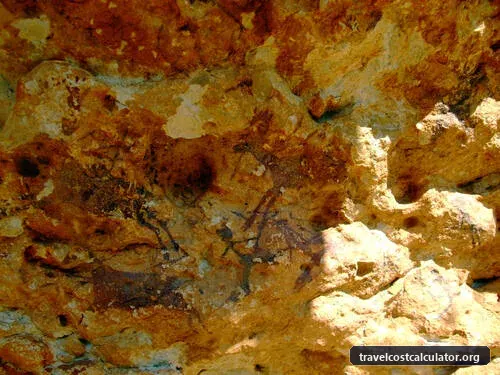
The late prehistoric rock-art sites of the Mediterranean seaboard of the Iberian peninsula form an exceptionally large group.
Rock Art of the Mediterranean Basin on the Iberian Peninsula
🏛️ Overview & Historical Significance
Inscribed as a UNESCO World Heritage site in 1998, the Rock Art of the Mediterranean Basin on the Iberian Peninsula represents the largest assemblage of rock art sites in North-Western Europe. Unlike the famous deep-cave Paleolithic paintings of Altamira or Lascaux, this extraordinary open-air gallery comprises over 757 distinct sites situated in shallow rock shelters (abrigos), cliff faces, and ravines stretching across six autonomous communities in eastern Spain: Andalusia, Aragon, Castile-La Mancha, Catalonia, Murcia, and Valencia.
Dating predominantly from the Post-Paleolithic period—spanning the Epipaleolithic, Neolithic, and Chalcolithic eras (roughly 8000 BCE to 3500 BCE)—this collection showcases the prehistoric style known as Levantine Art (Arte Levantino). The profound historical significance of this UNESCO property lies in its revolutionary visual shift: for the first time in human history, the human figure takes center stage in dynamic narrative compositions. Rather than static animal portraiture, visitors witness vibrant scenes of prehistoric life: archers hunting red deer and wild boars, ritualistic group dances, honey gathering from high cliff faces (as famously depicted in the Cuevas de la Araña in Bicorp), inter-group conflicts, and pastoral routines.
UNESCO recognized this vast territory because it offers an unparalleled, vivid window into a crucial socio-economic turning point for humanity—the transition from nomadic hunter-gatherer bands to settled agricultural communities. The red, black, and white pigments, crafted from natural iron oxides, manganese, and charcoal mixed with animal fat or blood, have survived thousands of years of weather exposure, creating a living bridge to prehistoric human expression.
🎟️ Entrance Fees, Opening Hours & Ticket Booking Tips
Because the UNESCO designation encompasses hundreds of locations across a 1,000-kilometer arc, visitor management is decentralized across regional heritage boards. Access to major rock art centers is tightly regulated to prevent pigment degradation from humidity, light exposure, and physical contact. Below are updated 2026 pricing estimates and access details for the most prominent public interpretation centers and accessible shelters.
Key Site Ticket Prices (2026 Estimates)
-
✦
Valltorta Cultural Area & Museu de la Valltorta (Tírig, Castellón - Valencia):
- Museum Entrance: €3.00 ($3.30 USD) per adult; free for children under 8 and seniors.
-
✦
Guided Walking Tour to Cova dels Cavalls or Cova de l'Artiga: €5.00 ($5.50 USD).
-
✦
Combined Pass (Museum + Guided Shelter Walk): €7.00 ($7.70 USD).
- Guided Group Tour: €4.50 ($4.95 USD) for adults; €2.50 ($2.75 USD) for children aged 6–12.
- Self-guided trail loop: Free.
- General Admission (Includes Interpretation Center): €5.00 ($5.50 USD); Reduced: €3.50 ($3.85 USD).
Opening Hours & Schedule Trends
Opening schedules vary by autonomous region, but most principal site centers operate on seasonal hours:
-
✦
High Season (April – October): Tuesday through Sunday, 10:00 AM to 2:00 PM, and 4:00 PM to 8:00 PM. Closed Mondays.
-
✦
Low Season (November – March): Wednesday through Sunday, 10:00 AM to 2:00 PM, and 3:00 PM to 6:00 PM. Closed Mondays and Tuesdays.
Booking Tips & Group Restrictions
To preserve fragile pigments, direct access to rock shelters is strictly by **guided tour only**, with small group caps ranging between 10 and 20 visitors per session. Advance reservations are mandatory during peak spring and autumn weekends. Book your slots at least 2–3 weeks in advance through regional portal sites such as the Generalitat Valenciana Cultural Heritage Portal, the Red de Espacios Culturales de Andalucía (RECA), or local municipal tourism offices (e.g., Ayuntamiento de Vélez-Blanco or Ayuntamiento de Tírig).
🚌 How to Get There & Local Transit Costs
Because these ancient shelters were deliberately positioned in rugged inland gorges and natural river valleys, direct public transit to the shelter gates is non-existent. Renting a car is strongly recommended for exploring these sites efficiently. However, regional transport connections can take you to primary gateway towns.
Route 1: Valencia to Valltorta Gorge (Castellón Cluster)
-
✦
By Rental Car (Recommended): Drive north from Valencia via the AP-7 toll-free highway toward Castellón de la Plana, taking exit 43 toward CV-10/Tírig. Distance: 135 km (approx. 1 hour 25 minutes). Car rental rates in Valencia start around €25–€45 per day ($27–$50 USD).
-
✦
By Public Transit: Take a regional RENFE Cercanías or Media Distancia train from Valencia Nord station to Castellón de la Plana (€6.00–€12.00 / $6.60–$13.20 USD, 50–70 minutes). From Castellón, board a regional Hispano Fuente en Segures bus to Sant Mateu or Tírig (€5.50 / $6.05 USD, 1 hour). A local rural taxi from Sant Mateu to the Museu de la Valltorta costs approximately €15.00–€20.00 ($16.50–$22.00 USD).
Route 2: Murcia/Alicante to Cueva de los Letreros (Vélez-Blanco, Andalusia)
-
✦
By Car: From Alicante or Murcia, follow the A-7 west, merging onto the A-91/A-92N toward Vélez-Rubio, then take the A-317 to Vélez-Blanco. Distance from Murcia: 115 km (1 hour 15 minutes).
-
✦
By Bus & Taxi: Take an ALSA long-distance bus from Murcia Bus Station to Lorca or Vélez-Rubio (€8.00–€14.00 / $8.80–$15.40 USD). From Vélez-Rubio, take a 10-minute taxi to Vélez-Blanco for €12.00–€16.00 ($13.20–$17.60 USD).
Route 3: Zaragoza to Albarracín Rock Art (Aragon Cluster)
-
✦
By Car: Drive south from Zaragoza via the A-23 highway to Teruel, taking the A-1512 directly into Albarracín. Distance: 180 km (approx. 2 hours).
-
✦
By Bus: Take an Samar bus from Zaragoza to Teruel (€13.00 / $14.30 USD, 2 hours), then transfer to the local line to Albarracín (€3.80 / $4.20 USD, 45 minutes).
📸 Best Photography Spots & Insider Visit Hacks
Photographing prehistoric rock art located under protective grates, natural overhangs, or inside glass enclosures presents unique challenges. Follow these field-tested tactics to capture memorable imagery and optimize your visit.
Prime Photography Angles & Locations
-
✦
Cova dels Cavalls (Tírig, Valencia): Captures the iconic archers in pursuit of a deer herd. Use a medium zoom lens (70–200mm) to frame detail without pressing against metal protection screens.
-
✦
Abrigo del Prado del Navazo (Albarracín, Aragon): Renowned for its large, stylized red bulls standing out against ochre sandstone blocks. The surrounding pine forest landscape provides dramatic context shots.
-
✦
Cueva de los Letreros (Vélez-Blanco, Andalusia): The home of the Indalo figure (a stylized human holding a arch or rainbow), which became the official symbol of the Almería region. Focus on directional lighting during morning tours.
-
✦
Roca dels Moros (El Cogul, Catalonia): Features detailed human dance formations around a central phallic figure. Excellent lighting conditions in the early afternoon.
Insider Photography & Gear Hacks
-
✦
Flash Photography Prohibited: High-intensity flashes accelerate pigment oxidation and are strictly forbidden. Increase your camera's ISO settings (ISO 1600–3200) and use a wide-aperture lens (f/1.8 to f/2.8).
-
✦
Circular Polarizer Filter: Crucial for eliminating reflections off clear protective glass barriers installed at sites like El Cogul or Cueva de los Letreros.
-
✦
Macro or Telephoto Focus: Figures range from just 5 cm to 30 cm in height. Bring a lens with solid close-focus capability to capture fine stroke details.
Avoid Crowds & Beat the Weather
-
✦
Optimal Weather Windows: Visit in April–May or September–October. Summer in interior Spain (especially Andalusia and inland Valencia) frequently exceeds 38°C (100°F), making uphill hikes to shelters uncomfortably hot.
-
✦
Time of Day: Schedule guided shelter visits for the first morning slot (usually 10:00 AM). Morning air is cooler for mountain ascents, and solar angles minimize harsh shadows inside rock alcoves.
🏨 Nearby Accommodation & Daily Budget Allocation
Because the rock art sites are spread across rural interior districts, staying in charming medieval hub towns allows you to combine archaeological visits with authentic Spanish rural tourism (turismo rural).
Recommended Stay Locations
-
✦
Morella or Sant Mateu (Valencia/Castellón Hub): Ideal bases for exploring the Valltorta Gorge and Morella la Vella shelters. Features preserved medieval walls, gothic architecture, and local truffled cuisine.
-
✦
Albarracín (Aragon Hub): Consistently named one of Spain’s most beautiful villages, featuring red timber-framed houses perched above the Guadalaviar River, steps from the Rodeno rock art trails.
-
✦
Vélez-Blanco / Caravaca de la Cruz (Andalusia/Murcia Hub): Quiet, white-washed mountain villages dominated by Renaissance castles, providing immediate access to the Cueva de los Letreros and regional parks.
Estimated Daily Budget Breakdowns (2026 Rates)
1. Budget Backpacker / Solo Hiker
-
✦
Hostel dorm or simple rural pensión: €30–€45 ($33–$50 USD) per night.
-
✦
Dining (Self-catering & casual tapas): €15–€22 ($16.50–$24 USD) per day.
-
✦
Transit (Regional buses & shared rides): €10–€15 ($11–$16.50 USD) per day.
-
✦
Site Admissions: €5–€10 ($5.50–$11 USD) per day.
-
✦
Total Estimated Budget: €60–€92 ($66–$101.50 USD) per day.
2. Mid-Range Couple (Recommended Experience)
-
✦
Charming 3-star hotel or boutique Casa Rural: €80–€130 ($88–$143 USD) per night.
-
✦
Dining (Traditional 3-course Menú del Día lunch + dinner): €45–€70 ($49.50–$77 USD) per couple.
-
✦
Rental Car & Fuel: €35–€55 ($38.50–$60.50 USD) per day.
-
✦
Guided Site Admissions: €14–€20 ($15.40–$22 USD) per couple.
-
✦
Total Estimated Budget: €174–€275 ($191.40–$302.50 USD) per couple per day.
3. Luxury / Boutique Traveler
-
✦
Historic Parador Hotel (e.g., Parador de Albarracín or historic palacio): €180–€320 ($198–$352 USD) per night.
-
✦
Fine dining tasting menus featuring regional game and wines: €110–€180 ($121–$198 USD) per couple.
-
✦
Private SUV Rental or Private Guided Cultural Excursions: €120–€250 ($132–$275 USD) per day.
-
✦
Total Estimated Budget: €410–€750+ ($451–$825+ USD) per couple per day.
Frequently Asked Questions
Essential visitor FAQs for Rock Art of the Mediterranean Basin on the Iberian Peninsula
What is the entrance fee for Rock Art of the Mediterranean Basin on the Iberian Peninsula?
How much time do you need to explore Rock Art of the Mediterranean Basin on the Iberian Peninsula?
How do I get to Rock Art of the Mediterranean Basin on the Iberian Peninsula from the nearest city?
📊 Heritage Quick Specs
Visiting Spain on a Budget?
Calculate your full daily travel budget for Spain — including hotel costs, local transport, food, and sightseeing expenses.
View Spain Daily Travel Costs →Explore more UNESCO World Heritage Sites
🏛️ All 1,200+ Heritage Sites →