
 Spain
Spain
Prehistoric Rock Art Sites in the Côa Valley and Siega Verde
The two Prehistoric Rock Art Sites in the Côa Valley (Portugal) and Siega Verde (Spain) are located on the banks of the rivers Agueda and Côa, tributaries of the river Douro, documenting continuous human occupation from the end of the Paleolithic Age.
Prehistoric Rock Art Sites in the Côa Valley and Siega Verde
🏛️ Overview & Historical Significance
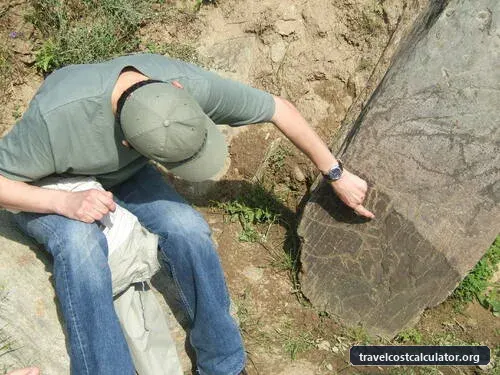
Stretching across the rugged borderlands of western Spain and northeastern Portugal, the Prehistoric Rock Art Sites in the Côa Valley and Siega Verde represent one of the most astonishing open-air galleries of Paleolithic art on Earth. While prehistoric rock art was historically believed to exist almost exclusively within the dark depths of subterranean caves—such as Altamira in northern Spain or Lascaux in France—the discovery of these sites permanently altered our understanding of Ice Age human culture.
Inscribed as a UNESCO World Heritage site originally in 1998 (Côa Valley, Portugal) and extended in 2010 to incorporate Siega Verde in Spain, this joint cross-border site contains thousands of animal figures engraved into slate and schist rock faces along the banks of the Águeda and Côa rivers. The Spanish site of Siega Verde, located in the province of Salamanca (Castile and León), hosts over 440 individual figures depicted across 94 panel clusters along a 1.5-kilometer stretch of the Águeda River.
Dating back between 22,000 and 12,000 years BCE (spanning the Gravettian, Solutrean, and Magdalenian periods), these outdoor incisions were created using picking, incising, and scraping techniques. Paleolithic hunter-gatherers carved depictions of ancient fauna that roamed the Iberian Peninsula during the Ice Age, including wild horses, aurochs (extinct wild cattle), ibex, red deer, and rhinoceroses. Visiting Siega Verde provides an irreplaceable, direct connection to early humanity's spiritual and artistic world, set in a peaceful, natural river valley largely untouched by modernity.
🎟️ Entrance Fees, Opening Hours & Ticket Booking Tips
To protect these delicate petroglyphs from erosion and vandalism, access to the Siega Verde Archaeological Site is strictly regulated. You cannot wander the site independently; visits are permitted exclusively via official guided tours.
Estimated 2026 Ticket Pricing
-
✦
Standard Adult Ticket (Day Tour): €8.50 (~$9.25 USD)
-
✦
Reduced Ticket (Seniors 65+, Students, Youth 6-18): €6.00 (~$6.50 USD)
-
✦
Children under 6: Free entry
-
✦
Special Night Tour (Illuminated Grazing Light): €14.00 (~$15.20 USD)
-
✦
Combined Cross-Border Pass (Siega Verde + Côa Museum in Portugal): €16.00 (~$17.40 USD)
Opening Hours & Tour Schedules (2026 Operating Times)
The visitor center (Aula Arqueológica de Siega Verde) operates year-round, though tour times vary significantly depending on seasonal daylight:
-
✦
Spring & Autumn (April – June / Sept – Oct): Wednesday to Sunday, 10:00 AM to 2:00 PM and 4:00 PM to 7:00 PM.
-
✦
Summer (July – August): Wednesday to Sunday, 9:30 AM to 1:30 PM and 6:30 PM to 9:30 PM (Midday visits are suspended due to intense summer heat). Special night tours run on select weekend evenings.
-
✦
Winter (November – March): Wednesday to Sunday, 10:00 AM to 3:30 PM.
-
✦
Closed: Mondays and Tuesdays year-round, as well as December 25 and January 1.
Booking Tips
Because tour groups are strictly capped at 15 to 20 participants per guide to preserve the site, advance online reservation is mandatory through the official Siega Verde reservation portal or by phone. Book at least 1 to 2 weeks in advance for summer weekends and spring holidays. Request an English-speaking guide during your booking process if you are not fluent in Spanish, as standard public tours are conducted in Spanish.
🚌 How to Get There & Local Transit Costs
Siega Verde is tucked away in rural western Spain near the Portuguese border. The primary staging cities are Ciudad Rodrigo (15 km away) and Salamanca (105 km away). Renting a car is strongly recommended, as public transport direct to the archaeological site is non-existent.
Option 1: By Rental Car from Salamanca or Madrid Travel Budget (Recommended)
Driving offers maximum flexibility, allowing you to easily pair Siega Verde with nearby historic towns or cross over into Portugal's Côa Valley.
-
✦
From Salamanca (1 hour 15 minutes): Take the A-62 highway west toward Portugal/Ciudad Rodrigo. Take Exit 312 onto the SA-324 toward Villar de la Yegua / Siega Verde. Follow signage to the Aula Arqueológica. Car rental in Salamanca averages €35 to €55 per day ($38 - $60 USD) in 2026. Fuel costs round-trip from Salamanca run approximately €18 to €22 ($19.50 - $24 USD).
-
✦
From Madrid (3 hours): Take the A-6 to the AP-51/A-50 to Salamanca, then proceed on the A-62. Toll fees between Madrid and Salamanca total around €13.50 ($14.60 USD) each way.
Option 2: Bus + Taxi via Ciudad Rodrigo
If relying on public transport, you must travel to Ciudad Rodrigo first and hire a local taxi for the final leg.
-
✦
Step 1 (Bus from Salamanca to Ciudad Rodrigo): Regional buses operated by Avanza Bus run multiple times daily from Salamanca Central Bus Station to Ciudad Rodrigo. One-way fare: €7.50 to €9.50 ($8.15 - $10.30 USD); journey time is roughly 1 hour 10 minutes.
-
✦
Step 2 (Taxi to Siega Verde): From the Ciudad Rodrigo bus station, take a local taxi directly to the Siega Verde Visitor Center. A one-way taxi fare costs approximately €20 to €26 ($21.70 - $28.25 USD). Arrange a specific return pickup time with your driver, as taxis cannot be hailed from the site.
📸 Best Photography Spots & Insider Visit Hacks
Mastering the Lighting for Petroglyphs
Photographing thousands-of-years-old shallow rock engravings outdoors presents a unique challenge: under direct overhead midday sunlight, the shallow incisions disappear entirely into the rock texture. Side-grazing light is essential.
-
✦
Late Afternoon / Golden Hour Tours: Book the last tour of the afternoon when the sun sinks low over the Águeda River. The angled rays cast micro-shadows inside the carved lines, making the bulls, deer, and horses pop visually on your camera sensor.
-
✦
Book a Night Tour: If visiting during summer, book an official Ruta Nocturna (Night Visit). Guides use specialized directional LED flashlights to illuminate the petroglyphs at extreme angles. This offers the absolute best photography conditions and a thrilling atmosphere.
-
✦
Camera Settings Hack: Use a fast prime lens (e.g., 35mm or 50mm f/1.8) for low-light night tours. Bring a polarized filter for daytime shots to cut river glare off the slate surfaces. Flash photography is prohibited on the rock faces.
Essential Visit Hacks
-
✦
Footwear Matters: The guided path follows gravel tracks and uneven riverbed rock along the Águeda River. Sturdy hiking shoes or trail runners are required; avoid sandals or high heels.
-
✦
Combine Spain & Portugal: Maximize your UNESCO experience by spending two days in the region. Spend Day 1 at Siega Verde (Spain) and Day 2 crossing into Vila Nova de Foz Côa (Portugal, ~1 hour drive away) to explore the Côa Museum and Penascosa rock art site.
-
✦
Weather Protection: The valley gets intensely hot in July and August (exceeding 35°C / 95°F) and chilly during winter mornings. Bring a broad-brimmed hat, sunblock, and at least 1 liter of water per person.
🏨 Nearby Accommodation & Daily Budget Allocation
The historic, walled medieval town of Ciudad Rodrigo—just a 15-minute drive from Siega Verde—is the ideal accommodation and dining base. It boasts spectacular Renaissance architecture, fortified ramparts, and outstanding Castilian gastronomy.
Where to Stay
-
✦
Budget Options: Hostal Albarada or local guesthouses in Ciudad Rodrigo offer clean, comfortable rooms with private bathrooms starting at €45 to €65 per night ($49 - $70 USD).
-
✦
Mid-Range Options: Hotel Conde Rodrigo I (located in the heart of the historic center near the Plaza Mayor) offers charming regional decor for €85 to €120 per night ($92 - $130 USD).
-
✦
Luxury / Historic Stay: Parador de Ciudad Rodrigo (housed within a restored 14th-century castle of King Henry II of Castile). Standard doubles range from €140 to €220 per night ($152 - $238 USD).
Local Gastronomy & Dining Costs
The region of Salamanca is famous for its cured meats and hearty Castilian cuisine. Do not leave without trying Farinato (a local anise- and paprika-spiced sausage unique to Ciudad Rodrigo, typically served fried with eggs) and Jamón Ibérico de Guijuelo.
-
✦
Lunch (Menu del Día): Local taverns in Ciudad Rodrigo offer three-course fixed-price lunch menus (including wine and bread) for €14 to €18 ($15.20 - $19.50 USD) per person.
-
✦
Dinner (Tapas / Sit-Down): A tapas dinner with local Salamanca red wine costs around €15 to €25 ($16.30 - $27.10 USD) per person.
Sample Daily Travel Budgets (Per Person, 2026 Estimates)
Budget Traveler (~€75 / $81 USD per day)
-
✦
Hostal stay (shared twin or private budget room): €30
-
✦
Meals (Menu del día & breakfast): €22
-
✦
Siega Verde entry ticket: €8.50
-
✦
Public transport / shared fuel allocation: €14.50
Mid-Range Traveler (~€165 / $179 USD per day)
-
✦
3-Star boutique hotel in Ciudad Rodrigo: €55 (half-double room rate)
-
✦
Quality meals & wine: €45
-
✦
Rental car & fuel share: €30
-
✦
Night Tour Ticket + Museum entrance: €14
-
✦
Souvenirs / Snacks: €21
Frequently Asked Questions
Essential visitor FAQs for Prehistoric Rock Art Sites in the Côa Valley and Siega Verde
What is the entrance fee for Prehistoric Rock Art Sites in the Côa Valley and Siega Verde?
How much time do you need to explore Prehistoric Rock Art Sites in the Côa Valley and Siega Verde?
How do I get to Prehistoric Rock Art Sites in the Côa Valley and Siega Verde from the nearest city?
📊 Heritage Quick Specs
Visiting Spain on a Budget?
Calculate your full daily travel budget for Spain — including hotel costs, local transport, food, and sightseeing expenses.
View Spain Daily Travel Costs →Explore more UNESCO World Heritage Sites
🏛️ All 1,200+ Heritage Sites →