
 Mongolia
Petroglyphic Complexes of the Mongolian Altai
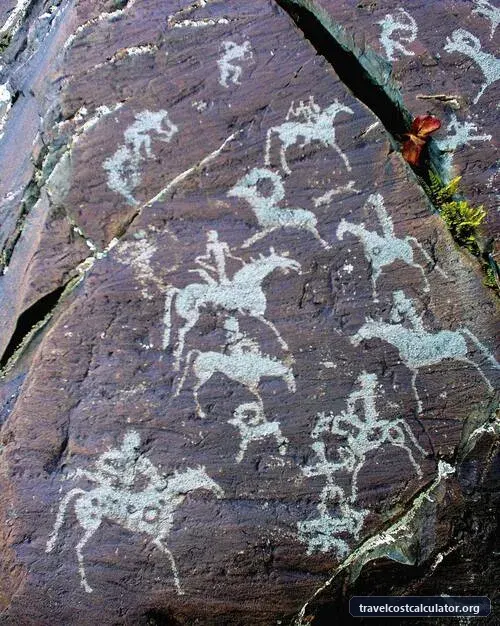
The numerous rock carvings and funerary monuments found in these three sites illustrate the development of culture in Mongolia over a period of 12,000 years.
Petroglyphic Complexes of the Mongolian Altai
🏛️ Overview & Historical Significance
Deep within the rugged valleys of the Altai Mountains in far-western Mongolia lies one of the most comprehensive prehistoric rock art archives on Earth: the Petroglyphic Complexes of the Mongolian Altai. Inscribed as a UNESCO World Heritage site in 2011, this extraordinary cultural landscape spans three distinct heritage zones within the Bayan-Ölgii Province: Tsagaan Salaa-Baga Oigor, Upper Tsagaan Gol, and Aral Tolgoi. Together, these sites contain tens of thousands of individual carvings etched into glaciated granite rock faces, standing stones, and slate outcrops.
What sets the Mongolian Altai petroglyphs apart from other global rock art sites is their unbroken chronicle of human evolution over a 12,000-year timeline (spanning from the Late Pleistocene to the Middle Bronze Age, Iron Age, and early Turkic eras). Walking through these open-air galleries offers a vivid visual history of how human cultures adapted to dramatic environmental shifts in High Asia:
-
✦
Late Pleistocene / Early Holocene (c. 11,000–6,000 BCE): Carvings from the oldest strata depict large late-Ice Age megafauna, including mammoths, wild oxen (aurochs), elks, and forest-dwelling game, carved during a period when the Altai environment was significantly wetter and more heavily forested than it is today.
-
✦
Bronze Age (c. 3,000–1,000 BCE): As the climate grew drier and high-altitude pastures developed, the imagery shifts dramatically toward early nomadic pastoralism. Panels feature horned cattle, domestic horses, wheeled carts, horse-drawn chariots, intricate hunting scenes with compound bows, and stylized deer.
-
✦
Iron Age & Nomad Empires (c. 1,000 BCE–1st Millennium CE): The art evolves into the famous "Scytho-Siberian animal style," featuring soaring stag motifs, predators (snow leopards and wolves) ambushing ibex, mounted archers, and early Turkic warrior iconography accompanied by ancient stone figures (balbals).
For visitors traveling in 2026, reaching these remote petroglyphs is not merely a sightseeing excursion—it is an expedition to the sacred cultural crossroads of Central and North Asia, set against the breathtaking backdrop of snow-capped peaks, glaciers, and alpine river valleys near the sacred Shiveet Khairkhan Mountain.
🎟️ Entrance Fees, Opening Hours & Ticket Booking Tips
Unlike traditional enclosed museums or manicured archaeological parks, the Petroglyphic Complexes of the Mongolian Altai are situated in an open, wilderness environment. However, because the petroglyph fields lie within and adjacent to Altai Tavan Bogd National Park and close to international borders, specific permits and local entry fees are legally required.
Estimated 2026 Visitor Fees & Administrative Costs
-
✦
Altai Tavan Bogd National Park Entrance Fee: ~15,000 MNT (~$4.30 USD / €4.00) per person. Payable at the park ranger station in Ölgii or at the park entry checkpoint.
-
✦
Border Zone Permit (Mandatory): ~15,000 MNT (~$4.30 USD / €4.00) per person. Because the sites (particularly Tsagaan Salaa and Upper Tsagaan Gol) sit within the sensitive international border zone near China and Russia, all foreign travelers must possess a valid border permit issued by the General Authority for Border Protection in Ölgii.
-
✦
Local Community Preservation Contribution (Optional/Customary): ~10,000 MNT (~$2.90 USD) per vehicle paid to local Tuvan or Kazakh herder communities managing local access tracks.
-
✦
Camera & Drone Permits: Commercial filming or high-end drone operation inside the National Park requires a specialist permit issued in Ulaanbaatar Travel Budget (cost varies from $50 to $150 USD depending on equipment). Personal photography with hand-held cameras or smartphones is free of extra charges.
Opening Hours & Access Rules
The petroglyph complexes have no physical gates or set opening hours; they are accessible during all daylight hours. However, for safety and logistical reasons, visiting is restricted to daylight time (typically 07:00 to 20:30 during peak summer months). Overnight camping directly on top of petroglyph panels is strictly prohibited.
Essential Booking & Administrative Tips for 2026
-
✦
No On-Site Card Facilities: There are zero electronic payment terminals, ATMs, or cellular coverage networks at the petroglyph sites. All park fees and permit charges must be paid in cash (Mongolian Tögrög - MNT) beforehand in Ölgii.
-
✦
Organizing Permits in Ölgii: If traveling independently, visit the Border Protection Unit and the National Park Office in Ölgii upon arrival. Processing border permits can take 2 to 4 hours. Alternatively, booking through a reputable local tour operator in Ölgii includes permit clearance as standard.
-
✦
Carry Physical Identification: You must carry your original passport along with printed copies of your border permit at all times; military border patrols conduct spot checks in the Upper Tsagaan Gol valley.
🚌 How to Get There & Local Transit Costs
Reaching the Mongolian Altai petroglyphs requires multi-stage travel across Mongolia. The nearest urban gateway is Ölgii (Ulgii), the provincial capital of Bayan-Ölgii Aimag in western Mongolia.
Step 1: Ulaanbaatar to Ölgii
To reach western Mongolia from the capital city of Ulaanbaatar (UB), you have two primary transit options:
-
✦
By Domestic Flight (Recommended): Airlines such as Hunnu Air and Aero Mongolia operate direct domestic flights from Ulaanbaatar’s Chinggis Khaan International Airport (UBN) to Ölgii Airport (ULG).
- Duration: ~2.5 to 3 hours.
-
✦
Estimated 2026 One-Way Fare: $160 – $240 USD (€150 – €220) per person. High-demand summer seats (July–August) should be booked 4–6 months in advance.
- Duration: 32 to 38 hours over ~1,600 km of mixed paved and dirt roads.
Step 2: Ölgii to the Petroglyphic Complexes
From Ölgii, the petroglyph sites (located approximately 180 to 210 km west/northwest near Shiveet Khairkhan Mountain and the Tsagaan Gol valley) are reached exclusively via off-road 4x4 vehicles. There is no public transit or scheduled bus service into the National Park.
| Transport Mode | Capacity | Estimated 2026 Daily Cost | Notes & Practical Logistics |
|---|---|---|---|
| Russian UAZ Furgon (4x4 Van) | Up to 6 passengers + gear | $110 – $140 USD / day | Robust, highly repairable off-road classic; best budget choice for group sharing. Includes driver. |
| Toyota Land Cruiser (4x4 SUV) | 3 to 4 passengers | $170 – $230 USD / day | Superior air-conditioned comfort, smoother ride across rocky riverbed terrain. Includes driver. |
| Fuel Expenses (Off-Road) | Per Vehicle | $50 – $80 USD round-trip total | Off-road fuel consumption is high (~18–25L/100km). Must top off all tanks in Ölgii or Tsengel. |
Travel Time: Expect a 6 to 8-hour off-road drive from Ölgii to the Upper Tsagaan Gol / Shiveet Khairkhan base camp, navigating dirt tracks, unpaved mountain passes, and shallow river crossings.
📸 Best Photography Spots & Insider Visit Hacks
Photographing rock art carved thousands of years ago into weathered mountain stone presents unique lighting challenges. Without proper planning, faint petroglyphs can look completely invisible in flat mid-day sunlight.
Prime Photography Locations Within the UNESCO Site
-
✦
Upper Tsagaan Gol (Shiveet Khairkhan Foot): Located around the base of sacred Shiveet Khairkhan Mountain. This area features massive smooth slate panels covered in Bronze Age chariot races, archers, and elaborate deer figures. The backdrop of snow-capped peaks makes it an extraordinary landscape-meets-archaeology framing spot.
-
✦
Tsagaan Salaa Valley: A 15-kilometer mountain valley containing over 10,000 individual petroglyphs spread across rock terraces. Look for the famous megafauna panels depicting ancient long-horned bulls and mammoths on elevated southern slopes.
-
✦
Aral Tolgoi: Situated near the pristine alpine lakes of Khoton and Khurgan. Famous for large horizontal slate slabs displaying early Holocene animal figures carved with delicate micro-incisions.
Lighting Hacks & Timing for Rock Art
-
✦
Master the "Raking Light": Never shoot petroglyphs under direct noon sunlight. The best time for photography is during early morning (07:30 – 10:00) or late afternoon (16:30 – 19:00). Low-angle sunlight (raking light) creates micro-shadows inside the carved grooves, making the ancient art jump out in sharp relief.
-
✦
Use a Circular Polarizer Filter: Glaciated Altai rocks often reflect heavy sun glare. A polarizing filter eliminates reflections and enhances the color contrast between the dark rock patina and the lighter incised lines.
-
✦
Water Spray Hack (With Respect): Gently misting an uncarved section nearby with water can show contrast, but never apply chalk, paint, chemical liquids, or hard brushes to the petroglyphs, as this degrades fragile ancient patinas.
Insider Visit Hacks for 2026
-
✦
Optimal Seasonal Window: Plan your trip between mid-June and early September. High-mountain passes are frequently snowbound from October through May, making ground access impossible.
-
✦
Hire a Local Kazakh/Tuvan Spotter: The petroglyphs are spread across hundreds of square kilometers without signage. Hiring a local native guide from Ölgii or a local herder near Shiveet Khairkhan saves hours of fruitless searching.
-
✦
Pack Remote Power Solutions: Temperatures drop sharply at night, draining camera batteries quickly. Bring high-capacity power banks (20,000+ mAh) or portable solar charging panels.
🏨 Nearby Accommodation & Daily Budget Allocation
Because the Petroglyphic Complexes are located deep in the high-altitude wilderness of Bayan-Ölgii, conventional luxury hotels do not exist near the sites. Accommodation transitions from modest hotels in Ölgii to traditional Kazakh gers (yurts) and expedition camping near the rock art sites.
Accommodation Options
-
✦
Ölgii Gateway Hotels (Before & After Expedition):
- Budget Guesthouses (e.g., Eagle's Nest, Travelers Guesthouse): $20 – $35 USD per night for clean dorm or private room with shared facilities.
-
✦
Mid-Range Hotels (e.g., Zaman Hotel, Duman Hotel): $55 – $90 USD per night, including ensuite bathroom, hot water, and breakfast.
- Cost: $25 – $40 USD per night per person. Includes authentic home-cooked meals (mutton, homemade bread, yak butter, goat cheese, milk tea) and a traditional bed.
- Cost: Free (or ~$10–$15 USD/day tent hire from Ölgii gear outfitters). Must bring high-grade 3-season or 4-season sleeping bags rated down to -5°C (23°F), even in mid-summer.
Estimated Daily Budget Breakdown (2026 Pricing)
To help you budget accurately for your 2026 expedition to the Mongolian Altai petroglyphs, review the estimated daily expenditure breakdowns per traveler based on travel style:
| Expense Category | Budget / DIY Shared (4 Pax) | Mid-Range Expedition | Private / Luxury Expedition |
|---|---|---|---|
| Transport (4x4 + Driver) | $30 – $35 USD | $60 – $80 USD | $180 – $230 USD |
| Accommodation | $15 – $25 USD (Camping/Ger) | $35 – $50 USD (Ger/Hotel) | $90 – $150 USD (Best Hotel/Ger) |
| Food & Supplies | $10 – $15 USD | $20 – $35 USD | $40 – $70 USD (Private Chef) |
| Permits & Local Guide | $15 – $20 USD | $30 – $45 USD | $70 – $100 USD (Expert Archaeologist) |
| ESTIMATED TOTAL / DAY | $70 – $95 USD / day | $145 – $210 USD / day | $380 – $550 USD / day |
Note: Daily estimates exclude long-distance flights between Ulaanbaatar and Ölgii ($320–$460 USD round-trip).
Frequently Asked Questions
Essential visitor FAQs for Petroglyphic Complexes of the Mongolian Altai
What is the entrance fee for Petroglyphic Complexes of the Mongolian Altai in 2026?
How much time do you need to explore Petroglyphic Complexes of the Mongolian Altai?
How do I get to Petroglyphic Complexes of the Mongolian Altai from the nearest city?
📊 Heritage Quick Specs
Visiting Mongolia on a Budget?
Calculate your full daily travel budget for Mongolia — including hotel costs, local transport, food, and sightseeing expenses.
View Mongolia Daily Travel Costs →Explore more UNESCO World Heritage Sites
🏛️ All 1,200+ Heritage Sites →