
 Spain
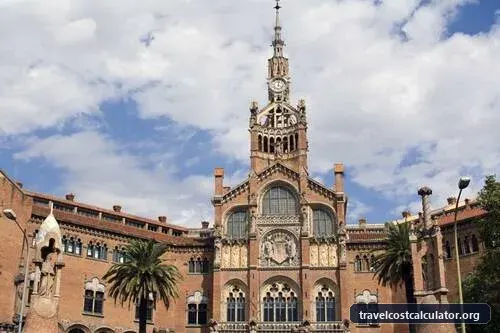
Palau de la Música Catalana and Hospital de Sant Pau, Barcelona
These are two of the finest contributions to Barcelona's architecture by the Catalan art nouveau architect Lluís Domènech i Montaner.
Palau de la Música Catalana and Hospital de Sant Pau, Barcelona
🏛️ Overview & Historical Significance
Inscribed as a dual UNESCO World Heritage site in 1997, the Palau de la Música Catalana and the Hospital de Sant Pau represent the ultimate architectural expression of Catalan Modernisme—the regional evolution of Art Nouveau. Designed by the visionary architect Lluís Domènech i Montaner, a contemporary and rival of Antoni Gaudí, both complexes broke radical ground in the early 20th century by harmonizing structural engineering with decorative arts, color, light, and social functionality.
The Palau de la Música Catalana, constructed between 1905 and 1908 as the headquarters for the Orfeó Català choral society, is the only auditorium in Europe illuminated entirely by natural light during daytime hours. Domènech i Montaner designed a steel-framed structure wrapped in curtain walls of stained glass, mosaic tilework, and sculpted masonry. The central concert hall features a world-famous inverted stained-glass dome depicting the sun, creating an immersive, luminous shell where music and visual art merge seamlessly.
A short distance away lies the Hospital de Sant Pau (Recinte Modernista de Sant Pau), constructed between 1901 and 1930. Commissioned to replace a cramped medieval hospital, Domènech i Montaner envisioned a revolutionary "garden city for the sick." Comprising 27 pavilion buildings connected by subterranean tunnels, the complex utilized vibrant polychrome roof tiles, landscaped therapeutic gardens, high ceilings, and abundant sunlight under the architectural belief that beauty and clean air accelerate physical healing. Together, these two landmarks represent the pinnacle of Catalan identity, craftsmanship, and humanistic architectural innovation.
🎟️ Entrance Fees, Opening Hours & Ticket Booking Tips
Planning your visits in 2026 requires understanding that while both sites fall under the same UNESCO umbrella, they operate as separate ticketed venues. Booking online in advance is highly recommended to secure peak time slots and skip ticket counter lines.
Palau de la Música Catalana
-
✦
Self-Guided Tour (with Interactive Audio App): €18.00 – €22.00 ($20 – $24 USD) per adult.
-
✦
In-Person Guided Tour: €22.00 – €26.00 ($24 – $28 USD) per adult.
-
✦
Concert Tickets: Prices start from €25.00 ($27 USD) for regional classical recitals up to €150.00+ ($165+ USD) for world-class symphony or opera performances.
-
✦
Opening Hours: Daily from 9:00 AM to 3:30 PM for sightseers (extended to 6:00 PM during peak summer weeks). Hours may be truncated on afternoon concert days.
Hospital de Sant Pau (Recinte Modernista)
-
✦
Self-Guided Admission: €16.00 – €18.00 ($17 – $20 USD) per adult.
-
✦
Audio Guide Add-on: €4.00 ($4.35 USD).
-
✦
Reduced Tickets: €11.00 – €13.00 ($12 – $14 USD) for youth (ages 12–29), seniors (65+), and travelers holding the official Barcelona Travel Budget Card. Free entry for children under 12.
-
✦
Opening Hours: April to October: 9:30 AM – 6:30 PM. November to March: 9:30 AM – 5:00 PM. Open 365 days a year.
Financial & Booking Hacks for 2026:
-
✦
The Concert Hack: Rather than paying €20 for a daytime tour of Palau de la Música, consider buying a ticket to an evening organ recital or choral performance (often available for €25–€30). This allows you to experience the hall's world-class acoustics in its intended environment while admiring the illuminated interior.
-
✦
Barcelona Pass / Card Discounts: The official Barcelona Card or Barcelona Pass grants a 20% ticket discount on entry to both monuments.
-
✦
First Sunday Free: Hospital de Sant Pau occasionally participates in open-door days, offering free entry on select holidays (e.g., La Mercè in late September). Always verify the 2026 schedule on their official site before visiting.
🚌 How to Get There & Local Transit Costs
Both UNESCO monuments are located inside the municipal limits of Barcelona and are efficiently linked by the TMB Metro system, public city buses, and walkable avenues.
Reaching Palau de la Música Catalana
Located in the historic Sant Pere / El Born neighborhood near Ciutat Vella:
-
✦
By Metro: Take Metro Line 4 (Yellow Line) to Urquinaona or Jaume I station. From Urquinaona, it is a 4-minute walk down Via Laietana turning onto Carrer del Palau de la Música.
-
✦
By Bus: Lines V15, V17, or 47 stop directly along Via Laietana.
Reaching Hospital de Sant Pau
Located at the northern end of the tree-lined Avinguda de Gaudí in the Guinardó district:
-
✦
By Metro: Take Metro Line 5 (Blue Line) to Sant Pau | Dos de Maig (a 3-minute walk to the main gate), or Metro Line 4 (Yellow Line) to Guinardó | Hospital de Sant Pau.
-
✦
By Bus: Lines H8, D50, 19, and 47 stop directly outside the modern entrance.
-
✦
Walking Route: If visiting the Sagrada Família first, walk 10–15 minutes straight uphill along the pedestrianized Avinguda de Gaudí. The boulevard provides a straight line-of-sight connecting Gaudí's masterpiece directly to Domènech i Montaner's hospital complex.
Transit Pricing & Connecting Both Sites (2026 Rates)
-
✦
Metro/Bus Single Ticket: €2.55 ($2.80 USD).
-
✦
T-casual Card (10-Trip Multi-Person Card): €12.15 ($13.30 USD) for 10 journeys within Zone 1—the most cost-effective solution for city exploring.
-
✦
Direct Connection: Ride Metro Line 4 (Yellow Line) directly from Urquinaona (near Palau de la Música) to Guinardó | Hospital de Sant Pau in approximately 12 minutes without changing lines.
-
✦
Taxi / Ride-Hail (Cabify/FreeNow): A taxi between Palau de la Música and Hospital de Sant Pau costs approximately €10.00 – €14.00 ($11 – $15 USD) depending on traffic.
📸 Best Photography Spots & Insider Visit Hacks
Top Photography Angles
-
✦
Palau de la Música Skylight: Stand directly under the central stained-glass dome inside the main hall and shoot straight up. The dropped glass drop structure resembles a glowing droplet of liquid sun. Use a wide-angle lens (16mm to 24mm full-frame equivalent).
-
✦
Lluís Millet Hall Balcony (Palau): Step onto the upper-level outdoor balcony to shoot the double colonnade covered in intricate mosaic patterns. Frame yourself between the colorful tiled columns against the urban backdrop.
-
✦
Administration Pavilion Facade (Sant Pau): Capture the sweeping entrance court of the Pavelló de l'Administració from the main entrance gates on Carrer de Sant Antoni Maria Claret. Frame the red-brick towers, sculptures, and clock tower against a clear blue sky.
-
✦
Avinguda de Gaudí Terrace View: From the upper balconies of Sant Pau's main pavilion, look down Avinguda de Gaudí for an elevated perspective with the spires of the Sagrada Família framing the horizon.
-
✦
The Tiled Tunnels (Sant Pau): Shoot down the stark, whitewashed subterranean corridors connecting the clinical pavilions. The leading lines create dramatic depth and geometric contrast.
Insider Visit Hacks & Timing Strategies
-
✦
Timing for Palau: Book the very first tour slot at 9:00 AM. Morning sun streams directly through the east-facing stained glass windows, populating the auditorium with rainbow light leaks before large tourist groups arrive.
-
✦
Timing for Sant Pau: Late afternoon (2 hours before closing) offers the softest golden light illuminating the orange tile roofs and brickwork. Because Sant Pau covers 300,000 square meters, it rarely feels overcrowded compared to other Barcelona sites.
-
✦
Combos & Sequencing: Dedicate a full morning to both sites. Start at Palau de la Música at 9:00 AM (1.5 hours), take Metro L4 up to Sant Pau (15 mins), walk through Sant Pau (2 hours), and finish with lunch along Avinguda de Gaudí before visiting Sagrada Família in the afternoon.
🏨 Nearby Accommodation & Daily Budget Allocation
Whether staying near the central vibrant alleys of El Born (near Palau de la Música) or the quieter residential avenues around Hospital de Sant Pau, Barcelona provides diverse lodging options for every financial tier.
Accommodation Recommendations (2026 Nightly Rates)
-
✦
Budget Tier ($35 – $95 / night):
- TOC Hostel Barcelona / Born Barcelona Hostel: Dorm beds starting around €32 – €45 ($35 – $50 USD). Clean, stylish, social hubs near Palau de la Música.
-
✦
Sant Jordi Hostels Sagrada Familia: Located within walking distance of Hospital de Sant Pau, featuring modern amenities and artistic interiors. Private rooms from €85 ($93 USD).
- H10 Montcada Boutique Hotel: Located steps from Palau de la Música along Via Laietana. Offers a stunning rooftop terrace overlooking the Gothic Quarter. €170 – €230 ($185 – $250 USD).
- The Serras Barcelona: Boutique 5-star luxury overlooking the Port Vell marina, short walk to Palau de la Música. €480 – €750 ($520 – $815 USD).
Daily Travel Budget Allocations (Per Person, 2026 Estimates)
To assist in planning your trip expenses in Barcelona, consider these daily budget benchmarks:
-
✦
Backpacker / Low Budget (€65 – €85 / $70 – $93 USD per day):
- Lodging: Hostel dorm bed (€35)
-
✦
Food: Supermarket breakfast, bakery lunch, self-catering/tapas (€20)
-
✦
Transit: T-casual metro card portion (€3)
-
✦
Attractions: Single entrance to Sant Pau or Palau (€18)
- Lodging: 3-Star or 4-Star boutique hotel Split Travel Budget (€90–€130 per person)
- Lodging: 5-Star hotel (€300+ per person share)
Frequently Asked Questions
Essential visitor FAQs for Palau de la Música Catalana and Hospital de Sant Pau, Barcelona
What is the entrance fee for Palau de la Música Catalana and Hospital de Sant Pau, Barcelona?
How much time do you need to explore Palau de la Música Catalana and Hospital de Sant Pau, Barcelona?
How do I get to Palau de la Música Catalana and Hospital de Sant Pau, Barcelona from the nearest city?
📊 Heritage Quick Specs
Visiting Spain on a Budget?
Calculate your full daily travel budget for Spain — including hotel costs, local transport, food, and sightseeing expenses.
View Spain Daily Travel Costs →Explore more UNESCO World Heritage Sites
🏛️ All 1,200+ Heritage Sites →