
 Cuba
Old Havana and its Fortification System
Havana was founded in 1519 by the Spanish. By the 17th century, it had become one of the Caribbean's main centres for ship-building. Although it is today a sprawling metropolis of 2 million inhabitants, its old...
Old Havana and its Fortification System
🏛️ Overview & Historical Significance
Founded in 1519 by the Spanish conquistador Diego Velázquez de Cuéllar on the shores of a natural deepwater harbor, Old Havana Travel Budget (Habana Vieja) rapidly evolved into one of the most critical maritime crossroads in the Western Hemisphere. Positioned strategic at the mouth of the Gulf of Mexico, the city served as the assembly point for the famed Spanish Treasure Fleet (La Flota de Indias). Here, galleons laden with Peruvian silver, Mexican gold, and Asian silk gathered before undertaking the perilous transatlantic voyage back to Seville and Cádiz.
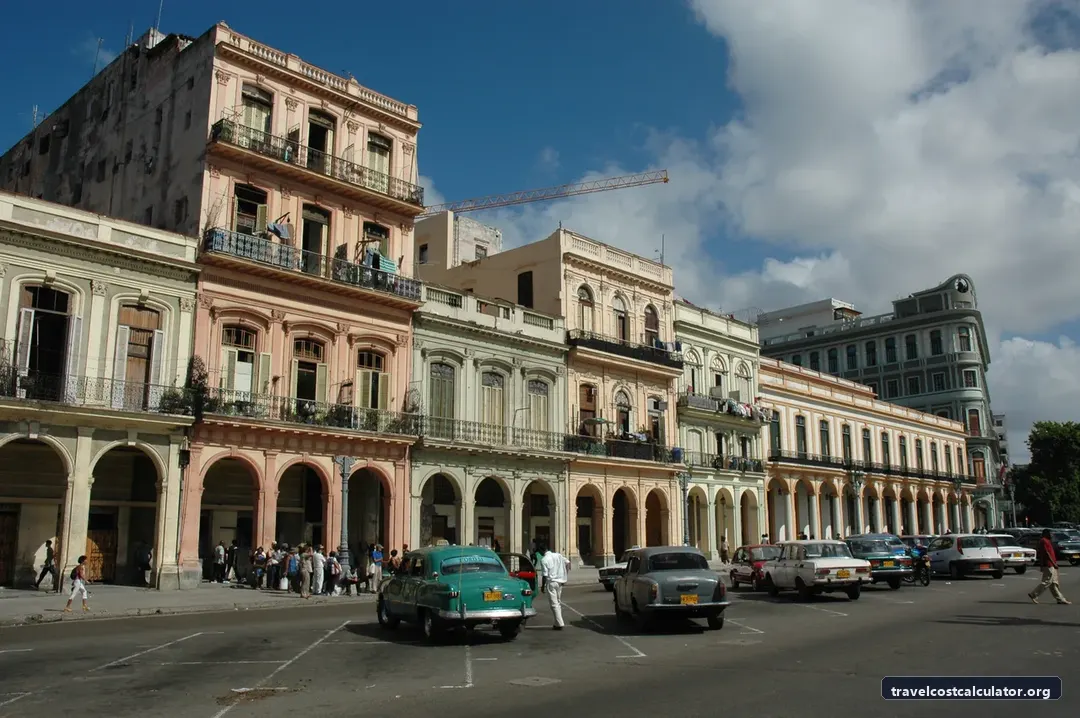
Because of its astronomical wealth and strategic importance, Havana became a prime target for French corsairs, Dutch privateers, and British naval forces. To protect this vital imperial artery, the Spanish Crown constructed what would become the most formidable and complex military defense architecture in the Americas. In 1982, UNESCO designated "Old Havana and its Fortification System" as a World Heritage site, recognizing its outstanding universal value as a remarkably preserved urban ensemble where Spanish colonial Baroque, Neoclassical, and early 20th-century Art Deco architecture exist alongside centuries-old defensive walls, bastions, and castles.
The UNESCO listing encompasses two distinct yet deeply interconnected elements:
-
✦
The Historic Core of Old Havana: Defined by a network of narrow cobbled streets, shaded interior courtyards, and four magnificent historic plazas—Plaza de Armas, Plaza de la Catedral, Plaza Vieja, and Plaza de San Francisco de Asís.
-
✦
The Military Fortification System: A multi-tiered defensive network ringing Havana Bay. Highlights include the Castillo de la Real Fuerza (the oldest surviving stone fort in the Americas, commenced in 1558), the iconic Castillo de los Tres Reyes del Morro guarding the harbor entrance, the vast 18th-century Fortaleza de San Carlos de la Cabaña, and the flanking Castillo de San Salvador Travel Budget de la Punta.
Today, Old Havana stands as a living museum. Ongoing conservation efforts managed by the Office of the Historian of the City (Oficina del Historiador de la Ciudad) have painstakingly restored hundreds of historic structures, transforming crumbling colonial mansions into boutique homestays, vibrant museums, and atmospheric paladares (private restaurants).
🎟️ Entrance Fees, Opening Hours & Ticket Booking Tips
Navigating payments in Cuba requires advanced preparation. In 2026, while walking the historic streets and public plazas of Old Havana is completely free, entering individual museums, castles, and historic sites requires paid admission. Cash remains the preferred method of transaction across the island, with USD and EUR cash widely accepted in private establishments, alongside local Cuban Pesos (CUP) for state-run entrance gates.
Key Sites Entrance Fees & Hours (Estimated 2026 Pricing)
-
✦
Old Havana Historic Quarter & Public Plazas: Free access 24/7.
-
✦
Castillo de los Tres Reyes del Morro: ~$6 USD (approx. 700 CUP). Open daily from 9:00 AM to 6:00 PM.
-
✦
Fortaleza de San Carlos de la Cabaña:
- Day Admission (9:00 AM – 6:00 PM): ~$6 USD (approx. 700 CUP).
-
✦
Night Admission (6:00 PM – 10:00 PM, includes the 9:00 PM Cañonazo ceremony): ~$10 USD (approx. 1,200 CUP).
Pro Tips for Buying Tickets & Managing Payments
-
✦
No Online Pre-Booking Needed: State-run fortifications and museums in Cuba generally do not offer advance online ticketing. Tickets must be purchased directly at the ticket office (taquilla) upon arrival.
-
✦
Carry Small Bills: Always carry smaller denominations ($1, $5, $10 USD or 100/200/500 CUP notes). Ticket offices frequently run short on change.
-
✦
Card vs. Cash Realities: Non-US credit/debit cards (such as Visa or Mastercard issued by European or Canadian banks) work at some state ticket counters, but power outages or internet interruptions can render card terminals offline. Always carry sufficient cash backup. US-issued bank cards will not work anywhere in Cuba due to sanctions.
🚌 How to Get There & Local Transit Costs
Old Havana is situated along the western side of Havana Bay in the heart of the capital city. Accessing the historic core and navigating between the forts across the bay is straightforward once you understand the local transit options.
From José Martí International Airport (HAV) to Old Havana
The airport lies approximately 20 kilometers (12 miles) south of Old Havana. There are no direct public train lines connecting the airport to the city center.
-
✦
Official Taxi / Private Transport: The standard fare for an official yellow taxi or a pre-booked private driver from HAV to Old Havana ranges between $30 USD and $40 USD. The drive takes 35 to 45 minutes depending on traffic.
-
✦
Airport Shuttle: Select hotel bookings include pre-arranged shared shuttles ($15 – $20 USD per person), though private taxis are faster and drop you directly at your doorstep.
Getting to the Fortresses Across the Bay (El Morro & La Cabaña)
The major fortifications of El Morro and La Cabaña sit across the entrance of the harbor on the eastern bluff (Casablanca district). You have two primary ways to reach them from Old Havana:
-
✦
Via Harbor Tunnel Taxi: A regular street taxi taking the Túnel de la Habana under the bay entrance takes roughly 10–15 minutes from Parque Central. Expect to pay $8 – $12 USD one way (or around $20 – $25 USD round trip, including driver wait time for the evening cannon ceremony).
-
✦
Via the Historic Casablanca Ferry (Lancha de Regla/Casablanca): Catch the public passenger ferry from the Muelle de Luz terminal in Old Havana across to Casablanca (~$0.50 USD / 20 CUP). From the Casablanca dock, it is a scenic 15-minute uphill walk past the Christ of Havana statue directly to La Cabaña and El Morro.
Getting Around Old Havana
-
✦
On Foot: Walking is the absolute best way to experience Old Havana. Most of the historic core is pedestrianized, with motor vehicles restricted across major tourist streets like Calle Obispo and Calle Mercaderes.
-
✦
Bicitaxis (Pedicabs): Great for navigating narrow alleyways. A short trip within Habana Vieja costs between $3 USD and $5 USD. Negotiate the price before getting in.
-
✦
CocoTaxis: Yellow helmet-shaped motorized tricycles operating along the Malecón and main avenues. Rides typically cost $5 – $10 USD.
-
✦
Classic American Convertible Tours: Parked outside Parque Central and the Gran Hotel Manzana Kempinski, 1950s classic cars offer 1-hour city tours for $35 – $50 USD.
📸 Best Photography Spots & Insider Visit Hacks
Top 5 Photography Locations
-
✦
Plaza de la Catedral (Early Morning): Arrive between 7:30 AM and 8:30 AM. Early morning light illuminates the asymmetrical Baroque façade of the Catedral de San Cristóbal without crowds or tour groups in your shot.
-
✦
El Morro Lighthouse Lookout: Position yourself along the outer ramparts of Castillo del Morro at golden hour (around 6:00 PM – 7:00 PM). You will capture sweeping panoramic shots of the Havana skyline and the long curve of the Malecón as the sun sets over the Straits of Florida.
-
✦
Plaza Vieja from Above: Head to the upper floor balconies of nearby rooftop cafes or take the elevator up to the Cámara Oscura building for a bird's-eye architectural view of restored colonial mansions and colorful tiled squares.
-
✦
Calle Obispo & Calle Mercaderes: Capture vintage Cuban street life—colorful pastel buildings, iron balconies overflowing with tropical plants, classic street musicians, and vintage bicycles.
-
✦
The 9:00 PM Cañonazo Ceremony: Located at La Cabaña fortress, soldiers dressed in 18th-century Spanish colonial uniforms conduct a dramatic torchlit march and fire a historic cannon over the harbor. Use a tripod or high ISO settings for low-light photos.
Insider Visit Hacks for 2026
-
✦
Beating the Heat: Havana gets intensely hot and humid between May and October. Plan outdoor plaza explorations for early morning (8:00 AM – 11:00 AM) or late afternoon. Reserve middle-of-the-day hours for air-conditioned museums or shaded courtyard cafes.
-
✦
Download Offline Maps Before Arrival: Mobile data (ETECSA tourist eSIMs) has improved significantly, but connection speeds can still drop in old stone buildings. Download offline maps via Organic Maps or Maps.me before stepping off the plane.
-
✦
Hydration Strategy: Tap water is not recommended for drinking. Carry a reusable water bottle equipped with a built-in purification filter, or buy bottled water from private MIPYMES (small private grocers) scattered throughout Old Havana.
-
✦
Navigating "Jineteros" (Friendly Street Guides): Locals in Old Havana are exceptionally warm, but some may engage you in friendly conversation only to steer you toward a specific restaurant, ask for money, or claim there is a "today-only cigar festival." A polite, smiling "No gracias" while continuing to walk is standard etiquette.
🏨 Nearby Accommodation & Daily Budget Allocation
Accommodation in Havana has evolved dramatically. Travelers can choose between atmospheric state/boutique hotels and private homestays known as casas particulares, which offer an authentic glimpse into Cuban hospitality and directly support local families.
Where to Stay Near Old Havana
-
✦
Budget ($20 – $45 USD / night): Casas Particulares in Old Havana or neighboring Central Havana. These private guest houses feature air-conditioned rooms, private bathrooms, and incredible host hospitality. Examples include private rentals around Calle Sol or Calle Muralla.
-
✦
Mid-Range ($80 – $170 USD / night): Restored colonial boutique hotels and high-end private residences. Look into properties like Hotel Santa Isabel (overlooking Plaza de Armas), La Reserva Vedado, or boutique homestays near Plaza San Francisco featuring high ceilings, antique furniture, and courtyard breakfasts.
-
✦
Luxury ($280 – $550+ USD / night): World-class luxury luxury hotels such as the Gran Hotel Manzana Kempinski or SO/ Paseo del Prado Havana. Located on the edge of Old Havana near Parque Central, these feature rooftop infinity pools overlooking the Capitolio and El Morro.
Dining & Culinary Highlights
For the best food, skip state-run cafeterias and dine exclusively at private paladares. Old Havana boasts an incredible culinary renaissance. Recommended spots include Doña Eutimia (famous for traditional Cuban ropa vieja near Plaza de la Catedral), El del Frente (gourmet seafood and craft cocktails on a stylish rooftop), and San Cristóbal Paladar.
Daily Budget Estimations (2026)
-
✦
Backpacker / Low-Budget Traveler: $45 – $70 USD / day
- Stay in a budget Casa Particular ($15-$25/night shared).
-
✦
Eat at local private bakeries and simple paladares ($5-$10 per meal).
-
✦
Use the public ferry and walk everywhere.
- Stay in a charming boutique Casa or 4-star historic hotel ($80-$140/night).
- Stay at 5-star hotels like the Kempinski ($350-$500+/night).
Frequently Asked Questions
Essential visitor FAQs for Old Havana and its Fortification System
What is the entrance fee for Old Havana and its Fortification System?
How much time do you need to explore Old Havana and its Fortification System?
How do I get to Old Havana and its Fortification System from the nearest city?
📊 Heritage Quick Specs
Visiting Cuba on a Budget?
Calculate your full daily travel budget for Cuba — including hotel costs, local transport, food, and sightseeing expenses.
View Cuba Daily Travel Costs →Explore more UNESCO World Heritage Sites
🏛️ All 1,200+ Heritage Sites →