
 Bosnia
Old Bridge Area of the Old City of Mostar
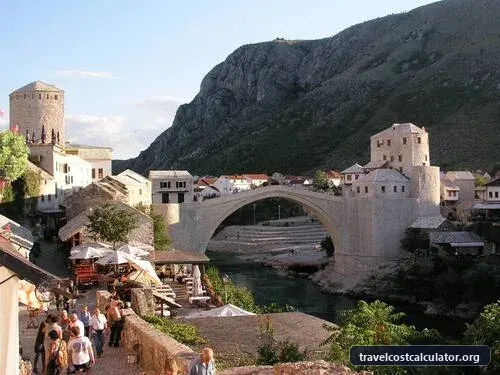
The historic town of Mostar, spanning a deep valley of the Neretva River, developed in the 15th and 16th centuries as an Ottoman frontier town and during the Austro-Hungarian period in the 19th and 20th centuries.
Old Bridge Area of the Old City of Mostar
🏛️ Overview & Historical Significance
The Old Bridge Area of the Old City of Mostar Travel Budget, centered around the iconic Stari Most (Old Bridge), stands as one of the Balkan region's most magnificent architectural achievements and a powerful international symbol of resilience, cultural synthesis, and reconciliation. Inscribed as a UNESCO World Heritage site in 2005, Mostar’s historical heart uniquely fuses 16th-century Ottoman urban design with later Austro-Hungarian architectural elements and native Mediterranean stone craftsmanship.
Originally commissioned by Sultan Suleiman the Magnificent in 1557 and completed in 1566 by the Ottoman master architect Mimar Hayruddin (a pupil of the legendary Mimar Sinan), the original single-arch stone bridge spanned the turquoise waters of the Neretva River for 427 years. It served not only as a vital trade artery linking the Ottoman hinterland to the Adriatic Sea but also as the literal and metaphorical bond connecting diverse ethnoreligious communities—Bosniaks, Croats, Serbs, Jews, and Catholics.
Tragically, during the Bosnian War on November 9, 1993, the historic bridge was destroyed by artillery fire. Following the end of the conflict, an unprecedented international coalition comprising UNESCO, the World Bank, the Aga Khan Trust for Culture, and the World Monuments Fund spearheaded an ambitious $15-million reconstruction effort. Master stonemasons utilized centuries-old Ottoman quarrying techniques, excavating original tenelija limestone blocks from the Neretva River bed and local quarries to rebuild the bridge and surrounding Old Town strictly to original specifications. reopened in July 2004, the site was officially recognized by UNESCO in 2005 under Criterion (vi) as a living testimonial to human coexistence and the peaceful restoration of shared cultural heritage.
Today, the Old Bridge Area encompasses the fortified towers of Tara and Halebija, the historic craft bazaar of Kujundžiluk, the minor Kriva Ćuprija (Crooked Bridge), and several breathtaking 16th-century Ottoman mosques, remaining a vibrant, living urban center where traditional bridge diving remains an active cultural tradition.
🎟️ Entrance Fees, Opening Hours & Ticket Booking Tips
The Old City of Mostar is an open, living historic district. Walking across the Stari Most and exploring the Old Town cobblestone alleyways is entirely free 24/7, 365 days a year. However, individual historic sites, minaret viewpoints, and museums within the UNESCO perimeter charge modest admission fees.
2026 Ticket Pricing Breakdown
-
✦
Stari Most (Old Bridge) & Old Town District: FREE access 24/7.
-
✦
Koski Mehmed Pasha Mosque & Minaret Climb: 18 BAM (~$10.00 USD / €9.20) for full entry (Mosque interior, courtyard, and minaret tower access). Mosque-only entry is 10 BAM (~$5.50 USD / €5.00).
-
✦
Old Bridge Museum (Muzej Stari Most / Tara Tower): 10 BAM (~$5.50 USD / €5.00) adults; 5 BAM (~$2.75 USD / €2.50) students. Includes access to the bridge foundations and historic photo archives.
-
✦
Muslibegović House (National Monument & Ottoman Living Museum): 8 BAM (~$4.50 USD / €4.00).
-
✦
War Photo Exhibition (Hecco Tower near Stari Most): 7 BAM (~$3.90 USD / €3.50).
-
✦
Mostar Bridge Divers Performance (Stari Most Diving Club): Watching from the river bank or bridge is free; however, the traditional divers collect tips from spectators before jumping. Expect to contribute 5 to 10 BAM ($3.00 - $5.50 USD) into the collection hat if a dive is initiated.
Opening Hours & Booking Logistics
Most major attractions within the Old Town operate daily between 8:00 AM and 8:00 PM from May through October, with reduced hours (9:00 AM to 4:00 PM) during winter months. Advance online booking is generally unnecessary for individual visitors; tickets are easily purchased on-site at the entrance of each attraction.
Currency & Payment Hack for 2026: Bosnia and Herzegovina uses the Bosnian Convertible Mark (BAM or KM), which is pegged directly to the Euro (1 EUR = 1.95583 BAM). While Euro cash (€) is widely accepted by local craft markets and restaurants around the Old Bridge, change is usually given back in local KM. Credit card adoption has expanded across Mostar restaurants and boutique hotels, but cash remains essential for souvenir stalls, public toilets (1 KM), and ticket booths at smaller historic sites. Always carry small denominations of physical currency.
🚌 How to Get There & Local Transit Costs
Mostar is situated in southern Bosnia and Herzegovina within the Herzegovina region. It is easily accessible by scenic rail lines and highway connections from major transit hubs including Sarajevo Travel Budget, Dubrovnik Travel Budget (Croatia), and Split (Croatia).
From Sarajevo (Nearest Major Domestic Hub)
-
✦
By Scenic Train (Recommended): The Željeznice FBiH modern Talgo passenger train connecting Sarajevo to Mostar is widely considered one of Europe’s most beautiful rail routes. It winds through the dramatic Neretva River canyon and rugged Dinaric Alps.
- Travel Time: Approximately 2 hours.
-
✦
Cost (2026): 15.30 BAM (~$8.50 USD / €7.80) one-way for standard class. Round-trip discount tickets cost ~25 BAM (~$14.00 USD).
-
✦
Schedule: Typically 2 departures daily (morning and evening). Tickets can be purchased at Sarajevo Railway Station or reserved online via the official ŽFBH portal.
- Travel Time: 2.5 hours.
From International Gateway Cities (Croatia)
-
✦
From Dubrovnik, Croatia: International buses run daily from Dubrovnik Central Bus Terminal (Gruž) to Mostar East Station.
- Travel Time: 3 to 3.5 hours (subject to EU/non-EU border crossing wait times).
-
✦
Cost (2026): €20 - €26 EUR (~$22 - $28 USD) one-way.
- Travel Time: 3.5 to 4 hours.
Local Transit & Walking Directions within Mostar
Mostar has two main transit terminals located adjacent to each other: Mostar East Railway Station and Mostar Bus Station (Autobuska stanica Mostar). Both stations sit just 1.2 kilometers (0.75 miles) north of the UNESCO Old Bridge Area.
You can walk from the station to the Old Bridge in roughly 15 minutes along Braće Fejića street, a lively pedestrian boulevard. Alternatively, a local street taxi from the train station to the Old Town pedestrian boundary costs approximately 5 to 7 BAM ($2.80 - $4.00 USD). Avoid unmetered taxis outside bus stations; insist on meter usage or agree on the standard flat rate (5-7 BAM) before embarking.
📸 Best Photography Spots & Insider Visit Hacks
Prime Photography Vantage Points
-
✦
1. Minaret of Koski Mehmed Pasha Mosque: Ascend the narrow 89-step spiral staircase inside the 17th-century minaret for the undisputed, iconic postcard view of Mostar. The open gallery offers an elevated 360-degree panorama framing Stari Most, the emerald river, and the stone rooftops of Kujundžiluk.
-
✦
2. Lučki Most (Lučki Bridge): Located roughly 500 meters south downriver from Stari Most, this vehicle/pedestrian bridge yields an exceptional mid-range perspective of the Old Bridge set against the dramatic backdrop of Mount Hum. Perfect for telephoto zoom photography.
-
✦
3. Neretva River Beach (Stari Grad Beach): Position yourself directly under the arch along the pebble riverbanks. Shooting from low-angle rocks highlights the immense 24-meter height of the bridge structure—especially compelling when framing local divers in mid-air.
-
✦
4. Tara Tower Terrace / Old Bridge Museum Upper Level: Excellent for capturing close-ups of the polished limestone surface and watchtowers looking west.
Insider Hacks to Avoid Crowds & Heat
-
✦
Beat the Day-Tripper Surge: Hundreds of tour buses arrive daily from Dubrovnik and Split between 10:30 AM and 4:30 PM. To experience the tranquil charm of the Old City, explore between 7:00 AM and 9:30 AM, or wait until after 5:30 PM when daytime crowds clear.
-
✦
Footwear Caution (The Cobblestone Slip Hazard): The historic cobblestones (kaldrma) lining the Old Town and the steep arch of Stari Most are made of smooth limestone that has been polished down by centuries of foot traffic. They are notoriously slick—even when bone dry. Avoid smooth-soled sandals, flip-flops, or high heels; wear high-traction rubber sneakers or light hiking shoes.
-
✦
Beating the Summer Heat: Mostar routinely ranks among Europe's hottest cities, with July and August temperatures frequently exceeding 40°C (104°F). If visiting in mid-summer, schedule outdoor walks for early morning, stay hydrated, and rest during midday at shaded riverside cafes. The ideal visiting months are **May, June, September, and October**.
🏨 Nearby Accommodation & Daily Budget Allocation
Mostar is an exceptionally high-value destination compared to neighboring Western European and coastal Croatian hotspots. Staying overnight allows you to experience the magically illuminated Old Town once day-trippers have departed.
Recommended Accommodations Near the Old Bridge Area
-
✦
Budget Pick: Hostel Majdas / Taso's House Hostel: Award-winning, family-run guesthouses located within a 10-minute walk of Stari Most. Offers warm Herzegovinian hospitality, organized region tours, and immaculate dormitory/private rooms. Price: ~$18 - $28 USD (€16 - €25) per night per bed.
-
✦
Mid-Range Pick: Hotel Kriva Ćuprija / Hotel Eden: Located directly inside the UNESCO historic zone near the Crooked Bridge, offering restored limestone interiors, traditional Ottoman decor, modern amenities, and riverfront balconies. Price: ~$65 - $110 USD (€60 - €100) per night for double rooms including breakfast.
-
✦
Boutique Luxury Pick: Muslibegović House Heritage Hotel: Sleep in an authentic 300-year-old Ottoman mansion and national monument featuring historic antiques, lush courtyards, and tranquil luxury. Price: ~$140 - $220 USD (€130 - €200) per night.
Food & Dining Costs (2026 Estimates)
Traditional Bosnian cuisine is rich, comforting, and remarkably affordable:
-
✦
Ćevapi (National Dish): Grilled minced-meat sausages served inside soft somun flatbread with raw onions and kajmak cream. A full portion costs 8 to 12 BAM ($4.50 - $6.70 USD) at classic spots like Ćevabdžinica Tima-Irma.
-
✦
Burek / Pita: Flaky phyllo pastry stuffed with meat, cheese, spinach, or potato. A hearty breakfast portion costs 4 to 7 BAM ($2.25 - $3.90 USD).
-
✦
Sit-Down Traditional Meal: A multi-course dinner with local Herzegovinian wine (Blatina or Žilavka) at scenic riverside restaurants like Hindin Han or National Restaurant Šadrvan costs roughly 25 to 45 BAM ($14.00 - $25.00 USD / €13 - €23) per person.
-
✦
Bosnian Coffee (Bosanska Kahva): Served in traditional copper pots (džezva) with Turkish delight—costs 3 to 5 BAM ($1.70 - $2.80 USD) at Old Town cafes.
Daily Budget Allocation Summary (Per Person)
-
✦
Backpacker Budget Planner: $35 - $50 USD / day (65 - 90 BAM)
- Hostel bed: $20 USD
-
✦
Street food/Burek & Ćevapi: $12 USD
-
✦
Local train/transit & 1 museum entry: $10 - $15 USD
- 3-star Hotel/Guesthouse (shared double): $45 - $55 USD
- Heritage Hotel/Boutique Suite: $120 - $180 USD
Frequently Asked Questions
Essential visitor FAQs for Old Bridge Area of the Old City of Mostar
What is the entrance fee for Old Bridge Area of the Old City of Mostar?
How much time do you need to explore Old Bridge Area of the Old City of Mostar?
How do I get to Old Bridge Area of the Old City of Mostar from the nearest city?
📊 Heritage Quick Specs
Visiting Bosnia on a Budget?
Calculate your full daily travel budget for Bosnia — including hotel costs, local transport, food, and sightseeing expenses.
View Bosnia Daily Travel Costs →Explore more UNESCO World Heritage Sites
🏛️ All 1,200+ Heritage Sites →