
 Hungary
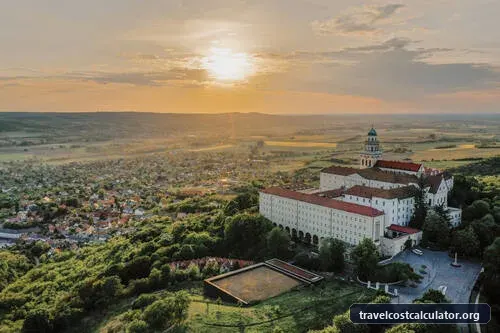
Millenary Benedictine Abbey of Pannonhalma and its Natural Environment
The first Benedictine monks settled here in 996. They went on to convert the Hungarians, to found the country's first school and, in 1055, to write the first document in Hungarian. From the time of its founding...
Millenary Benedictine Abbey of Pannonhalma and its Natural Environment
🏛️ Overview & Historical Significance
Perched high atop Saint Martin’s Hill (Mons Sacer Pannoniae) overlooking the rolling vineyards and forests of western Hungary, the Millenary Benedictine Abbey of Pannonhalma stands as one of the country's most revered spiritual and cultural landmarks. Founded in 996 AD by Grand Prince Géza—the father of Saint Stephen, Hungary’s first Christian king—Pannonhalma is the birth site of Hungarian Christianity and has maintained an unbroken monastic tradition for over a millennium.
In 1996, on the occasion of its 1,000th anniversary, UNESCO inscribed the Millenary Benedictine Abbey of Pannonhalma and its Natural Environment onto the World Heritage list. The designation recognizes not only the magnificent architectural ensemble—which showcases an extraordinary timeline of Romanesque, Gothic, Renaissance, Baroque, and Neoclassical styles—but also the harmony between the monastic community and its surrounding landscape. For centuries, the Benedictine monks have served as custodians of the local ecology, pioneering sustainable agriculture, viticulture, herbal medicine, and forestry.
Key highlights of the complex include:
-
✦
The Basilica and Crypt: Originally built in the 13th century on Romanesque foundations, featuring a stunning Gothic cloister and the iconic Porta Speciosa (Red Marble Portal). In 2012, British minimalist architect John Pawson completed a celebrated, subtle interior re-design that seamlessly marries modern acoustics and lighting with medieval stone.
-
✦
The Monumental Library: Designed in the 1830s by Neoclassical architects János Packh and József Hild, this cathedral of literature holds over 400,000 volumes, including priceless medieval manuscripts and the 1055 Charter of the Abbey of Tihany—the earliest surviving written document containing Hungarian words.
-
✦
The Arboretum and Herbal Garden: Spanning over 22 hectares, the botanical grounds house hundreds of rare tree species, medicinal plant gardens, lavender fields, and an active distillery where monks produce traditional essential oils, herbal teas, and liqueurs.
-
✦
Pannonhalma Abbey Winery (Pannonhalmi Apátsági Pincészet): A modern revitalization of the abbey's ancient winemaking heritage, producing internationally acclaimed Rhine Riesling, Sauvignon Blanc, and Pinot Noir across 50 hectares of estate vineyards.
🎟️ Entrance Fees, Opening Hours & Ticket Booking Tips
Visiting Pannonhalma Archabbey requires planning, as ticket options vary depending on whether you wish to explore independently with an audio guide, join a specialized guided tour, or include wine tasting and botanical garden entries in your itinerary. Below are the updated estimated prices and schedules for 2026.
Estimated 2026 Ticket Prices
-
✦
Standard Combined Abbey Ticket (Adult): 6,200 HUF (approx. $17.00 USD / €15.50 EUR). Includes access to the Basilica, Crypt, Cloister, Neoclassical Library, Arboretum, Herbal Garden, and a downloadable audio guide app.
-
✦
Discounted Ticket (Students & Seniors 65+): 3,500 HUF (approx. $9.50 USD / €8.75 EUR). Valid ID required at entry.
-
✦
Family Ticket (2 Adults + up to 3 Children): 14,500 HUF (approx. $39.50 USD / €36.00 EUR).
-
✦
Winery Tour & Guided Tasting (3–5 Wines): 8,500 HUF – 13,000 HUF (approx. $23.00 – $35.00 USD / €21.00 – €32.50 EUR). *Must be booked separately or added as a bundle.*
-
✦
Boldog Mór Canopy Walkway (Lombkorona tanösvény): Free admission (located just outside the main abbey wall along the forest trail).
2026 Opening Hours
-
✦
High Season (May 1 – September 30): Daily from 9:00 AM to 6:00 PM (Last admission at 5:00 PM).
-
✦
Shoulder Season (April & October): Tuesday to Sunday from 10:00 AM to 5:00 PM (Closed Mondays).
-
✦
Winter Season (November 1 – March 31): Tuesday to Sunday from 10:00 AM to 3:00 PM (Closed Mondays).
Insider Ticket Booking Tips: To avoid waiting in line during peak summer weekends, purchase your skip-the-line tickets online via the official Benedictine portal (bences.hu). Download the official Pannonhalma Audio Guide smartphone application on your device before arriving, as cellular signal can occasionally drop inside the thick medieval stone walls of the crypt. If you plan to tour the winery, reserve your slot at least 2–3 weeks in advance, as tasting groups are strictly capped to preserve an intimate experience.
🚌 How to Get There & Local Transit Costs
Pannonhalma is located in northwestern Hungary, roughly 20 kilometers south of the historic regional hub city of Győr and 120 kilometers west of Budapest Travel Budget. It is easily accessible by public transport or private vehicle.
Option 1: Travel via Győr (Fastest & Most Recommended Public Route)
Győr serves as the main transit gateway for visitors traveling from Budapest, Vienna Travel Budget, or Bratislava Travel Budget.
-
✦
Step 1 (Train to Győr): Take an MÁV-Start InterCity or ÖBB Railjet train from Budapest Keleti or Budapest Kelenföld station to Győr Central Station. Journey time is approximately 75 minutes. Fares cost 2,800 HUF – 4,200 HUF (approx. $7.50 – $11.50 USD) each way.
-
✦
Step 2 (Bus from Győr to Pannonhalma): Walk 2 minutes from Győr train station to the adjacent Volánbusz Bus Terminal. Board the regional bus running toward Pannonhalma, apátság (Abbey stop). Buses depart every 30 to 60 minutes throughout the day. Journey time is 35 minutes, and a one-way ticket costs approximately 750 HUF (approx. $2.00 USD / €1.90 EUR). The bus drops you directly at the foot of the Abbey hill.
Option 2: Direct Regional Train to Pannonhalma Station
Regional passenger trains connect Győr directly to Pannonhalma railway station (25-minute train ride, ~500 HUF / $1.35 USD). However, note that Pannonhalma train station is located down in the valley, approximately 2 kilometers from the complex. Getting to the abbey requires a steep 25-minute uphill walk or a short taxi ride, making the direct Volánbusz bus option far more convenient.
Option 3: Driving or Rental Car
If driving from Budapest, take the M1 Motorway west toward Győr/Vienna, exiting at Junction 119 onto Route 82 southbound directly to Pannonhalma (total drive time: 1 hour 15 minutes). Ensure your vehicle has a valid Hungarian e-vignette (10-day vignette costs 6,400 HUF / ~$17.50 USD in 2026). Paid parking is available at the Visitor Center at the base of the abbey grounds for roughly 600 HUF per hour (~$1.60 USD).
📸 Best Photography Spots & Insider Visit Hacks
Pannonhalma offers a stunning contrast between centuries-old architecture, geometric Neoclassical interiors, and lush naturally terraced hillsides. To capture the best visuals and optimize your visit, keep these professional tips in mind:
Top Photography Angles
-
✦
The Neoclassical Library Central Aisle: Stand at the entrance of the main hall to frame the grand wooden galleries, marble-patterned floor, and the impressive oval ceiling fresco painted by Joseph Klieber. *Note: Tripods and flash photography are strictly prohibited.*
-
✦
Porta Speciosa (Red Marble Portal): Use a wide-angle lens to capture the intricate carved arches of this 13th-century red marble entrance leading into the Basilica sanctuary.
-
✦
Boldog Mór Canopy Walkway: Walk out to the fish-shaped cantilevered wooden viewing platform suspended high above the forest canopy. It offers panoramic shots of the Abbey silhouette against the Sokoró hills.
-
✦
Lavender Fields & Herbal Gardens: Position yourself low among the purple lavender rows (peak bloom occurs from mid-June through early July) looking uphill toward the abbey towers.
Insider Hacks to Avoid Crowds
-
✦
Arrive Early or Late: Tour buses arriving from Budapest typically land between 11:00 AM and 2:00 PM. Plan your arrival for 9:00 AM when the gates open, or visit around 3:30 PM to enjoy quiet spaces during the golden evening light.
-
✦
Dine at Viator Abbey Restaurant: Located right at the visitor entrance, Viator offers fine-dining takes on regional Hungarian classics paired with abbey wines. Book lunch reservations in advance to secure a window table overlooking the valley.
-
✦
Sample Benedictine Craft Products: Don't leave without visiting the Abbey Shop to sample their artisanal craft beers (brewed on-site according to historical monastic recipes), lavender gin, and herbal teas distilled directly from the botanical gardens.
🏨 Nearby Accommodation & Daily Budget Allocation
While Pannonhalma can easily be visited as a day trip from Budapest or Győr, spending the night nearby allows you to experience the serene tranquility of the hilltop after day-trippers depart.
Recommended Accommodations
-
✦
Budget ($35 – $65 USD / night): Triangulum Hospitium (Pannonhalma Abbey Guesthouse) – Simple, spotless, and peaceful rooms situated on abbey grounds, ideal for budget travelers seeking a authentic spiritual atmosphere. Alternatively, budget hostels in central Győr.
-
✦
Mid-Range ($85 – $140 USD / night): Hotel Benedictus (Pannonhalma) – A modern boutique hotel located within short walking distance of the abbey gates, offering panoramic views and comfortable amenities. In Győr, consider the classic Danubius Hotel Rába.
-
✦
Luxury / Boutique ($190 – $280 USD / night): Luxury boutique stay at Vital Hotel Nautis or premium thermal spa resorts in the nearby Győr-Moson-Sopron countryside, paired with private wine tour transfers.
Estimated Daily Travel Budgets (Per Person for 2026)
1. Backpacker Budget Planner: ~$55 USD / day (~20,000 HUF)
-
✦
Transport: Round-trip train & regional bus from Budapest/Győr ($15 USD)
-
✦
Attractions: Standard entry ticket + Audio Guide ($17 USD)
-
✦
Meals: Bistro lunch / bakery items & street food ($13 USD)
-
✦
Stay: Shared dorm or budget guesthouse room ($10 USD equivalent per person shared)
2. Mid-Range Budget: ~$165 USD / day (~60,000 HUF)
-
✦
Transport: Express InterCity rail + local buses ($20 USD)
-
✦
Attractions: Combined entry + Winery tasting tour ($45 USD)
-
✦
Meals: Lunch at Viator Restaurant + casual dinner ($40 USD)
-
✦
Stay: 3-star boutique hotel in Pannonhalma or Győr ($60 USD per person dual occupant)
3. Luxury Budget: ~$380+ USD / day (~138,000+ HUF)
-
✦
Transport: Private driver transfer from Budapest ($120 USD)
-
✦
Attractions: Private guided historical tour + VIP cellar tasting menu ($90 USD)
-
✦
Meals: Gourmet multi-course wine-pairing dinner ($70 USD)
-
✦
Stay: Premium hotel suite or luxury thermal resort ($100+ USD per person)
Frequently Asked Questions
Essential visitor FAQs for Millenary Benedictine Abbey of Pannonhalma and its Natural Environment
What is the entrance fee for Millenary Benedictine Abbey of Pannonhalma and its Natural Environment?
How much time do you need to explore Millenary Benedictine Abbey of Pannonhalma and its Natural Environment?
How do I get to Millenary Benedictine Abbey of Pannonhalma and its Natural Environment from the nearest city?
📊 Heritage Quick Specs
Visiting Hungary on a Budget?
Calculate your full daily travel budget for Hungary — including hotel costs, local transport, food, and sightseeing expenses.
View Hungary Daily Travel Costs →Explore more UNESCO World Heritage Sites
🏛️ All 1,200+ Heritage Sites →