
 Ethiopia
Lower Valley of the Omo
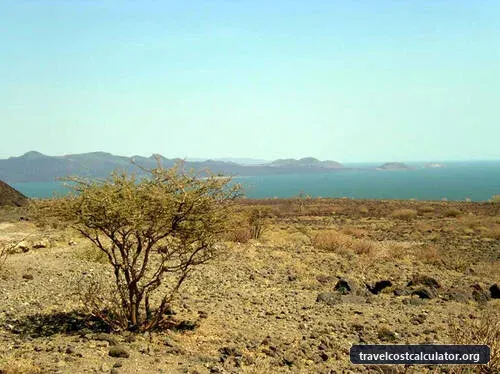
A prehistoric site near Lake Turkana, the lower valley of the Omo is renowned the world over. The discovery of many fossils there, especially Homo gracilis, has been of fundamental importance in the study of human evolution.
Lower Valley of the Omo
🏛️ Overview & Historical Significance
Located in southwestern Ethiopia, the Lower Valley of the Omo is one of the most culturally diverse and prehistorically significant regions on Earth. Recognized globally for its extraordinary contribution to the understanding of human evolution, the site was officially inscribed as a UNESCO World Heritage site in 1980. The river basin stretches down toward Lake Turkana, encapsulating a dramatic landscape of volcanic outcrops, savannahs, and riverine forests that have preserved pivotal chapters of world history for millions of years.
The historical significance of the Omo Valley rests on two distinct pillars: palaeoanthropological discoveries and living cultural anthropology.
-
✦
Palaeontological Importance: The valley is a treasure trove of fossilized hominid remains. Systematic excavations near the Omo River have uncovered fossilized hominid specimens dating from 2.4 to 1.1 million years ago, including early hominids such as Australopithecus. Most famously, the discovery of the Omo I and Omo II fossils provided critical evidence of early anatomically modern humans (Homo sapiens), dating back approximately 195,000 to 233,000 years. These discoveries solidify Ethiopia's status as the cradle of humankind.
-
✦
Living Anthropological Heritage: Beyond its ancient fossils, the Lower Omo Valley is home to more than a dozen indigenous ethnic groups—including the Mursi, Hamar, Karo, Dassanech, Nyangatom, and Suri. Each group retains distinct socio-cultural practices, body ornamentation art, age-grade systems, and pastoral traditions that have endured for centuries.
As of 2026, visiting the Lower Valley of the Omo offers a rare dual experience: stepping directly into human deep history while engaging with some of Africa's most visually stunning indigenous cultures. However, visitors must approach the region with high cultural sensitivity and ethical awareness, recognizing the delicate balance between modern development, local rights, and historic preservation.
🎟️ Entrance Fees, Opening Hours & Ticket Booking Tips
Exploring the Lower Valley of the Omo is not like visiting a standard enclosed monument. The heritage zone covers thousands of square kilometers encompassing national parks, community territories, and ancestral villages. Logistics and costs involve a combination of government park permits, village entry fees, local scout fees, and guide tariffs.
2026 Estimated Costs & Fee Breakdown
-
✦
Mago / Omo National Park Entrance Fee: 800 ETB (~$6.50 USD) per person, per day. Vehicles incur a nominal park entry fee of around 300 ETB (~$2.50 USD).
-
✦
Individual Village Access Fees: Each tribal village (such as a Mursi settlement in Mago, a Karo village in Korcho, or a Hamar compound near Turmi) charges a community admission fee set by local elders. Expect to pay between 600 ETB and 1,200 ETB ($5.00 – $10.00 USD) per person per village visit.
-
✦
Mandatory Local Scout & Community Guide Fees: For safety and village navigation, hiring a local village scout or community guide is compulsory. Rates range from 1,500 ETB to 2,500 ETB ($12.00 – $20.00 USD) per day for your group.
-
✦
Photography Fees & Etiquette: Historically, portrait photography was billed per click. In 2026, most organized trips arrange a daily community photo token fee or a flat charge negotiated per person photo session (typically 20 ETB to 50 ETB / ~$0.20 to $0.40 USD per subject per photo). Always request explicit consent before taking photos.
Opening Hours & Logistics Tips
There are no rigid main gates or online ticket booking systems for the entire valley. Village accessibility typically follows daylight hours: 6:30 AM to 6:00 PM daily. To ensure smooth visits, keep the following tips in mind:
-
✦
Cash is Essential: ATMs in regional hubs like Jinka and Turmi are notoriously unreliable and do not issue foreign currency exchange. Carry all estimated fees in crisp, lower-denomination Ethiopian Birr (ETB) cash notes obtained in Addis Ababa Travel Budget.
-
✦
Hire Official Local Guides: Book local guides accredited by the regional tourism office in Jinka or Turmi. This guarantees fair distribution of tourist revenue directly into the host communities.
🚌 How to Get There & Local Transit Costs
Reaching the Lower Valley of the Omo requires careful planning, as the region sits in the far southwest of Ethiopia. The ultimate jumping-off points for exploration are the regional hub towns of Jinka and Turmi.
Step 1: Travel from Addis Ababa to Jinka
The fastest and most reliable route to the Omo Valley is flying from Addis Ababa (Bole International Airport - ADD) to Jinka Airport (BCO) via Ethiopian Airlines.
-
✦
Domestic Flights (2026 Rates): Approximately 1 hour 10 minutes. A round-trip Flight Cost Estimator between $140 USD and $240 USD. Insider Tip: If your international flight into Ethiopia was booked via Ethiopian Airlines, domestic airfares are discounted by up to 40-50%.
-
✦
Overland Public Bus (Budget Option): Long-distance public buses run from Addis Ababa to Arba Minch, then onwards to Jinka. This trip takes 2 full days across rugged terrain. Bus tickets cost around 1,800 to 2,500 ETB (~$15 – $20 USD) total, but this option is physically demanding and recommended only for seasoned budget backpackers with ample time.
Step 2: Local Transit within the Valley
Public transport between tribal villages in the valley is non-existent. Renting a 4WD vehicle with a professional driver is essential to navigate unpaved, corrugated dirt roads and dry riverbeds (wadis).
-
✦
Private 4WD Rental (Toyota Land Cruiser): In 2026, renting a rugged 4WD vehicle with a driver and fuel included costs between $160 USD and $230 USD per day. Splitting this cost among 3 to 4 travelers makes it significantly more affordable.
-
✦
Motorbike Taxis (Short Trips): For short local travel between Jinka town and nearby Ari villages, local motorbike taxis cost around 200 to 400 ETB (~$1.50 – $3.00 USD) per trip.
📸 Best Photography Spots & Insider Visit Hacks
The Omo Valley is a world-renowned destination for cultural and landscape portraiture. Capturing respectful, high-quality images requires timing, ethical awareness, and geographic precision.
Prime Photography Locations
-
✦
Korcho Village (Karo Tribe): Perched high on a cliff edge overlooking a sweeping bend in the Omo River, Korcho offers arguably the single most dramatic landscape-meets-culture photo backdrop in East Africa. Ideal light occurs during early morning (7:00 AM – 9:00 AM).
-
✦
Key Afer Weekly Market (Thursday): A vibrant cultural nexus where the Benna, Hamar, and Tsemai communities gather to trade produce and livestock. It offers brilliant candid documentary photography opportunities without feeling intrusive.
-
✦
Turmi Hinterlands (Hamar Village): Soft, golden-hour light between 4:30 PM and 6:00 PM highlights the intricate hair braids (coiffures) and cowrie shell jewelry of the Hamar people.
Seasonal Considerations & Crowd Avoidance
The weather drastically impacts transport and accessibility throughout the year:
-
✦
Dry Seasons (Best Time to Visit Planner): June through September and December through February offer clear skies, manageable dirt roads, and minimal flood risks.
-
✦
Rainy Seasons (Avoid if Possible): March through May brings heavy downpours that turn dirt tracks into impassable clay mud and swell dry riverbeds, blocking vehicle routes.
Insider Hacks for a Meaningful Visit
1. Respectful Photography Etiquette: Always initiate a friendly conversation or greeting (such as "Nagaa" in the local language) before pulling out a camera lens. Make eye contact, build rapport through your guide, and show the photo on your camera display to your subjects after taking it.
2. Witnessing a Bull-Jumping Ceremony: The Hamar ritual pass of manhood (the Ukuli or bull jump) is an extraordinary cultural event. These are non-tourist-scheduled ceremonies; ask your local guide in Turmi upon arrival if a legitimate village ceremony is occurring. Expect to pay a witness fee of roughly 1,500 ETB (~$12 USD).
🏨 Nearby Accommodation & Daily Budget Allocation
Base yourself in either Jinka (ideal for visiting the Mursi, Ari, and the Jinka Museum) or Turmi (ideal for Karo, Hamar, and Dassanech villages). Accommodation options range from basic community campsites to comfortable eco-lodges.
Accommodation Options
-
✦
Budget Lodging & Campsites ($15 – $40 USD / night): Campsites like Buska Camping in Turmi or basic guesthouses in Jinka offer basic rooms, mosquito nets, shared bucket showers, or space to pitch a tent. Ideal for independent budget travelers.
-
✦
Mid-Range Eco-Lodges ($90 – $180 USD / night): Properties such as Eco-Omo Safari Lodge (Jinka), Buska Lodge (Turmi), or Lale's Camp offer solid private bungalows, solar electricity, hot water, en-suite bathrooms, and on-site dining.
-
✦
Luxury / Boutique Safari Camps ($300+ USD / night): Exclusive mobile tented camps operating along the banks of the Omo River provide full-service luxury amenities and private charter access.
Dining Costs
In local village eateries in Jinka or Turmi, traditional Ethiopian dishes like injera with shiro or tibs cost between 200 ETB and 400 ETB (~$1.50 – $3.20 USD). Dining at eco-lodges typically features multi-course international buffet meals priced at $12 to $22 USD per meal.
Sample Daily Travel Budgets (2026 Estimates)
-
✦
Shoestring Backpacker Budget Planner: $45 – $70 USD per day (Using shared public transit where possible, staying in basic guesthouses, eating local Ethiopian food, and splitting village guide costs with a group).
-
✦
Mid-Range Comfort Budget: $180 – $280 USD per day (Private 4WD vehicle Split Travel Budget between 2–3 people, mid-range eco-lodge accommodation, full local guide team, and village entrance fees).
-
✦
All-Inclusive Luxury Tour: $450+ USD per day (Fly-in private safari, top-tier safari lodges, private drivers, tailored tribal visits, and full meal plans).
Frequently Asked Questions
Essential visitor FAQs for Lower Valley of the Omo
What is the entrance fee for Lower Valley of the Omo?
How much time do you need to explore Lower Valley of the Omo?
How do I get to Lower Valley of the Omo from the nearest city?
📊 Heritage Quick Specs
Visiting Ethiopia on a Budget?
Calculate your full daily travel budget for Ethiopia — including hotel costs, local transport, food, and sightseeing expenses.
View Ethiopia Daily Travel Costs →Explore more UNESCO World Heritage Sites
🏛️ All 1,200+ Heritage Sites →