
 Peru
Peru
Lines and Geoglyphs of Nasca and Palpa
Located in the arid Peruvian coastal plain, some 400 km south of Lima, the geoglyphs of Nasca and the pampas of Jumana cover about 450 km2 .
Lines and Geoglyphs of Nasca and Palpa
🏛️ Overview & Historical Significance
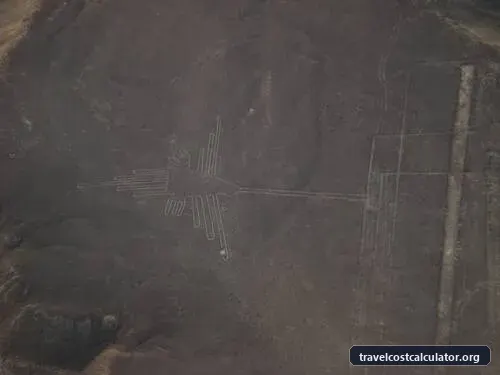
Inscribed as a UNESCO World Heritage site in 1994, the Lines and Geoglyphs of Nasca and Palpa cover roughly 450 square kilometers of Peru's arid southern coastal desert. Created between 500 BCE and 500 CE by the Paracas and Nasca civilizations, these colossal ground drawings remain one of archaeology's most enduring and breathtaking enigmas. While the world-famous Nasca geoglyphs feature immense geometric shapes, straight lines stretching across miles of desert plateau, and iconic zoomorphic figures like the Hummingbird, Monkey, Spider, and Condor, the lesser-known but older Palpa geoglyphs—developed predominantly by the earlier Paracas culture—depict intricate human-like figures, warriors, and family groups etched into hillside terrain.
The engineering technique behind these monuments is deceptively simple yet brilliantly enduring. Ancient workers removed the dark reddish-brown, iron-oxide-coated pebbles that cover the desert surface (known as desert varnish), exposing the bright, light-colored gypsum soil beneath. Thanks to the Hyper-arid climate of the Peruvian desert—which experiences virtually no rain, minimal wind at ground level, and little erosion—these fragile figures have survived preserved for over two millennia.
German-born mathematician and archaeologist Dr. Maria Reiche spent over 40 years measuring, mapping, and fiercely protecting these lines. Reiche posited that the geoglyphs functioned as a vast astronomical calendar intended to track solstice alignments and agricultural cycles. Modern archaeological consensus expands on this theory: researchers now largely agree that the lines were sacred ceremonial pathways associated with water rituals and fertility rites in an exceptionally dry landscape, where ritual processions walked along the shapes to invoke divine blessings for desert agriculture. UNESCO designated the region a World Heritage site due to its exceptional artistic quality, unique cultural tradition, and unmatched scale.
🎟️ Entrance Fees, Opening Hours & Ticket Booking Tips
Visiting the geoglyphs requires choosing between an aerial overflight, ground-level observation towers, or local site museums. Because the site is spread across an open desert plateau, there is no single "park gate" ticket; instead, costs depend on your chosen viewing experience. Below are the estimated baseline logistics and pricing updated for 2026.
1. Sightseeing Overflights (Maria Reiche Airport - NAS)
The definitive way to appreciate the grand scale of the figures is by small light aircraft (Cessna 172 or 208 Grand Caravan, seating 2 to 12 passengers). Flights operate daily from 07:00 AM to 04:30 PM, subject to weather and morning fog conditions.
-
✦
Classic Nasca Lines Overflight (30–35 minutes): $80 – $120 USD (approx. 300 – 450 PEN) per person. Covers the 12 to 14 main classical figures (Monkey, Hummingbird, Condor, Spider, Astronaut, etc.).
-
✦
Combined Nasca & Palpa Lines Overflight (55–60 minutes): $140 – $180 USD (approx. 525 – 675 PEN) per person. Includes both traditional Nasca figures and the older hillside geoglyphs of Palpa.
-
✦
TUUA Airfield Departure Tax (Mandatory): 30 PEN (approx. $8 USD) per passenger, payable in cash (PEN or USD) or credit card directly at the Maria Reiche Airport counter before boarding.
2. Ground Observation Towers & Museums
-
✦
Nasca Lines Mirador Tower (Torre Mirador de Nasca): 5 PEN (approx. $1.35 USD). Located on the Pan-American Highway (km 425). Open daily from 08:00 AM to 05:00 PM. Offers a 13-meter-high vantage point of the Tree, Hands, and Lizard figures.
-
✦
Palpa Lines Mirador Tower (Mirador de Palpa): 5 PEN (approx. $1.35 USD). Located near Palpa (km 395 of the Pan-American Highway). Provides views of the Paracas "Family" geoglyphs etched on the hillside.
-
✦
Maria Reiche House-Museum (San José): 15 PEN (approx. $4.00 USD). Located at km 421 of the Pan-American Highway. Displays Reiche's original tools, maps, and grave site. Open Tuesday–Sunday, 09:00 AM to 05:00 PM.
-
✦
Antonini Archaeological Museum (Nazca Town): 20 PEN (approx. $5.50 USD). Excellent indoor museum showing artifacts, mummies, and hydraulic canal maps. Open daily 09:00 AM to 07:00 PM.
Insider Booking & Safety Tips for 2026
-
✦
Reserve Flights Early for Morning Slots: Thermal winds rise rapidly by midday, creating severe turbulence and flight delays. Secure a flight scheduled between 07:30 AM and 10:30 AM for maximum stability and clearer atmospheric conditions.
-
✦
Strict Weight & Identity Controls: Passengers are weighed at check-in to balance small aircraft. Carry your original physical passport—digital copies or driver's licenses are rejected at security. Overweight baggage or exceeding passenger weight allowances may incur additional surcharges ($15–$30 USD).
-
✦
Choose Certified Air Operators: Ensure your booking is with licensed operators holding updated Peruvian DGAC certification (e.g., AeroNasca, Movil Air, Alas Peruanas). Safety regulations strictly require two pilots on every commercial passenger flight.
🚌 How to Get There & Local Transit Costs
Nazca is located in southern Peru, approximately 450 km (280 miles) south of Lima Travel Budget along the South Pan-American Highway (Carretera Panamericana Sur Travel Budget). There are currently no regular commercial long-distance passenger flights into Nazca’s Maria Reiche Airport; all travelers arrive via high-quality intercity buses or private vehicles.
1. Traveling by Express Bus from Major Hubs
-
✦
From Lima to Nazca: Journey time is approximately 7.5 to 8.5 hours. Premium express long-distance bus operators (such as Cruz del Sur, Peru Hop, or Civa) charge between $20 and $38 USD (75 – 140 PEN) one-way, depending on seat selection (160° vs. 180° lie-flat bus-cama seats).
-
✦
From Ica / Huacachina to Nazca: Journey time is 2.5 to 3 hours. Regional buses or shared vans cost approximately $7 to $12 USD (25 – 45 PEN) per ticket.
-
✦
From Arequipa Travel Budget to Nazca: Overnight sleeper buses take 9 to 10 hours winding down the southern coast. Fares range from $22 to $42 USD (80 – 160 PEN).
2. Local Transit & Airfield Transfers
-
✦
Taxi from Nazca Town Center to Maria Reiche Airport: The airport is located 5 km north of town along the Pan-American Highway. A standard private taxi costs 12 to 18 PEN ($3.20 – $4.80 USD) one-way.
-
✦
Taxi to the Mirador Tower & Palpa: Hiring a private taxi for a half-day excursion to cover the Maria Reiche Museum, the Nasca Mirador Tower, and the Palpa viewing tower costs approximately 120 to 180 PEN ($32 – $48 USD) after negotiation.
-
✦
Local Colectivo (Shared Minibus): Minibuses departing from Nazca's central market toward Palpa stop at the Mirador Tower for 4 to 6 PEN ($1.10 – $1.60 USD) per segment.
📸 Best Photography Spots & Insider Visit Hacks
Photographing the Nasca and Palpa geoglyphs from the air presents unique artistic and technical challenges. Because small planes steepen their bank angles to 45 degrees so passengers on both sides can view each figure, physical comfort and proper camera preparation are essential.
Top Photography Locations
-
✦
Overflight Window Position: The ultimate perspective. Request a seat right behind the pilot's cabin on high-wing aircraft (such as the Cessna Grand Caravan) where wing struts do not block your downward line of sight.
-
✦
Torre Mirador de Nasca: Provides intimate, low-angle ground-level photography of the Tree (Arbol) and Hands (Manos) geoglyphs. Great for showcasing the depth of the incisions in the desert floor.
-
✦
Mirador de Palpa: Offers an elevation overlooking steep hillsides, making it far easier to photograph human figures—such as the Paracas Family—without needing an aerial drone (drones are strictly regulated and prohibited over UNESCO zones without special Ministry of Culture permits).
Technical & Practical Hacks
-
✦
Camera Settings for Aircraft Photography: Set your shutter speed to at least 1/1000s or faster to eliminate engine vibration and aircraft motion blur. Use a versatile zoom lens (24–70mm full-frame equivalent); telephoto lenses over 200mm are difficult to stabilize inside a moving cockpit. Attach a Circular Polarizing Filter (CPL) to cut through haze and reduce harsh desert sun reflection off the aircraft window.
-
✦
Beat Motion Sickness: Small planes make tight spiraling turns around figures to give both left- and right-side passengers a clear view. Take motion sickness medication (e.g., dimenhydrinate/Dramamine) 30 to 45 minutes before departure. Eat a very light meal beforehand, avoid carbonated drinks, and keep your vision focused through your camera viewfinder or out the window rather than on a smartphone screen.
-
✦
Optimal Lighting Hours: Book flights during early morning hours (07:30 to 09:30 AM). Low sun angles create soft side shadows inside the etched shallow trenches, dramatically improving contrast and making geoglyphs pop in your photos compared to washed-out mid-day sun.
🏨 Nearby Accommodation & Daily Budget Allocation
Most travelers base themselves in the city of Nazca (or nearby desert oases in Ica). The city provides a wide variety of tourist infrastructure, from budget traveler hostals to charming boutique haciendas surrounded by farmland.
Accommodation Options (2026 Rates)
-
✦
Budget (Hostels & Guesthouses): $12 – $25 USD (45 – 95 PEN) per night for a dorm bed or basic private room with shared bath. Recommended options: Nazca Transit Hostel, Hospedaje El Jardin.
-
✦
Mid-Range (Comfort & Pools): $45 – $85 USD (170 – 320 PEN) per night for a private en-suite room with breakfast, air conditioning, and a swimming pool (essential for Nazca's dry heat). Recommended options: Casa Andina Standard Nasca, Hotel DM Nasca (the historic former residence of Maria Reiche).
-
✦
Luxury / Boutique (Haciendas): $130 – $240 USD (490 – 900 PEN) per night. Sprawling desert resorts offering lush gardens, high-end dining, and tranquil spas. Recommended options: Hotel Majoro, Hacienda Cantayo Spa & Resort.
Food & Dining Expenses
-
✦
Local Lunch Menu (Menú del Día): 12 – 20 PEN ($3.20 – $5.40 USD) for a two-course local meal including soup, main dish (like Lomo Saltado or Seco de Cabrito), and a drink.
-
✦
Mid-Range Restaurant Dinner: 40 – 75 PEN ($11 – $20 USD) per main dish at tourist-centric spots near the Plaza de Armas.
Sample Daily Budget Breakdown for 2026
To help plan your trip finances effectively, review these estimated daily budget allocations (excluding one-off overflight costs):
-
✦
Backpacker Budget Planner: $35 – $48 USD / day
- Dorm bed / basic hostal: $15
-
✦
Local street meals / Menú del día: $12
-
✦
Local buses & Mirador Tower entry: $5
-
✦
Sundries / Water: $3 - $6
- 3-Star Hotel with pool: $60 (shared between two)
- Boutique Hacienda resort: $180
Frequently Asked Questions
Essential visitor FAQs for Lines and Geoglyphs of Nasca and Palpa
What is the entrance fee for Lines and Geoglyphs of Nasca and Palpa?
How much time do you need to explore Lines and Geoglyphs of Nasca and Palpa?
How do I get to Lines and Geoglyphs of Nasca and Palpa from the nearest city?
📊 Heritage Quick Specs
Visiting Peru on a Budget?
Calculate your full daily travel budget for Peru — including hotel costs, local transport, food, and sightseeing expenses.
View Peru Daily Travel Costs →Explore more UNESCO World Heritage Sites
🏛️ All 1,200+ Heritage Sites →