
 India
India
Keoladeo National Park
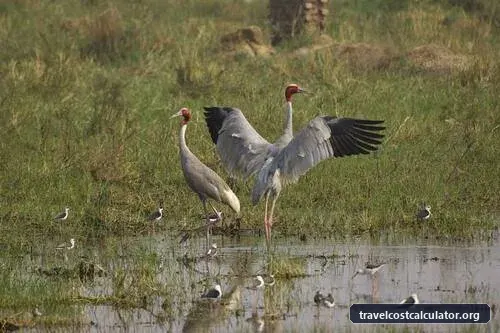
This former duck-hunting reserve of the Maharajas is one of the major wintering areas for large numbers of aquatic birds from Afghanistan, Turkmenistan, China and Siberia.
Keoladeo National Park
1. 🏛️ Overview & Historical Significance
Nestled in the eastern sector of Rajasthan, Keoladeo National Park—formerly known as the Bharatpur Bird Sanctuary—is one of the world's most extraordinary avian habitats. Spanning a modest 29 square kilometers, this mosaic of dry grasslands, woodlands, and shallow seasonal wetlands supports over 370 recorded bird species, dozens of mammal species, and a dense population of reptiles. In 1985, UNESCO inscribed Keoladeo as a World Heritage Site under Criterion (x), recognizing it as an ecosystem of paramount universal value for in-situ conservation of biological diversity.
What makes Keoladeo unique among global natural heritage sites is its human-engineered origins. In the mid-18th century, Maharaja Suraj Mal of Bharatpur constructed the Ajan Bund dam at the confluence of the Gambhir and Banganga rivers. The artificial flooding transformed a natural depression into a thriving wetland reserve. For nearly two centuries, the area served as an exclusive waterfowl hunting estate for the Maharajas and British colonial elites. Monoliths inside the park still commemorate notorious record-breaking shoots, including a single day in 1938 when Lord Linlithgow and his party slaughtered over 4,200 birds.
Recognizing its immense ecological fragility, duck shooting was phased out after Indian independence. The sanctuary was declared a national park in 1982, a designated Ramsar Site in 1981, and achieved UNESCO World Heritage status in 1985. Historically famous as the primary wintering ground for the critically endangered central population of the Siberian Crane (Leucogeranus leucogeranus), today the park remains a vital migratory stopover along the Central Asian Flyway. During the autumn and winter months, thousands of migratory waterfowl—including Greylag Geese, Bar-headed Geese, Pintails, and Pelican species—join vast resident breeding colonies of Painted Storks, Spoonbills, and Egrets.
2. 🎟️ Entrance Fees, Opening Hours & Ticket Booking Tips
Planning your visit in 2026 requires understanding entry tier structures, camera levies, and inside-the-park transportation charges. The park is managed by the Rajasthan Forest Department, and entry tickets can be purchased at the main entrance gate or pre-booked online via the official Rajasthan Single Sign-On (SSO) tourism portal.
2026 Estimated Entrance Fees
-
✦
Foreign Nationals: ₹1,300 INR (~$15.50 USD) per person
-
✦
Indian Citizens: ₹140 INR (~$1.70 USD) per person
-
✦
Students (Indian with Valid ID): ₹40 INR (~$0.50 USD) per person
-
✦
Handheld Still Cameras: Included with entry ticket (Professional commercial film/video gear incurs a heavy separate fee starting at ₹750 INR / ~$9 USD).
Park Internal Transit Costs (2026 Standardized Rates)
Motor vehicles are strictly banned past the main entry gate to preserve the tranquil ecosystem. Visitors have four eco-friendly modes of exploring the park's 11-kilometer main paved trail and side tracks:
-
✦
Bicycle Rental: ~₹120 – ₹150 INR ($1.45 – $1.80 USD) per day. Ideal for independent, budget-conscious travelers comfortable with pedaling.
-
✦
Cycle Rickshaw: ~₹250 – ₹300 INR ($3.00 – $3.60 USD) per hour. Highly recommended: Rickshaw pullers are registered by the forest department and trained as expert bird-spotters who know precise nesting locations.
-
✦
Electric Battery Carts (E-Rickshaws): ~₹700 – ₹800 INR ($8.40 – $9.60 USD) per hour for the entire cart (seats up to 4–6 passengers). Perfect for families, senior travelers, or heavy camera gear setups.
-
✦
Registered Professional Naturalist Guides: ~₹500 – ₹600 INR ($6.00 – $7.20 USD) per hour. Can be hired at the entry gate in addition to your transit option.
-
✦
Boat Rides (Seasonal): When water levels permit (typically August to November), short boat rides near the central marsh cost ~₹150 – ₹200 INR ($1.80 – $2.40 USD) per person per hour.
Opening Hours & Insider Booking Advice
Keoladeo is open 365 days a year from sunrise to sunset. In summer (April–September), gate hours run from 6:00 AM to 6:30 PM. In winter (October–March), hours shift from 6:30 AM to 5:00 PM.
Pro Booking Tip: Arrive at the ticketing counter 20 minutes before official sunrise to purchase your physical permit without delays. If visiting during peak birding season (December and January), pre-book your entrance online via the Rajasthan e-Services portal to bypass the ticket queue entirely, then secure your preferred Rickshaw guide directly outside the turnstiles.
3. 🚌 How to Get There & Local Transit Costs
Keoladeo National Park is located on the edge of Bharatpur city in eastern Rajasthan, right along India's famed "Golden Triangle" tourist circuit (Delhi–Agra–Jaipur Travel Budget). Its central location makes it exceptionally accessible by train, bus, or private vehicle.
By Train (The Fastest & Most Efficient Route)
Bharatpur Junction (BTE) is a major railway hub situated just 5 kilometers from the park entrance. It is directly connected to New Delhi Travel Budget, Agra, and Jaipur via frequent express and high-speed services.
-
✦
From New Delhi (NDLS / NZM): Take the Kota Jan Shatabdi Express or Vande Bharat Express. Travel time is 2.5 to 3 hours. Ticket prices range from ₹180 INR ($2.15 USD) for Second Class Seating to ₹850 INR ($10.20 USD) for AC Chair Car / 3AC.
-
✦
From Agra (AF / AGC): Multiple regional passenger and intercity trains connect Agra Fort to Bharatpur in just 45 to 60 minutes. Fares range between ₹60 INR ($0.70 USD) for general unreserved seating to ₹500 INR ($6.00 USD) for AC classes.
-
✦
From Jaipur (JP): Express trains take approximately 2.5 hours. Fares range from ₹150 INR ($1.80 USD) for non-AC sleeper to ₹700 INR ($8.40 USD) for AC Chair Car.
By Road & Private Taxi
-
✦
From Agra (55 km): Takes roughly 1 to 1.5 hours via the Bikaner–Agra Highway (NH 21). Private AC Taxis cost ~₹2,500 – ₹3,500 INR ($30 – $42 USD) one-way. State transport buses (RSRTC) depart every 30 minutes from Agra's Idgah Bus Stand for ~₹90 – ₹140 INR ($1.10 – $1.70 USD).
-
✦
From New Delhi (200 km): Takes roughly 3.5 to 4.0 hours via the Yamuna Expressway and Mathura. Private AC Taxis cost ~₹5,500 – ₹7,500 INR ($66 – $90 USD). Express buses from ISBT Sarai Kale Khan cost ~₹350 – ₹600 INR ($4.20 – $7.20 USD).
Local Transit from Bharatpur Junction to the Gate
Upon arrival at Bharatpur Junction railway station, auto-rickshaws (tuk-tuks) are readily available outside. A fixed-rate auto-rickshaw ride from the train station to the Keoladeo main entrance gate costs between ₹150 and ₹250 INR ($1.80 – $3.00 USD). Confirm the price before boarding.
4. 📸 Best Photography Spots & Insider Visit Hacks
Keoladeo is a photographer's paradise, offering close-up encounters with bird species that have grown accustomed to human presence along the paved pathways. However, capturing world-class wildlife photographs requires tactical planning.
Top Photography Locations Inside the Park
-
✦
Sunkal Mound & Python Point: Located roughly 3 km inside the park. During clear winter afternoons, this dry mound is famous for Indian Rock Pythons emerging from burrows to sunbathe on rocks alongside Grazing Deer and Monitor Lizards.
-
✦
Keoladeo Temple Area: Situated in the center of the park. The marshland surrounding the temple is a prime roosting zone for thousands of Painted Storks, Eurasian Spoonbills, and Cormorants. The wooden footbridges offer eye-level views of feeding behavior.
-
✦
Kadam Kunj & Nursery Wetlands: Outstanding spots early in the morning for capturing raptors (Greater Spotted Eagles, Imperial Eagles, Osprey) perched high on dead trees against the misty dawn sky.
-
✦
The Central Paved Pathway: The main 2.9 km stretch between the gate and the core marsh acts as a natural causeway flanked by water on both sides. It provides unparalleled low-angle shooting perspectives for duck species, Jacanas, and Kingfishers.
Optimal Timing & Seasonal Hacks
-
✦
Monsoon Breeding Season (August – October): Heavy rains fill the wetlands, triggering mass nesting among resident birds (Herons, Egrets, Storks). Tree canopies are packed with nests, chicks, and energetic parents.
-
✦
Winter Migratory Peak (November – February): The prime season for global birders. Hundreds of wintering species arrive from Siberia, Central Asia, and Tibet.
-
✦
Golden Hour Strategy: Winter dawns in Bharatpur are notoriously foggy. Heavy mist often lingers until 9:00 AM. Insider Hack: Use foggy mornings for moody, atmospheric silhouetted shots of perched raptors. Save high-shutter-speed flight photography for between 10:00 AM and 3:30 PM when direct sunlight illuminates the water.
-
✦
Gear Selection: A focal length of 300mm to 600mm is ideal for small waders and distant raptors. Bring a beanbag or monopod if riding in a cycle rickshaw; full tripods can be cumbersome inside narrower rickshaws.
5. 🏨 Nearby Accommodation & Daily Budget Allocation
Bharatpur offers options across all spending tiers, from rustic backpacker lodges right near the park gate to converted heritage palaces. Staying near the park entrance along Fatehabad / NH-21 road saves time for early-morning entry.
Recommended Accommodations
-
✦
Budget ($12 – $30 USD / night): Hotel Sunbird or Ibis Resort. Situated just 200–500 meters from the park gate, offering clean rooms, hot showers, bike rentals, and hearty breakfasts catered to early-rising birders.
-
✦
Mid-Range ($45 – $95 USD / night): The Birder’s Inn or Kadamb Kunj Resort. Charming eco-lodges with lush manicured gardens, swimming pools, expert internal naturalists, and delicious multi-cuisine buffets.
-
✦
Luxury Heritage ($140 – $270 USD / night): Laxmi Vilas Palace or Heritage Burja Haveli. Authentic 19th-century royal residences featuring grand Rajasthani architecture, antique décor, traditional folk music performances, and fine dining.
Dining Options Near the Park
Most travelers eat at their hotel restaurants. However, small cafes line the road outside the main gate, serving hot Masala Chai, fresh parathas, and simple North Indian Thalis for ₹150 – ₹300 INR ($1.80 – $3.60 USD). Inside the park, simple snacks, tea, and soft drinks are available at the government canteen near the Keoladeo Temple.
Estimated 2026 Daily Budget Breakdown
Below is a realistic daily travel budget per person (excluding major long-distance transit) when visiting Keoladeo National Park in 2026:
-
✦
Backpacker Tier (~$35 – $50 USD / ₹2,900 – ₹4,200 INR per day):
- Stay: Budget Guesthouse / Homestay ($18 USD)
-
✦
Park Entry: Foreign Permit ($15.50 USD)
-
✦
Internal Transport: Bicycle Rental ($1.50 USD)
-
✦
Food & Drinks: Local cafes and street stalls ($10 USD)
- Stay: 3-Star Eco-Lodge or Hotel ($65 USD)
- Stay: Heritage Palace Hotel ($220 USD)
Frequently Asked Questions
Essential visitor FAQs for Keoladeo National Park
What is the entrance fee for Keoladeo National Park in 2026?
How much time do you need to explore Keoladeo National Park?
How do I get to Keoladeo National Park from Agra or Delhi?
📊 Heritage Quick Specs
Visiting India on a Budget?
Calculate your full daily travel budget for India — including hotel costs, local transport, food, and sightseeing expenses.
View India Daily Travel Costs →Explore more UNESCO World Heritage Sites
🏛️ All 1,200+ Heritage Sites →