
 Tunisia
Kairouan
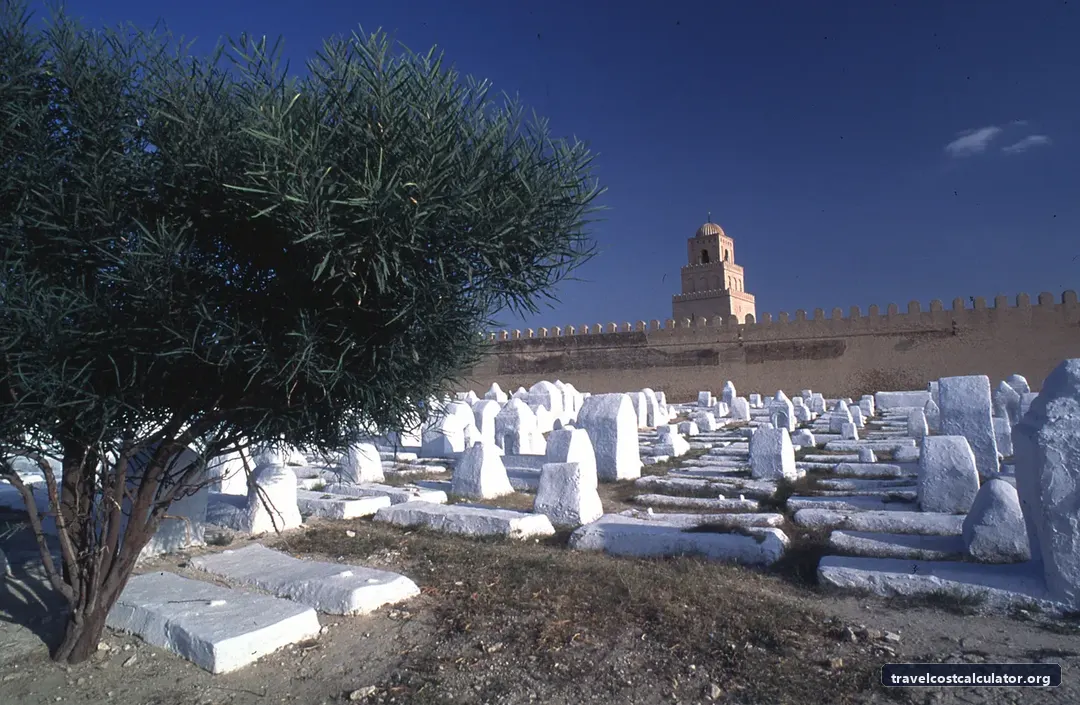
Founded in 670, Kairouan flourished under the Aghlabid dynasty in the 9th century. Despite the transfer of the political capital to Tunis in the 12th century, Kairouan remained the Maghreb's principal holy city...
Kairouan
🏛️ Overview & Historical Significance
Inscribed as a UNESCO World Heritage site in 1988, Kairouan (often spelled Qayrawan) stands as the spiritual and cultural heartland of Islamic North Africa. Founded in 670 AD by the Arab general Uqba ibn Nafi, Kairouan was established as a military outpost during the early Arab conquest of the Maghreb. It rapidly evolved into the primary capital of Ifriqya (modern-day Tunisia, eastern Algeria, and western Libya) under the Aghlabid Dynasty in the 9th century, becoming a beacon of scholarship, Islamic jurisprudence, medicine, and architecture.
Revered as the fourth holiest city in Islam (following Mecca Travel Budget, Medina Travel Budget, and Jerusalem Travel Budget), historic tradition held that seven pilgrimages to Kairouan carried the spiritual weight of one Hajj to Mecca for North African Muslims unable to make the arduous journey to Arabia. UNESCO recognized Kairouan not only for its profound religious history, but also for its exceptionally preserved architectural urban fabric, which served as an architectural blueprint for subsequent Islamic monuments across North Africa and Andalusian Spain.
The city's urban landscape is dominated by several landmark structures that demonstrate the pinnacle of early Islamic engineering and design:
-
✦
The Great Mosque of Kairouan (Mosque of Uqba): One of the oldest places of worship in the Islamic world. Its massive square minaret—resembling a Roman lighthouse—is the oldest surviving minaret globally, while its hypostyle prayer hall features 414 salvaged Roman and Byzantine marble columns.
-
✦
The Aghlabid Basins: Considered one of the greatest hydraulic engineering feats of the medieval Islamic world, these giant 9th-century open-air circular reservoirs supplied fresh water to the city via an intricate aqueduct system from the distant mountains.
-
✦
The Mausoleum of Sidi Sahab (Mosque of the Barber): A breathtaking complex honoring Abu Zama'a al-Balawi, a companion of Prophet Muhammad who reportedly carried three hairs of the Prophet's beard. The sanctuary features stunning 17th-century Ottoman tiles, carved stucco plaster, and serene arcaded courtyards.
-
✦
The Fortified Medina: Enclosed by thick 18th-century brick ramparts with monumental gates (such as Bab des Martyrs), the maze-like old quarter remains an active center for traditional handicrafts, particularly famous for hand-knotted Kairouan carpets.
🎟️ Entrance Fees, Opening Hours & Ticket Booking Tips (2026 Estimates)
Visiting Kairouan's heritage sites is facilitated by a unified multi-site pass managed by Tunisia's National Heritage Institute (INP). Below are the estimated admission rates and visit logistics updated for 2026.
Multi-Site Ticket (Pass Combiné) & Add-Ons
-
✦
Standard Multi-Site Combined Pass: 15 TND (~$4.85 USD / €4.50) per adult. This single pass covers entry to all major UNESCO monuments, including the Great Mosque, the Mausoleum of Sidi Sahab, the Aghlabid Basins viewing platform, the Zaouia of Sidi Abid al-Ghariani, and the Raqqada Museum of Islamic Art.
-
✦
Photography Permit (Appareil Photo): 1 TND (~$0.32 USD) fee required if taking photos inside historical monuments with standard or digital cameras (smartphone photography is generally covered under this flat fee).
-
✦
Student/Child Discount: 50% discount with a valid international student ID or ISIC card (~7.5 TND / $2.40 USD). Children under 12 enter free.
Opening Hours & Schedule Constraints
-
✦
Great Mosque of Kairouan: Open daily from 8:00 AM to 2:00 PM (Non-Muslim access is restricted to the outer courtyard and viewing of the prayer hall from the open doors). Crucial Note: On Fridays and during sacred Islamic holidays, non-Muslim visiting hours end early at 11:30 AM to accommodate Friday congregational prayers.
-
✦
Mausoleum of Sidi Sahab & Other Sites: Typically open daily from 8:00 AM to 5:00 PM (Summer hours can extend to 6:00 PM; Ramadan hours usually contract to 8:00 AM – 3:00 PM).
Pro Tips for Buying Tickets & Entry Etiquette
Tickets cannot be booked online in advance; they must be purchased in person at the main ticket kiosks located at the entrance of the Great Mosque, the Aghlabid Basins Tourist Center, or the Mausoleum of Sidi Sahab. Cash in Tunisian Dinars (TND) is strictly required as credit card payment terminals at government historical sites remain unreliable.
Dress Code Requirements: Modest dress is mandatory to enter the Great Mosque and the Sidi Sahab Mausoleum. Shoulders and knees must be covered for both men and women. Women are required to cover their hair with a scarf when walking into sacred areas. If your attire is unsuitable, wraps and robes are available at the entrance of the Great Mosque for a small tip (~2 TND).
🚌 How to Get There & Local Transit Costs
Kairouan is situated in central-eastern Tunisia, making it easily accessible as a day trip or an overnight stop from coastal hubs like Sousse, Monastir, or the capital city, Tunis.
Option 1: By Louage (Shared Minivan) — Fast & Economical
The louage is Tunisia's white shared minivan service with red, blue, or yellow stripes, offering the fastest and most flexible public transport option across the country.
-
✦
From Sousse (60 km / ~1 hour): Depart from Station Louage Sousse (Tafala). Louages leave as soon as all 8 seats are filled. Cost: ~6.50 TND ($2.10 USD) per seat each way.
-
✦
From Tunis (150 km / ~2 to 2.5 hours): Depart from Gare Routière du Sud (Bab Alioua Louage Station) in Tunis. Cost: ~15 TND ($4.85 USD) per seat each way.
-
✦
From Monastir (70 km / ~1.15 hours): Depart from Monastir Louage Station. Cost: ~8 TND ($2.60 USD) per seat.
Option 2: By Regional SNTRI Bus
National SNTRI buses operate daily routes connecting major cities to Kairouan’s central bus station (Gare Routière de Kairouan).
-
✦
From Tunis (Bab Alioua Station): 3–4 daily departures. Cost: ~14 TND ($4.50 USD). Journey time: approx. 2.5 to 3 hours.
-
✦
From Sousse: Frequent local regional bus services running every 1–2 hours. Cost: ~5 TND ($1.60 USD).
Option 3: Private Driver or Taxi Tour
For maximum convenience, hiring a private driver for a day trip is a popular choice among visitors staying in coastal resorts or Tunis.
-
✦
Private Day Tour from Sousse/Monastir: Expect to pay $60 to $90 USD (180–280 TND) total for a round-trip private car service with waiting time.
-
✦
Private Day Tour from Tunis/Hammamet: Expect to pay $100 to $140 USD (310–435 TND) for a dedicated driver for the entire day.
Navigating Kairouan Locally
The main Medina, Great Mosque, and central souks are best explored entirely on foot. However, reaching the Aghlabid Basins or the Mausoleum of Sidi Sahab from the Medina center requires a quick 5-minute ride. Use local bright yellow petit taxis; they are metered and exceptionally cheap. A typical ride across town costs between 2 TND and 4 TND ($0.65 – $1.30 USD).
📸 Best Photography Spots & Insider Visit Hacks
To capture the authentic aesthetic of Kairouan without fighting heavy tour crowds, strategic timing and local awareness are essential.
Top Photography Locations
-
✦
The Great Mosque Courtyard: The contrast of white marble floor slabs against the honey-colored stone arches and massive minaret is breathtaking. Shoot between 8:00 AM and 9:30 AM, right when doors open, to get soft lighting and clean shots without large tour groups.
-
✦
Mausoleum of Sidi Sahab (The Barber’s Mosque): The inner courtyards feature geometric blue-green zellij tilework, ornate plaster carving, and marble columns. Frame your shots looking down the long tiled arcades.
-
✦
Bir Barouta (The Sacred Well): Located inside the Medina, this 17th-century well is powered by a camel drawing water believed to be connected subterraneanly to the Zamzam well in Mecca. The room is decorated in vibrant tiles and archways.
-
✦
Aghlabid Basins Roof Viewpoint: Climb to the top floor of the Office du Tourisme building adjacent to the basins for an elevated panoramic shot of the giant circular reservoirs framing the city skyline.
-
✦
Bab des Martyrs (Porte des Martyrs): The grand entrance gate to the southern Medina, especially radiant during late afternoon golden hour.
Best Seasons & Weather Strategy
The ideal window to visit Kairouan is during Spring (March to May) and Autumn (September to November). Spring brings moderate daily temperatures around 20°C – 26°C (68°F – 79°F). Mid-summer (July and August) should be avoided if possible, as inland temperatures frequently exceed 40°C (104°F), making midday sightseeing in the shade-less courtyard of the Great Mosque uncomfortably hot.
Insider Travel Hacks
-
✦
Carpet Shopping Tactics: Kairouan is famous across North Africa for high-quality hand-knotted wool and silk carpets (mergoum and zarbia). Shopkeepers may invite you to rooftop terraces for views, which lead directly to carpet demonstrations. If buying, inspect the reverse side for the official metal certification tag issued by ONAT (National Office of Tunisian Handicrafts), which grades quality by knots per square meter. Price negotiation is expected—aim for 30%–40% off the initial quoted price.
-
✦
Taste Fresh Makroudh: Do not leave Kairouan without tasting Makroudh, the iconic local pastry made of semolina dough filled with date paste, deep-fried, and drenched in honey and orange blossom syrup. Visit pastry shops near Bab des Martyrs (such as Segni or Diar El Makroudh), where warm, fresh batches cost around 8–10 TND (~$2.60–$3.20 USD) per kilogram.
🏨 Nearby Accommodation & Daily Budget Allocation
While many travelers visit Kairouan on a day excursion from coastal resorts, staying overnight allows you to experience the peaceful atmosphere of the illuminated Medina after day-tour buses leave.
Recommended Accommodations (2026 Prices)
-
✦
Luxury Heritage Hotel — Hôtel La Kasbah: Set within a meticulously restored fortress inside the Medina ramparts, this 5-star property blends historic architecture with modern comforts, featuring a swimming pool and fine dining. Rates: $110 – $160 USD / night (340–500 TND).
-
✦
Boutique Guest House — Dar Hassine Allani: A beautifully restored 18th-century traditional home offering authentic architecture, tilework, and personalized hospitality right in the heart of the Medina. Rates: $65 – $95 USD / night (200–295 TND).
-
✦
Mid-Range Option — Hotel Continental: Located near the Aghlabid Basins, featuring traditional arches and reliable amenities. Rates: $40 – $60 USD / night (125–185 TND).
-
✦
Budget / Backpackers — Local Pensions & Guesthouses: Simple rooms near the main bus station or Medina gates. Rates: $18 – $30 USD / night (55–95 TND).
Sample Daily Budget Breakdown (Per Person for 2026)
To help you financially plan your trip to Kairouan, review these estimated daily spend figures across three travel tiers:
-
✦
Budget Traveler: ~$25 – $40 USD (75 – 125 TND) / day
- Accommodation: Budget guesthouse/pension ($18)
-
✦
Transport: Shared Louage from Sousse ($4 roundtrip) + walking ($0)
-
✦
Food: Street-side brik, ojja, kaftaji, and fresh makroudh ($6 – $10)
-
✦
Attractions: Multi-Site UNESCO Pass + photo permit ($5.20)
- Accommodation: Boutique Dar or 3/4-star hotel ($50 – $75)
- Accommodation: Hôtel La Kasbah Suite ($130 – $160)
Frequently Asked Questions
Essential visitor FAQs for Kairouan
What is the entrance fee for Kairouan's historic sites in 2026?
How much time do you need to explore Kairouan?
How do I get to Kairouan from Tunis or Sousse?
📊 Heritage Quick Specs
Visiting Tunisia on a Budget?
Calculate your full daily travel budget for Tunisia — including hotel costs, local transport, food, and sightseeing expenses.
View Tunisia Daily Travel Costs →Explore more UNESCO World Heritage Sites
🏛️ All 1,200+ Heritage Sites →