
 Spain
Spain
Ibiza, Biodiversity and Culture
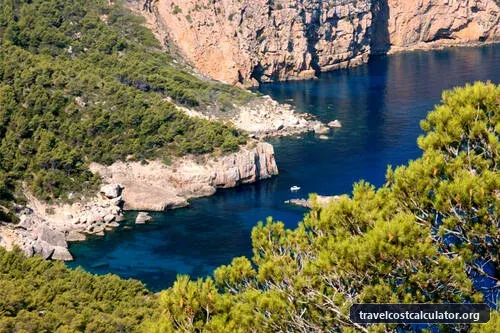
Ibiza provides an excellent example of the interaction between the marine and coastal ecosystems.
Ibiza, Biodiversity and Culture
🏛️ Overview & Historical Significance
In 1999, UNESCO inscribed "Ibiza, Biodiversity and Culture" as a World Heritage site, recognizing the island as an extraordinary bridge between natural marine ecosystems and thousands of years of Mediterranean civilization. Far beyond its contemporary reputation as an international nightlife capital, Ibiza (Eivissa) preserves an invaluable cultural and ecological legacy that meets UNESCO's criteria for both cultural heritage and natural biodiversity.
The UNESCO designation encompasses four major components that together tell the story of human settlement and marine conservation in the western Mediterranean:
-
✦
Dalt Vila (The Upper Town of Eivissa): A exceptionally preserved fortified acropolis. The Renaissance-era defensive walls, designed by Italian engineer Giovanni Battista Calvi under the orders of King Charles V and Philip II in the 16th century, served as a model for Spanish fortification architecture in the Americas.
-
✦
The Phoenician Settlement of Sa Caleta: Dating back to the 7th century BC, this archaeological site represents the earliest urban settlement on the island, established by Phoenician traders as a crucial maritime hub.
-
✦
The Necropolis of Puig des Molins: One of the largest and best-preserved Phoenician-Punic burial sites in the world, containing over 3,000 subterranean tomb chambers (hypogea) spanning from the 7th century BC through the Roman era.
-
✦
Posidonia oceanica Meadows (Ses Salines Natural Park): The marine component of the UNESCO site. The expansive underwater seagrass beds of Posidonia oceanica are ancient organisms—some colonies are estimated to be thousands of years old—that produce massive amounts of oxygen, shelter hundreds of marine species, and create the crystal-clear turquoise waters for which Ibiza is famous.
This dual distinction highlights how human societies adapted to the island's coastal geography over millennia, building impregnable defense structures while relying on a pristine marine environment sustained by oceanic seagrass beds.
🎟️ Entrance Fees, Opening Hours & Ticket Booking Tips
Visiting the components of Ibiza’s UNESCO site involves a mix of public open-air areas and formal museum spaces. Estimated logistics and ticket pricing for 2026 are detailed below:
1. Dalt Vila & Fortifications
-
✦
Entrance Fee: Free (Public municipal area).
-
✦
Opening Hours: Accessible 24 hours a day, 365 days a year.
-
✦
Madina Yabisa Interpretation Centre (Capilla de San Ciriaco): €3.00 (~$3.25 USD) general admission; €1.50 (~$1.65 USD) for students/seniors. Open Tuesday to Saturday from 10:00 to 14:00 and 17:00 to 20:00 (Summer 2026 hours).
-
✦
Museum of Contemporary Art (MACE): Free entrance (donations encouraged). Open Tuesday to Sunday 10:00–14:00 (plus 17:00–20:00 Tue–Fri in summer).
2. Puig des Molins Monographic Museum & Necropolis
-
✦
Entrance Fee: €2.40 (~$2.60 USD) general admission; €1.20 (~$1.30 USD) reduced. Free on Sunday mornings.
-
✦
Opening Hours: Tuesday to Saturday 10:00–14:00 and 18:00–20:00 (June to September 2026); 10:00–14:00 and 16:00–18:00 (October to May). Sundays 10:00–14:00. Closed Mondays.
3. Phoenician Site of Sa Caleta
-
✦
Entrance Fee: Free to view from perimeter pathways and designated viewing platforms.
-
✦
Opening Hours: Accessible daily during daylight hours.
4. Ses Salines Natural Park & Marine Reserve
-
✦
Entrance Fee: Free to enter the natural park. Snorkeling/diving tours focusing on the Posidonia meadows range from €45.00 to €85.00 (~$49.00 - $92.00 USD) per person including equipment and eco-guides.
2026 Insider Booking Tip: Reserve tickets for the Puig des Molins museum online via the official Balearic Islands Cultural Heritage portal during peak summer months (July–August) to secure morning slots before temperatures peak. Visiting Dalt Vila in the late afternoon allows you to combine museum visits with sunset views from the bastions.
🚌 How to Get There & Local Transit Costs
Ibiza is accessible by air via Ibiza Airport (IBZ) or by sea via ferries operating from mainland Spain (Barcelona Travel Budget, Valencia, Dénia) arriving at the Port of Eivissa.
Reaching Dalt Vila & Eivissa Town
-
✦
From Ibiza Airport (IBZ): Take EMT USAIB Line 10 directly to the Eivissa Bus Station (CETIS) or the port. Bus fare is approximately €3.60 (~$3.90 USD) one-way, with departures every 15–20 minutes. A taxi costs between €18.00 and €24.00 (~$19.50 - $26.00 USD).
-
✦
On Foot: Dalt Vila sits directly above Eivissa Town harbor. The primary pedestrian entrance is through the Portal de ses Taules ramp near the Old Market (Mercat Vell).
Reaching the Necropolis of Puig des Molins
Located on Via Romana, Puig des Molins is a 10-to-15-minute walk southwest from the main port of Eivissa or a short ride on city bus Line 14 (€2.00 / ~$2.15 USD).
Reaching the Phoenician Ruins of Sa Caleta
-
✦
By Bus: Line 26 connects Eivissa Town to Sa Caleta/Cala Jondal during the summer season (€2.90 / ~$3.15 USD).
-
✦
By Rental Vehicle / Scooter: Sa Caleta is located roughly 10 km southwest of Eivissa Town via the PM-803 highway. Car rentals in 2026 average €25.00–€55.00 (~$27.00 - $60.00 USD) per day in shoulder season; scooters cost around €25.00–€40.00 (~$27.00 - $43.00 USD) per day.
Reaching Ses Salines Natural Park
-
✦
By Bus: Line 11 runs regularly from Eivissa Bus Station to Ses Salines beach (€2.60 / ~$2.80 USD).
📸 Best Photography Spots & Insider Visit Hacks
Capturing the scale and beauty of Ibiza's UNESCO sites requires planning around light, elevation, and coastal conditions:
-
✦
Portal de ses Taules (Dalt Vila): Shoot early morning (07:30–09:00) when the morning light hits the Roman-style statues and drawbridge arches without crowds in the frame.
-
✦
Baluarte de Santa Lucía: Provides a 180-degree panoramic view over the marina, the Mediterranean, and Formentera. Mid-afternoon to sunset offers optimal lighting across the terracotta roofs below.
-
✦
Sa Caleta Red Cliffs: Frame the Phoenician archaeological foundations against the rust-red clay cliffs and deep turquoise waters during late afternoon golden hour.
-
✦
Ses Salines Salt Flats (Las Salinas): Visit at sunset when the shallow salt evaporation ponds transform into mirrors reflecting pink and gold skies, often with flamingos feeding in the distance.
-
✦
Underwater Posidonia Meadows: Bring an underwater housing camera or waterproof smartphone pouch when snorkeling near Cala Pluma or Cap des Falcó to capture the emerald-green seagrass meadows that purify the water.
Insider Visit Hacks:
-
✦
Footwear Advice: The cobblestone streets inside Dalt Vila are polished slick by centuries of footsteps. Wear shoes with strong rubber traction—avoid smooth-soled sandals or high heels.
-
✦
Heat Mitigation: Midday temperatures inside the stone walls of Dalt Vila frequently exceed 32°C (90°F) in July and August. Plan your walking tours for early morning (before 10:30) or late afternoon (after 17:30).
-
✦
Shoulder Season Timing: May, June, September, and October offer lower accommodation rates, pleasant walking weather (22°C–26°C), and uncrowded access to museums and archaeological ruins.
🏨 Nearby Accommodation & Daily Budget Allocation
Staying near Eivissa Town puts you within walking distance of Dalt Vila and Puig des Molins, while offering convenient transit connections to Sa Caleta and Ses Salines.
Accommodation Options (2026 Pricing)
-
✦
Budget: Hostal Parque Ibiza or Hostal Candela (Eivissa Town) – Clean rooms, central location near Dalt Vila ramparts. €55.00 – €95.00 (~$60.00 - $103.00 USD) per night.
-
✦
Mid-Range: Hotel Montesol Ibiza (Curio Collection) or Mikasa Boutique Hotel – Refined design with historic charm near the marina. €160.00 – €290.00 (~$174.00 - $315.00 USD) per night.
-
✦
Luxury / Historic Heritage: Hotel La Torre del Canónigo – Located directly within the historic walls of Dalt Vila, built around a 16th-century tower. €380.00 – €650.00 (~$413.00 - $706.00 USD) per night.
Estimated Daily Budget Breakdown (2026)
-
✦
Backpacker / Independent Budget: €65.00 – €95.00 (~$70.00 - $103.00 USD) per day. Includes hostel/guesthouse stay, bus transit, bakery breakfasts, local tapas, and free museum days.
-
✦
Mid-Range Cultural Traveler: €180.00 – €310.00 (~$195.00 - $337.00 USD) per day. Includes mid-range hotel, scooter rental, full museum admissions, guided site visits, and casual seafood dinners.
-
✦
Luxury / Experience-Focused: €500.00+ (~$543.00+ USD) per day. Includes historic wall boutique hotel, private car service, boat charter across Posidonia marine reserves, and fine dining inside Dalt Vila.
Local Gastronomy Near the Heritage Sites
When exploring Dalt Vila and surrounding areas, sample traditional Ibizan dishes such as Bullit de Peix (a rich fish stew served with saffron rice cooked in fish broth) at classic harbor taverns, or taste Flaó (a traditional mint and sheep’s milk cheese dessert dating back to medieval times) at local bakeries along Plaça des Parque.
Frequently Asked Questions
Essential visitor FAQs for Ibiza, Biodiversity and Culture
What is the entrance fee for Ibiza, Biodiversity and Culture?
How much time do you need to explore Ibiza, Biodiversity and Culture?
How do I get to Ibiza, Biodiversity and Culture from the nearest city?
📊 Heritage Quick Specs
Visiting Spain on a Budget?
Calculate your full daily travel budget for Spain — including hotel costs, local transport, food, and sightseeing expenses.
View Spain Daily Travel Costs →Explore more UNESCO World Heritage Sites
🏛️ All 1,200+ Heritage Sites →