
 Peru
Peru
Huascarán National Park
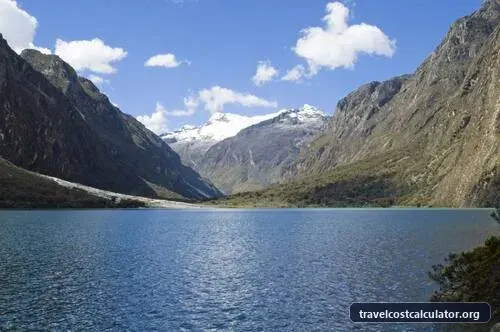
Situated in the Cordillera Blanca, the world's highest tropical mountain range, Mount Huascarán rises to 6,768 m above sea-level.
Huascarán National Park
🏛️ Overview & Historical Significance
Inscribed as a UNESCO World Heritage site in 1985, Huascarán National Park (Parque Nacional Huascarán) is a breathtaking sanctuary of extreme natural beauty located in the Ancash region of Peru. Spanning 340,000 hectares across the heart of the Cordillera Blanca—the highest tropical mountain range in the world—the park was recognized for its exceptional aesthetic value, unique alpine biodiversity, and geological importance. At its core stands Mount Huascarán (Nevado Huascarán), soaring to an imposing 6,768 meters (22,205 feet) above sea level, making it the highest peak in Peru and the fourth-highest summit in South America.
The geological landscape of Huascarán is a masterclass in glacial activity. The park encapsulates over 660 glaciers, 300 pristine glacial lakes with hyper-vivid turquoise waters, and deep U-shaped valleys carved out over millennia. Beyond its dramatic topography, UNESCO designated the reserve to safeguard critical high-altitude ecosystems. It shelters vulnerable flora like the Puya raimondii, an extraordinary giant plant capable of growing up to 10 meters tall and living for over a century before producing millions of flowers in a single final bloom.
The park is also a sanctuary for rare Andean fauna, including the endangered spectacled bear (the real-life inspiration for Paddington Bear), the majestic Andean condor, the vicuña, the taruca (Andean deer), and the torrent duck. In addition to its natural credentials, Huascarán carries deep indigenous heritage. For centuries, native Quechua communities have revered these peaks as Apus—sacred mountain spirits that protect the surrounding valleys. Exploring Huascarán is not merely a high-altitude trek; it is an immersive journey into one of planet Earth’s most pristine mountain realms.
🎟️ Entrance Fees, Opening Hours & Ticket Booking Tips
Access to Huascarán National Park is strictly managed by Peru's National Service of Natural Protected Areas (SERNANP). Visitors must purchase official park passes depending on the planned duration of their visit and the specific activities they intend to undertake.
2026 Estimated Entrance Fee Structure
-
✦
1-Day Pass (Pase Diario): 30 PEN (~$8.00 USD) per person. Ideal for short day hikes such as Laguna Churup, Pastoruri Glacier, or Laguna Llanganuco.
-
✦
3-Day Pass (Pase 3 Días): 60 PEN (~$16.00 USD) per person. Perfect for travelers taking multiple day trips (e.g., Laguna 69, Laguna Parón, and Pastoruri Glacier) over consecutive days.
-
✦
21-Day Multi-Trek Pass (Pase 21 Días): 150 PEN (~$40.00 USD) per person. Mandatory for trekkers completing multi-day expeditions like the famous 4-day Santa Cruz Travel Budget Trek, Quilcayhuanca Valley, or Cedros Circuit.
Opening Hours & Checkpoints
Official SERNANP ranger control posts (such as Llanganuco, Carpa, Cashapampa, and Cebollapampa) generally operate daily from 6:00 AM to 4:30 PM. However, organized tour groups and independent trekkers frequently pass through control points as early as 4:30 AM to start high-altitude ascents. Keep your passport and physical ticket readily accessible at all times, as rangers conduct mandatory checks.
Essential Booking & Logistics Tips for 2026
-
✦
Cash is Mandatory: Tickets at remote park entrances (e.g., Laguna Parón or Laguna 69 checkpoints) must be paid in cash in local Peruvian Soles (PEN). Credit cards and digital payments are rarely accepted due to poor cellular reception.
-
✦
Pre-Purchasing in Huaraz: You can purchase multi-day park passes in advance at the official SERNANP Office in Huaraz (located on Jr. Federico Sal Travel Budget y Rosas 555). Purchasing beforehand saves time at early-morning checkpoint queues.
-
✦
Local Community Fees: Note that certain locations, such as Laguna Parón (managed by the Caraz community) and Laguna Churup (Llupa/Unchus community), charge an additional local community toll of 5 to 10 PEN (~$1.35 to $2.70 USD) on top of the national park fee.
🚌 How to Get There & Local Transit Costs
The main urban hub and base camp for exploring Huascarán National Park is the high-altitude city of Huaraz (elevation 3,050 meters / 10,000 feet), located approximately 420 kilometers north of Lima.
Step 1: Travel from Lima to Huaraz
-
✦
By Express Bus (Most Popular): Daily high-comfort long-distance buses (operated by top companies like Cruz del Sur Travel Budget, Movil Bus, and Oltursa) connect Lima to Huaraz in 8 to 9 hours. Tickets cost between 60 PEN and 120 PEN ($16 to $32 USD) each way. Night buses departing Lima around 10:00 PM arriving in Huaraz by 6:00 AM are widely preferred by budget travelers.
-
✦
By Regional Flight: Commercial flights operate between Lima’s Jorge Chávez International Airport (LIM) and the regional Anta/Huaraz Airport (ATA - Comandante FAP Germán Arias Graziani Airport). Flight time is approximately 1 hour, with one-way fares averaging $70 to $120 USD. A taxi from Anta Airport into central Huaraz costs roughly 40 to 50 PEN ($11 to $13 USD) for a 35-minute drive.
Step 2: Transit from Huaraz to Key Park Entrances
Depending on your destination within the vast park, transport options range from shared local minibuses (colectivos) to organized tour buses and private taxis:
-
✦
Laguna 69 & Llanganuco Lakes: Organized day-tour transport from Huaraz costs 45 to 60 PEN ($12 to $16 USD) return. Alternatively, take a public colectivo from Huaraz to Yungay (10 PEN / $2.70 USD, 1 hour), then hire a local taxi or secondary colectivo up to Cebollapampa (30 to 40 PEN / $8 to $11 USD).
-
✦
Laguna Parón: Located near Caraz. Organized group transport from Huaraz costs 50 to 70 PEN ($13 to $18 USD) return. A private round-trip taxi from Caraz to Laguna Parón typically charges 150 to 200 PEN ($40 to $53 USD) for up to 4 passengers.
-
✦
Pastoruri Glacier (Carpa Sector): Located in the southern sector. Standard group tour buses depart Huaraz daily around 8:00 AM. Round-trip transport costs 40 to 50 PEN ($11 to $13 USD) per seat.
-
✦
Laguna Churup: Take a local colectivo heading to Pitec from the corner of Av. Agustín Gamarra and Av. Raymondi in Huaraz. Fares are 10 to 15 PEN ($2.70 to $4.00 USD) each way.
📸 Best Photography Spots & Insider Visit Hacks
Top Photography Spots in Huascarán
-
✦
Laguna 69: Famous for its unbelievable cobalt-blue hue, set directly against the sheer ice walls of Nevado Chacraraju. Pro photo tip: Arrive by 10:30 AM before the sun moves directly overhead to capture the full spectral brilliance of the water color.
-
✦
Laguna Parón: The largest lake in the Cordillera Blanca. The viewpoint (Mirador) perched on the giant boulder pile above the boat launch offers a frame-worthy panorama of Mount Artesonraju—the iconic peak that inspired the Paramount Pictures logo.
-
✦
Llanganuco Lakes (Chinancocha & Orconcocha): Flanked by ancient paper-bark Polylepis tree forests, these turquoise twin lakes reflect the twin summits of Mount Huascarán on calm mornings.
-
✦
Pastoruri Glacier & Puya Raimondii Fields: Offers dramatic imagery of climate change at high elevation, featuring towering ice walls alongside prehistoric-looking giant bromeliad plants in the Carpa Valley.
Insider Hacks & High-Altitude Safety
-
✦
Strict Altitude Acclimatization: Do NOT attempt high-elevation hikes like Laguna 69 (4,600 meters) on your first or second day in Huaraz. Spend at least 48 to 72 hours acclimatizing by taking easier low-elevation day trips first (e.g., Wilcacocha Lagoon at 3,700m or Laguna Churup at 4,450m). Drink plenty of water, sip mate de coca (coca leaf tea), and consider carrying altitude medication (such as Acetazolamide/Diamox).
-
✦
Best Seasonal Window: Visit during the Andean "Dry Season" (also known as the Andean Summer) between May and September. June, July, and August offer clear blue skies, stable weather, and optimal trail conditions. The rainy season runs from November to April, bringing dense fog, heavy rain, and snow at high altitudes.
-
✦
Beat the Afternoon Winds: Mountain winds (known locally as the viento blanco) typically pick up around 1:00 PM, causing ripples across the lakes and blowing cloud cover over the peaks. Start your hikes at pre-dawn (4:00 AM – 5:00 AM) to reach lake viewpoints early for mirror-like reflections and clear skies.
-
✦
Leave No Trace: Huascarán is a delicate biosphere. Pack out all garbage, stay strictly on designated trails to avoid stepping on rare alpine tundra, and refrain from feeding wildlife.
🏨 Nearby Accommodation & Daily Budget Allocation
Because there are no major hotels inside the national park boundaries, most travelers base themselves in Huaraz or nearby towns like Caraz and Yungay. Accommodation ranges from energetic backpacker hostels to cozy eco-lodges situated in the countryside.
Accommodation Options
-
✦
Budget Hostels (Huaraz): Selina Huaraz, Krabbe Backpackers, and Hostel Akilpo. Great for solo travelers looking for trekking partners and organized tour pickups. Dorm beds cost $10 - $18 USD (38 - 68 PEN) per night; private rooms cost $25 - $45 USD (95 - 170 PEN).
-
✦
Mid-Range Hotels (Huaraz / Caraz): Hotel El Tio Sebastián, Hotel Morales, and Lazy Dog Inn (an eco-lodge outside Huaraz). Expect comfortable private rooms with reliable hot water and breakfast included for $55 - $110 USD (205 - 415 PEN) per night.
-
✦
Luxury & Boutique Eco-Lodges: Llanganuco Mountain Lodge (located near Yungay at the foot of Huascarán) and Cuesta Serena Boutique Hotel. These mountain retreats offer sweeping views, gourmet dining, and private fireplaces for $180 - $350 USD (680 - 1,320 PEN) per night.
Food & Local Dining
Huaraz offers a lively culinary scene. Budget travelers can enjoy traditional Peruvian Menús del Día (set lunch menus including soup, main course, and drink) at local markets like Mercado Central for just 12 to 20 PEN ($3.20 to $5.30 USD). High-end restaurants in downtown Huaraz (like Trivio Resto-Bar and Mi Comedia Pizzeria) offer craft beers, fresh trout (trucha frita), traditional *cuy* (guinea pig), and hearty quinoa bowls for $10 to $22 USD (38 to 83 PEN) per meal.
Estimated Daily Travel Budgets for 2026
-
✦
Backpacker Budget Planner: $35 - $50 USD / day. Includes dorm bed staying in Huaraz, public colectivo transport, local market meals, and shared 3-day park pass.
-
✦
Mid-Range Explorer: $85 - $160 USD / day. Includes mid-range hotel, organized group tours/taxis, meals at sit-down restaurants, multi-day park pass, and gear rentals.
-
✦
Luxury / Private Trekking Budget: $280 - $500+ USD / day. Includes boutique mountain lodge stay, private high-altitude mountain guide, private vehicle transfers, and fine dining.
Frequently Asked Questions
Essential visitor FAQs for Huascarán National Park
What is the entrance fee for Huascarán National Park?
How much time do you need to explore Huascarán National Park?
How do I get to Huascarán National Park from the nearest city?
📊 Heritage Quick Specs
Visiting Peru on a Budget?
Calculate your full daily travel budget for Peru — including hotel costs, local transport, food, and sightseeing expenses.
View Peru Daily Travel Costs →Explore more UNESCO World Heritage Sites
🏛️ All 1,200+ Heritage Sites →