
 Peru
Peru
Historical Centre of the City of Arequipa
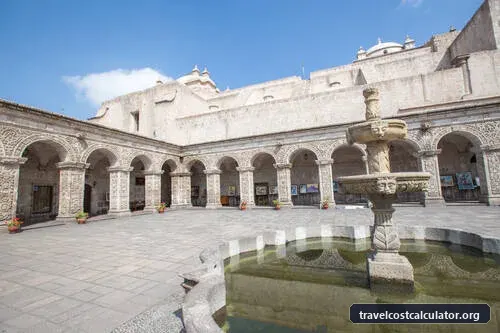
The historic centre of Arequipa, built in volcanic sillar rock, represents an integration of European and native building techniques and characteristics, expressed in the admirable work of colonial masters and Criollo and Indian masons.
Historical Centre of the City of Arequipa
🏛️ Overview & Historical Significance
Nestled in a fertile Andean valley 2,335 meters (7,660 feet) above sea level, the Historical Centre of the City of Arequipa stands as one of South America's most architecturally unique urban landscapes. Framed by three dramatic volcanic peaks—Misti, Chachani, and Pichu Pichu—this living museum earned its designation as a UNESCO World Heritage site in 2000. UNESCO recognized Arequipa for its remarkable integration of European Baroque craftsmanship with indigenous Andean artistic tradition, executed through a revolutionary building medium known as sillar.
Sillar is a white-to-pinkish volcanic ignimbrite stone quarried from the surrounding volcanic deposits. Its lightweight yet durable composition allowed 16th- to 19th-century builders to construct ornate, earthquake-resistant masterpieces. Rather than crumbling under southern Peru's frequent seismic events, Arequipa's sillar structures—characterized by thick walls, sturdy buttresses, barrel vaults, and low-slung courtyards—have stood resilient for centuries. This distinctive stone earned Arequipa its famous moniker: La Ciudad Blanca ("The White City").
Beyond its engineering brilliance, Arequipa's historical centre represents a profound cultural synthesis. Following its refounding by Spanish conquistador Pedro Anzúrez de Camporredondo in 1540, Spanish architects collaborated with native Quechua and Aymara stonemasons. The result was the Escuela Arequipeña decorative style—an extraordinary hybrid where classical Catholic motifs intermingle with native symbols, including stylized Andean flora, pumas, sun masks, and tropical fruits sculpted into stone facades.
🎟️ Entrance Fees, Opening Hours & Ticket Booking Tips
While walking through the public plazas and historic streets of the UNESCO zone is entirely free, visiting the internal monuments, monasteries, and museums requires separate entrance tickets. Below are the updated 2026 estimated fees and operational hours for the key historical attractions:
-
✦
Monasterio de Santa Catalina (Santa Catalina Monastery):
- Entrance Fee (2026): 55 PEN (~$14.50 USD) for adults; 25 PEN (~$6.60 USD) for students. Optional certified local guide fee: 25–30 PEN (~$6.50–$8 USD) plus tip.
-
✦
Opening Hours: Daily from 9:00 AM to 6:00 PM (Last entry at 5:00 PM). Extended night visits until 8:00 PM on select Tuesdays and Wednesdays.
-
✦
Booking Tip: Purchase your tickets via the official monastery website 2–3 days in advance during the peak dry season (June to August) to secure entry slots, especially for evening torchlit tours.
- Entrance Fee (2026): 30 PEN (~$8.00 USD) for adults; 15 PEN (~$4.00 USD) for students. Standard practice mandates a mandatory local guide (tip of 10–15 PEN per person is customary).
- Entrance Fee (2026): Main Cathedral naves are free during mass. Cathedral Museum and Bell Tower Access: 15 PEN (~$4.00 USD).
- Entrance Fee (2026): Courtyard and main church are free. San Ignacio Chapel (the "Sistine Chapel of Arequipa"): 12 PEN (~$3.20 USD).
🚌 How to Get There & Local Transit Costs
Arequipa is the primary southern transit hub of Peru, easily accessible via air and long-distance land routes from Lima Travel Budget, Cusco Travel Budget, and Puno.
Arriving by Air
Rodríguez Ballón International Airport (AQP) is located approximately 8 kilometers (5 miles) northwest of the historic center. Flights from Lima (LIM) take roughly 1 hour 20 minutes, while direct flights from Cusco (CUZ) take about 1 hour.
-
✦
Official Airport Taxi: Inside the arrival terminal, official taxi counters (such as Green Taxi) charge a fixed rate of 40–50 PEN (~$10.50–$13.20 USD) to the Plaza de Armas. Journey time: 25–40 minutes depending on traffic.
-
✦
Rideshare Apps (Uber / InDrive): Available at AQP airport. Fares to the city center range between 25–35 PEN (~$6.60–$9.20 USD). Pickup is usually outside the main terminal doors.
Arriving by Bus
Long-distance interprovincial buses arrive at the Terrapuerto Arequipa or Terminal Terrestre, located about 4 kilometers (2.5 miles) south of the central historical core.
-
✦
Bus Fares (2026 Estimates): High-end luxury bus liners (Cruz del Sur Travel Budget, Civa Ultramar, Peru Hop) charge 70–130 PEN (~$18.50–$34.00 USD) from Lima (16-18 hours) and 60–100 PEN (~$16.00–$26.50 USD) from Cusco (10-12 hours).
-
✦
Terminal to City Center: Authorized terminal taxis charge a flat fee of 15–20 PEN (~$4.00–$5.25 USD) to drop off near the Plaza de Armas.
Navigating the Historic Centre
The UNESCO historical core is compact and best explored on foot. Street signs are clear, and pedestrianized zones (such as Calle Mercaderes and sections of Calle Santa Catalina) facilitate easy walking. For trips slightly outside the core—such as the Yanahuara viewpoint—local taxis cost 8–12 PEN (~$2.10–$3.20 USD) per ride. Public urban mini-buses (combis) cost 1.00–1.50 PEN (~$0.30–$0.40 USD) per trip, though they are often crowded and less convenient for first-time travelers.
📸 Best Photography Spots & Insider Visit Hacks
Arequipa's bright blue skies, stark white stone, and dramatic volcanic backdrops create extraordinary opportunities for travel photography. Here are the top vantage points and insider operational tips:
Top Photography Locations
-
✦
Plaza de Armas Roof Terrace Cafes: The second-story arched balconies along the eastern and northern sides of the Plaza offer world-class framing of the Cathedral towers against the snowy peak of Volcano Misti. Best time: Sunset and early blue hour (5:15 PM – 6:15 PM), when the cathedral lights switch on.
-
✦
Mirador de Yanahuara: Located a 15-minute walk across the Chili River from the historic center, these 18th-century sillar arches are carved with poetic inscriptions. Frame Misti directly through the center arch. Best time: Early morning (7:00 AM – 8:30 AM) before haze and crowds build up.
-
✦
Santa Catalina Monastery (Claustro de los Naranjos & Cordova Street): The vivid cobalt blue and terracotta red walls contrast sharply with green orange trees and white sillar arches. Best time: Mid-morning around 9:30 AM or late afternoon when light casts dramatic architectural shadows across the cobblestones.
-
✦
Barrio de San Lázaro: The oldest neighborhood in Arequipa features narrow winding lanes lined with white sillar homes, blooming bougainvillea, and small squares. Best time: Late morning for bright overhead sunlight penetrating narrow alleys.
Insider Travel Hacks
-
✦
Altitude & Sun Protection: At 2,335 meters, altitude sickness (soroche) is usually mild, but solar radiation is exceptionally strong due to atmospheric clarity. Wear SPF 50+ sunscreen, a wide-brimmed hat, and stay hydrated with local coca tea or bottled water.
-
✦
Weather & Dry Season Timing: The ideal time to visit is during the dry season from May to October, featuring bright sunshine and temperatures around 20°C (68°F). Avoid the wet season (January to March), when heavy afternoon downpours can flood cobblestone streets and obscure volcano views.
-
✦
Evening Monastery Magic: If visiting Santa Catalina Monastery on a Tuesday or Wednesday night, purchase a ticket valid after 4:30 PM. You can capture daytime photography, watch the sunset, and remain inside as candles and iron lamps illuminate the historic cloisters.
🏨 Nearby Accommodation & Daily Budget Allocation
Arequipa offers travel options across all budget ranges, situated inside or immediately adjacent to the UNESCO World Heritage boundary.
Recommended Accommodations
-
✦
Budget (Hostels / Guesthouses):
- Selina Arequipa or Wild Rover Arequipa: Dorm beds from $12–$18 USD (45–68 PEN) per night; private room options around $40–$55 USD. Includes pool, co-working space, and central walking location.
-
✦
La Casa de Melgar: Atmospheric budget hotel set in a authentic 18th-century sillar mansion with traditional courtyards ($45–$65 USD / night).
- Casa Andina Standard Arequipa Plaza: Located steps from the cathedral, featuring comfortable modern amenities inside a restored colonial building ($75–$110 USD / 285–418 PEN per night).
- CIRQA - Relais & Châteaux: A meticulously restored 1540s monastery converted into a high-end luxury retreat showcasing raw sillar architecture, gourmet dining, and personalized service ($380–$600+ USD / night).
Dining & Local Culinary Scene
Arequipa is recognized as the culinary capital of southern Peru, famous for its traditional regional lunch halls called Picanterías. Typical dishes include Rocoto Relleno (spicy stuffed pepper), Pastel de Papa (layered potato bake), Chupe de Camarones (crayfish chowder), and local street dessert Queso Helado (spiced artisanal ice cream).
-
✦
Top Spots: La Nueva Palomino (Yanahuara), Victoria Picantería Democrática (Historic Center), and rooftop dining at Zig Zag.
-
✦
Dining Costs: High-end dinner with wine: 90–160 PEN ($24–$42 USD); Traditional Picantería lunch: 35–65 PEN ($9–$17 USD); Street dessert (Queso Helado): 5–8 PEN ($1.30–$2.10 USD).
Daily Travel Budget Summary (2026 Estimates)
-
✦
Backpacker Budget Planner: ~$35 – $50 USD / day (Dorm bed, street food/menu del día, local bus, walking, 1 paid museum per day).
-
✦
Mid-Range Budget: ~$100 – $160 USD / day (Private 3-star room, picantería lunches, rooftop dinner/cocktails, taxis, entries to all major monuments).
-
✦
Luxury Budget: ~$450 – $750+ USD / day (5-star heritage hotel, fine dining, private driver, customized bilingual tours).
Frequently Asked Questions
Essential visitor FAQs for Historical Centre of the City of Arequipa
What is the entrance fee for Historical Centre of the City of Arequipa?
How much time do you need to explore Historical Centre of the City of Arequipa?
How do I get to Historical Centre of the City of Arequipa from the nearest city?
📊 Heritage Quick Specs
Visiting Peru on a Budget?
Calculate your full daily travel budget for Peru — including hotel costs, local transport, food, and sightseeing expenses.
View Peru Daily Travel Costs →Explore more UNESCO World Heritage Sites
🏛️ All 1,200+ Heritage Sites →