
 France
Historic Site of Lyon
The long history of Lyon, which was founded by the Romans in the 1st century B.C. as the capital of the Three Gauls and has continued to play a major role in Europe's political, cultural and economic developmen...
Historic Site of Lyon
🏛️ Overview & Historical Significance
Inscribed as a UNESCO World Heritage site in 1998, the Historic Site of Lyon represents an exceptional architectural and cultural continuum spanning over 2,000 years of living urban history. Located at the strategic confluence of the Rhône and Saône rivers in south-eastern France, Lyon was founded in 43 BC by the Romans as Lugdunum, the capital of the Gallic provinces. Unlike many ancient cities whose historical cores were demolished or rebuilt over time, Lyon expanded organically eastward, preserving intact urban layers from every major era of European civilization.
UNESCO designated a vast 427-hectare area as a protected heritage zone, divided into four distinct historic districts:
-
✦
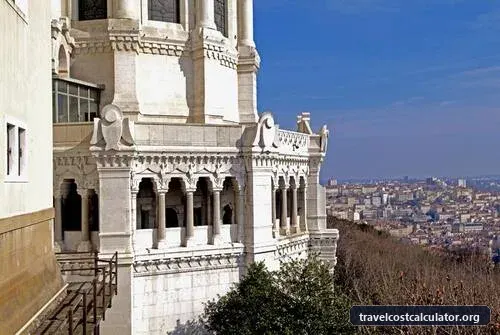
Fourvière Hill: Known as the "Hill that Prays," this upper district contains the ancient Roman ruins—including two well-preserved amphitheaters—and the iconic 19th-century Basilica of Notre-Dame de Fourvière.
-
✦
Vieux Lyon (Old Lyon): Spanning along the Saône river, this is one of Europe's largest surviving Renaissance quarters. Built primarily in the 15th and 16th centuries during Lyon's boom as a banking hub and silk manufacturing capital, it features cobblestone alleyways, grand courtyard mansions (hôtels particuliers), and the legendary traboules.
-
✦
Croix-Rousse: Known as the "Hill that Works," this 19th-century working-class neighborhood became the global center of industrial silk weaving. Its high-ceilinged apartments were engineered specifically to house giant Jacquard looms.
-
✦
Presqu'île: The peninsula nestled between the two rivers showcases elegant 18th- and 19th-century Haussmann-style urban design, home to majestic public squares like Place Bellecour and Place des Terreaux.
What makes Lyon uniquely historic is its survival through key economic shifts: from a Roman political center to a medieval ecclesiastical powerhouse, a Renaissance trade capital, an industrial silk metropolis, and today's gastronomic capital of France. Walking through its streets provides an unfiltered timeline of Western European urban evolution.
🎟️ Entrance Fees, Opening Hours & Ticket Booking Tips
Because the UNESCO World Heritage site covers open public city districts, entering and walking through the Historic Site of Lyon is completely free. However, entering individual museums, heritage sites, and guided architectural tours within the zone requires paid admission or advance reservations.
Key Sight Ticket Prices (Estimated 2026 Pricing)
-
✦
Basilica of Notre-Dame de Fourvière: Free entry to the sanctuary. Guided Rooftop & Tower Access: €13.00 – €15.00 (~$14.00 – $16.50 USD).
-
✦
Lugdunum (Gallo-Roman Museum & Theatres): Outdoor Roman theater grounds are free. Museum entry: €8.00 – €10.00 (~$8.70 – $11.00 USD); free on the first Sunday of every month.
-
✦
Musée Gadagne (Musée des Arts de la Marionnette & Histoire de Lyon): Combined entry ticket: €10.00 – €12.00 (~$11.00 – $13.00 USD).
-
✦
Maison des Canuts (Silk Weaving Museum in Croix-Rousse): Self-guided entry: €4.00 – €6.00 (~$4.30 – $6.50 USD); Guided demonstration tour: €10.00 – €12.00 (~$11.00 – $13.00 USD).
The Lyon City Card (2026 Recommended Pass)
For visitors spending 1 to 4 days exploring the heritage zones, purchasing an official Lyon City Card offers massive savings. The card includes unlimited public transport (metro, bus, tram, funicular), free entry to 26 city museums, and a complimentary guided tour organized by the Lyon Tourism Board.
-
✦
1-Day Pass: €29.00 (~$31.50 USD)
-
✦
2-Day Pass: €39.00 (~$42.50 USD)
-
✦
3-Day Pass: €49.00 (~$53.50 USD)
-
✦
4-Day Pass: €59.00 (~$64.50 USD)
Opening Hours & Booking Logistics
The outdoor Roman ruins at Fourvière are accessible daily from 7:00 AM to 7:00 PM (until 9:00 PM in summer). Most major museums operate Tuesday through Sunday from 10:30 AM to 6:00 PM (closed Mondays). During peak season (May to October and early December for the Fête des Lumières), book official traboule walking tours and Fourvière rooftop visits at least 3 to 4 weeks in advance via the Lyon Tourisme website to secure preferred time slots.
🚌 How to Get There & Local Transit Costs
Lyon is one of France's premier transport hubs, making access from Paris Travel Budget, regional airports, or international points seamless and efficient.
Getting to Lyon from Major Hubs
-
✦
From Paris (Train): The TGV high-speed train connects Paris Gare de Lyon directly to Gare de Lyon-Part-Dieu or Gare de Lyon-Perrache in approximately 1 hour and 50 minutes. Advance 2026 standard fares range from €25.00 to €95.00 (~$27.00 – $103.00 USD) each way depending on booking lead time.
-
✦
From Lyon-Saint Exupéry Airport (LYS): Located 25 km east of the city center. The fastest transport link is the Rhônexpress tram-train, arriving at Part-Dieu station in 28 minutes. A single adult ticket costs €16.80 (~$18.30 USD), or €29.50 (~$32.00 USD) round-trip when purchased online in advance.
Navigating the Historic Quarters (TCL Network Costs)
Lyon features an exemplary urban transit network operated by TCL, including four underground metro lines, two historic funicular lines ("Ficelles"), six tram lines, and extensive electric bus routes.
-
✦
Single Bus/Metro/Funicular Ticket: €2.10 (~$2.30 USD) valid for 1 hour with unlimited transfers.
-
✦
24-Hour Network Pass: €6.80 (~$7.40 USD).
-
✦
48-Hour Network Pass: €12.50 (~$13.60 USD).
-
✦
Funicular Lines (F1 to Saint-Just, F2 to Fourvière): Standard TCL single tickets and network passes apply. Taking Funicular F2 from Vieux Lyon - Cathédrale Saint-Jean station to Fourvière takes under 5 minutes and saves a steep 20-minute uphill climb.
📸 Best Photography Spots & Insider Visit Hacks
To capture Lyon's timeless golden light and historic textures while dodging tour groups, timing and location strategy are key.
Prime Photography Locations
-
✦
Esplanade de Fourvière: Located right beside the Basilica, this elevated observation deck offers an incredible panoramic viewpoint looking east across the red-tiled roofs of Vieux Lyon, the Presqu'île peninsula, and on clear days, the distant snowy peak of Mont Blanc. Shoot at sunrise for golden light over the city skyline.
-
✦
Passerelle Saint-Vincent: A footbridge spanning the Saône river. Frame your shot looking south to capture the river, color-washed Renaissance buildings, and the soaring spires of Fourvière Hill in the background. Exceptional during the evening blue hour when historical monuments light up.
-
✦
Cour des Voraces (Croix-Rousse): A legendary six-story outdoor stone staircase housed within an 1840s silk workers' tenement at 9 Place Colbert. It offers geometric shadows and dramatic industrial architecture.
-
✦
Place des Terreaux: Home to the Hôtel de Ville (City Hall), the Musée des Beaux-Arts, and the monumental 19th-century Fontaine Bartholdi (sculpted by Frédéric-Auguste Bartholdi, creator of the Statue of Liberty).
Insider Travel Hacks
-
✦
Traboule Etiquette: Traboules are private residential corridors linking buildings, originally built so silk merchants could move textiles out of the rain. Around 40 public-access traboules exist in Vieux Lyon and Croix-Rousse. Push the brass buttons next to residential entry doors marked with UNESCO plaques between 7:00 AM and 7:00 PM. Always keep your voice down—families live in these courtyards!
-
✦
Dine at an Authentic Bouchon Lyonnais: Lyon's traditional rustic bistros are called bouchons. Avoid tourist traps by choosing establishments certified with the official label "Les Bouchons Lyonnais". Order classics like Quenelle de Brochet (pike soufflé in crayfish sauce) or Salade Lyonnaise alongside a pot of Beaujolais or Côtes du Rhône wine.
-
✦
Best Seasonal Window: Visit during May–June or September–October when temperatures range from a comfortable 18°C to 24°C (64°F–75°F). If visiting in early December, prepare for the world-famous Fête des Lumières (Festival of Lights)—an extraordinary 4-night light-art festival, but ensure hotel rooms are booked 6 months in advance.
🏨 Nearby Accommodation & Daily Budget Allocation
Staying near or within the UNESCO zone allows you to explore the stone alleyways on foot. Here is a breakdown of accommodation options and realistic daily budgeting estimates for 2026.
Recommended Hotel Options
-
✦
Budget / Backpacker: Away Hostel & Coffee Shop (Croix-Rousse border) – Set in a 19th-century building, offering design-focused dorm beds from €38 – €52 / night (~$41 – $56 USD) and private rooms from €105 / night (~$114 USD).
-
✦
Mid-Range: Hôtel Le Collège (Vieux Lyon) – A retro, school-themed boutique hotel located right in the heart of the Renaissance zone. Room rates range from €140 – €210 / night (~$152 – $228 USD).
-
✦
Luxury / Heritage: Villa Florentine (Fourvière Hill) – A converted 17th-century convent with a heated rooftop infinity pool looking out over Old Lyon. Rates range from €380 – €650 / night (~$412 – $705 USD).
Daily Budget Allocation (Per Person in 2026)
Depending on your travel style, here is what you should budget per day for a trip to Lyon:
-
✦
Budget Traveler: €65 – €90 ($70 – $98 USD) per day
- Dorm bed / budget hotel room share: €40
-
✦
Self-catering & street food/boulangerie meals: €20
-
✦
Public transit 24-hour pass: €6.80
-
✦
Entry to 1 museum or self-guided walks: €10
- 3-star / 4-star boutique hotel room (double occupancy): €90
- 5-star luxury accommodation / heritage suite: €300
Frequently Asked Questions
Essential visitor FAQs for Historic Site of Lyon
What is the entrance fee for Historic Site of Lyon?
How much time do you need to explore Historic Site of Lyon?
How do I get to Historic Site of Lyon from the nearest city?
📊 Heritage Quick Specs
Visiting France on a Budget?
Calculate your full daily travel budget for France — including hotel costs, local transport, food, and sightseeing expenses.
View France Daily Travel Costs →Explore more UNESCO World Heritage Sites
🏛️ All 1,200+ Heritage Sites →