
 Philippines
Historic City of Vigan
Established in the 16th century, Vigan is the best-preserved example of a planned Spanish colonial town in Asia.
Historic City of Vigan
🏛️ Overview & Historical Significance
Inscribed as a UNESCO World Heritage site in 1999, the Historic City of Vigan—located in the province of Ilocos Sur Travel Budget in the northern Philippines—stands as the single best-preserved example of a planned Spanish colonial trading town in Asia. Founded in 1572 by conquistador Juan de Salcedo, Vigan (originally named Villa Fernandina) flourished for centuries as an essential coastal trading hub connecting East Asia, North America, and Europe via the historic Galleon Trade.
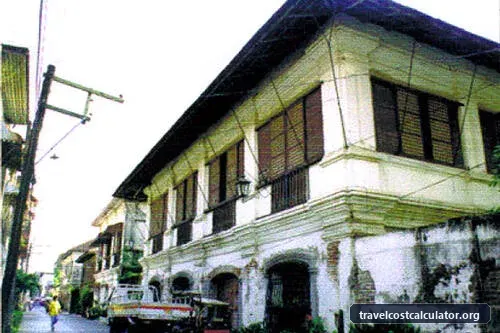
What makes Vigan uniquely significant to global heritage is its architecture: a harmonious fusion of Spanish colonial structural planning, traditional Chinese craftsmanship, and indigenous Filipino climate adaptations. This design style culminated in the iconic Bahay na Bato ("stone house"). Featuring ground-level brick or stone walls built to withstand seismic tremors, timber-framed upper stories, steep tiled roofs designed for torrential typhoons, and sliding Capiz shell windows for maximum ventilation, these structures reflect an extraordinary cultural synthesis.
Unlike Manila Travel Budget’s historic Intramuros, which suffered catastrophic destruction during World War II, Vigan survived largely unscathed due to local diplomatic interventions during the Japanese retreat in 1945. UNESCO recognized Vigan not only for its exceptionally intact street grid—centered around twin squares, Plaza Salcedo and Plaza Burgos—but also as an authentic living historic town where residents continue to live, trade, and preserve centuries-old ancestral crafts such as burnay pottery making and abel handloom weaving.
🎟️ Entrance Fees, Opening Hours & Ticket Booking Tips
Exploring the historic streetscapes of Vigan is remarkably affordable. Because the UNESCO-designated heritage core is an active, open-air living town, there is no entry fee to access the historic center or stroll down Calle Crisologo.
However, entering individual ancestral museum homes, heritage mansions, and local historical sites requires small entrance or preservation fees. Below is the updated 2026 price guide:
-
✦
Calle Crisologo & Historic Street Zone: Free (Accessible 24/7; best illuminated from 6:00 PM to 10:00 PM).
-
✦
Syquia Mansion Museum (President Elpidio Quirino Ancestral Home): ₱150 PHP (~$2.65 USD) per person. Hours: 9:00 AM – 5:00 PM (Closed Tuesdays).
-
✦
Crisologo Museum: Free entry, though a voluntary donation of ₱50 – ₱100 PHP (~$0.90 – $1.75 USD) for maintenance is customary. Hours: 8:30 AM – 4:30 PM daily.
-
✦
Hotel Luna Fine Arts Museum: ₱100 PHP (~$1.75 USD) for non-hotel guests. Hours: 9:00 AM – 5:00 PM daily.
-
✦
Bantay Church Bell Tower (1.5 km from center): Free entry; donation of ₱20 – ₱50 PHP (~$0.35 – $0.90 USD) suggested at the registration desk. Hours: 8:00 AM – 5:00 PM.
-
✦
Pagburnayan Pottery Jar Factory: Free admission; tipping the master potter ₱50 – ₱100 PHP (~$0.90 – $1.75 USD) for live demonstrations is recommended.
-
✦
Plaza Salcedo Dancing Fountain Show: Free public entry. Schedule: Daily at 7:00 PM and 8:30 PM.
Booking & Payment Tips: Digital payment kiosks and QR code payments are expanding across northern Luzon, but cash (Philippine Pesos - PHP) remains essential in Vigan's heritage district. Carry small denominations (₱20, ₱50, and ₱100 notes) as local museum desks and street food stalls rarely have change for ₱1,000 bills. Advanced ticket bookings are unnecessary for individual visitors, though guided group tours at Syquia Mansion should be arranged at least 24 hours prior during peak holidays.
🚌 How to Get There & Local Transit Costs
Vigan is located roughly 400 kilometers north of Manila. Modernized highway infrastructure and express bus options make reaching this heritage jewel straightforward.
Option A: Direct Long-Distance Bus from Manila (Most Popular)
Air-conditioned express buses operate round-the-clock from Manila’s primary transport hubs (Cubao and Pasay). Leading operators include Partas Bus Lines, Farinas Transit, and Viron Transit.
-
✦
Travel Time: 8 to 10 hours (depending on night vs. daytime departure).
-
✦
2026 Fare: ₱1,100 – ₱1,450 PHP (~$19 – $25 USD) one-way for Super Deluxe or First-Class buses equipped with reclining captain seats, charging ports, Wi-Fi, and onboard restrooms.
Option B: Air Travel via Laoag City (Fastest Route)
For travelers short on time, flying to Laoag City reduces overland travel significantly.
-
✦
Flight Details: Take a 1-hour domestic flight from Manila (MNL) to Laoag International Airport (LTO) via Philippine Airlines or Cebu Travel Budget Pacific. One-way flights average $45 – $90 USD depending on advance booking.
-
✦
Laoag to Vigan Transit: From Laoag Airport, take a local taxi or shuttle (₱250 PHP / ~$4.50 USD) to the Laoag bus terminal. Board an air-conditioned southbound bus to Vigan. Travel time is approximately 1.5 to 2 hours, costing ₱150 – ₱200 PHP (~$2.60 – $3.50 USD).
Local Getting-Around & Transit Costs
-
✦
Kalesa (Horse-Drawn Carriage): The classic way to tour Vigan. Standard municipal fixed rate is ₱250 – ₱300 PHP (~$4.40 – $5.30 USD) per hour per carriage (fits up to 3 adults). Negotiate and confirm the hourly rate before stepping in.
-
✦
Motorized Tricycle: Ideal for short trips outside the pedestrianized historic center (e.g., to Pagburnayan or Bantay Bell Tower). Short inner-city trips cost ₱40 – ₱80 PHP (~$0.70 – $1.40 USD).
-
✦
Walking: Calle Crisologo and surrounding historic blocks are strictly pedestrianized during key hours, making walking the absolute best—and free—way to navigate the core zone.
📸 Best Photography Spots & Insider Visit Hacks
Capturing Vigan’s atmospheric streets without modern distractions requires smart timing and insider knowledge:
Top Photography Locations
-
✦
Calle Crisologo at Dawn (6:00 AM – 7:00 AM): Capture the pristine cobble streets, early morning light filtering through Capiz windows, and empty historic facades before delivery vans and crowds arrive.
-
✦
Calle Crisologo at Blue Hour (6:00 PM – 6:45 PM): When dusk settles and warm, yellow street lanterns illuminate the cobblestones, contrast your shots against the deep blue night sky.
-
✦
Bantay Church Bell Tower: Climb up to the belfry overlooking the historic brick church and countryside. Position your camera to frame the historic bell against the backdrop of Mount Dikit.
-
✦
Syquia Mansion Grand Hallway: Capture sweeping interiors featuring polished native hardwood floors, antique mirrors, and authentic 19th-century colonial furniture.
Insider Hacks & Crowds Avoidance
-
✦
Best Weather Season: Plan your trip during the dry season from November through April. December to February brings cooler temperatures (22°C – 30°C), making outdoor walking tours very pleasant. Avoid July through October due to heavy monsoon rains and potential typhoons.
-
✦
Escape the Main Street: While Calle Crisologo gets crowded, parallel heritage streets such as Calle Plaridel and Calle Diego Silang feature equally stunning, authentic Bahay na Bato structures with a fraction of the foot traffic.
-
✦
Culinary Pit Stop: Head to Plaza Burgos around 4:00 PM to sample authentic street-side Ilocano culinary staples: Vigan Empanada (crispy orange rice-flour shell stuffed with longganisa sausage, green papaya, and egg for ₱60 – ₱80 PHP / ~$1.05 – $1.40 USD) and Okoy (shrimp fritters).
🏨 Nearby Accommodation & Daily Budget Allocation
Staying inside a restored heritage home converted into a boutique hotel is an essential part of the Vigan experience. Here is an overview of top stays and realistic 2026 daily spending plans.
Recommended Accommodations
-
✦
Budget / Backpackers: Vigan Hotel or local ancestral homestays near Plaza Burgos. Clean private rooms with basic amenities range from ₱900 – ₱1,800 PHP (~$16 – $32 USD) per night.
-
✦
Mid-Range Heritage Hotels: Hotel Felicidad, Villa Angela Heritage House, or Paradores de Vigan. These boutique properties preserve authentic 19th-century aesthetics with modern comforts. Rates range from ₱3,500 – ₱5,500 PHP (~$62 – $98 USD) per night including breakfast.
-
✦
Luxury / Museum Hotel: Hotel Luna (the Philippines' first museum hotel, featuring rare original artwork by Juan Luna and fine dining). Rooms range from ₱6,500 – ₱11,000 PHP (~$115 – $195 USD) per night.
Daily Budget Allocation Breakdown (2026 Estimates)
To help you budget accurately, here is what you can expect to spend per day based on your travel style:
-
✦
Budget Traveler ($30 – $45 USD / ₱1,700 – ₱2,500 PHP per day):
- Accommodation: Shared homestay or budget private room (~$18 USD).
-
✦
Meals: Local street food, Plaza Burgos empanadas, and local eateries (~$12 USD).
-
✦
Transport & Fees: Public buses, walking, and select museum entry fees (~$8 USD).
- Accommodation: Restored Spanish-colonial boutique hotel room (~$70 USD).
Frequently Asked Questions
Essential visitor FAQs for Historic City of Vigan
What is the entrance fee for Historic City of Vigan?
How much time do you need to explore Historic City of Vigan?
How do I get to Historic City of Vigan from the nearest city?
📊 Heritage Quick Specs
Visiting Philippines on a Budget?
Calculate your full daily travel budget for Philippines — including hotel costs, local transport, food, and sightseeing expenses.
View Philippines Daily Travel Costs →Explore more UNESCO World Heritage Sites
🏛️ All 1,200+ Heritage Sites →