
 India
Great Himalayan National Park Conservation Area
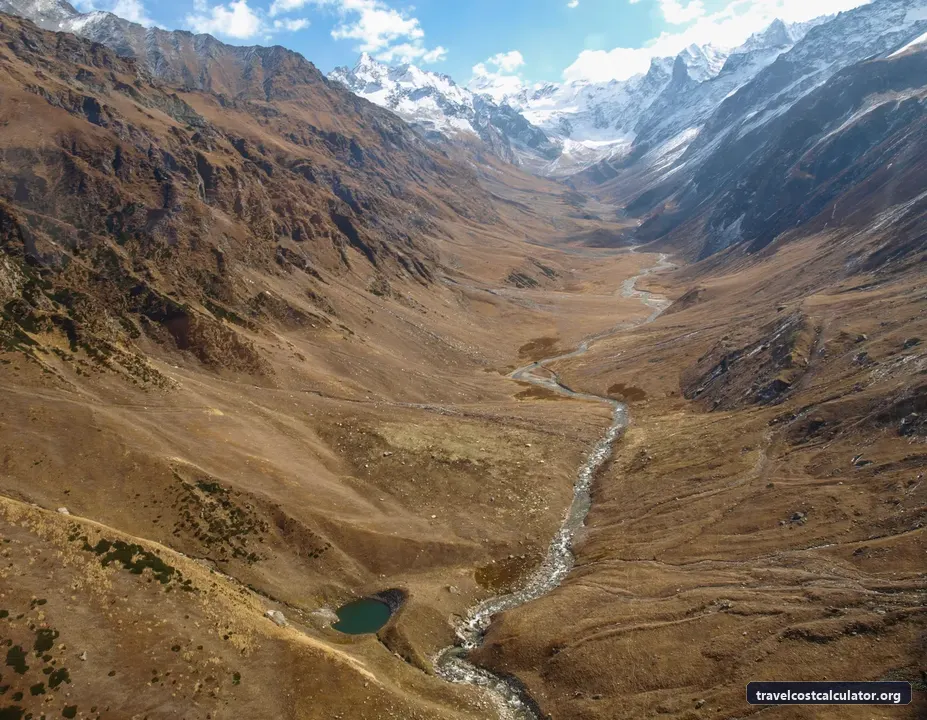
This National Park in the western part of the Himalayan Mountains in the northern Indian state of Himachal Pradesh is characterized by high alpine peaks, alpine meadows and riverine forests.
Great Himalayan National Park Conservation Area
🏛️ Overview & Historical Significance
Nestled in the western lap of the mighty Himalayas in the Kullu district of Himachal Pradesh, the Great Himalayan National Park Conservation Area (GHNPCA) stands as one of the world's premier alpine biodiversity sanctuaries. Inscribed as a UNESCO World Heritage Site in 2014 under Criterion (x), this vast 905.4-square-kilometer reserve—flanked by contiguous protected areas totaling over 1,170 square kilometers—was recognized for its irreplaceable role in preserving global biodiversity and threatened species within the Western Himalayan temperate forest and alpine eco-regions.
The park spans an extraordinary altitude gradient ranging from 1,500 meters to over 6,000 meters above sea level. This sheer verticality creates diverse microclimates supporting distinct vegetation zones: from lush subtropical forests in the valley bottoms to dense temperate conifer woods, sub-alpine birch forests, and pristine high-altitude alpine meadows (known locally as thaches). Because the region is geographically isolated by formidable snow-capped peaks, human encroachment was historically minimized, allowing prehistoric ecosystems to thrive relatively undisturbed.
From an ecological standpoint, GHNPCA is the world's single most important stronghold for the critically endangered Western Tragopan (a brightly plumaged pheasant revered as the state bird of Himachal Pradesh). The park also provides sanctuary to rare fauna including the Snow Leopard, Himalayan Brown Bear, Musk Deer, Himalayan Tahr, and Blue Sheep (Bharal). Crucially, the park's protected headwaters feed the pristine Tirthan, Sainj, Jiwa Nal, and Parvati rivers, which serve as vital freshwater tributaries to the Beas River basin, sustaining millions of lives downstream across northern India.
🎟️ Entrance Fees, Opening Hours & Ticket Booking Tips
Accessing the core UNESCO World Heritage area requires an official park entry permit issued by the Himachal Pradesh Forest Department. Visitors must obtain physical permits before crossing into the core zone at entry gates such as Gushaini (Tirthan Valley) or Neuli (Sainj Valley).
2026 Fee Structure (Estimated in USD & INR)
Permit fees are calculated on a daily per-person basis. For multi-day trekking inside the core zone, daily rates accumulate per night spent within park boundaries.
-
✦
Indian Citizens Entry Permit: ₹150 – ₹200 (~$1.80 – $2.40 USD) per person/day.
-
✦
Foreign Nationals Entry Permit: ₹600 – ₹800 (~$7.20 – $9.60 USD) per person/day.
-
✦
Indian Students (with valid ID): ₹50 – ₹100 (~$0.60 – $1.20 USD) per person/day.
-
✦
Foreign Students (with valid ID): ₹300 – ₹400 (~$3.60 – $4.80 USD) per person/day.
-
✦
Still Camera Fee: ₹100 – ₹150 (~$1.20 – $1.80 USD) per day (Indians) / ₹250 – ₹350 (~$3.00 – $4.20 USD) per day (Foreigners).
-
✦
Video / Cinema Camera Fee: ₹1,000 – ₹2,000 (~$12.00 – $24.00 USD) per day.
-
✦
Mandatory Local Guide Fee: ₹1,200 – ₹1,800 (~$14.40 – $21.50 USD) per guide/day (shared among up to 4 travelers).
Permit Offices & Operating Hours
Park permit offices operate standard official working hours, though actual park gates allow pre-permitted entry from sunrise to sunset:
-
✦
Sai Ropa Range Office (Tirthan Valley): Open 9:00 AM – 5:00 PM (Monday–Saturday). Handles permits for Gushaini, Rolla, and Shilt routes.
-
✦
Ropa Range Office (Sainj Valley): Open 9:00 AM – 5:00 PM (Monday–Saturday). Handles permits for Neuli, Shangarh, and Lapah routes.
-
✦
Directorate Office (Shamshi, near Bhuntar): Administrative headquarters for advance inquiries, institutional permits, or research permissions.
Insider Booking & Permit Hacks for 2026
-
✦
Physical Permits are Mandatory: While advance digital registration is being integrated via Himachal Pradesh E-Tourism portals, physical permits must still be verified and stamped at the Sai Ropa or Ropa Range Offices before hiking past Gushaini or Neuli.
-
✦
Carry Identification & Documentation: Foreign tourists must present original Passports and valid Indian visas along with 4 passport-size photographs. Indian citizens must carry original government photo ID (Aadhaar or Passport).
-
✦
Guide Rules are Non-Negotiable: Entry into the core zone without a licensed local Eco-Development Committee (EDC) guide is strictly prohibited to safeguard fragile alpine trails and ensure visitor safety against extreme weather and wildlife encounters.
-
✦
Cash Preparation: ATM reliability in Gushaini, Jibhi, and Sainj is extremely poor. Always withdraw sufficient cash (INR) in major transit towns like Aut, Kullu, or Mandi to cover guide fees, porter wages, and permit charges.
🚌 How to Get There & Local Transit Costs
Reaching the Great Himalayan National Park involves traveling through the gateway state of Himachal Pradesh. Because the park core is strictly roadless, all ground transport delivers you to fringe eco-zone villages such as Gushaini, Sai Ropa, or Shangarh, from which trekking begins.
Step 1: Nearest Airport, Railway & Transit Hubs
-
✦
Nearest Airport: Kullu-Manali Airport in Bhuntar (KUU), approximately 50 km from Gushaini. Daily flights connect Bhuntar with New Delhi Travel Budget (DEL) and Chandigarh (IXC). Taxi fare from Bhuntar Airport to Gushaini ranges from ₹2,000 – ₹2,800 (~$24 – $33.50 USD).
-
✦
Nearest International Hub & Railhead: Chandigarh International Airport (IXC) / Chandigarh Junction Railway Station (250 km away). Chandigarh offers comprehensive rail and flight links across India.
Step 2: Transit from New Delhi or Chandigarh to Aut Tunnel Portal
The primary transit junction for accessing both the Tirthan and Sainj Valleys is the Aut Tunnel Portal on the Delhi-Chandigarh-Manali Highway (NH-21).
-
✦
Overnight Luxury AC Volvo Bus (from New Delhi - ISBT Kashmiri Gate): Fare is ₹900 – ₹1,800 (~$11 – $21.50 USD). Journey time: 11 to 13 hours. Request the conductor to drop you right at the Aut Tunnel North Portal.
-
✦
AC Volvo Bus (from Chandigarh - ISBT Sector 43): Fare is ₹500 – ₹900 (~$6 – $11 USD). Journey time: 6 to 7 hours.
Step 3: Onward Journey from Aut to Park Entry Gateways
From the Aut Tunnel Portal, travelers Split Travel Budget toward either Tirthan Valley (Gushaini/Sai Ropa) or Sainj Valley (Shangarh/Neuli):
-
✦
Local Himachal Road Transport (HRTC) Bus to Banjar / Gushaini: Catch a local bus from Aut to Banjar town (₹50 – ₹70 / ~$0.60 – $0.85 USD; 1 hour). At Banjar, switch to a local bus heading to Gushaini (₹30 – ₹50 / ~$0.35 – $0.60 USD; 45 minutes). Total transit cost is roughly ₹100 – ₹120 ($1.20 – $1.45 USD).
-
✦
Private Taxi from Aut to Gushaini / Sai Ropa: A direct cab takes roughly 1.5 hours and costs ₹1,500 – ₹2,200 (~$18 – $26.50 USD) for up to 4 passengers.
-
✦
Private Taxi from Aut to Sainj / Shangarh: Takes about 1.5 to 2 hours, costing ₹1,800 – ₹2,500 (~$21.50 – $30 USD).
📸 Best Photography Spots & Insider Visit Hacks
Top Photography Locations
-
✦
Choie Waterfall & Tirthan Ecozone Trails: Located near Gushaini, this lush subtropical waterfall offers spectacular long-exposure river photography framed by ancient alder trees and dense mossy cliffs.
-
✦
Rolla Campsite & River Confluence: Positioned right at the border of the park’s core zone, this site captures dramatic scenes of the turquoise Tirthan River rushing through towering cedar forests, with mist clinging to high alpine ridges.
-
✦
Shilt Meadow & Bamboo Thatch: Sitting around 3,100 meters elevation, Shilt Meadow provides an unobstructed, breathtaking 360-degree panorama of the snow-clad Great Himalayan Range and sharp glacier-carved valleys. It is a prime vantage point for photographing wild blue sheep grazing on steep ridges.
-
✦
Shangarh Meadows (Sainj Valley): A vast, golf-course-like green glade bordered by dense pine forests and snow peaks, featuring classical wooden Kath-Kuni temple architecture (Shangchul Mahadev Temple).
Ideal Seasons to Visit
-
✦
Spring Season (April to June): Clear blue skies, comfortable trekking temperatures (10°C to 25°C), blooming wild rhododendrons, and active birding conditions. Best overall window for high-altitude photography.
-
✦
Autumn Season (September to November): Fresh post-monsoon crisp air, golden autumn foliage, exceptionally clear visibility for mountain range photography, and optimal chances for spotting large Himalayan mammals preparing for winter.
-
✦
Monsoon Avoidance (July to August): Avoid trekking during this time. Heavy rainfall causes dangerous landslides, highway blockages at Aut, swollen rivers, and active leech populations on lower trails.
-
✦
Winter Season (December to March): Lower Ecozone areas (Jibhi, Gushaini) see scenic snowfall, but high-altitude core zones become inaccessible due to heavy snow cover and extreme sub-zero temperatures.
Insider Travel Hacks
-
✦
Spotting Wildlife: Dawn and early dusk are essential times for birding and mammal sightings. Carry high-power binoculars or a minimum 400mm telephoto lens for photographing the skittish Western Tragopan or Himalayan Tahr.
-
✦
Trout Fishing Permits: The Tirthan River is world-renowned for brown and rainbow trout. Angling requires a separate sport-fishing permit from the Fisheries Department at Nagini (approx. ₹500 – ₹800 per day / ~$6 – $9.50 USD). Catch-and-release practices are strictly encouraged.
-
✦
Pack Eco-Consciously: GHNP is a strict Zero-Plastic Zone. Avoid bringing single-use plastic water bottles into the core reserve. Carry insulated metal flasks and water purification tablets/filters to refill at clean mountain springs.
🏨 Nearby Accommodation & Daily Budget Allocation
Accommodation within the core zone of the park is restricted to rough tented campsites (managed by your certified local trekking outfit). However, the surrounding Ecozone—primarily in Gushaini, Nagini, Sai Ropa, Jibhi, and Shangarh—boasts excellent eco-lodges, riverside homestays, and budget hostels.
Accommodation Tiers (2026 Prices)
-
✦
Budget (Hostels & Local Homestays): Dorm beds in backpacker hostels (e.g., Zostel Tirthan/Jibhi) or private rooms in rustic village homestays range from ₹800 – ₹1,800 (~$9.50 – $21.50 USD) per night. Includes hot water and home-cooked Himachali meals.
-
✦
Mid-Range (Riverside Cottages & Eco-Resorts): Cozy pine-wood cottages along the Tirthan River (e.g., Raju’s Cottage in Gushaini or regional riverside resorts) range from ₹3,200 – ₹6,500 (~$38 – $78 USD) per night including breakfast.
-
✦
Luxury & Boutique Eco-Lodges: Premium chalets offering organic dining, guided river walks, and high-end wooden architecture cost between ₹8,500 – ₹16,000 (~$100 – $190 USD) per night.
-
✦
Expedition Camping inside Core Zone: Multi-day trek packages (including tents, sleeping bags, meals, porters, and EDC guide) run ₹3,000 – ₹5,500 (~$36 – $66 USD) per person/day through registered local eco-tour operators.
Dining & Local Culinary Costs
Dining in the valley relies heavily on fresh, locally sourced ingredients. Expect simple, hearty Himachali meals along with freshwater trout specialties:
-
✦
Local Himachali Thali / Siddu: Authentic local steamed wheat dish (Siddu filled with poppy seeds/walnuts) or standard vegetarian thali costs ₹150 – ₹300 (~$1.80 – $3.60 USD) per meal.
-
✦
Fresh Pan-Seared Tirthan Trout: Freshly caught trout prepared at riverside cafés costs ₹450 – ₹800 (~$5.40 – $9.60 USD) per dish.
-
✦
Daily Food Budget: Allocate ₹600 – ₹1,200 (~$7.20 – $14.50 USD) per person/day for dining outside trek packages.
Daily Budget Estimates (2026)
-
✦
Backpacker / Independent Budget traveler: ₹1,800 – ₹2,800 (~$21.50 – $33.50 USD) per day. Covers hostel/homestay stay, local HRTC buses, simple meals, shared eco-zone walks, and basic permit fees.
-
✦
Mid-Range Budget Traveler: ₹5,000 – ₹8,500 (~$60 – $102 USD) per day. Covers private riverside cottage stay, shared private taxis, park permit fees, dedicated local EDC guide split among a small group, and trout meals.
-
✦
Full Multi-Day Trekking Expedition (Core Zone): ₹7,500 – ₹14,000 (~$90 – $168 USD) per day. Covers private operator outfitters, all permits, camping gear, dedicated guide, personal porters, cook team, and private airport transfers.
Frequently Asked Questions
Essential visitor FAQs for Great Himalayan National Park Conservation Area
What is the entrance fee for Great Himalayan National Park Conservation Area?
How much time do you need to explore Great Himalayan National Park Conservation Area?
How do I get to Great Himalayan National Park Conservation Area from the nearest city?
📊 Heritage Quick Specs
Visiting India on a Budget?
Calculate your full daily travel budget for India — including hotel costs, local transport, food, and sightseeing expenses.
View India Daily Travel Costs →Explore more UNESCO World Heritage Sites
🏛️ All 1,200+ Heritage Sites →