
 Spain
Spain
Garajonay National Park
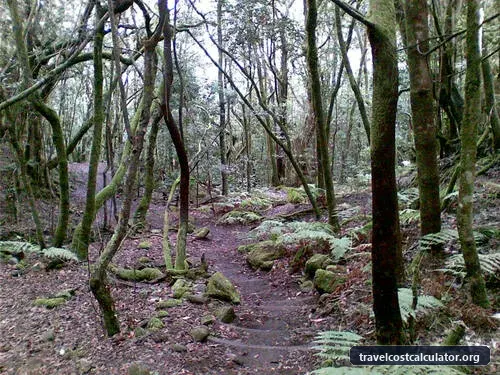
Laurel forest covers some 70% of this park, situated in the middle of the island of La Gomera in the Canary Islands archipelago.
Garajonay National Park
🏛️ Overview & Historical Significance
Inscribed as a UNESCO World Heritage site in 1986, Garajonay National Park (Parque Nacional de Garajonay) represents one of the planet's most astonishing botanical time capsules. Located at the heart of La Gomera in Spain's Canary Islands, this 4,000-hectare sanctuary shelters the world's best-preserved expanse of laurisilva (laurel forest)—a subtropical woodland ecosystem that dominated the Mediterranean basin during the Tertiary Era over 20 million years ago. While ice ages wiped out these humid cloud forests across continental Europe and North Africa, the stable marine climate of the Macaronesian archipelago allowed Garajonay to survive virtually unaltered.
UNESCO awarded Garajonay World Heritage status based on Criterion (vii) and (x), recognizing its exceptional natural beauty and its globally significant concentration of endemic flora and fauna. Over 70% of the park is covered by continuous cloud forest, nourished by trade winds that create a perpetual phenomenon known as lluvia horizontal (horizontal rain). This persistent moisture supports massive moss-draped trees, giant ferns, and dozens of endemic plant species found nowhere else on Earth, including rare laurel species (Laurus novocanariensis) and endangered wood pigeons like the Bolle's and white-tailed laurel pigeon.
Beyond its ecological supremacy, the park carries deep cultural resonance. It derives its name from the aboriginal Guanche legend of Gara and Jonay—tragic lovers akin to Romeo and Juliet—who leaped to their deaths from the island’s highest summit, Alto de Garajonay (1,487 meters / 4,879 feet), to remain united forever. Today, walking through Garajonay feels like stepping into a prehistoric fairy tale where mist weaves through twisted boughs and ancient volcanic plugs (roques) stand guard over deep green ravines.
🎟️ Entrance Fees, Opening Hours & Ticket Booking Tips
Accessing Garajonay National Park is surprisingly affordable for budget-conscious travelers and luxury explorers alike. Under Spanish national park regulations updated for 2026, admission to the park grounds remains entirely free of charge.
-
✦
Park Entrance Fee: Free (€0 / $0 USD).
-
✦
Juego de Bolas Visitor Center Entry: Free (€0 / $0 USD).
-
✦
Official Guided Park Tours: Free (€0 / $0 USD), but online pre-registration is mandatory.
-
✦
Private Guided Hiking Tours (2026 Rates): €25–€55 ($27–$60 USD) per person depending on group size and duration.
Opening Hours & Visitor Centers
The national park trails and scenic lookouts remain open 24 hours a day, 365 days a year. However, safety regulations recommend hiking between sunrise and sunset. The main visitor hub, Centro de Visitantes Juego de Bolas (located in La Palmita, near Agulo), operates daily from 9:30 AM to 4:30 PM. It features interactive botanical exhibits, traditional craft workshops, an ethnographic garden, and park rangers who provide tailored trail advice and free topographical maps.
Booking Tips for 2026
If you wish to join the official free guided walks led by park rangers (available on weekends and select weekdays), you must reserve your spot through the Organismo Autónomo Parques Nacionales online reservation portal. Slots open 30 to 60 days in advance and fill up rapidly during peak travel seasons (spring and autumn). If official tours are fully booked, local eco-tour operators in San Sebastián de La Gomera and Valle Gran Rey offer accredited guided treks with equipment rental included.
🚌 How to Get There & Local Transit Costs
Reaching Garajonay National Park requires traveling to La Gomera, which does not host direct international flights. Most travelers arrive via the neighboring island of Tenerife or through regional island-hopper flights.
Step 1: Arrive in La Gomera
-
✦
By Express Ferry (Most Popular): Take a fast ferry from Los Cristianos Port in South Tenerife to San Sebastián de La Gomera. Two main lines operate daily ferry service: Fred. Olsen Express (approx. 50 minutes) and Naviera Armas (approx. 50–60 minutes). Passenger tickets in 2026 range from €42 to €58 ($46–$63 USD) one-way for non-residents. Ferrying a rental vehicle costs an additional €35 to €50 ($38–$55 USD) each way.
-
✦
By Island-Hopper Flight: Regional airline Binter Canarias operates daily 30-minute flights from Tenerife North Airport (TFN) and Gran Canaria Airport (LPA) to La Gomera Airport (GMZ), located near Alajeró. Flights average €50–€90 ($55–$98 USD) one-way for international visitors.
Step 2: Traveling to the National Park Trails
-
✦
Rental Car (Recommended): Renting a car at the San Sebastián port or La Gomera airport offers ultimate flexibility. In 2026, daily car rental rates average €30–€55 ($33–$60 USD) per day. The park is accessed via the central highway (GM-2), approximately a 30-minute scenic drive from San Sebastián.
-
✦
Public Bus (Guagua - GuaguasGomera): Public transportation is economical but runs on limited timetables. Line 1 connects San Sebastián to Valle Gran Rey, stopping at major park access points such as Pajarito and Laguna Grande. Tickets cost €3.50–€5.00 ($3.80–$5.50 USD) per leg. Line 2 serves the northern side near the Juego de Bolas Visitor Center.
-
✦
Taxi & Private Transfer: A taxi from the port of San Sebastián to Laguna Grande or the trailheads at El Cedro costs roughly €35–€48 ($38–$52 USD) one-way.
📸 Best Photography Spots & Insider Visit Hacks
Garajonay’s unique climate creates dramatically shifting light, moody mist, and sun-dappled forest foliage. Capturing the perfect shot requires knowing where to go and understanding the island's microclimates.
Top Photography Locations
-
✦
Roque de Agando & Mirador de Tajaqué: Located along the GM-2 road, this viewpoint offers iconic panoramas of the ancient basaltic monolith (Roque de Agando) piercing through the mar de nubes (sea of clouds). Best time: Late afternoon or golden hour.
-
✦
El Cedro Forest (Ruta 2): Deep within the damp heart of the park, this trail features moss-lined paths, stream crossings, and giant tree ferns shrouded in ethereal fog. Best time: Mid-morning when mist rolls through the canopy.
-
✦
Alto de Garajonay Peak: The highest summit on the island delivers 360-degree vistas. On clear days, you can photograph neighboring islands Mount Teide on Tenerife, La Palma, and El Hierro floating above the clouds. Best time: Sunrise.
-
✦
Mirador de Vallehermoso: Positioned on the northern flank, capturing northern mountain ridge landscapes plunging into lush green agricultural valleys below.
Insider Visit Hacks for 2026
-
✦
Dress in Layers: Microclimates vary wildly. While coastal La Gomera may be 24°C (75°F) and sunny, the forest interior at 1,300 meters altitude can drop to 10°C (50°F) with dense, moisture-laden fog. Pack a lightweight waterproof jacket, thermal layer, and sturdy hiking boots.
-
✦
Avoid the Midday Tour Buses: Day-trippers arriving via ferry from Tenerife generally crowd Laguna Grande between 11:30 AM and 2:30 PM. Plan your major trail hikes for early morning (before 10:00 AM) or late afternoon.
-
✦
Carry Cash & Trail Fuel: Mobile signal inside the deep gorges is unreliable, and rustic mountain taverns near trailheads (such as in El Cedro or Chipude) often prefer cash payments for small purchases.
-
✦
Stick to Marked Trails: The laurisilva ecosystem is delicate. Wandering off designated paths damages fragile mosses, causes soil erosion, and risks disturbing nesting endemic bird species.
🏨 Nearby Accommodation & Daily Budget Allocation
While overnight camping inside Garajonay National Park is strictly prohibited to protect the forest ecosystem, stunning rural accommodations, boutique hotels, and eco-lodges surround the perimeter of the park.
Where to Stay Near Garajonay
-
✦
Hermigua & Agulo (North Coast): Ideal for nature lovers and hikers seeking traditional Canarian stone houses, lush valley views, and quick access to the Juego de Bolas Visitor Center.
-
✦
Valle Gran Rey (West Coast): Perfect for travelers wanting a coastal base with black sand beaches, vibrant sunsets, and easy public transit access into the highlands.
-
✦
San Sebastián de La Gomera (East Coast): Convenient for ferry access, historic sites linked to Christopher Columbus, and upscale hotel stays.
2026 Accommodation Pricing Tiers
-
✦
Budget (Hostels & Rural Guesthouses): €40–€70 ($44–$76 USD) per night. Clean rooms, communal kitchens, and village settings in Hermigua or Vallehermoso.
-
✦
Mid-Range (Boutique Rural Hotels & Apartments): €85–€150 ($92–$163 USD) per night. Restored traditional mansions featuring modern amenities, private terraces, and mountain views.
-
✦
Luxury (Parador de La Gomera & High-End Eco-Resorts): €190–€350 ($207–$380 USD) per night. Clifftop luxury overlooking the ocean and Mount Teide, complete with subtropical gardens and fine dining.
Local Dining Costs & Culinary Highlights
Dining near Garajonay is rich, authentic, and reasonably priced. Expect to spend €12–€20 ($13–$22 USD) per person for lunch at village taverns and €25–€45 ($27–$49 USD) for dinner at full-service restaurants.
Must-try regional specialties include:
-
✦
Almogrote: A savory, spicy paste made from cured goat cheese, garlic, olive oil, and red pepper, spread on warm bread.
-
✦
Potaje de Berros: A thick, flavorful watercress soup traditional to La Gomera, traditionally served in hand-carved wooden bowls (victorias).
-
✦
Papas Arrugadas con Mojo: Wrinkled salty potatoes served with spicy red (mojo picón) or cilantro green (mojo verde) sauces.
-
✦
Miel de Palma: Palm syrup extracted from the Canary Island Date Palm, drizzled over cheeses and local desserts.
Estimated Daily Budget Breakdown (Per Person, 2026)
-
✦
Backpacker / Budget Traveler: €55–€85 ($60–$92 USD) per day (Using public transport, staying in guesthouses, cooking some meals).
-
✦
Flashpacker / Mid-Range Traveler: €135–€210 ($147–$228 USD) per day (Rental car, mid-range rural hotel, dining out daily).
-
✦
Luxury / Eco-Luxe Traveler: €290–€480+ ($315–$522+ USD) per day (Parador stay, private guided treks, fine dining, car rental).
Frequently Asked Questions
Essential visitor FAQs for Garajonay National Park
What is the entrance fee for Garajonay National Park?
How much time do you need to explore Garajonay National Park?
How do I get to Garajonay National Park from the nearest city?
📊 Heritage Quick Specs
Visiting Spain on a Budget?
Calculate your full daily travel budget for Spain — including hotel costs, local transport, food, and sightseeing expenses.
View Spain Daily Travel Costs →Explore more UNESCO World Heritage Sites
🏛️ All 1,200+ Heritage Sites →