
 Ghana
Ghana
Forts and Castles, Volta, Greater Accra, Central and Western Regions
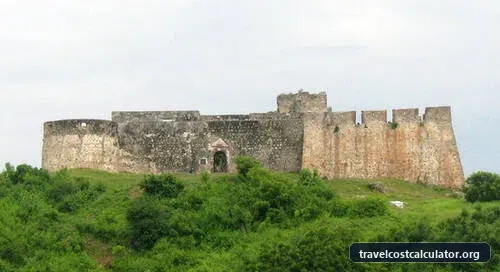
The remains of fortified trading-posts, erected between 1482 and 1786, can still be seen along the coast of Ghana between Keta and Beyin.
Forts and Castles, Volta, Greater Accra, Central and Western Regions
🏛️ Overview & Historical Significance
Stretching across 500 kilometers of West Africa’s Gulf of Guinea, the Forts and Castles of Volta, Greater Accra Travel Budget, Central, and Western Regions represent one of the world's most poignant and historically significant architectural ensembles. Inscribed as a UNESCO World Heritage site in 1979, this network of fortified trading posts consists of 28 surviving castles, forts, and remnants built between 1482 and 1786. They stand as silent, stone testaments to nearly four centuries of intense European colonial rivalry and the tragic human toll of the Transatlantic Slave Trade.
The construction of these fortified structures began with St. George’s Castle (Elmina Castle), erected by the Portuguese in 1482 under the command of Diogo d'Azambuja. Over the next three centuries, competing European maritime powers—including the Dutch, British, Danish, Swedes, and Brandenburgers (Germans)—fought fiercely for commercial dominance along the Gold Coast. These structures were initially designed to protect trade monopolies in gold, timber, and ivory. However, as global trade shifted in the 17th century, the forts were systematically expanded and reconfigured into specialized transit hubs for human trafficking.
UNESCO designated these coastal fortresses based on Criterion (vi), recognizing their direct, tangible association with events of universal significance. Millions of enslaved Africans were funneled through the subterranean dungeons of strongholds like Cape Coast Travel Budget Castle, Elmina Castle, Fort St. Jago, and Fort San Antonio before being forced through the symbolic "Door of No Return" onto transatlantic vessels. Today, these sites serve as essential pilgrimage destinations for the global African diaspora, educational hubs, and solemn monuments to human resilience.
🎟️ Entrance Fees, Opening Hours & Ticket Booking Tips
Visiting the World Heritage properties in 2026 requires understanding that fees vary between the primary managed castles (Cape Coast and Elmina) and the smaller, outlying historic forts managed by local traditional councils or the Ghana Monuments and Relics Board (GMRB).
Estimated 2026 Entrance Pricing
-
✦
Major Castles (Cape Coast Castle & Elmina Castle - per site):
- Non-Resident Adult: 300 GHS (~$18.50 USD)
-
✦
Non-Resident Student (with valid ID): 180 GHS (~$11.00 USD)
-
✦
Ghanaian Adult Resident: 40 GHS (~$2.50 USD)
-
✦
Child (Under 12): 50 GHS (~$3.00 USD)
- Non-Resident Adult: 100 GHS – 150 GHS (~$6.00 – $9.50 USD)
Opening Hours & Logistics
The major castles are open daily, including weekends and national holidays, from 9:00 AM to 5:00 PM. Guided tours are included in the price of admission and depart every 30 to 45 minutes. A guided tour lasts approximately 60 to 75 minutes. Smaller forts in the Western Region (such as Dixcove or Axim) may keep informal hours; local caretakers are usually nearby to unlock the gates for visitors.
Booking Tips
-
✦
Payment Methods: Most ticket counters operate primarily on cash in Ghanaian Cedi (GHS) or local Mobile Money (MTN MoMo / Telecel Cash). International credit card terminals are occasionally offline due to network interruptions, so carry sufficient physical GHS.
-
✦
Tour Guides: Official guides are highly knowledgeable. While their services are bundled into your ticket fee, tipping your guide (100–200 GHS / ~$6–$12 USD per group) is customary and directly supports local livelihoods.
🚌 How to Get There & Local Transit Costs
The primary gateway for exploring Ghana's coastal heritage is the capital city of Accra (Kotoka International Airport - ACC). From Accra, travelers can journey westward along the coastal highway (N1) toward the Central and Western Regions.
1. Travel to Cape Coast & Elmina (Central Region Hub)
Cape Coast lies roughly 145 km (90 miles) west of Accra. Travel time ranges from 3 to 5 hours depending on highway traffic through Kasoa.
-
✦
Intercity STC / VIP Jeoun Bus (Recommended): Comfort buses depart regularly from the Kaneshie or Circle terminals in Accra to Cape Coast. One-way fare costs approximately 120 GHS to 160 GHS (~$7.50 – $10.00 USD). Buses feature air-conditioning and scheduled departures.
-
✦
Tro-tro (Local Minibus): Minibuses run continuously from Accra’s Kaneshie station to Cape Coast. Fares range between 80 GHS and 110 GHS (~$5.00 – $7.00 USD). Tro-tros are inexpensive but depart only when completely full and offer minimal legroom.
-
✦
Private Taxi / Ride-Hailing Charter: A private vehicle with a driver from Accra to Cape Coast and back costs around 1,800 GHS to 2,500 GHS (~$110 – $155 USD) per day, excluding fuel. This is the fastest and most flexible option for visiting multiple forts in a single day.
2. Moving Between Cape Coast and Elmina
Elmina is located just 12 km west of Cape Coast. You can travel between them easily:
-
✦
Shared Taxi: 15 GHS – 20 GHS (~$1.00 USD) per seat from Cape Coast main station to Elmina.
-
✦
Private Drop Taxi / Bolt: 60 GHS – 100 GHS (~$3.70 – $6.20 USD) one-way.
3. Reaching the Western Region Forts (Dixcove, Axim, Beyin)
To visit Western Region sites like Fort Metal Cross (Dixcove), Fort San Antonio (Axim), or Fort Apollonia (Beyin), use Takoradi as your secondary hub. From Cape Coast, take a minibus to Takoradi (approx. 2 hours, 70 GHS / ~$4.30 USD), then transfer to local taxis or tro-tros heading out to the coastal towns.
📸 Best Photography Spots & Insider Visit Hacks
Prime Photography Angles
-
✦
Elmina Castle Ramparts: Stand on the upper courtyard ramparts overlooking the bustling Benya Lagoon. Capturing hundreds of brightly painted wooden fishing pirogues (canoes) contrasting against the stark white walls of the castle offers an iconic image.
-
✦
View from Fort St. Jago: Climb the hill to Fort St. Jago across the harbor from Elmina Castle. The elevated panoramic view captures Elmina Castle set against the expanse of the Atlantic Ocean.
-
✦
Cape Coast Castle Cannons & Ocean View: Photograph the rows of 18th-century iron cannons positioned along the weathered stone bastions with breaking Atlantic surf in the background.
-
✦
The Door of Return: Capture the poignant interior doorway facing the sea at Cape Coast Castle, where the exterior side now reads "Door of Return" to welcome home descendants of the African diaspora.
Insider Visit Hacks for 2026
-
✦
Prepare Emotionally: Visiting the dark, airless dungeons where hundreds of people were confined for months is an intensely heavy emotional experience. Take your time, bring water, and allow yourself quiet moments for reflection.
-
✦
Optimal Visit Timing: Arrive right at opening (9:00 AM) to experience the castles in quiet solitude before large tour buses arrive around 11:00 AM. Late afternoon (3:30 PM – 5:00 PM) also offers warm golden lighting for photos along the exterior walls.
-
✦
Seasonal Considerations: The dry season runs from November through March, featuring low rainfall and sunny skies. The heavy rainy season occurs from May to July, which can make rural coastal roads to smaller Western Region forts muddy and slow.
-
✦
Respectful Etiquette: Always ask permission before photographing local residents, particularly fishermen along the beaches adjacent to the castle walls. A friendly greeting in Fante ("Akwaaba" for welcome, "Medaase" for thank you) creates immediate warmth and mutual respect.
🏨 Nearby Accommodation & Daily Budget Allocation
Cape Coast, Elmina, and the surrounding coastal stretches offer diverse lodging options catering to all travel styles, from beachfront backpacker hostels to eco-luxury resorts.
Accommodation Recommendations
-
✦
Budget ($25 – $45 USD / night): Oasis Beach Resort (Cape Coast) — Located directly on the beach near Cape Coast Castle, offering clean rooms, a lively bar, and a welcoming backpacker atmosphere. Orange Beach Resort (Elmina) — Simple beach huts with ocean views and easy access to Elmina Castle.
-
✦
Mid-Range ($80 – $150 USD / night): Coconut Grove Beach Resort (Elmina) — A coastal resort featuring a golf course, swimming pool, manicured gardens, and excellent security. Brenu Beach Resort (Brenu Akyinim) — Located on a pristine beach halfway between Cape Coast and Takoradi.
-
✦
Boutique / Luxury ($200 – $400+ USD / night): Ridge Royal Hotel (Cape Coast) — Top-tier modern amenities, fine dining, swimming pool, and business-class comfort. Lou Moon Resort (Axim, Western Region) — An eco-luxury resort tucked into a private cove near Fort San Antonio.
Dining & Local Cuisine Costs
Sampling regional Ghanaian cooking is cheap and flavorful. Try local staples such as Banku with Grilled Tilapia, Fufu with Light Soup, fresh sea lobster, or Jollof Rice.
-
✦
Local Chop Bars / Street Food: 30 GHS – 60 GHS (~$2.00 – $3.70 USD) per meal.
-
✦
Mid-Range Beach Restaurants: 120 GHS – 250 GHS (~$7.50 – $15.50 USD) per meal.
-
✦
Fresh Coconut Waters (Beachside): 10 GHS – 15 GHS (~$0.60 – $0.90 USD).
Estimated 2026 Daily Budget Allocations
-
✦
Budget Backpacker: $45 – $65 USD / day (700 – 1,000 GHS)
- Lodging: $25 (Dorm/Budget Private)
-
✦
Transport: $10 (Public Tro-tros & shared taxis)
-
✦
Food: $15 (Local chop bars & markets)
-
✦
Attractions: $15 (One castle entrance ticket)
- Lodging: $100 (Comfortable beach resort/hotel)
- Lodging: $250+ (High-end resort suite)
Frequently Asked Questions
Essential visitor FAQs for Forts and Castles, Volta, Greater Accra, Central and Western Regions
What is the entrance fee for Forts and Castles, Volta, Greater Accra, Central and Western Regions?
How much time do you need to explore Forts and Castles, Volta, Greater Accra, Central and Western Regions?
How do I get to Forts and Castles, Volta, Greater Accra, Central and Western Regions from the nearest city?
📊 Heritage Quick Specs
Visiting Ghana on a Budget?
Calculate your full daily travel budget for Ghana — including hotel costs, local transport, food, and sightseeing expenses.
View Ghana Daily Travel Costs →Explore more UNESCO World Heritage Sites
🏛️ All 1,200+ Heritage Sites →