
 Mexico
El Pinacate and Gran Desierto de Altar Biosphere Reserve
The 714,566 hectare site comprises two distinct parts: the dormant volcanic Pinacate Shield of black and red lava flows and desert pavements to the east, and, in the west, the Gran Altar Desert with its ever ch...
El Pinacate and Gran Desierto de Altar Biosphere Reserve
🏛️ Overview & Historical Significance
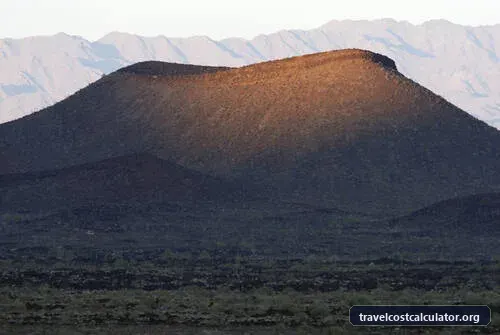
Rising dramatically out of the Sonoran Desert in northwestern Mexico, the El Pinacate and Gran Desierto de Altar Biosphere Reserve is one of the planet’s most visually striking and geologically bizarre landscapes. Spanning over 714,000 hectares (nearly 1.8 million acres), this protected UNESCO World Heritage Site—inscribed in 2013—presents a surreal juxtaposition of two distinct natural phenomena: the dark, jagged volcanic shields and giant maar craters of the Pinacate Volcanic Complex, alongside the sweeping, golden star dunes of the Gran Desierto de Altar, North America's largest active dune field.
UNESCO designated the reserve for its exceptional natural beauty, profound geological process diversity, and unmatched desert biodiversity. The region contains more than 10 massive, near-perfectly circular maar craters. Formed when rising magma encountered underground water reservoirs, causing catastrophic steam explosions, these sunken cauldrons—such as the famous Crater El Elegante—resemble lunar impacts. In fact, during the 1960s and 1970s, NASA sent Apollo astronauts to El Pinacate to train for Moon walks, as its terrain provided the closest terrestrial analog to lunar geology.
Beyond its cosmic topography, El Pinacate holds deep cultural and ecological significance. For thousands of years, the area has been the ancestral spiritual homeland of the Hia C'ed O'odham and Tohono O'odham indigenous peoples. Sacred sites dot the landscape, including Pinacate Peak (Cerro del Pinacate), considered the dwelling place of their creator deity, I'itoi. Despite receiving less than 3 inches of rainfall annually, the reserve supports over 540 species of vascular plants, 40 species of mammals (including the endangered Sonoran pronghorn and bighorn sheep), 200 species of birds, and over 40 reptile species.
🎟️ Entrance Fees, Opening Hours & Ticket Booking Tips
Visiting El Pinacate is managed by Mexico's National Commission of Natural Protected Areas (CONANP). Ticket prices and entry logistics are maintained at affordable rates to promote eco-tourism while preserving fragile desert ecosystems.
2026 Estimated Entrance Fees & Costs
-
✦
Biosphere Reserve Entrance Bracelet (CONANP Pass): ~140 MXN – 180 MXN per person (approx. $8.00 – $10.50 USD). This grants access to the main Vehicular Circuit and crater rim trails.
-
✦
Schuk Toak Visitor Center Admission: ~70 MXN – 90 MXN per person (approx. $4.00 – $5.00 USD). Grants access to the museum, interactive displays, and the sand dune boardwalk trails.
-
✦
Combined Eco-Pass (Visitor Center + Main Volcanic Loop): ~200 MXN – 240 MXN per person (approx. $11.50 – $14.00 USD).
-
✦
Camping Fee (per night): ~150 MXN (approx. $8.50 USD) per vehicle/tent at designated campsites.
Opening Hours & Access Rules
The main gates and the Schuk Toak Visitor Center generally operate Wednesday through Sunday from 8:00 AM to 5:00 PM (closed Mondays and Tuesdays, though check ahead as access windows may shift seasonally). Entry to the main volcanic loop road (Vehicular Circuit) typically closes to incoming traffic by 1:30 PM – 2:00 PM to ensure all vehicles exit safely before nightfall.
Essential Ticket & Entry Tips
-
✦
Cash is Required: Payment booths at the biological station and gate entries run on solar power and limited satellite links; cash (Mexican Pesos or exact USD notes) is strongly recommended as credit card processing can be offline.
-
✦
Visitor Registration: Every visitor must check in at the official entrance station (Estación Biológica or Schuk Toak) to sign the visitor ledger for safety monitoring.
-
✦
No Prior Online Booking Needed: Tickets are sold directly at the entrance gates. However, hiring a certified local guide from Puerto Peñasco in advance is recommended if you do not have a suitable high-clearance vehicle.
🚌 How to Get There & Local Transit Costs
El Pinacate and Gran Desierto de Altar Biosphere Reserve is located in the state of Sonora, Mexico, positioned between the US-Mexico border town of Sonoyta and the coastal resort city of Puerto Peñasco (Rocky Point).
Primary Gateway Cities
-
✦
Puerto Peñasco, Mexico: ~50 km (30 miles) south of the main reserve entrance (40-minute drive).
-
✦
Phoenix or Tucson, Arizona (USA): ~3.5 to 4 hours drive south across the Lukeville/Sonoyta border crossing.
-
✦
Hermosillo, Sonora: ~4.5 hours drive northwest via Highway MX-2 and MX-8.
Step-by-Step Transport Options & 2026 Costs
Option 1: Self-Drive Rental (Most Popular & Practical)
Renting a vehicle is the most flexible way to explore the expansive reserve. High-clearance vehicles (SUVs or cross-overs) are strongly recommended due to unpaved, corrugated, and sandy internal dirt roads.
-
✦
Rental Car Cost: ~$50 – $90 USD per day from Phoenix, Tucson, or Puerto Peñasco.
-
✦
Mexican Auto Insurance (Mandatory): ~$20 – $35 USD per day (must be purchased separately if driving across the US border).
-
✦
Fuel Costs: Expect to spend ~$15 – $25 USD in unleaded fuel for round-trip driving from Puerto Peñasco plus internal reserve tracks.
Option 2: Guided Day Tours from Puerto Peñasco
If you prefer not to drive on rough desert roads, several eco-tour operators in Puerto Peñasco offer 4x4 guided excursions complete with transport, park entry, water, and an expert bilingual naturalist guide.
-
✦
Group Tour Price: ~$90 – $140 USD per person for a 6- to 8-hour excursion.
-
✦
Private Specialized Tour: ~$250 – $400 USD total for a private vehicle setup.
Option 3: Public Intercity Bus + Taxi Combination
For budget long-distance travelers, long-distance buses run along major Mexican highways, but local transport to the interior crater gates requires private arrangements.
-
✦
Intercity Bus (e.g., Tufesa, Altar): Take a bus from Hermosillo or Mexicali to Sonoyta or Puerto Peñasco (~$25 – $40 USD one-way).
-
✦
Taxi / Local Driver Hire: Hire a private taxi or driver from Puerto Peñasco or Sonoyta for a round-trip reserve run (~$110 – $160 USD total for the day, negotiate driver waiting time in advance).
📸 Best Photography Spots & Insider Visit Hacks
El Pinacate's vast scale and otherworldly terrain offer extraordinary opportunities for landscape photography, astrophotography, and wilderness exploration.
Top Photography Locations
-
✦
Crater El Elegante: The crown jewel of the reserve. Spanning 1.4 kilometers across and 240 meters deep, this colossal maar crater is best photographed during early morning light or late afternoon when side-lighting emphasizes the geological layers of the inner walls.
-
✦
Cerro Colorado Crater: Distinct for its reddish volcanic tuff walls and flat floor, this crater glows brilliantly during golden hour just before sunset.
-
✦
Schuk Toak Dunes Trail: The wooden boardwalk system at the Schuk Toak Visitor Center leads directly out into the Gran Desierto star dunes. Capture sweeping dune ripples framed by giant saguaro cacti.
-
✦
Mayo Crater & Badillo Crater: Lesser-visited volcanic craters along the driving loop that showcase stark contrasts between dark basaltic lava flows and pale desert flora.
Insider Visit Hacks & Safety Warnings
-
✦
Respect Seasonal Temperature Extremes: The ideal visiting season is November through March, when daytime temperatures linger between 65°F and 82°F (18°C – 28°C). Avoid visiting between June and September, when temperatures routinely exceed 115°F (46°C)—extreme heat poses lethal risks, and trail access may be restricted.
-
✦
Vehicle Preparation: Lower your tire pressure slightly if navigating sandy spur tracks, and ensure your vehicle has a spare tire, jack, and extra coolant. Do not deviate from established vehicular tracks to prevent destroying delicate cryptobiotic soil crusts.
-
✦
Hydration Rules: Carry a minimum of 4 liters (1 gallon) of drinking water per person per day, even for short scenic drives. There are no potable water stations inside the volcanic loop.
-
✦
Download Offline Maps: Mobile phone reception disappears almost completely once you drive off Highway MX-8. Pre-download Google Maps, Maps.me, or Gaia GPS layers for off-grid navigation.
-
✦
Stargazing & Dark Skies: The reserve boasts exceptionally low light pollution. If camping overnight, bring a tripod and wide-angle lens to capture Milky Way photography over volcanic craters.
🏨 Nearby Accommodation & Daily Budget Allocation
Because there are no hotels inside the reserve itself, visitors stay either in designated backcountry campsites within the park or base themselves in nearby Puerto Peñasco or Sonoyta.
Accommodation Options
-
✦
Park Camping (Backcountry): Designated campsites like Misión San Pedro Travel Budget and El Tecolote offer basic dry camping with pit toilets and shaded palapas. Cost: ~$8.50 USD (150 MXN) per tent per night. (Must bring all water, fuel, and supplies).
-
✦
Budget Lodging (Sonoyta or Puerto Peñasco): Roadside motels in Sonoyta or budget guesthouses in Puerto Peñasco town center. Cost: ~$35 – $65 USD per night.
-
✦
Mid-Range Hotels (Puerto Peñasco): Comfortable beachfront hotels such as Laos Mar Hotel or Hotel Peñasco del Sol. Cost: ~$95 – $175 USD per night.
-
✦
Luxury Resorts (Puerto Peñasco / Sandy Beach): High-end oceanfront condo resorts such as Las Palomas Beach & Golf Resort or Bella Sirena. Cost: ~$220 – $420 USD per night.
Dining & Local Food Costs
-
✦
Budget Street Eats (Tacos & Seafood Shacks): Fish tacos, fresh ceviche, or Sonoran beef street tacos cost ~$2.00 – $4.00 USD per taco (100 – 250 MXN for a full meal).
-
✦
Mid-Range Dining (Puerto Peñasco Waterfront): Full seafood dinners featuring Gulf of California shrimp or fresh catch cost ~$18 – $35 USD per person.
-
✦
Self-Catering Snacks for Park Trips: Expect to spend ~$10 – $15 USD per person stocking up on water, snacks, fruit, and lunch supplies at local supermarkets before entering the biosphere.
Estimated Daily Budget Breakdowns (2026 Prices)
Budget / Independent Camper ($45 – $75 USD / day)
-
✦
Accommodation: $8.50 USD (Camping fee)
-
✦
Food & Supplies: $15 – $20 USD (Grocery store prep & tacos)
-
✦
Entrance Fees: $12 USD (Park bracelet + Visitor Center)
-
✦
Transport (Shared fuel/car costs): $15 – $35 USD
Mid-Range Traveler ($150 – $260 USD / day)
-
✦
Accommodation: $110 USD (Standard hotel room in Puerto Peñasco)
-
✦
Food & Drink: $45 USD (Restaurant meals & beverages)
-
✦
Entrance Fees: $12 USD
-
✦
Transport: $40 – $95 USD (Daily rental car + insurance share or local tour)
Luxury / Tour Traveler ($380 – $650+ USD / day)
-
✦
Accommodation: $280 USD (Oceanfront resort suite)
-
✦
Food & Fine Dining: $90 USD (Top seafood restaurants & cocktails)
-
✦
Transport & Excursions: $140 – $250 USD (Private 4x4 guided ecosystem tour)
Frequently Asked Questions
Essential visitor FAQs for El Pinacate and Gran Desierto de Altar Biosphere Reserve
What is the entrance fee for El Pinacate and Gran Desierto de Altar Biosphere Reserve?
How much time do you need to explore El Pinacate and Gran Desierto de Altar Biosphere Reserve?
How do I get to El Pinacate and Gran Desierto de Altar Biosphere Reserve from the nearest city?
📊 Heritage Quick Specs
Visiting Mexico on a Budget?
Calculate your full daily travel budget for Mexico — including hotel costs, local transport, food, and sightseeing expenses.
View Mexico Daily Travel Costs →Explore more UNESCO World Heritage Sites
🏛️ All 1,200+ Heritage Sites →