
 Lithuania
Curonian Spit
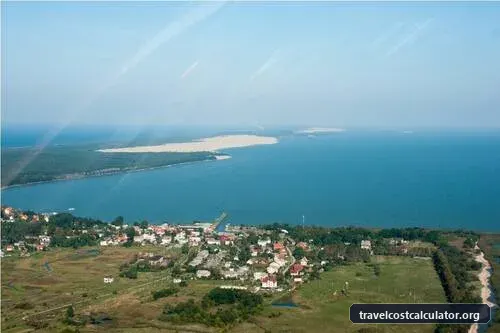
Human habitation of this elongated sand dune peninsula, 98 km long and 0.4-4 km wide, dates back to prehistoric times.
Curonian Spit
🏛️ Overview & Historical Significance
Stretching 98 kilometers along the Baltic coastline—with 52 kilometers managed by Lithuania as Kuršių Nerija National Park—the Curonian Spit is one of Northern Europe’s most delicate and visually arrestive natural wonders. In 2000, UNESCO designated the Curonian Spit as a World Heritage site under Category V (Cultural Landscape), recognizing it as an outstanding example of a landscape formed by a centuries-long, dramatic struggle between human survival and harsh natural forces.
Formed roughly 5,000 years ago by glacial retreat, currents, and winds, this narrow sand-dune peninsula separates the shallow waters of the Curonian Lagoon from the open Baltic Sea. By the 16th and 17th centuries, unchecked timber harvesting for shipbuilding and fuel devastated the spit's natural protective forests. Deprived of vegetation, massive moving sand dunes began migrating across the land, swallowing entire fishing villages, roads, and farmlands under tens of meters of shifting sand—giving rise to the famous legend of Lithuania’s "Dead Dunes."
The survival of the spit today is an engineering marvel of historic reforestation. Starting in the late 18th and early 19th centuries, Prussian forestry visionaries such as Wilhelm Franz Epha and dedicated local Curonian fishermen undertook a continuous, multi-generational stabilization project. They constructed a 50-kilometer protective coastal dune ridge (the veitdune) using wooden palisades and planted specialized dune grasses and mountain pines (Pinus mugo) imported from Denmark and Switzerland. This perpetual stewardship continues today, making the Curonian Spit a living symbol of human adaptation and ecological preservation.
Beyond its geological drama, the region possesses a distinct maritime culture. Visitors will observe traditional Curonian architecture—pintas timber houses painted in deep "Nida blue" and reddish-brown hues—crowned by intricate carved wooden weather vanes (Krikštai) that historically identified fishing vessels. The unique atmosphere attracted prominent 20th-century cultural figures, including Nobel laureate Thomas Mann, who built a summer residence overlooking the lagoon in Nida.
🎟️ Entrance Fees, Opening Hours & Ticket Booking Tips
Visiting the Curonian Spit involves navigating a few specific municipal tolls, ferry fares, and environmental conservation fees. As of 2026, the local Neringa Municipality has expanded digital tolling to manage vehicle emissions and preserve the fragile ecosystem. Here is the complete breakdown of 2026 costs in Euros (€) and USD ($):
1. Municipal Ecological Entrance Toll (Vehicle Entry Checkpoint)
If you drive a personal car or rental vehicle onto the spit, you must pay an ecological entrance toll at the Alksnynė Checkpoint (just south of Smiltynė). You can pay via the official UNIPARK app, online via the Neringa municipality portal, or at the physical toll gates.
-
✦
Peak Summer Season (June 1 – August 31): €30.00 (~$32.50 USD) per standard passenger car per entry.
-
✦
Shoulder & Winter Season (September 1 – May 31): €10.00 – €12.00 (~$11.00 – $13.00 USD) per standard car.
-
✦
Electric Vehicles (EVs): Free entry (Must be pre-registered online or verified at the barrier to receive a 100% discount pass).
-
✦
Pedestrians, Cyclists, & Bus Passengers: €0.00 (Exempt from the vehicle toll).
2. Nagliai Strict Nature Reserve (Dead Dunes) Educational Trail
To walk the restricted boardwalk over the migrating sand dunes, visitors must purchase an entry ticket at the trailhead parking area between Juodkrantė and Pervalka.
-
✦
Adult Ticket (Summer): €8.00 (~$8.70 USD).
-
✦
Students / Seniors (Summer): €4.00 (~$4.35 USD).
-
✦
Off-Peak Ticket (October – April): €3.00 – €4.00 (~$3.25 – $4.35 USD).
-
✦
Opening Hours: The trail is accessible daily from sunrise to sunset. Ticket checkers are stationed on-site from 9:00 AM to 7:00 PM during peak months.
3. Key Cultural Museums & Attractions
-
✦
Thomas Mann Cultural Center (Nida): Adults: €5.00 (~$5.45 USD); Students: €2.50. Open Tuesday–Sunday (10:00 AM – 6:00 PM in summer).
-
✦
Lithuanian Sea Museum & Dolphinarium (Smiltynė): Adults: €13.00 – €16.00 (~$14.00 – $17.50 USD) depending on the month and dolphin performance schedules.
-
✦
Nida Fisherman’s Homestead: Adults: €4.00 (~$4.35 USD).
-
✦
Hill of Witches (Raganų Kalnas, Juodkrantė): Free entry (Open 24/7, outdoor forest sculpture park).
Booking Tip: During July and August, buy your Smiltynė ferry ticket and pre-pay the Neringa vehicle toll online before reaching Klaipėda. This allows you to skip the physical payment lanes at the Alksnynė toll checkpoint and save up to 30 minutes during peak morning travel hours.
🚌 How to Get There & Local Transit Costs
The absolute starting gateway for reaching the Curonian Spit is the port city of Klaipėda, located on the mainland of Western Lithuania. Direct international arrivals usually fly into Palanga International Airport (PLQ) (30 km north of Klaipėda) or Vilnius Travel Budget Airport (VNO).
Step 1: Traveling from Major Cities to Klaipėda
-
✦
From Vilnius: Modern LTG Link trains run directly from Vilnius Railway Station to Klaipėda 4–5 times daily. Travel time is ~3 hours 45 minutes. Second-class tickets cost €19.00 – €28.00 (~$20.50 – $30.00 USD). Express buses run from Vilnius Coach Station every 1–2 hours costing €22.00 – €26.00.
-
✦
From Kaunas Travel Budget: Direct express buses take roughly 2.5 hours and cost €14.00 – €18.00 (~$15.00 – $19.50 USD).
-
✦
From Palanga Airport (PLQ): Take Regional Bus #28 or a local taxi/rideshare (Bolt) directly to Klaipėda Old Town for €20.00 – €30.00 (~$21.50 – $32.50 USD).
Step 2: Ferry Crossing from Klaipėda to Smiltynė
The ferry company Smiltynės Perkėla operates two separate terminals in Klaipėda:
-
✦
Old Ferry Terminal (Danės g. 1): Serves pedestrians and cyclists only. Drops you off directly at the Lithuanian Sea Museum/Smiltynė side. Operates every 30 minutes. Round-trip ticket: €1.80 (~$1.95 USD) per person. Bikes ride for free with a foot passenger ticket.
-
✦
New Ferry Terminal (Nemuno g. 8): Serves motor vehicles, buses, and cyclists. Crosses every 20 minutes during peak season. Round-trip car ferry ticket: €24.50 (~$26.50 USD).
Step 3: Navigating the Spit (Smiltynė to Nida)
Once across the ferry in Smiltynė, you must travel southward along the main road (151) to reach the settlements of Juodkrantė (18 km), Pervalka (34 km), Preila (39 km), and Nida (50 km).
-
✦
Local Public Bus (Line #36): Synchronized with arriving passenger ferries at Smiltynė, buses run every 1–2 hours down the peninsula to Nida. Fare from Smiltynė to Nida: €4.50 – €5.00 (~$4.90 – $5.45 USD) one-way. Cash or contactless card payment accepted on board.
-
✦
Cycling (Recommended): The Curonian Spit features a fully paved, dedicated bicycle trail that forms part of the EuroVelo 10/13 network. Renting a trekking bike or e-bike in Klaipėda or Nida costs €14.00 – €25.00 (~$15.00 – $27.00 USD) per day. The ride from Smiltynė to Nida takes 3 to 4 hours along flat, pine-scented paths.
📸 Best Photography Spots & Insider Visit Hacks
The Curonian Spit’s shifting light, dramatically changing weather, and stark landscape offer incredible photography potential. Here are the top locations and expert logistical hacks to maximize your visit:
1. Parnidis Dune & The Sun Clock (Nida)
Rising 52 meters above sea level just south of Nida, Parnidis Dune offers a 360-degree panorama over both the Baltic Sea and the Curonian Lagoon. At top sits a massive granite sundial rebuilt after storm damage. It is one of the few places in North-Central Europe where you can watch the sun both rise over the lagoon and set into the open sea from the exact same vantage point.
-
✦
Golden Hour Tip: Shoot at sunrise to capture morning light hitting the ripple patterns on the dunes with zero human footprints.
-
✦
Insider Hack: Walk 500 meters south along the marked crest towards the Russian (Kaliningrad) border. You will encounter pristine, windswept ridges that mirror the Sahara Desert against Baltic pine forests. Note: Pay attention to border markers; crossing the physical boundary fence is strictly illegal.
2. Nagliai Nature Reserve (The "Dead Dunes")
Located between Juodkrantė and Pervalka, this nature reserve protects four buried former villages under high grey dunes. A wooden boardwalk cuts directly through the dunes to an elevated viewing tower over the lagoon.
-
✦
Best Light: Late afternoon (5:00 PM – 7:00 PM). The low angle of the sun casts dramatic long shadows over the sandy crevices.
-
✦
Environmental Rule Hack: Do NOT step off the designated wooden plank path. Rangers issue steep instant fines (€100+) for walking on the delicate moss and grey dune crust, which takes decades to regenerate once trampled.
3. Hill of Witches (Raganų Kalnas, Juodkrantė)
An enchanted forest trail winding through ancient oaks and pines, packed with over 80 hand-carved wooden sculptures depicting Lithuanian folklore, devils, witches, and pagan deities.
-
✦
Photography Hack: Visit early in the morning around 8:00 AM. Low morning fog filtering through the pine canopy creates an eerie, mystical atmospheric backdrop for portraits and detail shots of the wooden carvings.
4. Vecekūgas Dune (Near Preila)
At 67.2 meters, Vecekūgas Dune is officially the highest dune on the entire spit. Unlike bare sand dunes, it is almost completely covered in dense mountain pine forest.
-
✦
Insider Hack: Skip the crowds of Parnidis Dune by hiking up Vecekūgas for sunset. The view over the continuous green canopy sweeping down to the Baltic water is one of the most underrated scenes in Lithuania.
🏨 Nearby Accommodation & Daily Budget Allocation
Accommodations on the spit are concentrated in the charming villages of Nida (the cultural hub with the most dining and luxury boutique options) and Juodkrantė (quieter, family-oriented, closer to Klaipėda). Booking 3 to 6 months in advance is essential for summer stays, as capacity is strictly capped by environmental regulations.
Recommended Accommodation Options (2026 Estimates)
-
✦
Budget (Hostels & Private Guest Rooms): Nida Camping & Guest House or local private rooms (Kambarių nuoma) in Juodkrantė. Expect simple, clean amenities with shared kitchens for €35.00 – €65.00 (~$38 – $70 USD) per night.
-
✦
Mid-Range (Boutique Hotels & Apartments): Nidos Banga, Hotel Jurate, or traditional guest villas along the Nida lagoon promenade. Charming rooms with breakfast and local maritime architectural detail cost €90.00 – €160.00 (~$98 – $174 USD) per night.
-
✦
Luxury (Upscale Resorts & Design Villas): Neringa Hotel Villas or private restored fisherman’s manors with direct lagoon views. Expect rates of €200.00 – €350.00+ (~$217 – $380 USD) per night in high season.
Estimated Daily Budget Breakdowns (Per Person in 2026)
1. Backpacker / Eco-Cyclist Budget: €45.00 – €65.00 / day (~$49 – $70 USD)
-
✦
Transit: Passenger Ferry round-trip (€1.80) + Rental bicycle (€15.00/day).
-
✦
Stay: Shared campsite or budget guest room (€35.00).
-
✦
Food: Supermarket self-catering + smoked fish kiosk lunch (€12.00).
-
✦
Sightseeing: Free entries (Hill of Witches, Parnidis Dune, beaches).
2. Mid-Range Traveler Budget: €130.00 – €210.00 / day (~$140 – $228 USD)
-
✦
Transit: Car rental + Split Travel Budget toll & car ferry costs (€25.00 allocation/day) OR regional bus line #36.
-
✦
Stay: 3-star hotel or private villa apartment in Nida/Juodkrantė (€60.00 – €90.00 per person sharing).
-
✦
Food: Sit-down lunches & seafood dinners enjoying traditional fresh-smoked eel (Rūkyta ungurys) or Baltic zander (€40.00 – €60.00).
-
✦
Sightseeing: Nagliai Nature Reserve trail ticket (€8.00) + Thomas Mann Museum (€5.00).
3. Luxury Explorer Budget: €320.00 – €550.00+ / day (~$348 – $598+ USD)
-
✦
Transit: Private car transfer, electric vehicle rental, or private boat charter along the lagoon.
-
✦
Stay: Luxury boutique hotel or sea-view suite (€150.00 – €250.00 per person sharing).
-
✦
Food: Fine dining at premier waterfront restaurants in Nida featuring paired local craft brews and Baltic gourmet tasting menus (€90.00 – €140.00).
-
✦
Sightseeing: Guided private eco-tours, amber-hunting workshops, and private yacht sunset tours on the Curonian Lagoon (€80.00 – €150.00).
Frequently Asked Questions
Essential visitor FAQs for Curonian Spit
What is the entrance fee for Curonian Spit?
How much time do you need to explore Curonian Spit?
How do I get to Curonian Spit from the nearest city?
📊 Heritage Quick Specs
Visiting Lithuania on a Budget?
Calculate your full daily travel budget for Lithuania — including hotel costs, local transport, food, and sightseeing expenses.
View Lithuania Daily Travel Costs →Explore more UNESCO World Heritage Sites
🏛️ All 1,200+ Heritage Sites →