
 Spain
Spain
Cave of Altamira and Paleolithic Cave Art of Northern Spain
Seventeen decorated caves of the Paleolithic age were inscribed as an extension to the Altamira Cave, inscribed in 1985.
Cave of Altamira and Paleolithic Cave Art of Northern Spain
🏛️ Overview & Historical Significance
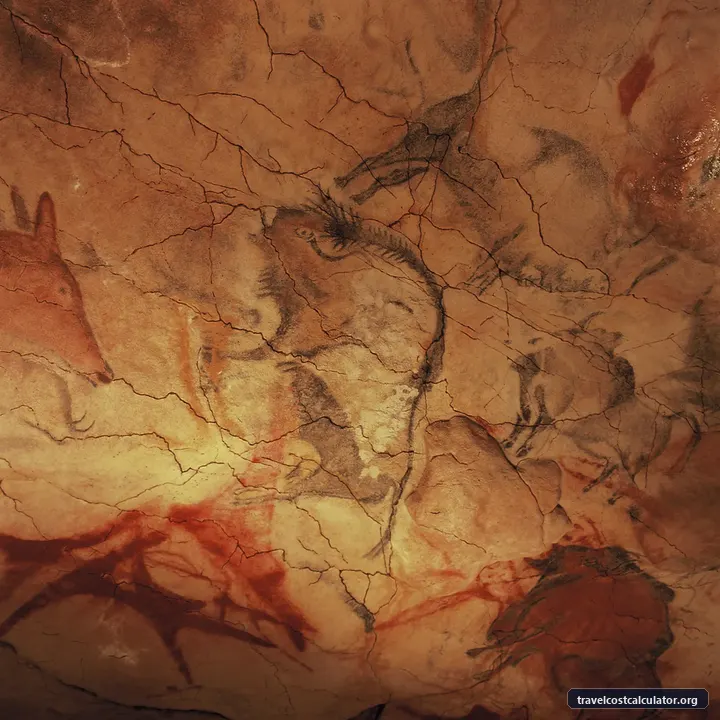
Widely celebrated as the "Sistine Chapel of Paleolithic Art," the Cave of Altamira and Paleolithic Cave Art of Northern Spain represents one of the absolute pinnacles of human creative genius. Located near the medieval town of Santillana del Mar in Cantabria, Altamira was first designated a UNESCO World Heritage site in 1985. In 2008, UNESCO officially expanded the property to encompass 17 additional decorated caves distributed across three northern Spanish regions: Cantabria, Asturias, and the Basque Country. Together, these subterranean sanctuaries house some of the oldest, densest, and most remarkably preserved prehistoric art on Earth, dating from the Upper Paleolithic era between 36,000 and 11,000 BCE (primarily associated with the Solutrean and Magdalenian cultures).
The story of Altamira's discovery reads like a historical drama. In 1879, local nobleman and amateur archaeologist Marcelino Sanz de Sautuola was exploring the cave with his eight-year-old daughter, María, who looked up at the ceiling and famously shouted, "Look, Papa! Oxen!" What she had discovered was the famous Polychrome Ceiling—a vibrant, 18-meter-long canvas featuring life-sized bison, horses, deer, and hand stencils rendered in charcoal and rich red ochre. Paleolithic artists ingeniously utilized the natural contours and bulges of the limestone ceiling to give their animal figures a startling three-dimensional quality.
When Sautuola published his findings in 1880, the scientific establishment initially ridiculed him, suspecting a hoax because academics of the era refused to believe prehistoric humans possessed the intellectual and artistic capability to create such sophisticated masterpiece art. Sautuola died before his name was cleared; full academic recognition arrived only in 1902 after similar prehistoric paintings were uncovered in France.
To preserve the delicate microclimate from human breath, moisture, and micro-organic deterioration, the original Altamira cave was permanently closed to mass tourism in 2002. Today, visitors explore the state-of-the-art Neocave (a millimeter-perfect 3D facsimile) at the National Museum and Research Center of Altamira, while several sister UNESCO caves across Northern Spain—such as El Castillo, Las Monedas, and Tito Bustillo—continue to offer controlled public access into their original chambers.
🎟️ Entrance Fees, Opening Hours & Ticket Booking Tips
Visiting the Paleolithic cave network of Northern Spain requires advance planning, as strict environmental caps regulate daily visitor limits to protect the ancient artwork. Below are the projected 2026 rates, schedules, and reservation procedures for Altamira and key sister caves.
National Museum & Neocave of Altamira (Santillana del Mar)
-
✦
General Adult Ticket: €3.00 (~$3.30 USD)
-
✦
Reduced Ticket (Students, Seniors 65+, Large Families): €1.50 (~$1.65 USD)
-
✦
Free Admission: Saturdays after 2:00 PM, Sundays all day, May 18 (International Museum Day), October 12 (National Holiday), and December 6 (Constitution Day).
-
✦
Opening Hours (2026):
- May to October: Tuesday – Saturday from 9:30 AM to 8:00 PM; Sundays & Public Holidays from 9:30 AM to 3:00 PM.
-
✦
November to April: Tuesday – Saturday from 9:30 AM to 6:00 PM; Sundays & Public Holidays from 9:30 AM to 3:00 PM.
-
✦
Closed: Every Monday, January 1, January 6, May 1, December 24, December 25, and December 31.
Note on the Original Altamira Cave: A highly restricted, random drawing (lottery) historically selected 5 visitors every Friday morning among those present in the museum between 9:30 AM and 10:30 AM to enter the original cave for 37 minutes under strict conservational protocol. Check the official Spanish Ministry of Culture portal prior to your trip, as policy updates in 2026 heavily prioritize research access over general public drawings.
Sister UNESCO Caves in Northern Spain (Original Caves Open to Visitors)
If you want to step inside genuine, original Paleolithic caves, several partner sites under the same UNESCO umbrella are open for guided tours (advance booking mandatory):
-
✦
El Castillo & Las Monedas (Puente Viesgo, Cantabria): €5.00 (~$5.50 USD) per cave per adult. Exceptional hand stencils dating back over 40,000 years.
-
✦
Tito Bustillo Cave (Ribadesella, Asturias): €5.50 (~$6.00 USD). Features stunning red and purple marine animal motifs.
-
✦
Covalanas (Ramales de la Victoria Travel Budget, Cantabria): €5.00 (~$5.50 USD). Known for its red dotted-line technique deer drawings.
-
✦
Ekainberri (Ekain Replica, Gipuzkoa, Basque Country): €7.00 (~$7.70 USD). Masterpiece horse gallery facsimile.
Ticket Booking Hacks for 2026
-
✦
Book Weeks in Advance: Neocave entry timeslots are capped per hour. Tickets for July and August routinely sell out 3 to 4 weeks ahead on the official Museo de Altamira online ticketing system.
-
✦
Combine Cave Reservations: If touring Cantabria, purchase a multi-cave pass via the Cuevas de Cantabria official reservation portal to visit El Castillo and Las Monedas on the same day for a discounted rate.
🚌 How to Get There & Local Transit Costs
The Altamira Museum is situated approximately 2 kilometers outside the medieval town center of Santillana del Mar in Cantabria, Northern Spain. The main transit gateway for the region is Santander (30 km to the east), followed by Bilbao (125 km to the east).
Option 1: By Public Bus (Budget Option)
From Santander's central bus station (Estación de Autobuses de Santander), regional buses operated by Autobuses La Cantábrica or ALSA run directly to Santillana del Mar.
-
✦
Frequency: Departures run every 1 to 2 hours during peak season.
-
✦
Travel Time: Approximately 35 to 45 minutes.
-
✦
One-Way Bus Fare: €2.80 to €3.50 (~$3.10 – $3.85 USD).
-
✦
Connecting to the Museum: From the Santillana del Mar bus drop-off, it is a pleasant 20- to 30-minute uphill walk (2 km) through village lanes to the Altamira Museum complex, or a short local taxi ride (€6.00 – €8.00 / ~$6.60 – $8.80 USD).
Option 2: By Train + Local Bus (Scenic Route)
You can take the narrow-gauge regional train network (Cercanías AM / FEVE) from Santander to Torrelavega.
-
✦
Train Ticket Cost: €2.20 (~$2.40 USD) one-way.
-
✦
Transfer: From Torrelavega station, take a local suburban bus or taxi (10-minute ride, ~€12.00 – €16.00) directly to Santillana del Mar / Altamira Museum.
Option 3: By Rental Car (Recommended for Regional Multi-Cave Tours)
Renting a car is by far the most convenient strategy if you plan to visit multiple UNESCO cave sites scattered across Cantabria and Asturias.
-
✦
Driving Route: From Santander, take the A-67 highway south toward Torrelavega, then merge onto the A-8 westbound toward Santillana del Mar/Comillas (Exit 234). Total drive time is 25 minutes.
-
✦
Parking: Free, spacious vehicle parking is available directly adjacent to the Altamira Museum entrance.
-
✦
Average 2026 Car Rental Cost: €25.00 to €45.00 (~$27 – $50 USD) per day out of Santander Airport (SDR) or Santander Train Station.
📸 Best Photography Spots & Insider Visit Hacks
Top Photography Locations
-
✦
The Neocave Polychrome Room: Capture the striking relief details of the painted bison. (Note: Flash photography is strictly prohibited inside the Neocave and museum galleries, but non-flash ambient photography is permitted.)
-
✦
Museum Exterior Grounds: The low-slung, eco-architectural design of the museum seamlessly merges into the rolling green Cantabrian countryside, providing great landscape photos.
-
✦
Original Cave Entrance Portal: Take a photo outside the gated mouth of the original Altamira cave set within the lush limestone ravine.
-
✦
Historic Santillana del Mar: The cobblestone streets, flower-draped stone mansions, and the 12th-century Colegiata de Santa María del Mar offer world-class architectural photos just minutes from the museum.
Insider Visit Hacks for 2026
-
✦
Beat the Tour Group Waves: Reserve the very first slot of the day at 9:30 AM or visit after 4:30 PM. Large tour buses arrive between 11:00 AM and 2:30 PM, making the museum galleries crowded.
-
✦
Optimal Season: Visit during April–May or September–October. Spring brings vibrant blooming meadows across Cantabria, while autumn offers mild temperatures, lower hotel prices, and pleasant crowd levels. Summer (July–August) gets crowded with European domestic holidaymakers.
-
✦
Dress for Cave Climate: If you visit the original sister caves (such as El Castillo or Tito Bustillo), subterranean temperatures stay a constant 12°C to 14°C (53°F – 57°F) year-round with high humidity. Bring a light fleece or warm jacket and non-slip rubber-soled shoes for damp limestone walkways.
-
✦
Combine with Prehistoric Art Route: Pair your Altamira visit with the nearby MUPAC (Museum of Prehistory and Archaeology of Cantabria) in Santander, which houses the world's finest collection of Paleolithic portable artifacts, harpoons, and engraved bones found during cave excavations.
🏨 Nearby Accommodation & Daily Budget Allocation
To fully experience the cave region, base yourself in the fairytale medieval village of Santillana del Mar (often called "the town of three lies": it is neither flat [santa], nor sea [mar], nor saintly [llana]). Below are curated accommodation choices and financial planning estimates for 2026.
Where to Stay Near Altamira
-
✦
Budget ($40 - $70 / night): Albergue de Santillana or local Casas Rurales (guesthouses) offer rustic, comfortable double rooms or dorm beds within walking distance of the historic square.
-
✦
Mid-Range ($90 - $160 / night): Hotel Altamira or Hotel Casa del Marqués. Beautifully renovated 15th-century stone mansions offering modern amenities, central village locations, and traditional Cantabrian breakfasts.
-
✦
Luxury ($200 - $380 / night): Parador de Santillana Gil Blas. Housed in an exquisite 17th-century manor right on the central plaza, this state-run hotel delivers high-end historic elegance, fine local gastronomy, and landscaped courtyards.
Local Food & Dining Costs (2026 Estimates)
Cantabrian cuisine is renowned for rich mountain stews and fresh Atlantic seafood:
-
✦
Cocido Montañés: A hearty white bean stew cooked with collard greens, pork shoulder, chorizo, and blood sausage (~€12.00 – €16.00 per bowl).
-
✦
Santoña Anchovies & Local Cheeses: Premium cured anchovies and cream cheeses like Quesuco de Liébana (~€10.00 – €15.00 for a sharing plate).
-
✦
Menu del Día (Lunch Special): Includes 3 courses, bread, and wine for €14.00 to €20.00 (~$15.40 – $22.00 USD) per person at local taverns.
Daily Budget Allocation Models
| Traveler Style | Daily Budget (EUR) | Daily Budget (USD) | Includes |
|---|---|---|---|
| Shoestring / Backpacker | €50 – €70 | $55 – $77 | Hostel/Guesthouse, public bus transit, self-guided Neocave tour, Menu del Día lunch. |
| Mid-Range Cultural Traveler | €120 – €190 | $132 – $209 | 3-star boutique hotel, car rental portion, admission to Altamira + 2 sister caves, sit-down dinners. |
| Luxury / Historic Experience | €300 – €500+ | $330 – $550+ | Stay at Parador Gil Blas, private vehicle transfer, private guided cave excursions, fine dining meals. |
Frequently Asked Questions
Essential visitor FAQs for Cave of Altamira and Paleolithic Cave Art of Northern Spain
What is the entrance fee for Cave of Altamira and Paleolithic Cave Art of Northern Spain?
How much time do you need to explore Cave of Altamira and Paleolithic Cave Art of Northern Spain?
How do I get to Cave of Altamira and Paleolithic Cave Art of Northern Spain from the nearest city?
📊 Heritage Quick Specs
Visiting Spain on a Budget?
Calculate your full daily travel budget for Spain — including hotel costs, local transport, food, and sightseeing expenses.
View Spain Daily Travel Costs →Explore more UNESCO World Heritage Sites
🏛️ All 1,200+ Heritage Sites →