
 South Africa
Cape Floral Region Protected Areas
Inscribed on the World Heritage List in 2004, the property is located at the south-western extremity of South Africa.
Cape Floral Region Protected Areas
🏛️ Overview & Historical Significance
The Cape Floral Region Protected Areas represent one of the most astonishing botanical phenomena on Earth. Inscribed as a UNESCO World Heritage Site in 2004 (and significantly expanded in 2015 to cover over 1.09 million hectares), this serial site comprises 13 protected area clusters spanning South Africa’s Western and Eastern Cape provinces. Although the Cape Floral Kingdom is the smallest of the planet’s six recognized floral kingdoms—occupying less than 0.5% of Africa’s landmass—it is by far the richest in density, diversity, and endemism.
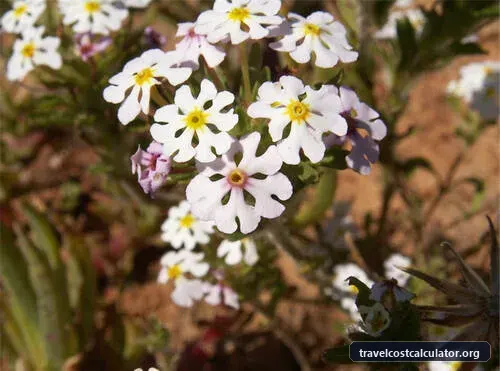
UNESCO recognized this region under Natural Criteria (ix) and (x) due to its extraordinary ongoing ecological processes and unmatched biological diversity. The area harbors over 9,000 vascular plant species, of which an incredible 69% are endemic—found nowhere else on the planet. The dominant vegetation type is Fynbos (meaning "fine bush"), a fire-adapted Mediterranean-style shrubland characterized by four primary plant families: Proteaceae (such as the striking King Protea, South Africa's national flower), Ericaceae (heaths), Restionaceae (reed-like restios), and Bruniaceae.
The protected area cluster includes legendary sites such as Table Mountain National Park (including Kirstenbosch National Botanical Garden and Cape Point), the rugged sandstone wilderness of the Cederberg, the coastal dunes of De Hoop Nature Reserve, the dramatic Swartberg Complex, and the pristine river canyons of Baviaanskloof. Beyond plant life, these protected areas host crucial ecological corridors that sustain endemic fauna, including the endangered Cape mountain zebra, Cape sugarbird, geometric tortoise, and translucent stream frogs.
🎟️ Entrance Fees, Opening Hours & Ticket Booking Tips (2026 Rates)
Because the Cape Floral Region Protected Areas consist of 13 separate reserves managed primarily by SANParks (South African National Parks) and CapeNature, entry fees and operating hours vary by specific location. Below are the updated 2026 estimated fees and logistics for the primary visitor hubs:
1. Kirstenbosch National Botanical Garden (Cape Town Travel Budget)
-
✦
International Adult Entrance Fee: ZAR 240 (~$13.00 USD)
-
✦
SADC Regional Adult Fee: ZAR 140 (~$7.50 USD)
-
✦
South African Citizens / Residents: ZAR 100 (~$5.40 USD)
-
✦
Children (Ages 6–17): ZAR 40 (~$2.15 USD) | Under 6 Free
-
✦
Opening Hours: 8:00 AM – 7:00 PM (Summer: Sep–Apr); 8:00 AM – 6:00 PM (Winter: May–Aug).
2. Cape Point & Cape of Good Hope (Table Mountain NP)
-
✦
International Visitor Daily Conservation Fee: ZAR 440 (~$23.75 USD) per adult | ZAR 220 (~$11.80 USD) per child.
-
✦
South African Citizens: ZAR 110 (~$6.00 USD) per adult.
-
✦
Opening Hours: Gate open 6:00 AM – 6:00 PM (Summer); 7:00 AM – 5:00 PM (Winter).
3. Table Mountain Aerial Cableway
-
✦
Standard International Adult Return Ticket: ZAR 460 (~$24.80 USD) Morning Rate / ZAR 390 (~$21.00 USD) Afternoon Rate (after 1:00 PM).
-
✦
Child Return (Ages 4–17): ZAR 230 (~$12.40 USD).
-
✦
Opening Hours: First car up 8:00 AM – Last car down 7:00 PM to 8:30 PM depending on sunset seasonality. Note: Operations are weather-dependent.
4. CapeNature Wilderness Reserves (Cederberg, De Hoop, Kogelberg)
-
✦
Daily Entrance/Conservation Fee: ZAR 100 – ZAR 120 (~$5.40 – $6.50 USD) per adult per day.
-
✦
Hiking & Bouldering Permits: ZAR 80 – ZAR 150 (~$4.30 – $8.10 USD) per person depending on trail class.
Pro Booking Tips for 2026:
-
✦
The SANParks Wild Card: If you plan to visit Table Mountain (Cape Point), Kirstenbosch, Addo Elephant, and multiple CapeNature reserves over a period of 5+ days, purchase an International All-Parks Wild Card (approx. ZAR 4,100 / ~$220 USD for an individual). It provides unlimited entry to over 80 parks across South Africa for 365 days.
-
✦
Skip-the-Line Online Tickets: Always pre-book Table Mountain Cableway tickets online via their official portal. Online tickets are valid for 9 days from your chosen date, allowing flexibility if high winds ground the cable cars.
🚌 How to Get There & Local Transit Costs
The main gateway for the Cape Floral Region is Cape Town International Airport (CPT). Depending on which cluster of the World Heritage site you intend to explore, transport options vary significantly:
Reaching Urban Reserves (Table Mountain & Kirstenbosch)
-
✦
MyCiTi Bus (Public Transit): Cape Town's modern bus network links the city center (Civic Centre) to the lower Cableway station (Route 107) and coastal areas like Camps Bay. A single journey costs ZAR 15 – ZAR 35 (~$0.80 – $1.90 USD) using a reloadable myconnect card (ZAR 35 initial purchase).
-
✦
Rideshare (Uber / Bolt): Extremely safe, efficient, and cost-effective within Cape Town. A ride from Downtown / V&A Waterfront to Kirstenbosch costs roughly ZAR 160 – ZAR 240 (~$8.60 – $13.00 USD). A ride to the Table Mountain Cableway costs around ZAR 90 – ZAR 140 (~$4.80 – $7.50 USD).
-
✦
City Sightseeing Hop-On Hop-Off Bus (Red Bus): Excellent option for tourists. The Classic 1-Day Pass costs ZAR 370 (~$20.00 USD) and stops directly at Table Mountain Cableway, Kirstenbosch Gardens, and Hout Bay.
Reaching Remote Reserves (Cape Point, Cederberg, De Hoop)
-
✦
Car Rental: Renting a car is the best choice for exploring outlying fynbos clusters like Cape Point, Franschhoek, and the Cederberg. Compact rental vehicles in 2026 range from ZAR 450 to ZAR 800 (~$24 to $43 USD) per day with standard insurance. Driving is on the left side of the road with well-paved primary highways.
-
✦
Private Day Tours to Cape Point: Full-day guided minibus excursions from Cape Town to Cape Point and the Boulders Beach penguin colony cost ZAR 1,200 – ZAR 1,900 (~$65 – $102 USD) per person including park entries.
📸 Best Photography Spots & Insider Visit Hacks
Prime Photography Locations
-
✦
The Centenary Tree Canopy Walkway ("Boomslang") at Kirstenbosch: Shoot early in the morning as light hits the eastern slopes of Devil’s Peak while walking above the lush forest canopy surrounded by flowering King Proteas.
-
✦
Cape Point Old Lighthouse Lookout: Position yourself at the top station looking south toward the dramatic sea cliffs where the Atlantic and Indian Oceans meet, frame the craggy drop-offs amidst wild coastal fynbos.
-
✦
Cederberg Wolfberg Arch: For epic landscape photography, trek into the Cederberg Wilderness Area. Capture the giant sandstone arch framed against star-filled dark skies or twilight orange lighting over surrounding heathlands.
-
✦
Kogelberg Nature Reserve (Palmiet River Valley): Known as the heart of the fynbos kingdom due to its incredible plant density; capture reflection shots of endemic ericas along the dark tannic waters of the Palmiet River.
Insider Hacks to Avoid Crowds & Weather Disruption
-
✦
Watch out for the "Cape Doctor": Cape Town’s famous strong south-easterly wind can force the Table Mountain Cableway to shut down without warning. Download live wind monitoring apps (or check the official Cableway Twitter/X feed) before heading up.
-
✦
Beat the Cape Point Queue: Tour buses arrive en masse at Cape Point between 10:30 AM and 2:00 PM. Arrive right at opening (6:00 AM in summer) to enjoy uninterrupted views, calm winds, and active wildlife sightings (bontebok, ostriches, and baboons).
-
✦
Peak Wildflower Season: Visit between August and October. Spring brings explosive blooms across the entire flora region, turning green hillsides into multi-colored carpets of fynbos blooms, daisies, and irises.
-
✦
Beware of Baboons: Chacma baboons in Cape Point and the Kogelberg are wild animals accustomed to humans. Keep food packed away in zipped bags, close car windows, and never feed them.
🏨 Nearby Accommodation & Daily Budget Allocation
Because the protected areas cover a vast regional footprint, visitors can base themselves in urban Cape Town, historical winelands towns, or secluded eco-lodges situated directly inside nature reserves.
Accommodation Options (2026 Rates)
-
✦
Budget / Hostels: Ashanti Lodge or Backpackers Cape Town (Cape Town) / CapeNature Self-Catering Huts (Cederberg / De Hoop). Clean dorm beds start at $20 – $35 USD (ZAR 370 – 650) per night. Simple self-catering reserve cabins run $55 – $85 USD (ZAR 1,000 – 1,580) per night.
-
✦
Mid-Range B&Bs / Hotels: Kirstenbosch Country House, De Hoop Village Cottages, or boutique guest houses in Franschhoek. Comfortable double rooms average $90 – $170 USD (ZAR 1,660 – 3,150) per night including breakfast.
-
✦
Luxury Eco-Lodges: Grootbos Private Nature Reserve (Walker Bay) or Bushmans Kloof Wilderness Reserve (Cederberg). World-class luxury, private guided botanical safaris, fine dining, and conservation access range from $550 to $1,200+ USD (ZAR 10,000 – 22,000+) per night, all-inclusive.
Estimated Daily Travel Budget Breakdown (Per Person)
-
✦
Budget Backpacker: $45 – $70 USD / day
- Stay: Dorm bed or public park campsite ($20)
-
✦
Food: Supermarket meals and street cafes ($15)
-
✦
Transport: MyCiTi buses / shared rides ($10)
-
✦
Sightseeing: Public hiking trails / standard reserve entries ($10–$15)
- Stay: 3-star boutique hotel or nature cottage ($70–$90 per person share)
- Stay: Luxury eco-reserve lodge with full board ($550–$1,000+)
Frequently Asked Questions
Essential visitor FAQs for Cape Floral Region Protected Areas
What is the entrance fee for Cape Floral Region Protected Areas?
How much time do you need to explore Cape Floral Region Protected Areas?
How do I get to Cape Floral Region Protected Areas from Cape Town?
📊 Heritage Quick Specs
Visiting South Africa on a Budget?
Calculate your full daily travel budget for South Africa — including hotel costs, local transport, food, and sightseeing expenses.
View South Africa Daily Travel Costs →Explore more UNESCO World Heritage Sites
🏛️ All 1,200+ Heritage Sites →