
 Hungary
Budapest, including the Banks of the Danube, the Buda Castle Quarter and Andrássy Avenue
This site has the remains of monuments such as the Roman city of Aquincum and the Gothic castle of Buda, which have had a considerable influence on the architecture of various periods.
Budapest, including the Banks of the Danube, the Buda Castle Quarter and Andrássy Avenue
🏛️ Overview & Historical Significance
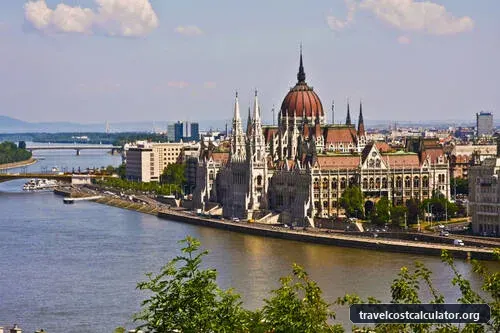
In 1987, UNESCO designated the Banks of the Danube and the Buda Castle Quarter as a World Heritage Site, later extending the protected area in 2002 to include the aristocratic Andrássy Avenue and the historic Millennium Underground Railway (Metro Line M1). Spanning both sides of Europe's second-longest river, this architectural ensemble encapsulates the dual identity of Hungary’s capital: medieval, elevated Buda with its royal heritage on the west bank, and grand, 19th-century Pest stretching across the eastern plain.
The site represents one of the world's most outstanding urban landscapes, illustrating several key historical epochs:
-
✦
Roman Roots and Medieval Citadel: The Buda side sits adjacent to the ancient Roman town of Aquincum. Castle Hill (Várhegy) developed from the 13th century onward as a fortified royal seat following the Mongol invasions, retaining its medieval street grid and gothic architectural fragments.
-
✦
The Habsburg & Industrial Renaissance: Following Ottoman rule, Buda Castle and the surrounding quarter were rebuilt in spectacular Baroque and Neoclassical styles. The late 19th century—marked by the Austro-Hungarian Compromise of 1867 and the 1896 Millennium celebrations—transformed Pest into a rival to Vienna Travel Budget.
-
✦
Engineering Marvels: The iconic Széchenyi Chain Bridge (Lánchíd), completed in 1849, permanently connected Buda and Pest, symbolizing physical and national unification. Running beneath Andrássy Avenue, the Millennium Underground Railway (1896) was the first subterranean electric railway on continental Europe.
-
✦
Architectural Masterpieces: Highlights include Imre Steindl’s Neo-Gothic Hungarian Parliament Building on the Pest riverbank, Miklós Ybl’s Neo-Renaissance Opera House on Andrássy Avenue, and Frigyes Schulek’s neo-Romanesque Fisherman’s Bastion (Halászbástya), built to frame sweeping panoramas of the Danube.
Today, this UNESCO zone is not merely an open-air museum, but a living urban core where gothic vaults meet Art Nouveau coffee houses, imperial boulevards, and vibrant modern European culture.
🎟️ Entrance Fees, Opening Hours & Ticket Booking Tips
Exploring the outdoor UNESCO spaces—including the banks of the Danube, the courtyards of Buda Castle, Heroes' Square, and Andrássy Avenue—is completely free 24/7. However, entering individual museums, historic monuments, and specialized tours requires tickets. Estimated costs and schedules reflect 2026 pricing.
Key Site Ticket Prices & Opening Hours (2026 Estimates)
-
✦
Buda Castle Courtyards & Terraces: Open 24/7. Admission is Free.
-
✦
Hungarian National Gallery (Buda Castle Main Building):
- Hours: Tuesday – Sunday, 10:00 AM – 6:00 PM (Closed Mondays).
-
✦
Price: 5,200 HUF (~$14.50 USD) for Permanent Exhibitions.
- Hours: Monday – Friday, 9:00 AM – 5:00 PM; Saturday 9:00 AM – 1:00 PM; Sunday 1:00 PM – 5:00 PM (subject to religious services).
- Hours: Upper deck ticketed 9:00 AM – 7:00 PM daily (March 16 – December 23). Lower terraces are free 24/7.
- Hours: Tours run daily 8:00 AM – 4:00 PM (timed entry only).
- Hours: Tours daily at 1:30 PM, 3:00 PM, and 4:30 PM.
Pro Booking & Ticket-Saving Hacks
1. Parliament Tickets Sell Out Weeks Ahead: Never expect walk-up availability at the Parliament Building. Secure official timed tickets online via Jegymester.hu (the official vendor) 4 to 8 weeks in advance.
2. Consider the Official Budapest Travel Budget Card: If you plan to visit multiple museums and utilize public transit heavily, the official Budapest Card offers solid value:
-
✦
24-Hour Pass: 14,900 HUF (~$41 USD)
-
✦
48-Hour Pass: 22,900 HUF (~$63 USD)
-
✦
72-Hour Pass: 29,900 HUF (~$83 USD)
Includes: Unlimited public transport, free entry to the Hungarian National Gallery, Budapest History Museum, Lukács Thermal Bath, and walking tours, plus 10–20% discounts at Matthias Church and Fisherman's Bastion.
🚌 How to Get There & Local Transit Costs
Budapest is extremely well connected internationally and features one of Europe's most efficient urban transit systems, managed by BKK (Budapesti Közlekedési Központ).
Arriving from International Destinations & Nearby Hubs
-
✦
From Budapest Ferenc Liszt International Airport (BUD):
- 100E Airport Express Bus: Direct shuttle to city center (Deák Ferenc tér). Runs every 7–10 minutes, 24/7. Ticket cost: 2,500 HUF (~$6.90 USD).
-
✦
200E Bus + Metro M3: Standard single ticket cost (450 HUF / ~$1.25 USD). Takes slightly longer but covered by day passes.
-
✦
Official Taxi (Főtaxi / Bolt app): Fixed fare zones from BUD to central hotels cost roughly 11,000 to 14,000 HUF ($30 – $39 USD).
Navigating the World Heritage Zone
The UNESCO zone spans both sides of the river, best navigated using a mix of historic trams, metro lines, and walking:
-
✦
Metro Line M1 (Millennium Underground): Yellow line running directly beneath Andrássy Avenue from Vörösmarty tér to Heroes' Square. Built in 1896, it is a protected heritage attraction itself.
-
✦
Tram Line 2: Skirts the Pest embankment along the Danube. National Geographic named this one of the world's top scenic public transit routes. Rides offer front-row views of Buda Castle and the bridges.
-
✦
Reaching Buda Castle Hill:
- Budavári Sikló (Funicular): Runs from Clark Ádám tér (at the base of the Chain Bridge) to Castle Hill. Cost: 4,000 HUF (~$11 USD) round-trip. (Note: Lines can be long).
-
✦
Public Bus Line 16 / 16A / 116: Departs from Széll Kálmán tér or Deák Ferenc tér directly into the Castle district for the price of a standard single ticket.
-
✦
On Foot: Walk up the picturesque Royal Stairs (Király lépcső) or Castle Garden Bazaar (Várkert Bazár) escalators (Free).
2026 Local Transit Fares (BKK)
-
✦
Single Transit Ticket: 450 HUF (~$1.25 USD)
-
✦
10-Ticket Booklet: 4,000 HUF (~$11.10 USD)
-
✦
24-Hour Travel Pass: 2,750 HUF (~$7.60 USD)
-
✦
72-Hour Travel Pass: 5,800 HUF (~$16.10 USD)
📸 Best Photography Spots & Insider Visit Hacks
Prime Photography Angles
-
✦
Fisherman’s Bastion Lower Balcony (Blue Hour & Sunrise): Arrive between 6:30 AM and 7:30 AM to capture the rising sun illuminating the Hungarian Parliament Building, framed through neo-Romanesque stone arches, without crowds.
-
✦
Buda Castle Savoy Terrace: Positioned in front of the National Gallery, offering an elevated panoramic shot looking down the Danube toward the Chain Bridge and St. Stephen’s Basilica.
-
✦
Tram 2 Embankment near Kossuth Lajos tér: Ideal for dusk photography. Capture long exposures of the illuminated Parliament Building reflecting off the Danube waters.
-
✦
Mansfeld Péter Park (Rose Hill): A local secret vantage point north of Castle Hill offering an astonishing wide view over the entire Danube bend and Parliament.
-
✦
Heroes' Square (Hősök tere) from Andrássy Avenue: Walk down the center promenade of Andrássy near Bajza utca to capture the Millennium Monument framed by trees.
Insider Travel Hacks
1. Take the Evening Sightseeing Cruise: To appreciate the UNESCO listing ("Banks of the Danube"), take an evening boat tour when all major monuments (Parliament, Buda Castle, Chain Bridge, Liberty Bridge) are fully illuminated. Standard 1-hour cruise tickets cost 6,500 – 9,000 HUF (~$18 – $25 USD) and often include a welcome glass of Prosecco or Tokaji wine.
2. Beat the Heat and Crowds with Seasonal Timing: The best weather occurs during spring (April–May) and autumn (September–October), with comfortable temperatures averaging 18°C–24°C (64°F–75°F). Summer (July–August) gets crowded and hot, with temperatures exceeding 33°C (91°F). December offers stunning holiday illumination along Andrássy Avenue and the Christmas Market at St. Stephen's Basilica.
3. Historic Thermal Bath Pairing: Combine your architecture walking tour with a session at one of the city's historic thermal baths located within or adjacent to the UNESCO zone. Gellért Baths (Art Nouveau style at the base of Gellért Hill) or Széchenyi Baths (Neo-Baroque palace at the end of Andrássy Avenue) cost approximately 10,500 – 12,500 HUF (~$29 – $35 USD) for daily admission in 2026.
🏨 Nearby Accommodation & Daily Budget Allocation
Staying within or adjacent to the UNESCO World Heritage corridor allows easy walking access to major sights. Budapest remains one of Central Europe's most affordable capitals, accommodating tight back-packer budgets to ultra-luxurious stays.
Recommended Accommodation by Tier
-
✦
Budget / Backpacker:
- Wombat's City Hostel Budapest: Near Deák Ferenc tér and Andrássy Avenue entry point. Modern, clean dorm beds from $22 – $32 USD / night.
-
✦
Maverick Hostel & Ensuites: Housed in a renovated Habsburg-era mansion near the Danube embankment. Dorms $25 USD; private rooms $70 USD.
- Hotel Moments Budapest: Located directly on Andrássy Avenue steps from the Opera House. Sophisticated design with excellent breakfast. $120 – $180 USD / night.
- Four Seasons Hotel Gresham Palace: An Art Nouveau landmark positioned directly facing the Chain Bridge on the Pest bank. $550 – $900+ USD / night.
Daily Budget Estimates (2026 Rates)
| Expense Category | Budget Traveler | Mid-Range Traveler | Luxury Traveler |
|---|---|---|---|
| Accommodation | $25 - $35 (Hostel Dorm) | $110 - $170 (Boutique Hotel) | $350 - $800+ (5-Star Hotel) |
| Food & Dining | $15 - $22 (Street food, Lángos, Market halls) | $40 - $65 (Traditional bistros, historic cafés) | $120 - $250 (Fine dining, Michelin guide venues) |
| Transport | $4.00 (Single tickets / 24h pass) | $8.00 (Day pass / occasional funicular) | $35 - $60 (Private drivers / Bolt taxis) |
| Attractions & Tours | $5 - $10 (Free sites + Fisherman's Bastion) | $25 - $45 (Museums, Parliament, Danube cruise) | $80 - $150 (Private guided tours, baths, Opera) |
| Total Estimated Daily Cost | $49 - $71 USD | $183 - $288 USD | $585 - $1,260+ USD |
Dining Costs & Regional Specialties Near the UNESCO Zone
-
✦
Lángos (Traditional fried dough topped with garlic, sour cream, and cheese): 1,500 – 2,500 HUF (~$4.10 – $6.90 USD) at Retro Lángos near Arany János utca metro.
-
✦
Gulyásleves (Traditional Hungarian Goulash Soup): 3,200 – 4,800 HUF (~$8.90 – $13.30 USD) in mid-range restaurants around Castle District or Belváros.
-
✦
Coffee & Cake at Historic Cafés (e.g., Café Gerbeaud, New York Café): 3,500 – 5,500 HUF (~$9.70 – $15.20 USD) for a specialty coffee and signature cake slice.
Frequently Asked Questions
Essential visitor FAQs for Budapest, including the Banks of the Danube, the Buda Castle Quarter and Andrássy Avenue
What is the entrance fee for Budapest, including the Banks of the Danube, the Buda Castle Quarter and Andrássy Avenue?
How much time do you need to explore Budapest, including the Banks of the Danube, the Buda Castle Quarter and Andrássy Avenue?
How do I get to Budapest, including the Banks of the Danube, the Buda Castle Quarter and Andrássy Avenue from the nearest city?
📊 Heritage Quick Specs
Visiting Hungary on a Budget?
Calculate your full daily travel budget for Hungary — including hotel costs, local transport, food, and sightseeing expenses.
View Hungary Daily Travel Costs →Explore more UNESCO World Heritage Sites
🏛️ All 1,200+ Heritage Sites →