
 Mexico
Archaeological Zone of Paquimé, Casas Grandes
Paquimé, Casas Grandes, which reached its apogee in the 14th and 15th centuries, played a key role in trade and cultural contacts between the Pueblo culture of the south-western United States and northern Mexic...
Archaeological Zone of Paquimé, Casas Grandes
1. 🏛️ Overview & Historical Significance
Rising dramatically from the high desert plains of northern Chihuahua, the Archaeological Zone of Paquimé, Casas Grandes stands as one of North America's most enigmatic and architecturally sophisticated pre-Columbian urban centers. Inscribed as a UNESCO World Heritage site in 1998, Paquimé serves as an extraordinary witness to the cultural evolution of Oasisamerica—a region that bridged the desert cultures of the southwestern United States (such as the Mogollon and Ancestral Puebloans) with the powerful Mesoamerican empires to the south.
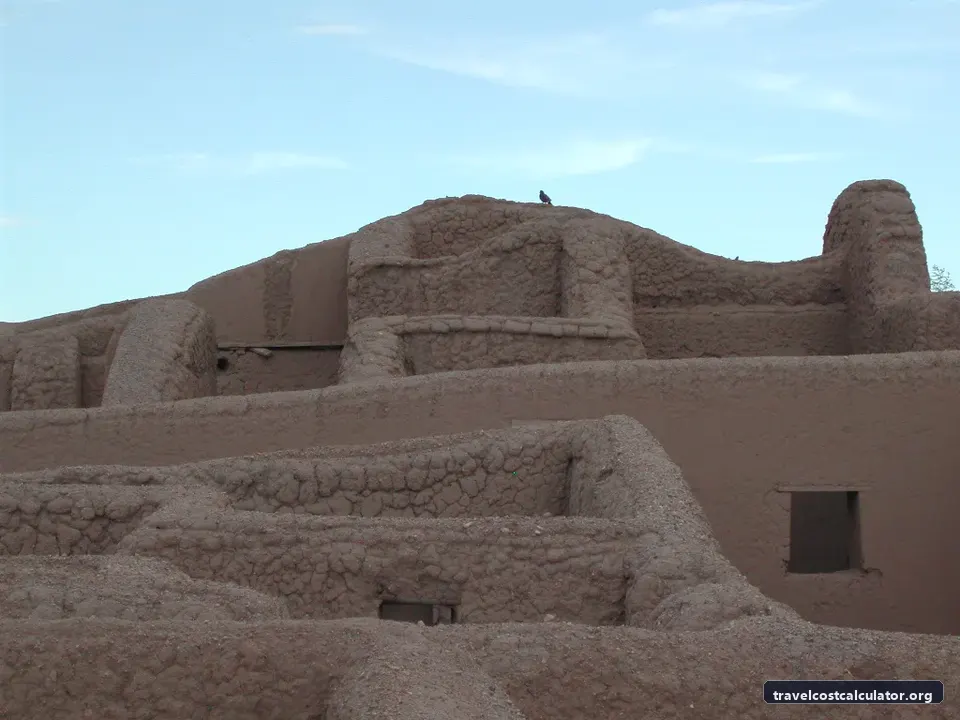
Reaching its cultural and economic zenith between 1130 AD and 1450 AD, Paquimé was far more than a simple agricultural settlement; it was a thriving metropolis of trade, religion, and regional diplomacy. At its peak, the city housed an estimated population of over 3,000 residents within massive, multi-story earthen apartment complexes that stood up to five stories tall. Constructed using a rammed-earth (pisé) method unique to the region, these buildings featured signature T-shaped doorways, subterranean cooling chambers, and intricate wooden beam supports.
UNESCO awarded Paquimé World Heritage status based on two critical criteria:
-
✦
Criterion (iii): Paquimé provides an exceptional, well-preserved testimony to the trade networks, social structures, and architectural mastery of the Oasisamerican tradition.
-
✦
Criterion (iv): It represents a unique masterpiece of earth-walled architecture integrated with complex hydraulic engineering, including underground stone-lined aqueducts, reservoirs, and drainage systems designed to conquer the harsh Chihuahua Desert.
Beyond its living quarters, Paquimé was a bustling commercial center. Archaeologists have excavated specialized breeding pens for scarlet macaws—exotic birds imported from tropical Mesoamerica over 1,000 kilometers away—whose feathers were prized currency and ceremonial regalia. The site also boasts ceremonial ball courts, shell-bead workshops, copper artisan centers, and sacred mounds shaped like serpents and crosses (Montículo de la Cruz), perfectly aligned with solar equinoxes.
2. 🎟️ Entrance Fees, Opening Hours & Ticket Booking Tips
Visiting Paquimé requires minimal advance logistics, but understanding local payment norms and operational hours is essential for a smooth trip in 2026.
Official 2026 Estimated Entrance Fees
-
✦
General Adult Admission: $100 MXN (~$5.50 USD) per person. This single ticket covers entry to both the outdoor archaeological site and the subterranean Museo de las Culturas del Norte.
-
✦
Exemptions: Free entry for Mexican citizens and legal residents on Sundays, as well as Mexican students, teachers, children under 13, and seniors with valid ID at all times.
-
✦
Commercial Photography / Video Permit: Personal smartphone photography is free. Professional equipment or tripod use requires an additional INAH fee of approximately $55 MXN (~$3.00 USD). Drones are strictly prohibited without prior written authorization from INAH.
Opening Hours & Schedule
-
✦
Days of Operation: Tuesday through Sunday (Closed on Mondays for maintenance).
-
✦
Visiting Hours: 9:00 AM – 5:00 PM (Last admission to the museum and ruins at 4:30 PM).
Insider Ticket Booking Tips
Unlike crowded sites like Chichén Itzá or Teotihuacán, Paquimé rarely experiences long ticket lines. Tickets are purchased directly at the onsite ticket booth managed by the Instituto Nacional de Antropología e Historia (INAH). Cash in Mexican Pesos (MXN) is strongly recommended, as credit card processing terminals at rural archaeological sites in northern Chihuahua can suffer from unreliable cellular coverage. Bring small bills ($50 and $100 MXN notes), as making change for $500 MXN notes can occasionally be difficult early in the morning.
3. 🚌 How to Get There & Local Transit Costs
Paquimé is situated immediately adjacent to the Pueblo Mágico of Casas Grandes, approximately 8 kilometers (5 miles) south of the larger commercial hub of Nuevo Casas Grandes in northern Chihuahua state.
Step-by-Step Travel Options from Major Regional Hubs
Option A: Travelling from Ciudad Juárez / El Paso (US Border)
Ciudad Juárez (CJS Airport) or El Paso, Texas (ELP Airport) are the primary entry points for international visitors coming from the north (~280 km / 174 miles away).
-
✦
By Express Bus: Take a modern long-distance bus operated by Transportes Chihuahuenses or Ómnibus de México from the Central de Autobuses de Ciudad Juárez directly to Nuevo Casas Grandes.
- Travel Time: 3.5 to 4 hours.
-
✦
2026 Estimated Fare: $450 MXN – $550 MXN (~$25 – $30 USD) one-way.
Option B: Travelling from Chihuahua City
If arriving via Chihuahua City Airport (CUU), the site is located approximately 300 km (186 miles) northwest.
-
✦
By Express Bus: Direct buses depart regularly from Chihuahua's main terminal to Nuevo Casas Grandes.
- Travel Time: 4 hours.
-
✦
2026 Estimated Fare: $480 MXN – $580 MXN (~$26 – $32 USD) one-way.
Final Connection: Nuevo Casas Grandes to Paquimé
Once you reach Nuevo Casas Grandes, getting to the archaeological site is easy and affordable:
-
✦
Local Colectivo (Microbús): Minibuses labeled "Casas Grandes" depart every 15 minutes from downtown Nuevo Casas Grandes. Ask the driver to drop you near the Paquimé entrance turnoff ($15 MXN / ~$0.85 USD).
-
✦
Taxi / Rideshare: A direct taxi from downtown Nuevo Casas Grandes to the Paquimé visitors' center costs approximately $90 MXN – $130 MXN (~$5 – $7 USD) one-way.
4. 📸 Best Photography Spots & Insider Visit Hacks
Prime Photography Locations
-
✦
Montículo de la Cruz (Mound of the Cross): Located on the north side of the complex, this elevated ceremonial platform provides sweeping, 360-degree views of the adobe maze below against the backdrop of the Sierra Madre Occidental mountains.
-
✦
The T-Doorway Frames: Frame shots through preserved T-shaped doorways. The play of desert sunlight and geometric shadow across the earthen walls creates high-contrast architectural imagery.
-
✦
The Sunken Courtyards & Macaw Pens: Capture the intricate stone masonry lined against the mud walls where ancient priests once raised sacred scarlet macaws.
-
✦
Museo de las Culturas del Norte Architecture: Designed by renowned Mexican architect Mario Schjetnan, the museum building itself is partially buried underground to harmonize with the desert environment. Shoot the circular sunken courtyard from above.
Optimal Timing & Seasonal Weather Advice
The high desert of Chihuahua experiences dramatic seasonal shifts. The Best Time to Visit Planner is during spring (March to May) or autumn (September to November), when daily temperatures range between a pleasant 20°C and 28°C (68°F – 82°F).
-
✦
Best Time of Day: Early morning (9:00 AM – 11:00 AM) or late afternoon (3:30 PM – 5:00 PM). The warm low-angled sunlight highlights the rich ochre and terra-cotta tones of the rammed-earth structures.
-
✦
Summer Warnings (June to August): High temperatures frequently exceed 38°C (100°F), with intense UV exposure and sudden afternoon monsoon thunderstorms that can temporarily soften mud pathways.
-
✦
Winter Conditions (December to February): Mornings can drop below freezing (0°C / 32°F), though afternoons are usually crisp and clear. Occasional winter snowstorms create rare, breathtaking scenes of snow-dusted adobe ruins.
Pro Visit Hacks
-
✦
Combine with Mata Ortiz: Never visit Paquimé without spending an afternoon in Mata Ortiz (located just 25 minutes south). This world-renowned artisan village revolutionized modern Mexican ceramics by resurrecting ancient Paquimé pottery techniques under the leadership of master potter Juan Quezada.
-
✦
Hydration & Desert Protection: There is virtually no shade within the open ruins. Carry at least 2 liters of water per person, wear a wide-brimmed hat, apply reef-safe sunscreen, and wear comfortable walking shoes (dirt and gravel paths).
-
✦
Hire a Certified Local Guide: Hire an official INAH guide at the entrance ($350 – $500 MXN / ~$20 – $28 USD per group). Their knowledge of astronomical alignments and architectural symbolism turns raw ruins into a vivid history lesson.
5. 🏨 Nearby Accommodation & Daily Budget Allocation
Visitors can choose between staying in the tranquil, historic village of Casas Grandes (Pueblo Mágico) within walking distance of the ruins, or in the larger neighboring city of Nuevo Casas Grandes, which offers modern amenities and chain hotels.
Accommodation Options
-
✦
Budget ($30 – $50 USD / night): Hotel Paquimé or modest posadas in central Nuevo Casas Grandes. Simple, air-conditioned rooms featuring private bathrooms and parking.
-
✦
Mid-Range ($70 – $110 USD / night): Hotel Hacienda (Nuevo Casas Grandes) or Casa de las Guacamayas (Casas Grandes). Comfortable hacienda-style lodging with courtyard gardens, pools, and onsite breakfast.
-
✦
Boutique / Heritage ($120 – $180 USD / night): Restored adobe boutique hotels and eco-lodges near the historical main plaza of Casas Grandes Pueblo Mágico, offering artisanal dining and organized excursions to Mata Ortiz and Cueva de la Olla.
Local Gastronomy & Dining Costs
Northern Chihuahua is famous for its rich culinary heritage. Be sure to try burritos made with handmade giant flour tortillas, regional Queso Menonita (Menonite cheese), discada norteña (a hearty mixed-meat skillet dish), and local artisanal Sotol (a distilled spirit native to the Chihuahua desert).
-
✦
Casual Street Food / Taquerías: $60 MXN – $120 MXN (~$3.50 – $6.50 USD) per meal.
-
✦
Mid-Range Regional Restaurant: $220 MXN – $450 MXN (~$12 – $25 USD) per person including drinks.
Sample Daily Travel Budgets (2026 Estimates)
-
✦
Solo Backpacker / Budget Traveler: $45 – $65 USD / day
- Shared or budget room: $30 USD
-
✦
Bus/Colectivo transit: $5 USD
-
✦
Entry ticket: $5.50 USD
-
✦
Local meals & street food: $15 USD
- 3-Star Boutique Hotel (Split Travel Budget cost): $50 USD
Frequently Asked Questions
Essential visitor FAQs for Archaeological Zone of Paquimé, Casas Grandes
What is the entrance fee for Archaeological Zone of Paquimé, Casas Grandes?
How much time do you need to explore Archaeological Zone of Paquimé, Casas Grandes?
How do I get to Archaeological Zone of Paquimé, Casas Grandes from the nearest city?
📊 Heritage Quick Specs
Visiting Mexico on a Budget?
Calculate your full daily travel budget for Mexico — including hotel costs, local transport, food, and sightseeing expenses.
View Mexico Daily Travel Costs →Explore more UNESCO World Heritage Sites
🏛️ All 1,200+ Heritage Sites →